Sugawara Shrine (Kawara-machi, Tagawa-gun, Fukuoka Prefecture) Complete Guide | History, Deities, Access, and Goshuin Information
Sugawara Shrine, located in Kawara-machi, Tagawa-gun, Fukuoka Prefecture, is a shrine dedicated to Sugawara no Michizane, known as the god of learning. Kawara-machi is a historical region that flourished as a copper producing area since ancient times. This guide provides detailed information about Sugawara Shrine, which has attracted the faith of the local people, including its history, enshrined deities, grounds, access methods, and Goshuin information—all essential information before visiting.
Basic Information about Sugawara Shrine
Location and Contact Information
Location
2317, Kawara, Kawara-machi, Tagawa-gun, Fukuoka Prefecture 822-1406
Telephone Number
For the shrine’s detailed telephone number, please contact the Kawara-machi office or the local tourism association.
Religious Corporation
Sugawara Shrine is a registered religious corporation.
Access
Access by Train
The temple is located approximately 15 minutes on foot from Kawara Station on the JR Hitahikosan Line. Kawara Station is situated between Tagawa-Gotōji Station and Soeda Station and serves as a major station in the region.
Access by Car
- Approximately 40 minutes from Kokura-Minami IC on the Kyushu Expressway via National Route 322
- Approximately 35 minutes from Yukuhashi IC on the Higashi-Kyushu Expressway via National Route 201
- Approximately 1 hour from Fukuoka City via National Route 201
Parking
There is parking space for visitors on the temple grounds, but the size is limited. During peak seasons such as New Year’s, when crowds are expected, we recommend using public transportation.
History and Origins of Sugawara Shrine
History of Founding
While detailed records of the founding date of Sugawara Shrine are not available, it is believed to have been established during the Heian period, after Sugawara no Michizane was exiled to Dazaifu, as Tenjin worship spread throughout Kyushu. Kawara Town has been known since ancient times for “Kawara-dake” (Kawara Mountain) and is a historically significant area for copper mining. The establishment of Sugawara Shrine in this area was a manifestation of the faith of people praying for the advancement of learning and industrial development in the region.
Relationship between Kawara Town and Sugawara Shrine
From the Nara period to the Heian period, Kawara Town was an important production area that supplied copper to the imperial court. Records indicate that high-quality copper was mined from Kawara-dake and used in the casting of the Great Buddha of Todai-ji Temple. In Kawara Town, with this historical background, Sugawara Shrine has played an important role as a spiritual pillar of the region and as a place of prayer for academic success and industrial development.
Relationship between Kawara Town and Sugawara Shrine
From the Nara period to the Heian period, Kawara Town was an important production area that supplied copper to the imperial court. High-quality copper was mined from Kawara-dake, and there are records that it was used in the casting of the Great Buddha of Todai-ji Temple. ### Changes in Local Beliefs
From the Edo period to the Meiji period, Sugawara Shrine was the tutelary shrine of Kawara Town, attracting fervent devotion from the local residents. In particular, those engaged in agriculture and mining visited the shrine to pray for bountiful harvests and safe operations. Even today, during exam season, many students and their parents visit the shrine to pray for academic success, continuing the traditional beliefs of the region.
Deities and Divine Virtues
Main Deity: Sugawara no Michizane
The main deity of Sugawara Shrine is Sugawara no Michizane. Michizane was a scholar and politician of the Heian period, known for his outstanding learning and honest character. However, he became embroiled in political strife and was exiled to Dazaifu, where he died in 903 at the age of 59.
After his death, natural disasters struck the capital one after another. Fearing this was the curse of Michizane, the imperial court began to enshrine him as “Tenjin-sama” (God of Learning). Since then, he has been revered as the god of learning and the guardian deity of culture and the arts at Tenmangu and Sugawara shrines throughout Japan.
Divine Virtues (Benefits)
Sugawara shrines are believed to offer the following divine virtues:
Academic Achievement and Success in Exams Many worshippers visit to pray for success in exams and academic achievement, drawing on Michizane’s outstanding scholarship.
Improvement of Culture and the Arts Michizane, who was also an excellent Chinese poet, is worshipped as the guardian deity of culture and the arts in general.
Protection from Misfortune and Disaster Due to his strong spiritual power as Tenjin-sama, he is believed to offer protection from misfortune and disaster.
Honesty and Justice
Due to the honest character of Sugawara no Michizane, there is a belief that honest people will be rewarded and injustices will be corrected.
Highlights of the Shrine Grounds
Structure of the Shrine Buildings
The grounds of Sugawara Shrine are not vast, at approximately 176 tsubo (approximately 582 square meters), but they offer a refreshing space that has been carefully maintained.
Main Shrine Buildings
- Shrine Main Hall: The most sacred place where the deity is enshrined
- Offering Hall: The space where Shinto priests perform rituals
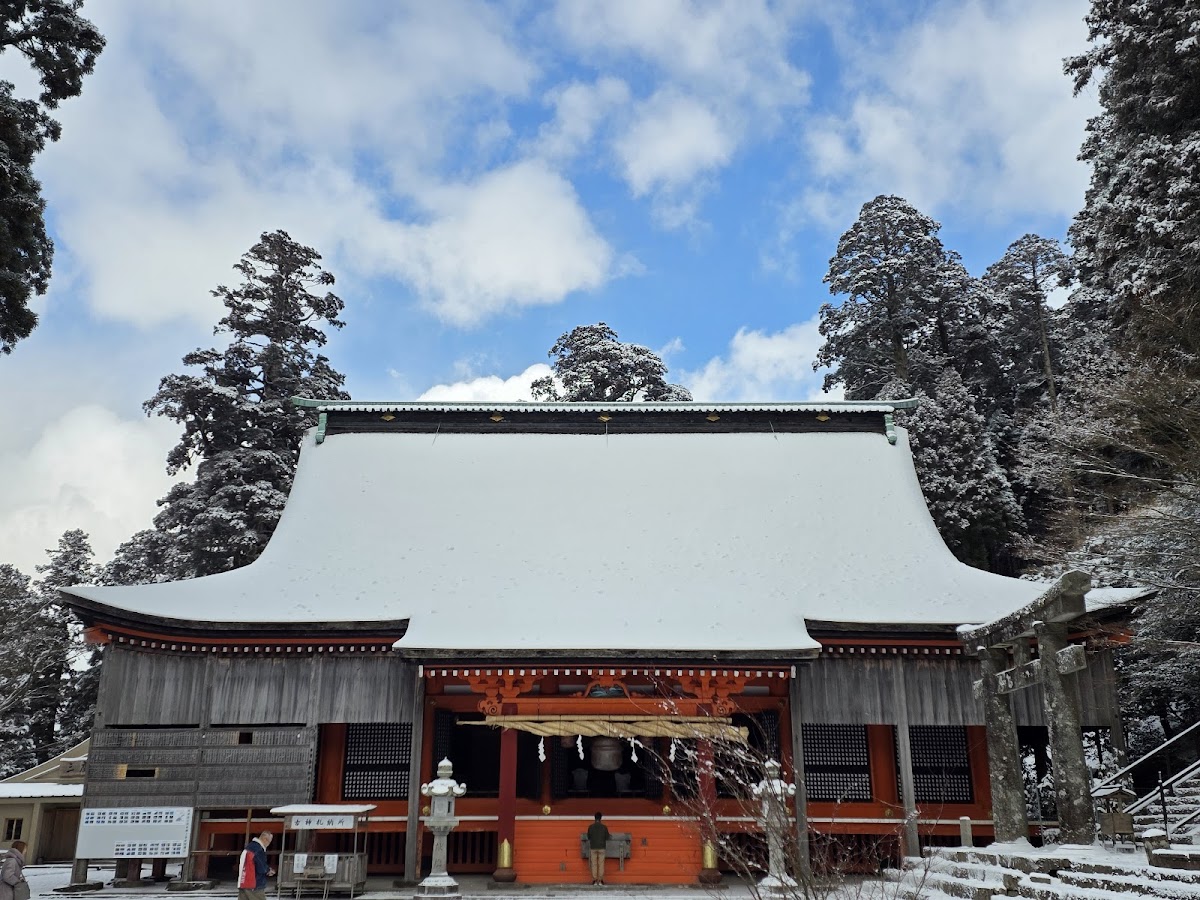
- Worship Hall: The building where worshippers pay their respects
- Offering Hall: The place where offerings to the gods are prepared
- Shrine Office: The building where the shrine’s administrative affairs are conducted
- Warehouse: A facility for storing ritual implements and other items
These shrine buildings are constructed according to traditional shrine architectural styles, allowing visitors to appreciate the beauty of wooden architecture.
Torii Gate and Approach
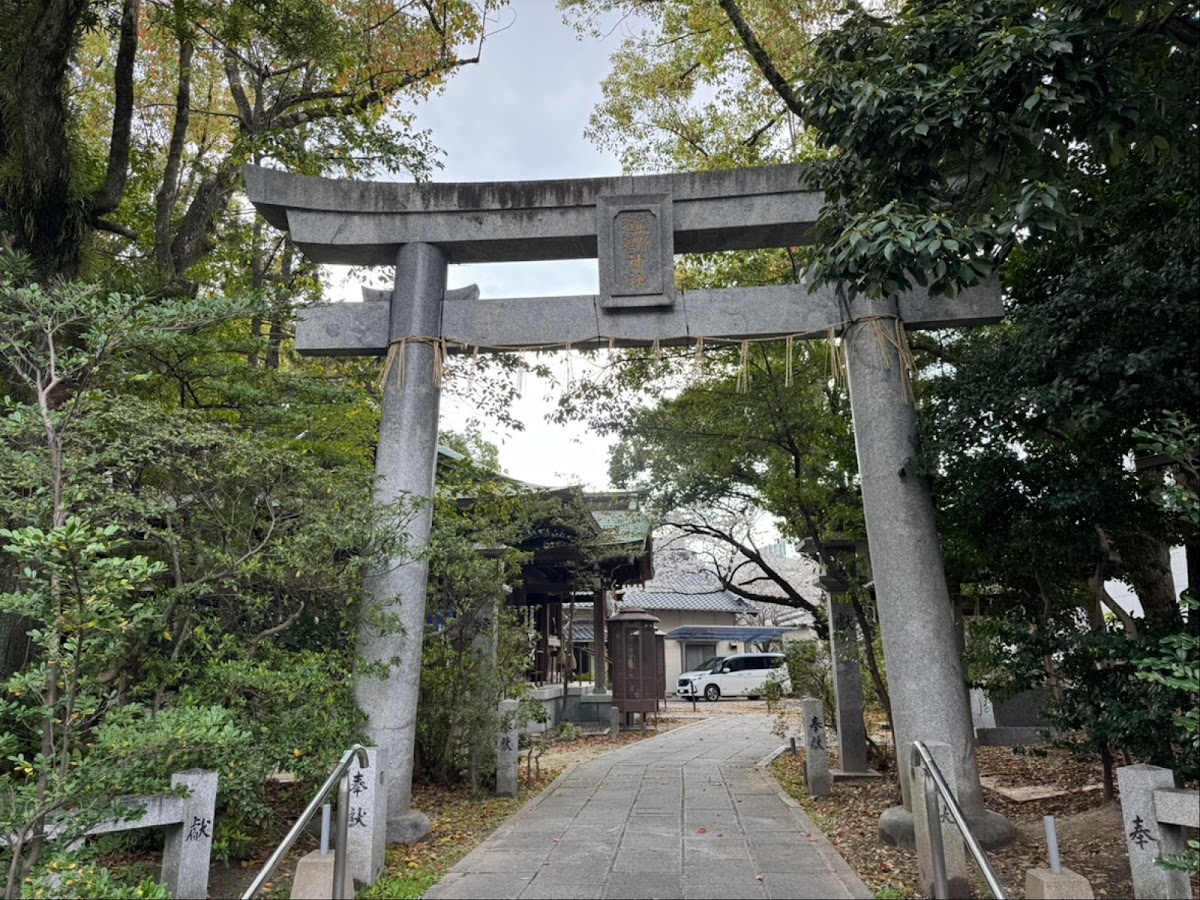
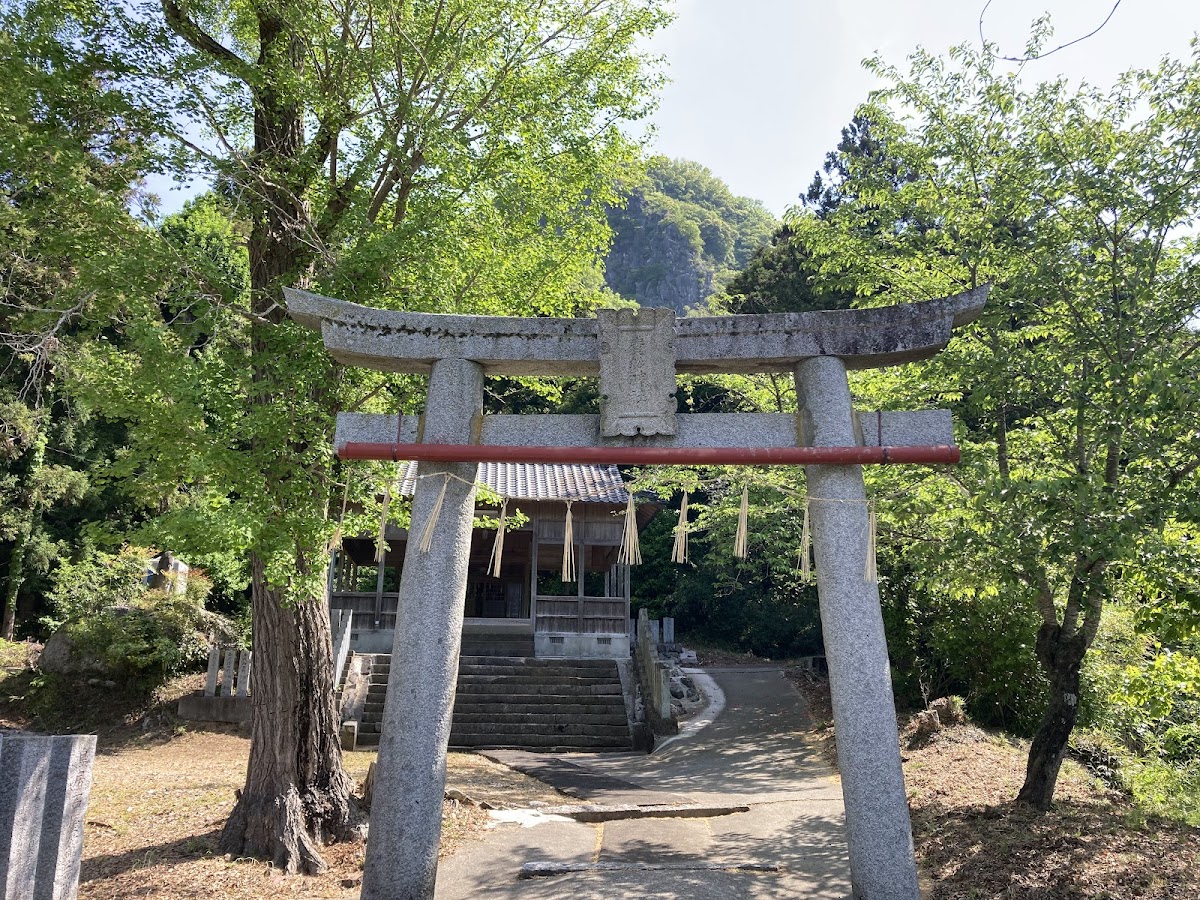
A torii gate stands at the entrance to the shrine, and a path leads from there to the main hall. It is proper etiquette to bow when passing through the torii gate and to avoid walking in the center of the path.
Water Basin
A water basin is located along the approach, where you can purify your body and mind before praying. Please observe the correct etiquette for watering your hands before praying.
Guardian Dogs (Komainu)
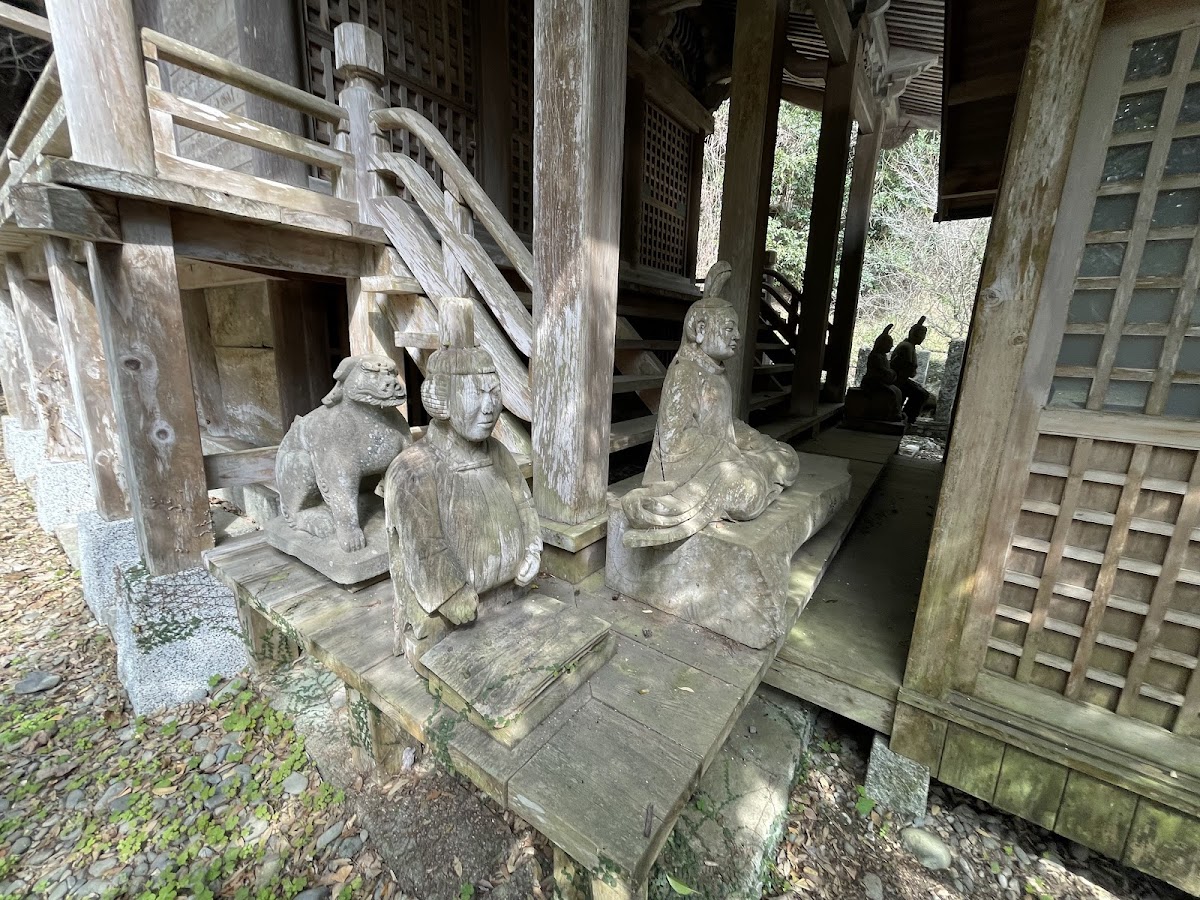
A pair of guardian dogs (komainu) are placed within the shrine grounds, protecting the sacred area. Paying attention to their expressions and forms will enhance your enjoyment of visiting the shrine.
Atmosphere of the Shrine Grounds
The shrine grounds are enveloped in a tranquil atmosphere, allowing you to escape the hustle and bustle of the city and find peace of mind. The environment is perfect for a leisurely visit, while appreciating the changing seasons.
How to Visit a Shrine and Etiquette
Basic Shrine Visit Etiquette
Knowing the correct way to visit a shrine will make your visit more fulfilling.
- Passing through the Torii Gate: Bow before passing through the gate.
- Purifying at the Water Basin: Purify your left hand, right hand, and mouth in that order.
- Walking the Path: The center is the path for the gods, so walk along the sides.
- In Front of the Main Hall: Straighten your posture and quietly place your offering.
- Two Bows, Two Claps, One Bow: Bow deeply twice, clap twice, and bow deeply once.
- When Leaving: Turn around and bow once after leaving the Torii Gate.
Principles of Prayer
When praying to the gods, it is important to remember to be grateful. Before making your request, express gratitude for your daily safety, and then silently state your specific wish.
Goshuin (Shrine Seal) Information
Regarding the Issuance of Goshuin
Sugawara Shrine may issue goshuin, but there may not always be a resident priest. Those wishing to receive a goshuin are advised to check with the Kawara Town Tourism Association or nearby shrines in advance.
Sugawara Shrines and Tenmangu shrines in Fukuoka Prefecture each offer uniquely designed goshuin, making them popular souvenirs for shrine visits. Bringing your goshuincho (seal book) will make your visit even more memorable.
Manners When Receiving a Goshuin
- Receive the goshuin after completing your prayers.
- Prepare your goshuincho in advance.
- Prepare the offering fee (usually 300-500 yen).
- Remember to express your gratitude to the priest.
- Cherish it as a token of faith, not just a stamp rally.
Annual Events and Festivals
Main Annual Events
Sugawara Shrine holds various festivals throughout the year. New Year’s Visit (January 1st-3rd)
The shrine is bustling with worshippers praying for safety and prosperity in the new year.
Setsubun Festival (around February 3rd)
Bean-throwing ceremonies are held to ward off evil and invite good fortune.
Tenjin Festival (25th of the 6th month of the lunar calendar or the same time in the Gregorian calendar)
An important festival coinciding with the anniversary of the death of Sugawara no Michizane.
Autumn Grand Festival (Autumn)
A festival praying for a bountiful harvest and the prosperity of the region.
Shichi-Go-San (around November 15th)
A festival praying for the healthy growth of children.
Visits during Exam Season
During the exam season from January to March, many students and their parents visit the shrine to pray for success in their exams to Sugawara no Michizane, the god of learning. It is common to see people writing their desired schools and goals on ema (votive tablets) and offering them to the shrine.
History and Culture of Kawara Town
Overview of Kawara Town
Kawara Town is a small municipality with a population of approximately 10,000, located in Tagawa District in the northeastern part of Fukuoka Prefecture. Known as a copper producing area since ancient times, it has played an important role in Japanese history.
History of Mount Kawara and Copper
Mount Kawara, the symbol of Kawara Town, is a mountain consisting of three peaks, and copper mining has been carried out there since ancient times. The *Shoku Nihongi* (Continued Chronicles of Japan) records that copper was presented to the imperial court from Kawara during the Nara period, and it is believed that copper from Kawara was used in the casting of the Great Buddha of Todai-ji Temple.
Currently, limestone mining continues on Mount Kawara, and the cement industry supports the local economy.
Cultural Properties and Historic Sites
Besides Sugawara Shrine, Kawara Town has the following historical shrines, temples, and historical sites:
- Kawara Shrine: A prestigious shrine with a history dating back to ancient times.
- Copper Mining Site: A historical site with traces of ancient copper mining.
- Ancient Burial Mounds: Scattered burial mounds believed to be the tombs of ancient powerful families.
Nearby Tourist Attractions
Points of Interest in Kawara Town
Kawara Shrine: An ancient shrine within walking distance of Sugawara Shrine, and a historical shrine that is the origin of the place name Kawara.
Around Saidosho Station: Around Saidosho Station on the JR Hitahikosan Line, there are historical sites where you can feel the history of former copper mining.
Kawara-dake: A mountain where you can enjoy climbing and hiking, and from the summit you can enjoy a panoramic view of the Chikuhō region.
Tourist Attractions in Tagawa District
Tagawa City Coal and History Museum
This museum allows you to learn about the history of the Chikuhō coalfield and gain detailed knowledge about the coal industry that supported Japan’s modernization.
Mt. Hiko
Known as a sacred site for Shugendō (mountain asceticism), Mt. Hiko is located in Soeda Town and offers a chance to enjoy rich nature and historical buildings.
Michi-no-Eki Itoda
This roadside station in Itoda Town allows you to purchase fresh local agricultural products and specialty goods.
Sugawara Shrines and Tenmangu Shrines in Kitakyushu City
Northern Fukuoka Prefecture has several Sugawara Shrines and Tenmangu Shrines, making it a great place for shrine hopping:
- Sugawara Shrine (Kokurakita Ward, Kitakyushu City): Kokura’s Tenjin shrine with a 1100-year history
- Sugawara Shrine (Tobata Ward, Kitakyushu City): Also known as Tenraiji Tenmangu Shrine
- Kaneda Sugawara Shrine (Fukuchi Town, Tagawa District): Another Sugawara Shrine in Tagawa District
Points to Note When Visiting
Regarding Attire
While there are no specific dress code requirements for visiting shrines, it’s important to dress respectfully and modestly, keeping in mind that you are standing before a deity. Especially when formally visiting or receiving prayers, jeans and sandals should be avoided, and formal attire is preferable.
Photography Etiquette
Photography is generally permitted on the shrine grounds, but please observe the following points:
- Refrain from taking photos inside the main hall.
- Be considerate of other worshippers and avoid including them in your photos.
- Avoid using flash photography.
- Do not take photos in areas where photography is prohibited.
- Remember to show respect to the shrine when posting on social media.
Choosing the Right Time to Visit
For those who want to worship in peace:
Weekday mornings are recommended. There are fewer people, allowing for a calm and peaceful visit.
For those who want to experience festivals:
Check the schedule of annual events before visiting to experience the shrine’s traditional festivals.
For those who want to enjoy nature:
Visiting during seasons when you can feel the changing seasons, such as cherry blossoms in spring or autumn leaves in fall, is recommended.
Sugawara Shrine and the Local Community
As the Local Guardian Deity
For the residents of Kawara Town, Sugawara Shrine is not merely a tourist spot, but a place of worship deeply integrated into their lives. Through local festivals and events, intergenerational community bonds are nurtured.
Education and Faith
Sugawara Shrine, dedicated to the god of learning, has contributed to the promotion of education in the region. During exam season, local school officials and parents visit the shrine to pray for their children’s academic success.
Inheritance of Tradition
In regional cities facing declining birth rates and an aging population, shrines play a crucial role in preserving traditional culture. Through festivals and annual events, the history and culture of the region are passed down to younger generations.
Relationship with Sugawara Shrines and Tenmangu Shrines Nationwide
Tenjin Faith Network
There are approximately 12,000 Tenmangu, Tenjin Shrines, and Sugawara Shrines throughout Japan, all dedicated to Sugawara no Michizane. Dazaifu Tenmangu Shrine in Dazaifu City, Fukuoka Prefecture, is known as the head shrine and, along with Kitano Tenmangu Shrine in Kyoto, is one of the two major sacred sites of Tenjin faith.
The Sugawara Shrine in Kawara Town also supports local faith as part of this nationwide network of Tenjin worship.
Characteristics of Sugawara Shrines in Various Regions
Each Sugawara Shrine throughout Japan has its own unique characteristics, reflecting the history and culture of its region. The Sugawara Shrine in Kawara Town, as a place of worship linked to the region’s historical background as a copper-producing area, possesses a unique character that sets it apart from other Sugawara Shrines.
Things to Enjoy After Your Visit
Local Cuisine
Kawara Town and the Tagawa region offer unique Chikuhō cuisine:
Hormone Hot Pot
The Tagawa region is one of the leading hot pot spots in Fukuoka Prefecture. You can enjoy hot pot dishes made with fresh offal.
Chikuhō Ramen
Chikuhō ramen, with its uniquely rich pork bone broth, is a beloved local dish.
Local Agricultural Products
Fresh vegetables and fruits are produced around Kawara Town and can be purchased at direct sales outlets.
Choosing Souvenirs
As a memento of your shrine visit, or as a gift for someone special, the following are recommended:
- Amulets and votive tablets (given at the shrine)
- Local specialties (purchased at roadside stations, etc.)
- Famous sweets from the Chikuhō region
- Books introducing the history of Kawara Town
Model Course for Visiting Sugawara Shrine
Half-Day Course (3-4 hours)
- Arrive at JR Kawara Station (9:00)
- Visit Sugawara Shrine (9:15-10:00)
- Visit Kawara Shrine (10:15-11:00)
- Lunch at a local restaurant (11:30-12:30)
- Stroll around Kawara Town (12:45-13:30)
Full-Day Course (7-8 hours)
- Arrive at JR Kawara Station (9:00)
- Visit to Sugawara Shrine (9:15-10:00)
- Visit to Kawara Shrine (10:15-11:00)
- Visit to the Copper Mine Ruins (11:15-12:00)
- Lunch at a Local Restaurant (12:15-13:15)
- Tagawa City Coal and History Museum (14:00-16:00)
- Purchase Souvenirs at a Roadside Station (16:30-17:00)
Summary: The Charm of Sugawara Shrine
Sugawara Shrine in Kawara-machi, Tagawa-gun, Fukuoka Prefecture, is a historical shrine dedicated to Sugawara no Michizane, the god of learning. While not a large shrine, its meticulously maintained grounds and deeply rooted local faith offer visitors a tranquil experience.
Sugawara Shrine, deeply intertwined with the historical background of Kawara Town, which flourished as a copper producing area since ancient times, plays a vital role as a regional cultural heritage site and a place of worship. It will undoubtedly continue to be cherished by the community as a gathering place for people praying for success in exams and academic achievement, residents participating in local traditional events, and those seeking a quiet time for worship.
When visiting Kawara Town, be sure to stop by Sugawara Shrine to offer prayers to the god of learning and experience the rich history and culture of this region. A peaceful visit will allow you to escape the hustle and bustle of everyday life and enjoy a precious moment of respite.
Frequently Asked Questions (FAQ)
Q1: Can I get a Goshuin (shrine stamp) at Sugawara Shrine?
A1: Regarding the issuance of Goshuin at Sugawara Shrine, there may not always be a resident priest, so we recommend checking with the Kawara Town Tourism Association or nearby shrines in advance. Prior inquiry is crucial if you want to be sure to receive a Goshuin.
Q2: Is there parking available?
A2: There is parking space for visitors on the shrine grounds, but it is limited. During busy periods such as New Year’s Day, it may become full, so we recommend using public transportation. It is approximately a 15-minute walk from JR Kawara Station.
Q3: What is the best time to visit the shrine?
A3: The shrine is generally open for worship at any time during the day, but for those who wish to worship in peace, weekday mornings are recommended. During festivals and annual events, you can experience a special atmosphere, so it’s a good idea to check the event schedule beforehand.
Q4: Are Sugawara Shrine and Kawara Shrine the same shrine?
A4: No, Sugawara Shrine and Kawara Shrine are separate shrines. Both are located within Kawara town and are within walking distance, but they enshrine different deities. If you have the time, we recommend visiting both.
Q5: When is the best time to visit to pray for success in exams?
A5: While you can pray for success in exams any time of year, many students visit during exam season (January to March) or a few months before the exams. Some also visit in April, the start of the new school year, to pray for academic success. It’s important to visit at a time that is convenient for you and offer your prayers with sincerity.
Q6: Can I visit Kawara Town in conjunction with other tourist spots?
A6: Yes, Kawara Town has historical sites such as Kawara Shrine and the ruins of the copper mine, and you can visit multiple spots in half a day to a full day. You can also combine your visit with tourist spots in the neighboring cities of Tagawa and Soeda to create a travel plan that allows you to fully enjoy the history and culture of the Chikuhō region.
Q7: What is the correct way to pray at a shrine?
A7: The basic way to worship is as follows: ① Bow before passing through the torii gate, ② Cleanse your left hand, right hand, and mouth at the water basin, ③ Walk along the edge of the path, ④ Place your offering in front of the main hall, ⑤ Bow twice, clap twice, and bow once, ⑥ Bow once at the torii gate when leaving. The most important thing is to worship with sincerity and care.