Kifune Shrine (Kawara, Tagawa District, Fukuoka Prefecture) Complete Guide | Thorough Explanation of Deities, Goshuin (Shrine Seals), Access, and History
Kifune Shrine, located in Kawara, Tagawa District, Fukuoka Prefecture, is a historical shrine with deep ties to Empress Jingu. As one of approximately 450 Kifune Shrines nationwide, it has long been a center of local faith. This article provides a detailed explanation of the shrine’s deities, history, goshuin information, access methods, and highlights—all essential information to know before visiting.
Basic Information on Kifune Shrine (Kawara-machi, Kawara)
Shrine Overview
Location: Kawara, Kawara-machi, Tagawa-gun, Fukuoka Prefecture (Nakatsuhara area)
Deities Enshrined:
- Takaokami-no-kami
- Kuraokami-no-kami
Kifune Shrine is known as a shrine dedicated to the gods of water, and enshrines two water deities: Takaokami-no-kami and Kuraokami-no-kami. These deities are historically significant gods who appear in the Kojiki and Nihon Shoki, and are believed to preside over rainmaking, the protection of water sources, and agricultural prosperity.
Shrine Features
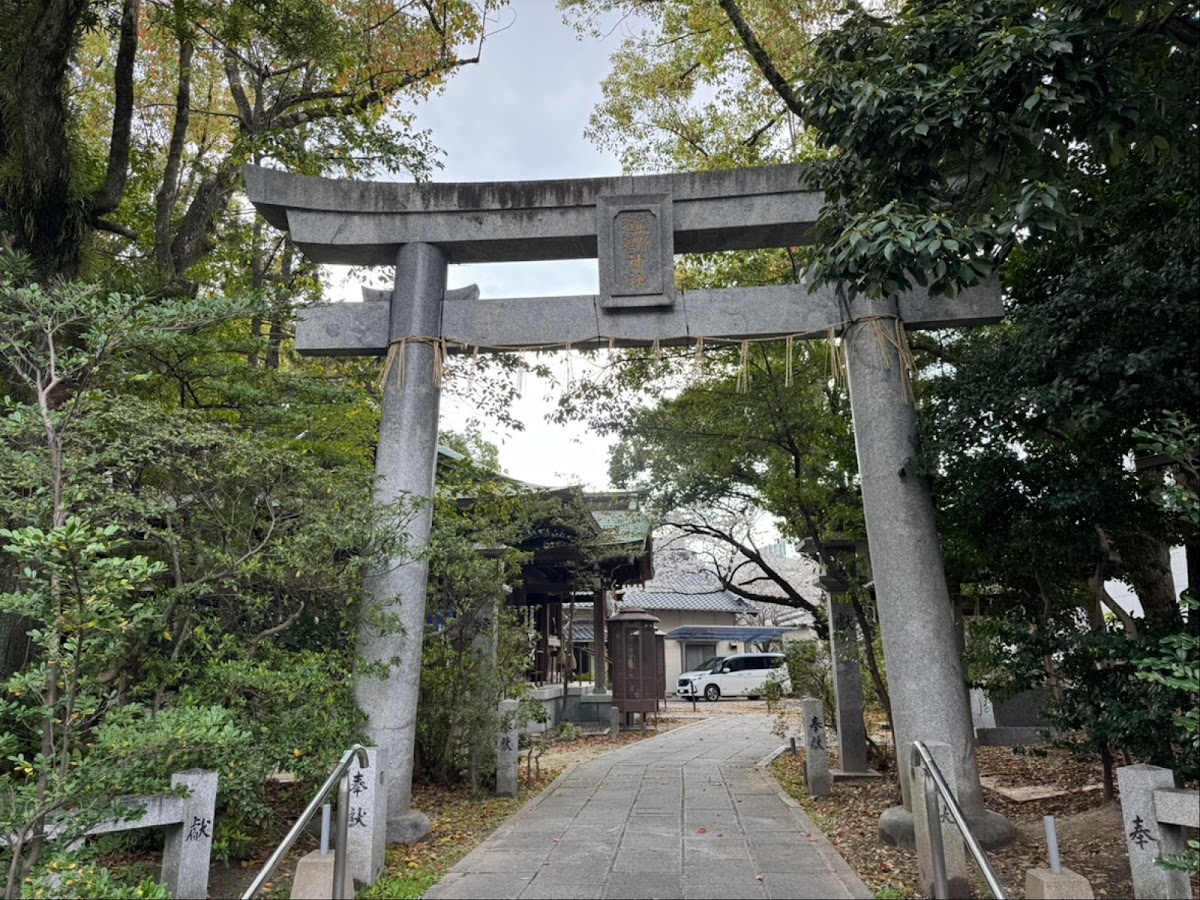
Kifune Shrine in Kawara-machi, Kawara, possesses traditional shrine architecture with a main hall and offering hall. Behind the main hall is a distinctive structure, retaining historical elements that indicate its connection to Empress Jingu. As a valuable center of Kifune worship within Fukuoka Prefecture, it has attracted the fervent faith of local residents.
History and Origins of Kifune Shrine
Connection to Empress Jingu
Kifune Shrine in Kawara, Kawara-cho, is known for its deep connection to Empress Jingu. Empress Jingu is said to have traveled throughout Kyushu during her conquest of the Three Kingdoms of Korea, and many legends remain in this region.
While the exact founding date of Kifune Shrine is unclear, there is a legend that Empress Jingu prayed to the water god when she visited the area, and this is believed to be the origin of the shrine’s founding. Since ancient times, securing water sources has been essential for agriculture and daily life, and the Kifune faith, which worships the water god, held extremely important significance for the local people.
Historical Background of the Kawara Region
Kawara-cho has flourished since ancient times as a place of worship centered around “Kawara-dake” (Kawara Mountain). In particular, Kawara Shrine is a highly prestigious ancient shrine listed as a Myojin Taisha (a major shrine) in the Engishiki Jinmyocho (a list of shrines compiled in the Heian period), and it enshrines deities on each of the three peaks of Kawara-dake.
Kifune Shrine, as one of the shrines in the Kawara region, has played an important role in the local belief system. In particular, the worship of the water deity was cherished as a belief directly connected to daily life in the Kawara region, where mining and agriculture flourished.
The Spread of Kifune Faith
The head shrine of the approximately 450 Kifune shrines nationwide is the Kifune Shrine in Sakyo-ku, Kyoto City. Interestingly, however, the oldest recorded place name “Kifune” is said to originate in Kifune, Itoda-machi, Fukuoka Prefecture. This speaks to the ancient nature of Kifune faith in the Kyushu region.
Kifune Shrine in Kawara-machi, Kawara, has also carved out a long history as one of the shrines that inherited this tradition of Kifune faith in Kyushu.
More About the Enshrined Deity
Takaokami-no-kami
Takaokami-no-kami is a water deity and dragon deity appearing in Japanese mythology. “Taka” refers to a high place in the mountains, and “Okami” means dragon god. This deity is considered to govern the water sources in the mountains and the water in the valleys.
In the Kojiki (Records of Ancient Matters), Takaokami is described as one of the gods born when Izanagi-no-Mikoto slew Kagutsuchi-no-Kami, the god of fire. This deity is believed to have miraculous powers for securing agricultural water, praying for rain, and flood control, and has been worshipped since ancient times.
Kuraokami-no-Kami
Like Takaokami-no-Kami, Kuraokami-no-Kami is also known as a water god and dragon god. “Kura” means a dark place in the valley, and this deity is considered to govern the water flowing at the bottom of the valley and groundwater.
Takaokami-no-Kami and Kuraokami-no-Kami are often worshipped together and have been revered as gods who protect the entire water cycle from mountains to valleys. At Kifune Shrine in Kawara-cho, Kawara, the worship of these two deities reflects a belief in their protection of the entire region’s water source.
Highlights of the Shrine Grounds
Main Hall and Offering Hall
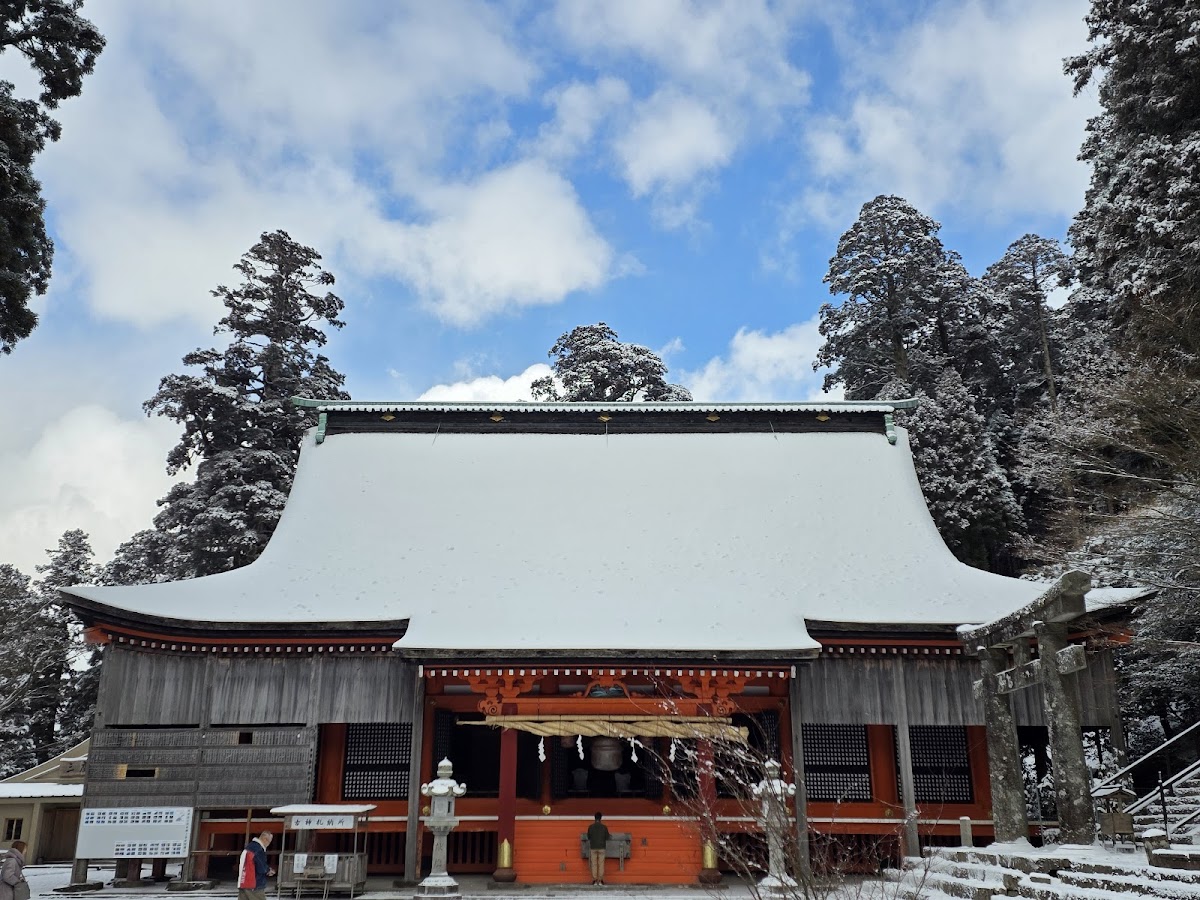
The main hall of Kifune Shrine maintains a traditional shrine architectural style. To the left of the main hall is the offering hall, an important space where Shinto rituals are performed.
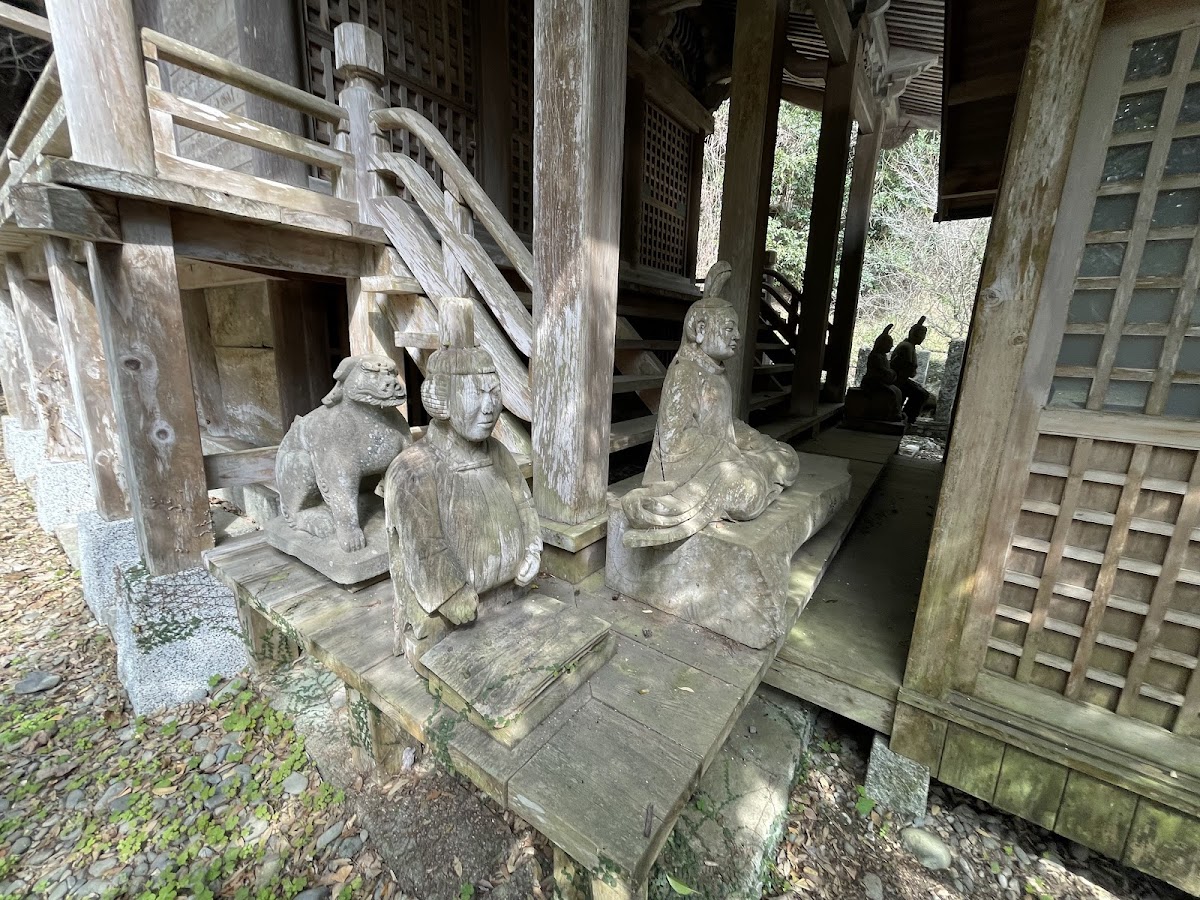
Behind the main hall is a distinctive structure, believed to be a historical element indicating a connection to Empress Jingu. The meticulously crafted architecture speaks to the deep faith of the local people.
Atmosphere of the Shrine Grounds
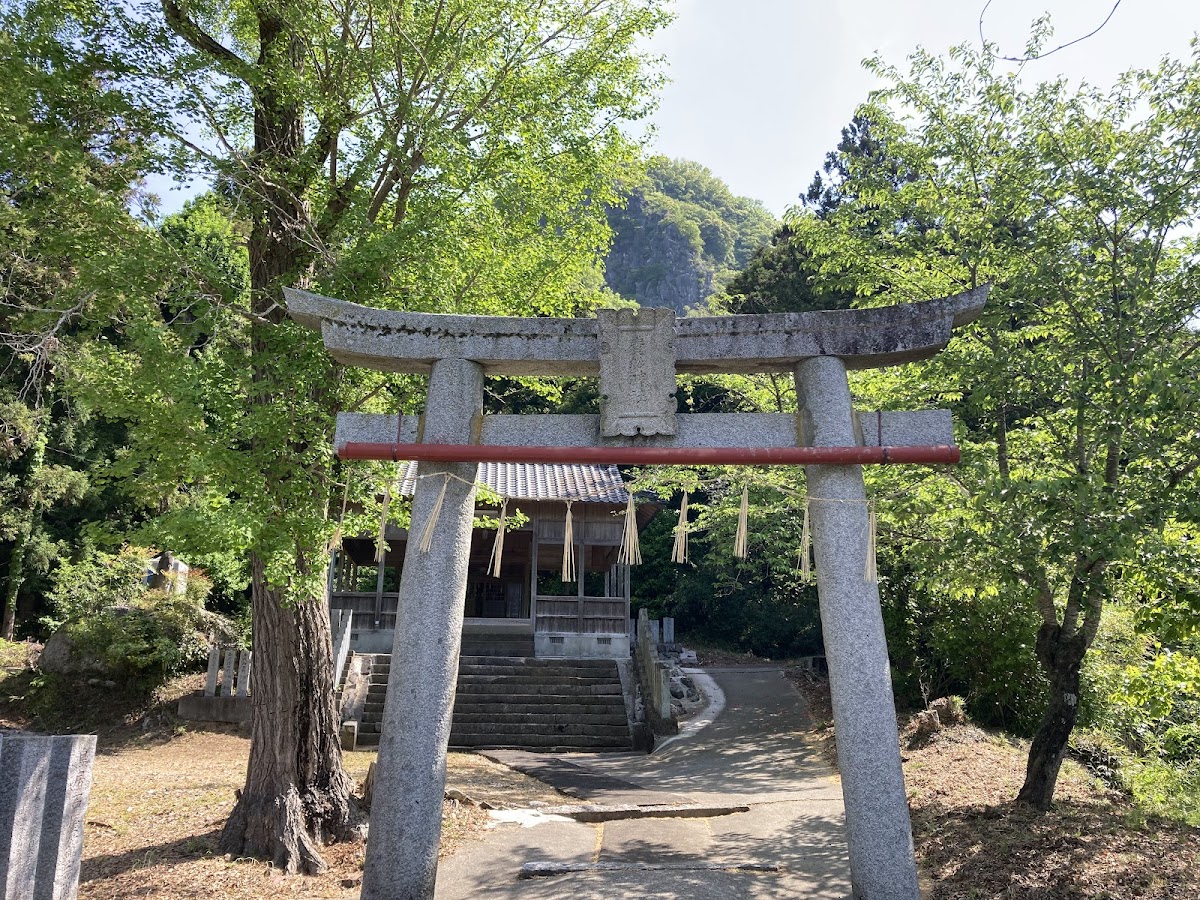
Located in the Nakatsuhara district of Kawara-cho, the grounds of Kifune Shrine are enveloped in a tranquil atmosphere. The space, harmoniously integrated with the surrounding nature, offers peace of mind to visitors.
As befits a shrine dedicated to water deities, the grounds, filled with pure air, have been a spiritual haven for the local people since ancient times. The changing scenery of the grounds throughout the seasons is also one of the pleasures of visiting.
Goshuin (Shrine Seal) Information
Regarding the Issuance of Goshuin
We recommend checking in advance regarding the issuance of Goshuin at Kifune Shrine (Kawara-cho, Kawara). As it is a small shrine, there may not be a permanently staffed shrine office.
If you wish to receive a Goshuin, you may be able to obtain appropriate information by contacting local residents, nearby shrines, or the Kawara Town Tourism Association.
Etiquette for Visiting Shrines
Goshuin are received as proof of your visit. First, offer your prayers with sincerity and gratitude to the deities before receiving your Goshuin.
Access Methods
Access by Public Transportation
Nearest Station: JR Hitahikosan Line “Kawara Station”
From Kawara Station, Kifune Shrine can be accessed on foot or by taxi. It is located in the Nakatsuhara area, so it is a short distance from the station. For those unfamiliar with the area, taking a taxi is recommended.
Access by Car
Expressway:
- Approximately 30 minutes from the Kyushu Expressway “Kokura-Higashi IC”
- Approximately 25 minutes from the Higashi-Kyushu Expressway “Yukuhashi IC”
Access from northern Fukuoka Prefecture is relatively good. When using a car navigation system, searching for “Kawara-machi, Tagawa-gun, Fukuoka Prefecture” or “Nakatsuhara, Kawara-machi” will display the appropriate route.
Parking
Due to the size of the shrine, there may not be a dedicated large parking lot. When visiting, please park in an appropriate location in the surrounding area or be considerate of local residents.
Other Attractions in Kawara-machi
Kawara Shrine
When visiting Kifune Shrine, we highly recommend also visiting Kawara Shrine. Kawara Shrine is a prestigious ancient shrine listed as a Myojin Taisha (a major shrine) in the Engishiki Jinmyocho (a list of shrines compiled in the Heian period). In 709 AD, the deities of the three peaks of Mount Kawara were enshrined there.
The enshrined deities are Karakuni Okinaga Ohime Ome no Mikoto, Oshihone no Mikoto, and Toyohime no Mikoto, the gods worshipped at the summits of the three peaks of Mount Kawara. It boasts a long history as the center of worship in the ancient Kawara region.
Mount Kawara
Mount Kawara, a symbol of Kawara Town, is a mountain consisting of three peaks: Ichinodake, Ninodake, and Sanodake. It has been revered as a sacred mountain since ancient times and has been an object of mountain worship.
Although the shape of Ichinodake has changed significantly due to limestone mining, it remains a beloved landmark in the region. The majestic appearance of Mount Kawara welcomes visitors to Kawara Town.
Saidōsho District
The place name “Saidōsho” (meaning “copper mining district”) exists in Kawara Town, indicating that copper mining was carried out there since ancient times. There is a legend that copper from this region was used in the casting of the Great Buddha of Nara, making it an important mining area in ancient Japan.
This historical background is deeply intertwined with the Shinto shrine worship in the Kawara region.
Points to Note When Visiting a Shrine
Etiquette for Visiting a Shrine
- Bow Before Passing Through the Torii Gate: Before entering the sacred area, bow before the torii gate.
- Purify at the Water Basin: If there is a water basin, purify your hands and mouth.
- Walk Along the Edge of the Path: The center of the path is considered the path of the gods, so walk along the edge.
- Worship at the Main Hall: Two bows, two claps, and one bow is the basic procedure.
- Quietly Exit: After worshipping, turn back at the torii gate and bow.
Recommended Time to Visit
Kifune Shrine, which enshrines the water god, is especially recommended to visit during the following times:
- Spring (March-May): The fresh greenery is beautiful, and it is a time to pray for a bountiful harvest.
- Summer (June-August): A traditional time to express gratitude to the water god and pray for rain.
- Autumn (September-November): A time to offer thanks for the harvest
- Winter (December-February): A time to visit the shrine in tranquility and peace of mind
Attire for Visiting the Shrine
While special formal attire is not required, shrines are sacred places, so please dress cleanly and appropriately. It is advisable to avoid revealing or overly casual clothing.
Benefits of Kifune Shrine
Benefits Related to Water
The main benefits of Kifune Shrine, which enshrines the water god, are related to water:
- Rainmaking and Weather Control: Receiving the rain necessary for agriculture and daily life
- Protection from Water-Related Disasters: Being protected from water-related disasters
- Protection of Water Sources: Maintaining the blessing of pure water
Other Benefits
Since the water god presides over water, the source of life, the following benefits are also believed to be offered:
- Matchmaking: Just as water binds all things together, good relationships are formed
- Fulfillment of Wishes: Wishes are purified and fulfilled like pure water
- Business Prosperity: Businesses progress smoothly like the flow of water
Connection with the Community
Center of Local Faith
Kifune Shrine has long been the center of faith for the people of Nakatsuhara district in Kawara Town. It plays an important role in local festivals and annual events, and serves as a spiritual anchor for the residents. ### Gratitude for Water
From the era of thriving agriculture to the present day, water has been indispensable to life. Visiting Kifune Shrine provides an opportunity to renew your gratitude for the water we use every day.
Nearby Tourist Attractions
Highlights of the Tagawa Region
Kawara Town belongs to Tagawa District, and the following tourist attractions are located nearby:
- Tagawa City Coal and History Museum: A facility where you can learn about the history of the Chikuhō coalfield
- Fūji Hachimangu Shrine: A shrine famous for the Kawawatari Shinkōsai (river crossing procession)
- Hikosan: A sacred site of mountain worship known as a sacred place for Shugendō (mountain asceticism)
Gourmet Information
The Tagawa region has developed a unique food culture due to its history of coal mining. You can enjoy local cuisine such as hormone hot pot and ramen. After visiting the shrine, it is recommended to experience the local food culture.
Points to Note When Visiting Kifune Shrine
Importance of Prior Confirmation
Kifune Shrine (Kawara-machi, Kawara) is a small shrine, so we recommend checking the following points before visiting:
- Shrine opening hours (whether it is always open)
- Whether and how to obtain a Goshuin (shrine stamp)
- Availability and location of parking
- Special dates such as annual festivals
Consideration for the Community
The shrine is located within the living space of local residents. When visiting the shrine, please observe the following:
- Refrain from loud conversations
- Do not trespass on private property
- Always take your trash with you
- Take photographs responsibly
Seasonal Preparations
- Summer: Remember to stay hydrated to prevent heatstroke
- Winter: Dress warmly
- Rainy Season: Be careful as the ground may be slippery
Summary: The Charm of Kifune Shrine (Kawara-machi, Kawara)
Kifune Shrine, located in Kawara-machi, Tagawa-gun, Fukuoka Prefecture, is a historical shrine with ties to Empress Jingu. It enshrines the water deities Takaokami-no-kami and Kuraokami-no-kami, and has been a center of local faith since ancient times.
As one of approximately 450 Kifune Shrines nationwide, and as a shrine that carries on the tradition of Kifune worship in Kyushu, it is a valuable presence. Nestled amidst the rich natural beauty of Kawara Town, overlooking Mount Kawara, Kifune Shrine stands quietly, reminding us modern people of gratitude for water and reverence for nature.
When visiting Kawara Town, be sure to also visit Kifune Shrine and experience the serene atmosphere of this shrine steeped in long history. It will be a precious time to escape the hustle and bustle of everyday life and cleanse your soul.
Visiting Kawara Shrine and surrounding historical and cultural spots such as Mount Kawara will allow you to gain a deeper understanding of the rich history and world of faith in the Kawara region. As a hidden gem in northern Fukuoka Prefecture, Kifune Shrine is a shrine well worth visiting.