Takagi Shrine (Tsuno, Soeda-machi, Tagawa-gun, Fukuoka Prefecture): A Thorough Explanation of a Local Shrine Near the Aburagi Dam
Takagi Shrine, located in Tsuno, Soeda-machi, Tagawa-gun, Fukuoka Prefecture, is a historic shrine situated near the Aburagi Dam. It is the only Takagi Shrine in Fukuoka Prefecture to be classified as a local shrine, and is known for its many attractions, including its distinctive guardian lion-dogs and shrine architecture built by the Ogasawara clan.
Basic Information and Location of Takagi Shrine
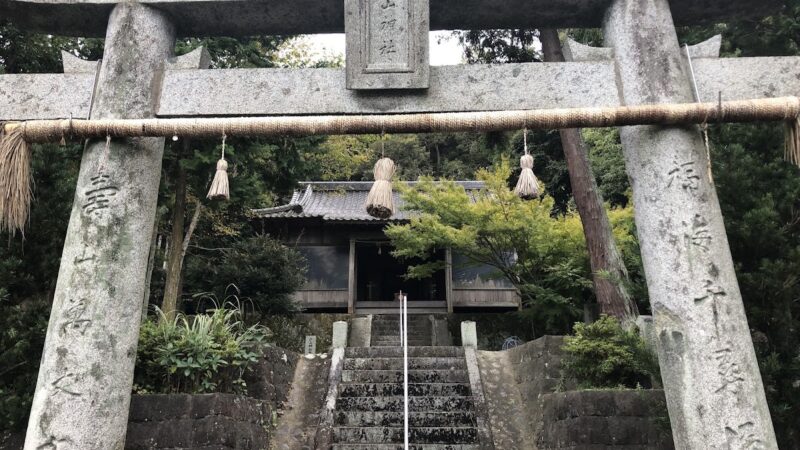
Takagi Shrine is located in the Tsuno area of Soeda-machi, Tagawa-gun, Fukuoka Prefecture. Its distinctive location next to the Aburagi Dam means the shrine has a history of being forced to relocate due to the dam’s construction. The current shrine grounds were selected after the dam’s construction, and the shrine building is located at the top of a long stone staircase.
Access and Geographical Features
The Tsuno area of Soeda-machi is located in the mountainous region of Tagawa-gun, blessed with a rich natural environment. The shrine is easily accessible by car, using the Aburagi Dam as a landmark. From the entrance to the shrine grounds, there are a considerable number of stone steps, requiring a moderate level of physical fitness for a visit. These long steps are one of the distinctive features of Takagi Shrine, and at the top lies a tranquil shrine grounds.
Origin and History of Takagi Shrine
The exact founding date of Takagi Shrine is largely unknown, and accurate records are lacking due to the loss of ancient documents. However, considering its status as a local shrine, it is presumed to have been revered as a central shrine in the region since before the Edo period.
Construction of the Aburagi Dam and the Shrine’s Relocation
An essential part of understanding the history of Takagi Shrine is the relocation due to the construction of the Aburagi Dam. The dam construction project during the Showa era submerged the original location of the shrine, forcing its relocation to its current site. This relocation was a major event for the region and impacted the history of the settlement centered around the shrine.
Even after the relocation, the faith of the local residents remained unchanged, and the shrine continues to be carefully preserved as the guardian shrine of the Tsuno district. Takagi Shrine possesses unique historical value as a place where the symbol of modernization—a dam—and ancient beliefs coexist.
Significance of the Local Shrine Rank
While there are several Takagi Shrines in Fukuoka Prefecture, only the one in Tsuno, Soeda Town, is ranked as a local shrine. While the Takagi Shrine in Onoya, Kama City, is a prefectural shrine, the Takagi Shrine in Tsuno held an important position in the region as a local shrine.
A local shrine was a rank given to shrines revered as the guardian shrine of a county or several towns and villages under the modern shrine ranking system of the Meiji era. This ranking indicates that Takagi Shrine was not merely a village shrine, but a shrine that attracted faith from a wider area.
Deities and Mythological Background
The deities enshrined at Takagi Shrine are five in number: Kotoshironushi-no-Mikoto, Toyotamahiko-no-Mikoto, Takagi-no-Okami (Takamimusubi-no-Kami), Kajihata-Chijihime-no-Mikoto, and Mihotsuhime-no-Mikoto. These deities play important roles in Japanese mythology, and each holds profound meaning.
Explanation of the Main Deities
Kotoshironushi-no-Mikoto is the son of Ōkuninushi-no-Mikoto and is widely worshipped as Ebisu. Known as the god of business prosperity and fishing, he played a crucial role in the myth of the transfer of the land.
Toyotamahiko-no-Mikoto is known as the god of the sea (Watatsumi) and is the father of Toyotama-hime. He is revered as the god of the blessings of the sea and water, and his location near the dam is also relevant.
Takagi-no-Ōkami (Takamimusubi-no-Kami) is another name for Takamimusubi-no-Kami, one of the three creation gods who appeared at the time of the creation of heaven and earth. He played a crucial role in the myth of the descent of the heavenly grandchild and is the deity from which Takagi Shrine gets its name. He is also known as the ancestral deity of many other gods, including Omoikane-no-Mikoto.
Kajihata Chijihime no Mikoto is the daughter of Takamimusubi no Kami and the consort of Amenoshihomimi no Mikoto. She is also worshipped as the goddess of weaving.
Mihotsuhime no Mikoto is the daughter of Takamimusubi no Kami and the consort of Kotoshironushi no Mikoto. She is revered as the goddess of abundant harvests and matchmaking.
Characteristics of the Deities Worshipped
Looking at the deities worshipped at Takagi Shrine, a clear awareness of the divine lineage centered around Takamimusubi no Kami is evident. Takamimusubi no Kami, the maternal ancestral deity of Kotoshironushi no Mikoto, and his daughters, Kajihata Chijihime no Mikoto and Mihotsuhime no Mikoto, are enshrined, and the lineage of gods, including Toyotamahiko no Mikoto, is concentrated in one shrine.
Interestingly, Amenoshihomimi no Mikoto is not included among the enshrined deities. This suggests a form of worship that emphasizes the maternal divine lineage centered on Kotoshironushi no Mikoto. This composition of enshrined deities may reflect the characteristics of the local faith.
Highlights of the Shrine Grounds
The grounds of Takagi Shrine have various features that catch the eye of visitors. The grounds, which unfold after climbing the long approach, are enveloped in a quiet and sacred atmosphere.
Distinctive Komainu (Guardian Dogs)
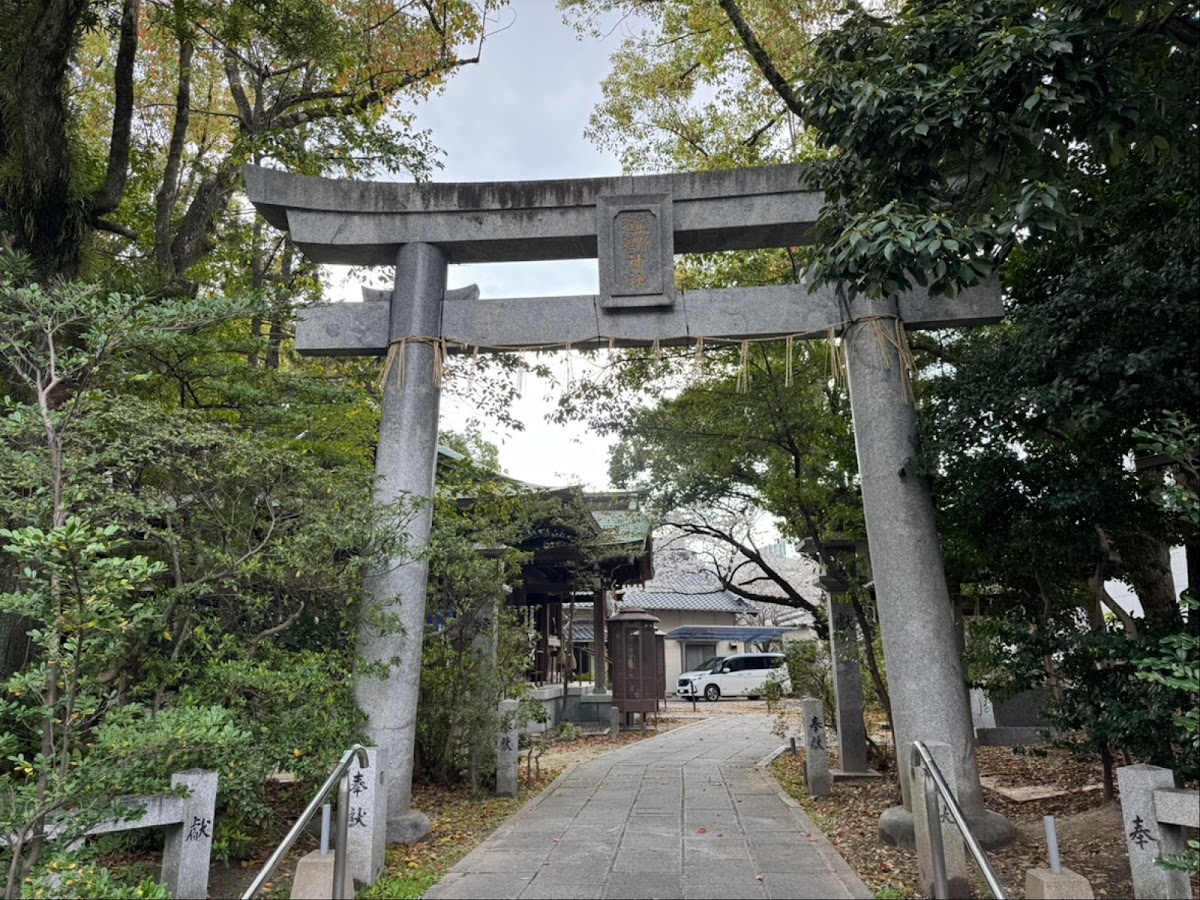
One of the most distinctive features of Takagi Shrine is its unique komainu. Near the first torii gate, there are “standing komainu,” a rare form that differs from the typical seated komainu.
Further noteworthy is the presence of “rabbit komainu.” While komainu are usually based on lions or dogs, Takagi Shrine houses statues based on rabbits. Rabbits have been worshipped as divine messengers since ancient times, and have been particularly revered in their association with the moon. These rabbit statues are important cultural assets that demonstrate the unique nature of Takagi Shrine’s faith.
The komainu near the first torii gate also have the distinctive feature of having their “A” and “Un” positions reversed, making them worth observing in detail. ### Characteristics of the Shrine Architecture
The worship hall of Takagi Shrine has a horizontal form, typical of shrines built by the Ogasawara clan. The Ogasawara clan ruled Buzen Province and was involved in the construction of many shrine buildings in the Tagawa and Keichiku regions.
The central part of the worship hall has a coffered ceiling, and a magnificent ceiling painting remains. This ceiling painting is a valuable cultural asset that conveys the techniques of the Edo and Meiji periods, and visitors can look up and appreciate its beauty. The decorations on the coffered ceiling speak to the high level of skill of the craftsmen of the time.
The main sanctuary is located behind the worship hall and maintains the style of traditional shrine architecture. The overall layout and structure of the shrine buildings clearly show the characteristics of regional shrine architecture and are of architectural historical value.
Subsidiary Shrines and Sacred Bridge
There are two subsidiary shrines on either side of the main shrine building. These are believed to be the Susa Shrine and Kotohira Shrine, as described in the Fukuoka Prefecture Shrine Register.
Susa Shrine is a shrine dedicated to Susanoo-no-Mikoto, worshipped as a god of protection against disease and misfortune. Its placement beside the main hall suggests it also serves as a guardian deity of Takagi Shrine.
Kotohira Shrine is a shrine based on the Konpira faith, widely worshipped as a god of maritime safety and abundant harvests. The presence of Kotohira Shrine in the inland town of Soeda may be related to the fact that Toyotamahiko-no-Mikoto, a sea god, is one of its principal deities.
A sacred bridge spans the approach to the shrine, serving as a boundary separating the secular world from the sacred realm. Crossing this bridge marks the transition from everyday life to a sacred space.
Second Torii Gate and Main Gate
After ascending the long approach, you will reach the second torii gate, beyond which stands the main gate. The main gate is the final gateway to the shrine buildings; passing through it marks the beginning of the true worship space.
A purification fountain is also provided, allowing visitors to cleanse their minds and bodies before praying. The sound of flowing water further deepens the tranquility of the shrine grounds, calming the hearts of worshippers.
Cultural Value of Takagi Shrine
Takagi Shrine is an important cultural heritage site that conveys the history and culture of the Tsuno district of Soeda Town. Despite experiencing the wave of modernization brought about by dam construction, its preservation as the center of local faith makes it a valuable example for considering the relationship between shrines and local communities in rural Japan.
Role in the Community
As a designated village shrine, Takagi Shrine was not merely the guardian shrine of a single settlement, but a shrine that attracted the faith of the entire Tsuno district and even the surrounding areas. It functioned as the center of local festivals and annual events, playing a role in strengthening the bonds among residents.
Even today, it is carefully maintained by local residents, and activities to protect the shrine, such as cleaning and preparation for festivals, continue.
Comparison with Takagi Shrines in Fukuoka Prefecture
There are several Takagi Shrines in Fukuoka Prefecture. Takagi Shrine in Onoya, Kama City, held a higher rank as a prefectural shrine, while Takagi Shrine in Tsuno, Soeda Town, has cultivated its own unique history and faith as a local shrine.
There is also a Takagi Shrine in Toho Village, Asakura District, which was called Daigyoji Shrine before the Meiji era. Thus, even though they share the same name “Takagi Shrine,” each shrine has its own unique history and characteristics.
The Takagi Shrine in Tsuno, Soeda Town, is unique in its connection to the Aburagi Dam, its distinctive guardian lion-dogs, and its shrine building constructed by the Ogasawara clan—qualities not found in other Takagi Shrines.
Points to Note When Visiting
There are several points to note when visiting Takagi Shrine.
Access and Preparation
Access to the shrine is primarily by car. Public transportation is limited, so it is recommended to check the route in advance. Using the Aburagi Dam as a landmark will make it easier to find.
The stone steps leading to the shrine are quite numerous, so it is important to wear comfortable shoes. Please be especially careful as the ground can become slippery during rainy weather and winter.
Etiquette for Visiting Shrines
Please observe basic shrine etiquette. Bow when passing through the torii gate, and walk along the edges of the path, as the center is considered the path of the gods. Cleanse your hands and mouth at the water basin, and pray at the main hall using the two bows, two claps, and one bow ritual.
Please also respectfully visit the subsidiary shrines within the grounds. While photography of cultural artifacts such as guardian lion-dogs and ceiling paintings is permitted, please refrain from photographing the interior of the shrine buildings. Show respect by behaving appropriately.
Enjoying a Stroll
There are many discoveries to be made by strolling slowly through the grounds of Takagi Shrine. Observing the details of the guardian lion-dogs, examining the designs of the ceiling paintings, and considering the history of the subsidiary shrines will deepen your understanding of the shrine.
As you climb the stone steps of the approach, take a moment to appreciate the surrounding nature. The rich natural environment, including trees that display different expressions with each season and the chirping of birds, is one of the charms of Takagi Shrine.
You can also enjoy it in conjunction with the scenery of the Aburagi Dam. The landscape where modernity and tradition coexist—a dam and a shrine—is a unique characteristic of this region.
Nearby Attractions
Besides Takagi Shrine, Soeda Town has many other attractions. Mount Hiko is known as a sacred mountain of Shugendo (mountain asceticism) and attracts many worshippers and hikers. There are also many spots where you can experience the nature and history of Soeda Town.
When visiting Takagi Shrine, you can also enjoy the scenery of the Tsuno area and a stroll around the Aburagi Dam. Experiencing the local history and culture will deepen your understanding of Takagi Shrine.
Summary: The Charm and Value of Takagi Shrine
Takagi Shrine, located in Tsuno, Soeda Town, Tagawa District, Fukuoka Prefecture, is a venerable shrine with the status of a local shrine, preserving the history and faith of the region to this day. Despite experiencing the wave of modernization brought about by the construction of the Aburagi Dam, Takagi Shrine’s history, preserved through the faith of local residents, is a valuable example for considering the role of local shrines in Japan.
Takagi Shrine boasts many attractions, including rare cultural artifacts such as standing guardian lion-dogs and rabbit-shaped guardian lion-dogs, shrine architecture by the Ogasawara clan, and a unique deity composition centered around Takamimusubi-no-kami. The tranquil grounds that unfold after climbing the long stone staircase offer peace of mind to visitors.
As the only shrine in Fukuoka Prefecture to be designated a Gosha (village shrine), Takagi Shrine’s historical value should be highly appreciated. It is hoped that it will continue to be carefully preserved as a guardian shrine of the region and as a cultural heritage site.
When visiting Soeda Town, be sure to visit Takagi Shrine and experience its history and culture. You will be able to fully enjoy the unique charm of Takagi Shrine, from the experience of climbing the long approach to the shrine, encountering the distinctive guardian lion-dogs, and admiring the beautiful ceiling paintings.