Yamajinja Shrine (Tsuno, Soeda-machi, Tagawa-gun, Fukuoka Prefecture) Complete Guide: History, Origins, and Access Information
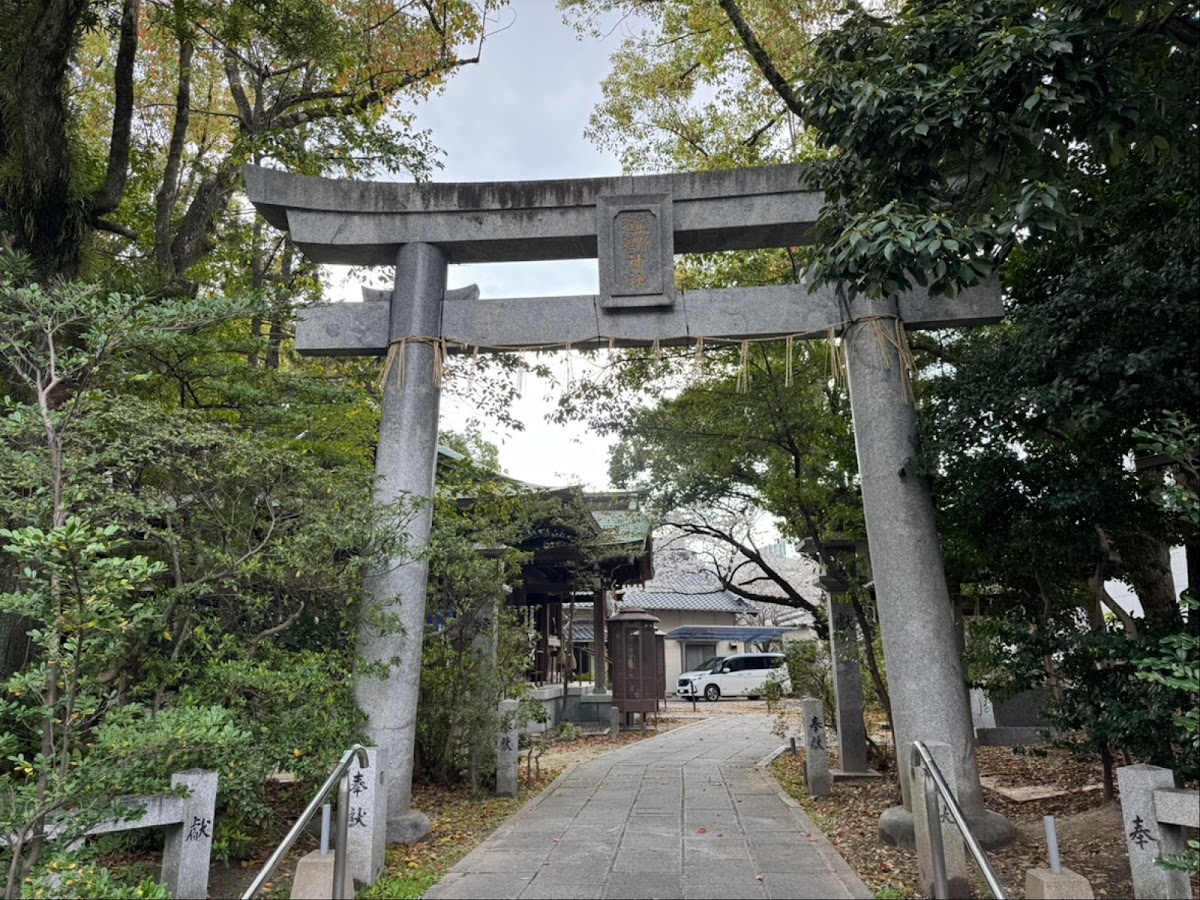
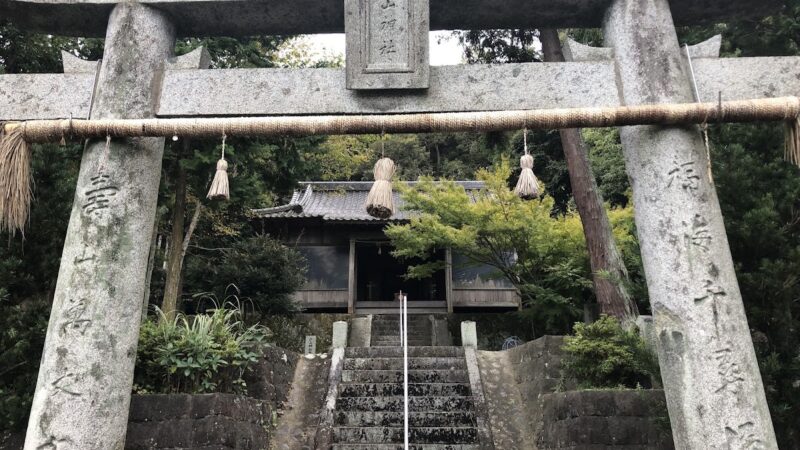
Yamajinja Shrine, located in Tsuno, Soeda-machi, Tagawa-gun, Fukuoka Prefecture, has a long history as a shrine that attracts the faith of the local community. In Soeda-machi, where the worship of sacred mountains centered around Mt. Hiko is deeply rooted, Yamajinja Shrine is deeply intertwined with the lives of the local residents. This article comprehensively introduces detailed information useful for visitors, including the history of Yamajinja Shrine, the enshrined deities, annual events, and access methods.
Basic Information about Yamajinja Shrine
Location and Access
Location: Tsuno, Soeda-machi, Tagawa-gun, Fukuoka Prefecture
Yamajinja Shrine is located in the Tsuno area of Soeda-machi, surrounded by a rich natural environment at the foot of Mt. Hiko. Soeda-machi is located in the eastern part of Fukuoka Prefecture, in Tagawa-gun, in a mountainous area near the border with Oita Prefecture.
Access Information:
- Access by Car: Approximately 50 minutes from the Yahata IC on the Kyushu Expressway via National Route 322. Alternatively, approximately 40 minutes from the Yukuhashi IC on the Higashi-Kyushu Expressway via National Route 496. Following the signs within the Tsuno area is recommended.
- Public Transportation: After alighting at Soeda Station on the JR Hitahikosan Line, take a taxi or community bus. The Tsuno area is approximately 15 minutes from Soeda Station.
- Parking: There is limited space around the shrine, but early arrival is recommended on days when congestion is expected, such as during festivals.
Shrine Overview
While shrines bearing the name “Yamajinja” (mountain shrine) exist throughout Japan, the Yamajinja in Tsuno, Soeda Town, has developed as a place of worship deeply connected to the region’s forest resources. The Tsuno district has long been a thriving forestry area, and it is believed that the mountain shrine has been revered as a place to express gratitude for the blessings of the mountains and to pray for safety in mountain work.
Historical Background of the Tsuno District, Soeda Town
Geography and History of the Tsuno District
The Tsuno district is located in the mountainous area of Soeda Town and has fostered its own unique culture as part of the Hikosan faith sphere. The place name “Tsuno” has been used since ancient times and can be found in documents such as the “Comprehensive Dictionary of Japanese Historical Place Names.”
Soeda Town as a whole is a region where the culture of Shugendo (mountain asceticism) centered on the sacred Mount Hikosan remains strong. Mount Hikosan is counted as one of Japan’s three major Shugendo mountains and has attracted many ascetics and pilgrims as a sacred site of mountain worship since ancient times. It is believed that the Tsuno district has also formed its own unique regional faith while being influenced by this Hikosan faith.
Shrine Culture of Soeda Town
Besides the Yamajinja Shrine, Soeda Town has many other shrines:
- Hikosan Jingu Shrine: Located near the summit of Mt. Hikosan, it is the representative shrine of Soeda Town. It enshrines Amenoshihomimi-no-Mikoto as its main deity and flourished as a center of Shugendo (mountain asceticism).
- Takagi Shrine: In the Tsuno district, there are two Takagi Shrines: Kami-Tsuno Takagi Shrine (Tsuno 6717-1) and Shimo-Tsuno Takagi Shrine (Tsuno 2227), both worshipped as the local guardian deities.
- Takasumi Shrine: Located on the mountainside of Mt. Hikosan, this shrine is built within a cave also known as Buzenbo.
- Soeda Shrine: A historical shrine said to have been founded in 1158, it enshrines Amenoshihomimi-no-Mikoto and Toyohime-no-Mikoto.
Along with these shrines, the Yamajinja Shrine has also played an important role in supporting the religious life of the region.
Deities and Beliefs of Yamajinja Shrine
About Mountain God Worship
The mountain god enshrined at Yamajinja Shrine is a very important figure in Japanese folk beliefs. The mountain god is believed to have the following characteristics:
- Guardian Deity of Forests: A god who manages forest resources and governs the growth of trees.
- God of Hunting: A god who protects hunters and bestows game upon them.
- God of Agriculture: A belief that the god descends from the mountains to the villages in spring to become the god of the rice fields, and returns to the mountains in autumn.
- God of Water Sources: Mountains are water sources, and the god is also revered as a god who governs water.
In mountainous areas like the Tsuno district, belief in the mountain god was crucial to the lives of people engaged in forestry and agriculture.
Forms of Belief in the Region
It is believed that various festivals and events have been held at Yamajinja Shrine throughout the year. The following rituals are often performed, particularly during the following periods:
- Spring Festival: A time when the mountain god descends to the village; prayers are offered for the start of agricultural work.
- Autumn Festival: A festival expressing gratitude for the harvest and sending off the mountain god’s return to the mountains.
- Mountain Opening/Closing: A ritual for forestry workers to pray for safety.
Annual Events and the Shinko-sai Festival in the Tsuno District
Shinko-sai Festival Culture in Soeda Town
In Soeda Town, the Shinko-sai festival is held in each district, and the Tsuno district also continues to preserve its traditional festival. The Shinko-sai festival involves transferring the sacred object to a portable shrine and parading through the parish area; it is an important event that strengthens community bonds.
Takagi Shrine Procession Festival in Tsuno District
The Tsuno district has two Takagi Shrines: Kami-Tsuno Takagi Shrine and Shimo-Tsuno Takagi Shrine, and each holds its own procession festival:
Shimo-Tsuno Takagi Shrine Procession Festival:
- Location: Shimo-Tsuno Takagi Shrine (2227 Tsuno, Soeda-machi)
- Features: A traditional lion dance and musical performance, boasting a history of over 200 years, is performed to the accompaniment of flutes and drums.
- Local residents participate wholeheartedly, striving to pass on traditional performing arts.
Kami-Tsuno Takagi Shrine Procession Festival:
- Location: Kami-Tsuno Takagi Shrine (6717-1 Tsuno, Soeda-machi)
- As the guardian deity of the Kami-Tsuno district, a festival is held to pray for the peace and prosperity of the community.
These processions, along with the worship of mountain shrines, form the entire religious culture of the Tsuno district. The date of the Shinko-sai festival may vary from year to year, so those planning a visit are advised to check with the Soeda Town Hall or the local tourism association in advance.
The Position of the Yamajinja Shrine within the Hikosan Faith Area
Relationship with Hikosan Jingu Shrine
Mt. Hikosan is a sacred mountain with an elevation of 1,199 meters, straddling Fukuoka and Oita prefectures. The entire mountain is considered the sacred object of Hikosan Jingu Shrine. Hikosan Jingu Shrine enshrines Amenoshihomimi-no-Mikoto, the son of Amaterasu-Omikami, as its main deity and has flourished as a sacred site of Shugendo (mountain asceticism) since ancient times.
The Tsuno area is located on the north side of Mt. Hikosan and forms part of the Hikosan faith area. It is believed that the Yamajinja Shrine, while influenced by mountain worship centered on Mt. Hikosan, has developed its own unique form of belief.
Influence of Shugendo Culture
Mount Hikosan is counted as one of Japan’s three major Shugendo mountains (the others being Dewa Sanzan and Kumano Sanzan), and many Shugendo practitioners trained there from the Heian period to the Edo period. Mount Hikosan has 49 caves (rock caves), and it is said that Shugendo practitioners secluded themselves in each of them for training.
Historical sites and legends related to Shugendo remain in the Tsuno area, and it is possible that elements of Shugendo were incorporated into the worship of the mountain shrine. The worship of mountain gods and the nature worship of Shugendo have a high affinity and have influenced each other.
Cultural Properties and Tourist Resources of Soeda Town
Cultural Properties of Hikosan Jingu Shrine
When visiting the mountain shrine, we recommend also visiting other cultural properties and tourist spots in Soeda Town:
Important Cultural Property: Bronze Torii Gate:
This bronze torii gate stands at the entrance to the approach to Hikosan Jingu Shrine and was erected in 1637 (Kanei 14). This bronze torii gate is one of the largest in Japan.
Important Cultural Property: Hikosan Jingu Shrine’s Honden (Main Hall):
This shrine building stands on the mountainside of Mt. Hikosan, at an altitude of approximately 700 meters. It is a magnificent structure set against the backdrop of majestic mountains, conveying the atmosphere of a sacred site for Shugendo (mountain asceticism).
Sites of Temple Lodgings:
Along the approach to the shrine, there are scattered remains of temple lodgings where Shugendo practitioners and pilgrims once stayed. These are valuable historical sites that evoke the bustling activity of yesteryear.
Natural Scenery
Soeda Town is blessed with the beauty of nature throughout the four seasons:
Spring: Wildflowers such as mountain cherry blossoms and rhododendrons bloom in abundance.
Summer: Enjoy the deep green forest and the coolness of the clear streams.
Autumn: The autumn foliage of Mt. Hiko is known as one of the most famous spots in the prefecture, attracting many tourists.
Winter: Wisdom abounds as Mt. Hiko is covered in snow.
Etiquette and Manners for Visiting Yamajinja Shrine
Etiquette for Visiting Shrine
When visiting Yamajinja Shrine, please observe the following basic etiquette:
- Bow before passing through the torii gate: This is an expression of respect before entering the sacred area.
- Avoid walking in the center of the approach: The center of the approach is considered the path of the gods.
- Purify yourself at the water basin: If there is a water basin, purify your hands and mouth.
- Two bows, two claps, one bow: Follow the general etiquette for visiting a shrine.
- Offer your prayers quietly: Silently express your gratitude and make your wishes.
Consideration for the Community
Remember that Yamajinja Shrine is a place of worship for local residents, and please observe the following points:
- Do not make noise: Maintain a quiet environment.
- Take your trash home: Cooperate in preserving the natural environment.
- Do not trespass on private property: There are private houses and private property around the shrine.
- Photography: Refrain from taking photos in areas where photography is prohibited.
- Consideration during festivals: Respect local events and observe without causing any disturbance.
Nearby Tourist Attractions
Attractions in Soeda Town
When visiting Yamajinja Shrine, consider visiting other tourist attractions in Soeda Town:
Hikosan Jingu Shrine:
A representative tourist attraction of Soeda Town. It boasts numerous attractions, including the important cultural property bronze torii gate, the Hōheiden (offering hall), and the stone steps leading to the shrine. The area is especially crowded with visitors during the autumn foliage season.
Takasumi Shrine: A rare shrine built inside a cave on the mountainside of Mt. Hiko. Also known as Buzenbo, it is one of the 49 caves of Mt. Hiko. The shrine, integrated with nature, exudes a mystical atmosphere.
Mt. Hiko Slope Car: A cable car that ascends the approach to Hiko-san Jingu Shrine. It covers an altitude difference of approximately 200 meters in about 15 minutes, and visitors can enjoy the scenery of the four seasons from the windows.
Other Shrines in Tagawa District
Besides Yamagami Shrine, Tagawa District has many other historical shrines:
- Kawara Shrine (Kawara Town): The guardian shrine of Kawara, which prospered from copper mining.
- Okuninushi Shrine (Kawasaki Town): Known as the god of matchmaking.
- Kazeji Hachimangu Shrine (Tagawa City): Famous for the Kawawatari Shinkosai (river crossing procession).
Visiting these shrines allows you to experience the rich religious culture of the Tagawa region.
History and Culture of Soeda Town
Origins of Soeda Town
Soeda Town was formed in 1955 (Showa 30) through the merger of the former Soeda Town and Tsuno Village. The Tsuno district existed as an independent village and possesses its own unique history and culture.
Industry and Life
Soeda Town has long been a thriving forestry area, utilizing the abundant forest resources of Mt. Hiko. The Tsuno district also had many forestry workers, and faith in the mountain god was deeply ingrained in their lives.
In recent years, the decline of the forestry industry has led to a decrease in population, but regional development is being pursued, centered on tourism to Mt. Hiko. The preservation of traditional festivals and culture remains a crucial issue.
Preservation of Traditional Events
Traditional performing arts such as the Shinko-sai festival, lion dance, and music performances in the Tsuno district have a history of over 200 years and are carefully preserved as a source of regional pride. Even amidst a declining birthrate and aging population, the local residents continue to protect these traditions together.
Practical Information for Visiting Yamajinja Shrine
Best Time to Visit
Spring (March-May):
- Wildflowers begin to bloom, and the fresh greenery is beautiful.
- Spring festivals may be held.
- The weather is mild and suitable for strolling.
Summer (June-August):
- Enjoy the deep green forest.
- Summer festivals and local events may be held.
- Take precautions against heat and insects.
Autumn (September-November):
- The autumn leaves of Mt. Hiko are at their peak (late October-early November).
- Autumn festivals and Shinko-sai (procession festivals) are held during this time.
- This is the busiest season for tourists.
Winter (December-February):
- Enjoy the tranquil atmosphere amidst the snowy landscape.
- Fewer visitors, allowing for a peaceful visit.
- Be careful of snow and ice.
Clothing and Items to Bring
- Comfortable walking shoes: As it is a mountainous area, some paths are unpaved.
- Seasonal clothing: Temperatures in mountainous areas can be lower than in lowlands.
- Rain gear: Mountain weather is unpredictable, so a folding umbrella is recommended.
- Drinks: Heatstroke prevention is especially necessary in summer.
- Insect repellent: There can be many insects in summer.
Nearby Accommodations
The following accommodations are available in Soeda Town:
- Hikosan Onsen Shakunage-so: A hot spring inn located at the foot of Mt. Hikosan.
- Minshuku/Ryokan: Several accommodations are available in Soeda Town.
- Campgrounds: There are also camping facilities where you can enjoy nature.
Restaurants and Local Products
Soeda Town’s Local Products:
- Hikosan Garagara: A traditional clay bell from Mt. Hikosan.
- Mountain vegetable cuisine: Delicacies from the rich natural environment of the mountains.
- Hikosan Soba: Handmade soba noodles made with locally produced buckwheat flour
Summary: The Charm and Significance of Visiting Yamajinja Shrine
Located in Tsuno, Soeda-machi, Tagawa-gun, Fukuoka Prefecture, Yamajinja Shrine has a long history as a place of worship deeply intertwined with the lives of the local people. While influenced by mountain worship centered around Mt. Hikosan, Yamajinja Shrine has cultivated its own unique mountain deity worship in the Tsuno area, making it a valuable example of the richness of Japanese folk beliefs.
When visiting Soeda-machi, why not visit Yamajinja Shrine, a local shrine, along with other well-known shrines such as Hikosan Jingu and Takasumi Shrine? By offering prayers at this quiet mountain shrine, you can feel gratitude towards nature and connect with the faith cherished by our ancestors.
Visiting during the Tsuno district’s Shinko-sai festival or traditional performing arts events will allow you to witness firsthand the unity of the local community and the continuation of traditional culture. The lion dance and traditional music, which have continued for over 200 years, are precious cultural assets that are preserved as a source of local pride even amidst depopulation.
We hope that your visit to the mountain shrine will provide you with an opportunity to experience the faith and culture of the mountainous regions, which can be considered a quintessential Japanese landscape, and to reflect on the harmonious relationship between nature and humanity. The rich nature and history of Soeda Town, and encounters with the warm-hearted local people, will surely be a memorable experience for visitors.
In Tsuno, enveloped in the spiritual energy of Mount Hiko, the time spent offering prayers to the mountain god will be a moment of tranquility, far removed from the hustle and bustle of everyday life. Please visit the mountain shrine and feel the profound depth of Japanese mountain worship and the weight of tradition that breathes life into the region.