Toyama Shrine (Soeda-machi, Tagawa-gun, Fukuoka Prefecture) Complete Guide | History, Deities, Access, and Goshuin Information
Toyama Shrine, located in Soeda-machi, Tagawa-gun, Fukuoka Prefecture, is a historic shrine that preserves the history and faith of the region. This article provides detailed information you should know before visiting, including the historical background, enshrined deities, highlights of the grounds, visiting information, and access methods.
Basic Information on Toyama Shrine
Toyama Shrine is located in Soeda-machi, Tagawa-gun, Fukuoka Prefecture, and has long been cherished as a center of faith for the local residents. Soeda-machi is located at the foot of Mt. Hiko and is known as a region that has been influenced by mountain worship and Shugendo (mountain asceticism) since ancient times.
Location: Soeda-machi, Tagawa-gun, Fukuoka Prefecture
Shrine Rank: Village Shrine (Former Shrine Rank)
Toyama Shrine is one of the historical shrines of Soeda-machi and plays an important role in local festivals and annual events.
History and Origins of Toyama Shrine
Background of Founding
While there are no clear records regarding the founding date of Toyama Shrine, local traditions and documents suggest that it was worshipped as a guardian deity of the region from before the Edo period.
The Soeda area was strongly influenced by the Hikosan faith, and Toyama Shrine also developed in conjunction with mountain worship and agricultural worship. It has a history of being protected by local residents for generations as a place to pray for the safety of the village, abundant harvests, and family safety.
Changes Since the Meiji Era
Despite the impact of the Meiji-era separation of Shinto and Buddhism and the shrine consolidation policy, Toyama Shrine has continued to exist as a center of local faith. Under the old shrine ranking system, it was ranked as a village shrine, and its importance in the community was officially recognized.
Even after the enactment of the Religious Corporations Law after the war, it has continued to attract unwavering faith as the local tutelary deity and is carefully preserved to this day.
Changes Since the Meiji Era
Despite the impact of the Meiji-era separation of Shinto and Buddhism and the shrine consolidation policy, Toyama Shrine has survived as a center of local faith. Under the old shrine ranking system, it was ranked as a village shrine, and its importance in the community was officially recognized.
Even after the enactment of the Religious Corporations Law after the war, it has continued to attract unwavering faith as the local guardian deity and is carefully preserved to this day.
Deities and Divine Virtues
Main Deity
The deities enshrined at Toyama Shrine reflect the traditional beliefs of the region. Like many village shrines, the following deities are believed to be enshrined here:
- Oyamatsumi-no-Kami – A deity revered as the god of mountains
- Amaterasu-Omikami – The supreme deity of Japan
- Susanoo-no-Mikoto – The deity of protection against misfortune and disaster
Divine Virtues (Benefits)
The main divine virtues that can be prayed for at Toyama Shrine are as follows:
- Abundant Harvest – Praying for a bountiful harvest
- Family Safety – Praying for the health and peace of the family
- Protection from Misfortune and Good Fortune – Avoiding disaster and improving one’s luck
- Regional Peace and Security – Peace and prosperity for the entire region
- Business Prosperity – Success and development of business
Highlights of the Shrine Grounds
Shrine Building
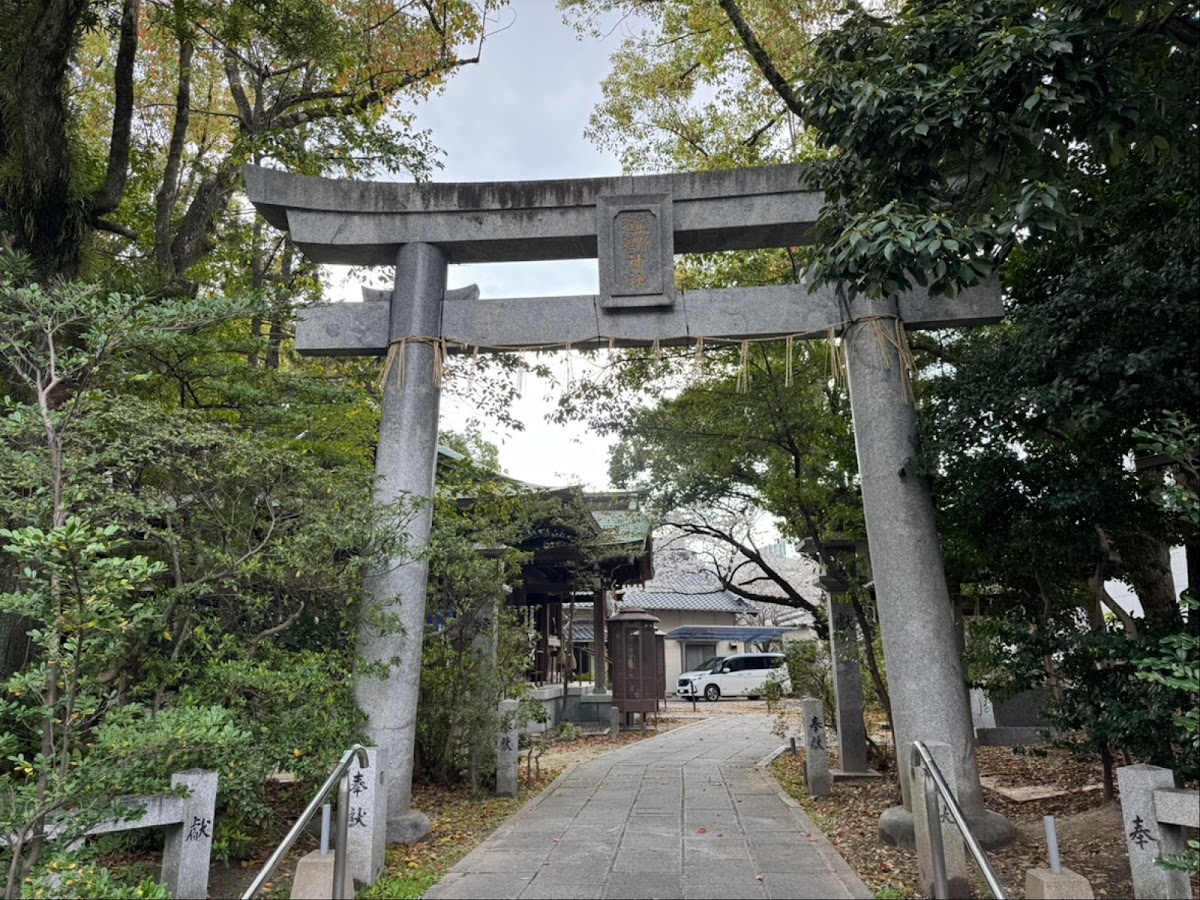
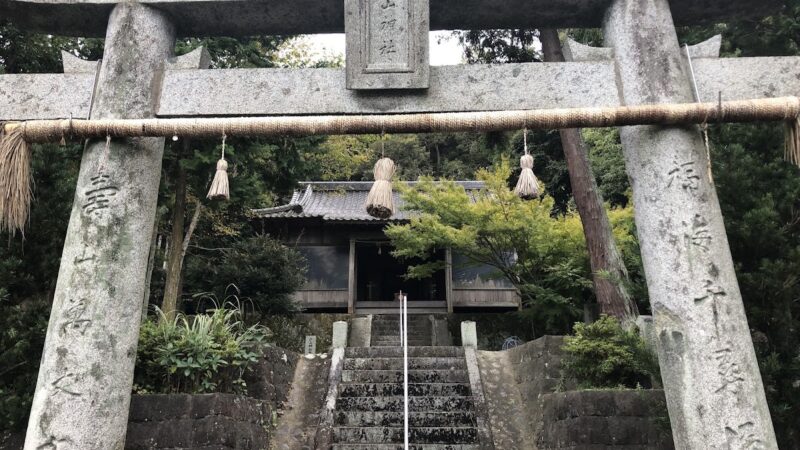
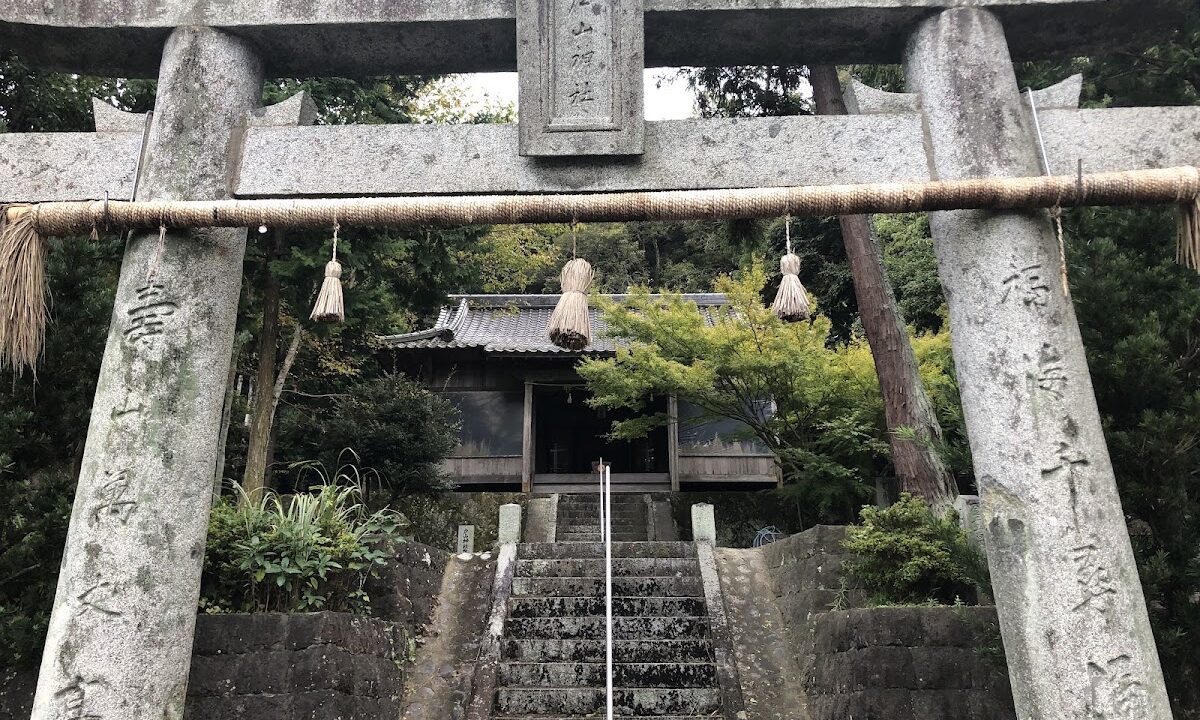
The shrine building of Toyama Shrine is simple and solidly constructed, characteristic of local shrine architecture. While not large in scale, it is meticulously maintained, reflecting the respect the local residents have for the shrine.
Natural Environment of the Shrine Grounds
Surrounded by the rich nature of Soeda Town, the grounds of Toyama Shrine display different expressions throughout the seasons. Especially:
- Spring: Beautiful fresh greenery, offering a refreshing visit.
- Summer: Cool shade from the trees, creating a summery atmosphere.
- Autumn: Autumn leaves color the grounds.
- Winter: A tranquil atmosphere allows for peaceful worship.
Guardian Dogs and Stone Monuments
The shrine grounds feature guardian dogs and stone monuments that evoke a sense of history, preserving the region’s historical memory. These stone structures demonstrate the long-standing roots of the shrine in the community.
Annual Events and Festivals
Grand Festival
Toyama Shrine holds its annual Grand Festival. This festival is an important event for local residents and serves as an opportunity to reaffirm the bond between the shrine and the community.
The Grand Festival includes:
- Performance of Shinto rituals
- Participation of local residents
- Offering ceremonies
These events also play a role in strengthening community ties.
Other Annual Events
- New Year’s Day Festival (January 1st) – Praying for peace in the new year
- Spring Festival – Praying for safety in agricultural work and a bountiful harvest
- Autumn Festival – Offering thanks for the harvest
Specific dates may vary from year to year, so it is recommended to check local information before visiting.
About Goshuin (Shrine Seals)
Regarding Goshuin at Toyama Shrine, it is necessary to check in advance as there may not be a resident Shinto priest.
For those wishing to receive a Goshuin (temple/shrine stamp)
For small shrines, the following arrangements are generally common:
- The shrine may be managed by a priest from another shrine as a concurrently managed shrine.
- Only available on specific dates and times.
- Pre-printed Goshuin may be available.
If you wish to receive a Goshuin, we recommend contacting other shrines within Soeda Town or the Tagawa District Shrine Association.
Manners and Etiquette for Visiting a Shrine
Basic Etiquette for Visiting a Shrine
When visiting Toyama Shrine, please observe the following basic etiquette:
- Bow before the torii gate – A greeting before entering the sacred area
- Avoid walking in the center of the path – The center is the path of the gods
- Purify yourself at the water basin – Purify your mind and body before praying
- Etiquette in front of the main hall – Two bows, two claps, one bow
Water Basin Etiquette
- Take the ladle with your right hand and purify your left hand
- Switch the ladle to your left hand and purify your right hand
- Switch the ladle back to your right hand, receive water in your left hand, and rinse your mouth
- Purify your left hand once more
- Hold the ladle upright, purify the handle, and return it to its original position
Mindset When Visiting a Shrine
Visiting a shrine is not merely sightseeing; it is an act of showing respect to the gods. Please note the following:
- Visit quietly during your visit
- Keep the shrine grounds clean
- Take photographs responsibly
- Respect that this is a place of worship for the local community
Access
Access by Public Transportation
Nearest Station:
JR Hitahikosan Line “Soeda Station”
From Soeda Station:
- Taking a taxi is convenient
- Use a local bus (if available)
- If walking, check the distance and time in advance
Public transportation in Soeda Town is limited, so we recommend checking timetables and service status in advance.
Access by Car
Access from Major Roads:
- Via National Route 322 from Kyushu Expressway “Kokura Minami IC”
- Via National Route 500 from Oita Expressway “Haki IC”
Once you enter Soeda Town, please use local signs and car navigation.
Parking
As this is a small shrine, there may not be a large dedicated parking lot. When visiting the shrine:
- Use appropriate parking spaces around the shrine
- Be considerate of local residents
- Avoid street parking
Tourist Spots in Soeda Town
When visiting Toyama Shrine, why not also explore other tourist spots in Soeda Town?
Hikosan Jingu Shrine
Located near the summit of Mt. Hikosan, one of Japan’s three major Shugendo mountains, Hikosan Jingu Shrine is a representative tourist spot in Soeda Town. It includes buildings designated as important national cultural properties, allowing visitors to enjoy history and nature.
Hikosan Slope Car
The slope car, which takes you to the middle of Mt. Hikosan, offers beautiful scenery throughout the seasons. The autumn foliage is particularly breathtaking.
Iwaishi Castle Ruins
The ruins of a mountain castle from the Sengoku period are a must-see spot for history buffs. The view from the castle ruins is magnificent, allowing you to experience the history of Soeda Town firsthand.
Fukakura Gorge
A natural spot where you can enjoy the beautiful scenery of a gorge. Surrounded by clear streams and lush greenery, this healing space is perfect for hiking and picnics.
History and Culture of Soeda Town
Influence of Hikosan Faith
Located at the foot of Mt. Hikosan, Soeda Town has long been strongly influenced by mountain worship and Shugendo (mountain asceticism). Mt. Hikosan flourished as a center of Tendai-style Shugendo, attracting many ascetics for training.
This historical background has influenced the town’s shrines and temples, including Toyama Shrine, giving the region’s beliefs and culture unique characteristics.
A Town of Agriculture and Forestry
Soeda Town has historically relied on agriculture and forestry as its main industries. The rich natural environment has been utilized for crop production, and timber production has been carried out through forestry. The prayers for a bountiful harvest at Toyama Shrine are deeply intertwined with this regional industrial structure.
Center of the Community
Local shrines like Toyama Shrine have functioned not only as places of worship but also as centers of the local community. Through festivals and annual events, the bonds between residents have been deepened, and the region’s traditional culture has been passed down.
Points to Note When Visiting
Considerations Unique to Small Shrines
Toyama Shrine is a small, community-oriented shrine. Please note the following points when visiting the shrine:
- Possibility of no resident priest – The shrine office may not be open at all times.
- Limited facilities – Facilities such as toilets and rest areas may be limited.
- Residential living space – The area around the shrine is also a residential area for local residents.
Seasonal Precautions
Spring/Summer:
- Insect repellent is recommended for a more comfortable experience.
- Wear a hat and sunscreen on sunny days.
Autumn/Winter:
- Bring a jacket as mornings and evenings can be chilly.
- Be aware of the possibility of icy roads in winter.
Rainy Season/Typhoon Season:
- Consider refraining from visiting during bad weather.
- Be aware of weather changes as it is a mountainous area.
Nearby Accommodations and Restaurants
Accommodations
The following accommodations are available in Soeda Town and the surrounding area:
- Temple lodgings around Mt. Hiko – You can experience traditional temple lodging.
- Ryokans and guesthouses in Soeda Town – Enjoy dishes made with local ingredients
- Hotels in Tagawa City – More options available
Restaurants
There are restaurants where you can enjoy local cuisine and dishes made with local ingredients in Soeda Town:
- Soba Restaurants – The area around Mt. Hiko is known as a famous spot for soba noodles
- Local Cuisine Restaurants – You can savor traditional local dishes
- Roadside Stations – You can enjoy local specialties and light meals
Soeda Town’s Specialties and Souvenirs
Agricultural Products
- Wild Vegetables from Mt. Hiko – Abundant seasonal wild vegetables
- Rice – Delicious rice grown with pure water
- Vegetables – Vegetable cultivation utilizing the temperature difference
Processed Products
- Yuzu Products – Seasonings and processed products using yuzu
- Honey – Honey harvested around Mt. Hiko
- Woodcrafts – Crafts utilizing local forestry
Model Course for Visiting Toyama Shrine
Half-Day Course
Morning:
- 9:00 Arrive at Soeda Station
- 9:30 Visit Toyama Shrine
- 10:30 Visit other historical sites in town
- 12:00 Lunch at a local restaurant
Full-Day Course
Morning:
- 9:00 Arrive at Soeda Station
- 9:30 Visit Toyama Shrine
- 10:30 Move to Hikosan Jingu Shrine
Afternoon:
- 12:00 Lunch around Hikosan
- 13:30 Experience the Hikosan Slope Car
- 15:00 Stroll through Fukakura Gorge
- 17:00 Purchase local products at a roadside station
How to Interact with the Community
Consideration for Local Residents
Toyama Shrine is an important place of worship for the local people. As a visitor, please be mindful of the following:
- Worship quietly
- Always take your trash with you
- Do not trespass on private property
- Greet local residents
Contributing to Local Development
When visiting as a tourist, consider contributing to the local economy:
- Shop at local stores
- Use local restaurants
- Purchase local specialties
- Share positive information on social media
The Significance of Shrine Visits
A Place of Spiritual Support
Visiting a shrine is a precious time to escape the hustle and bustle of everyday life, quiet your mind, and reflect on yourself. At a community-based shrine like Toyama Shrine, you can experience:
- A Sense of Oneness with Nature – Worship in an environment surrounded by abundant nature
- Dialogue with History – Touching upon faith that has been passed down for generations
- Understanding Local Culture – Learning about the culture and values of the land
These are some of the experiences you can have. ### Cultivating a Heart of Gratitude
Visiting a shrine is not simply a place to make wishes; it’s also a place to express gratitude for daily life. The divine blessings of abundant harvests and family safety, while seemingly commonplace, are actually expressions of gratitude for the blessings of everyday life.
Detailed Access Information to Soeda Town
From Fukuoka City
- Travel Time: Approximately 2 hours
- Route: Fukuoka City → Kyushu Expressway → Kokura Minami IC → National Route 322 → Soeda Town
From Kitakyushu City
- Travel Time: Approximately 1 hour
- Route: Kitakyushu City → National Route 322 → Soeda Town
From Oita Area
- Travel Time: Approximately 1.5 hours
- Route: Oita City → Oita Expressway → Haki IC → National Route 500 → Soeda Town
Summary
Toyama Shrine, located in Soeda Town, Tagawa District, Fukuoka Prefecture, is a shrine that conveys the history and faith of the region. Although not large in scale, it has a history of being carefully preserved by the local residents, and offers visitors a quiet tranquility and peace of mind.
Visiting Toyama Shrine in Soeda Town, while appreciating its cultural background influenced by the Hikosan faith, its rich natural environment, and the warmth of its local community, will provide a deeper experience.
When you visit Soeda Town, in addition to visiting Toyama Shrine, please enjoy sightseeing spots such as Hikosan Jingu Shrine and Fukakura Gorge, as well as local specialties and regional cuisine, to make the most of your time.
We hope that through your shrine visit, you will experience a rich and fulfilling time, touching upon traditional Japanese culture and local history.