
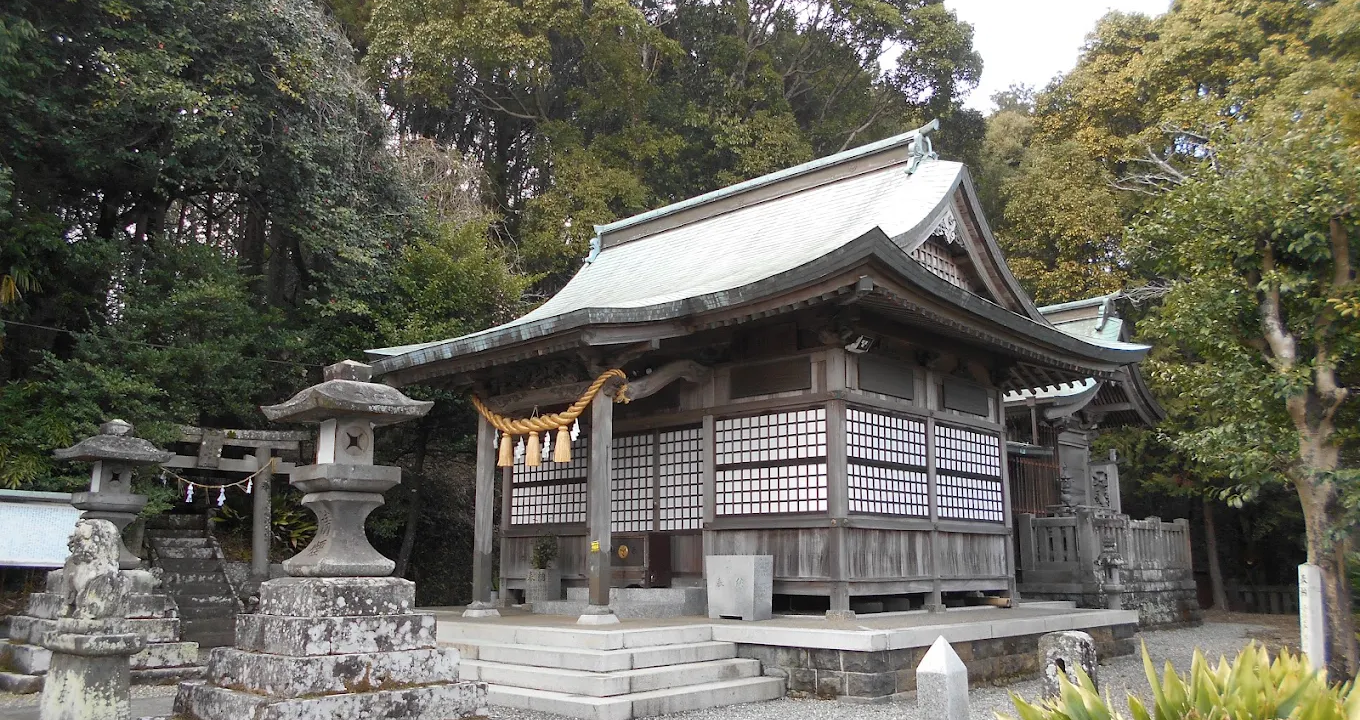
Mikumari Shrine (Oita City, Oita Prefecture): A Complete Guide to the History and Highlights of the Shrine, Centered on Dragon God Worship and its Founding in 1172
Located in Yokoo, Oita City, Oita Prefecture, Mikumari Shrine is situated at the eastern foot of Mount Takao and boasts a unique history centered on dragon god worship. This article provides a detailed introduction to its founding, dating back to 1172, its highlights within the shrine grounds, and the form of faith that has been carefully preserved by the local residents.
History and Origins of Mikumari Shrine
Legend of its Founding in 1172
The founding of Mikumari Shrine dates back to 1172, the late Heian period. In that year, the Yokoo area of Oita City, Oita Prefecture, was hit by a severe drought, crops withered, and people suffered greatly. Amidst this, one night, a mysterious light was emitted from Mount Takao.
The following night, the god Watatsumi appeared on the villagers’ pillows and bestowed a divine oracle: “If you enshrine the white stone in the mountain pond as the dragon god, you can avert the drought.” The villagers immediately went to the mountain pond on Mount Takao, retrieved the sacred stone from the bottom, and enshrined it. It is said that rain immediately began to fall, and the crops in the fields flourished.
This miraculous event prompted the villagers to construct a shrine and establish the Mizuwake Shrine as the local guardian deity. Initially known as “Takao-san Keiryuji Ryuo-gu,” during the period of syncretism of Shinto and Buddhism, it was worshipped as the Dragon King’s Shrine (Mizuwake Shrine) at the site of Keiryuji Temple.
Changes since the Meiji Era
Due to the Meiji-era separation of Shinto and Buddhism, Mizuwake Shrine eliminated its Buddhist elements and took its current form. Its name was changed from Takao-san Keiryuji Ryuo-gu to “Mizuwake Shrine,” and it continues to attract local devotion as an independent shrine.
The discovery of a bronze spear from the Yayoi period suggests that this area may have been recognized as a sacred site since ancient times, indicating that the historical value of Mizuwake Shrine extends far beyond its founding in the Heian period.
Characteristics of the Deities and Beliefs
Main Deities: Eight Great Dragon Kings and Watatsumi-no-kami
The deities enshrined at Mizuwake Shrine are as follows:
Watatsumi-no-kami Known as the god of the sea, Watatsumi-no-kami is the deity who bestowed an oracle upon the villagers in the founding legend and played a role in saving the area from drought as the god who controls water.
Eight Great Dragon Kings A deity syncretized with the Dragon King belief in Buddhism, revered as a guardian deity of rain and water sources. The Eight Great Dragon Kings refer to the eight deities: Nanda Dragon King, Upananda Dragon King, Sakara Dragon King, Vasuki Dragon King, Tokshaka Dragon King, Anavatapta Dragon King, Manas Dragon King, and Upala Dragon King.
Dragon God’s Sacred Stone
A white stone obtained from a mountain pond is enshrined as the sacred object and is still carefully protected as a vessel for the dragon god.
Worship as a Water God
The shrine’s name, “Mikumari,” means the god who distributes water, indicating a belief related to the management of agricultural water and rainmaking. In the Yokoo area of Oita City, Oita Prefecture, water god worship centered around Mikumari Shrine has been deeply rooted since ancient times, and it has been devoutly revered as the guardian deity of agriculture.
Highlights of the Shrine Grounds
First Torii Gate and Approach
Visiting Mikumari Shrine begins from the east side of Takao Mountain Nature Park. Passing through the first torii gate, a lush, green path unfolds, enveloping you in a tranquil atmosphere far removed from the hustle and bustle of the city. The stone torii gate exudes a sense of history and dignity, inviting worshippers into the sacred grounds.
Water Basin
As you proceed along the path, you will come across the water basin. Befitting a shrine dedicated to the water god, pure water springs forth and is used for purification before worship. Observe the proper etiquette at the water basin to purify your mind and body before proceeding to the main shrine.
Shrine Buildings (Main Hall and Worship Hall)
The shrine buildings of Suibun Shrine are simple yet majestic. In the worship hall, you can see decorations and offerings symbolizing the worship of the dragon god. The main hall enshrines the deity, and is meticulously cleaned and maintained by local residents.
Around the shrine buildings, you will find carvings and decorations related to the dragon god, allowing you to feel the history of water god worship firsthand.
Subsidiary Shrines: Yamajinja, Konpira Shrine, Tenjin Shrine
Within the grounds of Suibun Shrine, several subsidiary shrines are located:
Yamajinja
This shrine enshrines the mountain god of Mount Takao, expressing gratitude for the protection of the forests and the rich natural environment.
Konpira Shrine
This shrine enshrines Konpira Daigongen, known as the god of maritime safety and business prosperity.
Tenjin Shrine
This shrine enshrines Sugawara no Michizane, the god of learning, and is visited by many worshippers praying for academic success and passing exams.
These subsidiary shrines are enshrined not only in the context of dragon god worship, but also to meet the diverse religious needs of the region, demonstrating that Suibun Shrine is a central hub of comprehensive faith in the area.
Dragon God’s Pond
At the back of the shrine grounds, the “Dragon God’s Pond,” which appears in the legend of the second year of Shoan (1174), still remains. This pond is believed to be the place where the Shiraishi (sacred stone) was discovered, and it is the origin of the Suibun Shrine faith.
The area around the pond is enveloped in a sacred atmosphere, and simply standing there quietly gives you a feeling of purification. The pond, where a dragon god is said to have appeared during a drought, still holds pure water, conveying to visitors the importance of the blessing of water.
Sculpture of the Three Wise Monkeys (🙉🙊🙈)
In one corner of the shrine grounds, there is a sculpture of the three wise monkeys: “see no evil, speak no evil, hear no evil.” This is a famous motif also found at Nikko Toshogu Shrine, and at Suibun Shrine, it is placed as a symbol of protection against evil and a moral lesson. The meticulously carved details of the three monkeys are one of the highlights that delight the eyes of visitors.
Relationship with Takao Mountain Nature Park
Takao Mountain, where Suibun Shrine is located, is situated in the southern part of Oita City, Oita Prefecture, and is developed as Takao Mountain Nature Park. Located at an altitude of approximately 300 meters, it is a popular recreational spot for local residents.
Takao Mountain Nature Park features well-maintained walking trails, perfect for hiking and nature observation. Combining a visit to the Suibun Shrine with a stroll through Takao Mountain’s natural beauty is highly recommended. The scenery is particularly stunning during the spring when the leaves are fresh and the autumn when they change color.
Festivals and Events
Throughout the year, various rituals and events are held at the Suibun Shrine. These festivals, primarily run by local residents, provide important opportunities to pass on traditional beliefs to future generations.
In particular, festivals praying for rain and a bountiful harvest are valuable events that preserve the tradition of dragon god worship. As the guardian deity of the region, the Suibun Shrine is closely intertwined with the lives of the residents, and the festivals deepen the bonds of the local community.
Access Information
Location
Address: Yokoo, Oita City, Oita Prefecture
Access by Public Transportation
Nearest Station: JR Hohi Main Line “Takio Station”
Approximately 15-20 minutes on foot or by bus from Takio Station
Nearest Bus Stop: “Takao Mizuwake Shrine Mae” bus stop
Very convenient access, approximately 2 minutes on foot (121m) from the bus stop.
Access by Car
Approximately 20 minutes from the center of Oita City via National Route 210. Parking is available at Takao Mountain Nature Park.
Visiting Hours
While the shrine grounds are generally open for free visits, the hours for services at the shrine office may be limited. It is recommended to check in advance.
The Charm of Mizuwake Shrine and its Role in the Community
Faith Protected by Local Residents
The grounds of Mizuwake Shrine are always meticulously cleaned and carefully maintained by local residents. This demonstrates that Mizuwake Shrine is not merely a tourist attraction, but a place of worship deeply rooted in the lives of the local people.
As a guardian deity of birth and a god of water, Mizuwake Shrine continues to be a spiritual center in the Yokoo area of Oita City, Oita Prefecture.
The Modern Significance of Dragon God Worship
The dragon god worship, which has continued since the second year of the Jōan era, teaches us the importance of water resources even today. At a time when droughts and water shortages due to climate change are global problems, the legends of Mizuwake Shrine remind us of reverence and gratitude towards nature.
A Sacred Site Where History and Nature Harmonize
Nestled amidst the rich nature of Mount Takao, Mizuwake Shrine is a sacred site where historical value and the natural environment are beautifully harmonized. It is also the site where a bronze spear from the Yayoi period was unearthed, making it a valuable place where one can feel the history of faith that has continued since ancient times.
Points and Manners for Visiting the Shrine
Proper Way to Visit
- Bow at the first torii gate before entering the shrine grounds.
- Cleanse your hands and mouth at the water basin.
- Bow twice, clap twice, and bow once in front of the main hall.
- Don’t forget to visit the subsidiary shrines.
- Quietly observe the Dragon God Pond.
Precautions Regarding Photography
Photography is generally permitted within the shrine grounds, but please refrain from taking photos inside the main hall or in sacred areas. Also, please be considerate of other visitors.
Consideration for the Natural Environment
As the shrine is located within Takao Mountain Nature Park, please take your trash with you and be mindful of nature conservation. The area around the Dragon God Pond is particularly sacred, so please observe it quietly.
Nearby Attractions
Strolling Through Takao Mountain Nature Park
We recommend strolling along the walking trails of Takao Mountain Nature Park before or after visiting Suibun Shrine. You can enjoy the changing seasons and refresh your mind and body.
Other Historical Sites in Oita City
Oita City in Oita Prefecture boasts numerous historical sites, including the ruins of Funai Castle and Oita Prefectural Gokoku Shrine. Visiting these sites along with Mizuwake Shrine will allow you to gain a deeper understanding of Oita’s history.
Reasons to Visit Mizuwake Shrine
Mizuwake Shrine (Oita City, Oita Prefecture) is worth visiting for the following reasons:
- History of Dragon God Worship Dating Back to 1172: A valuable place of worship with a history of over 850 years since the late Heian period.
- Unique Deities Enshrined: Eight Great Dragon Kings and Watatsumi-no-Kami: Preserving the original form of water god worship.
- The Stage of the Founding Legend: The Dragon God’s Pond: A sacred space where myth and reality intersect.
- The Rich Natural Environment of Takao Mountain Nature Park: Surrounded by tranquility and greenery despite being near an urban area.
- A Faith Cherished by Local Residents: A genuine example of faith, unspoiled by tourism.
- History as a Sacred Site Since the Yayoi Period: The discovery of a bronze spear demonstrates the continuity of ancient faith.
Summary
Mikumari Shrine, located in Yokoo, Oita City, Oita Prefecture, has been a center of local faith, primarily centered on the worship of the dragon god, since its founding in 1172. Originally established as Takao-san Keiryu-ji Ryuo-gu, and having evolved through the Meiji-era separation of Shinto and Buddhism, Mikumari Shrine enshrines the Eight Great Dragon Kings, Watatsumi-no-kami, and a sacred stone dedicated to the dragon god.
Its location at the eastern foot of Takao-san Natural Park creates a unique atmosphere where the rich natural environment and historical faith harmonize. The shrine grounds offer numerous points of interest, including the first torii gate, the purification fountain, the main shrine building, subsidiary shrines (Yama-jinja, Konpira-jinja, and Tenjin-jinja), and the Dragon God Pond, the setting of the founding legend.
The shrine grounds, carefully maintained by local residents, possess the value of a genuine place of worship, unspoiled by tourism, inspiring visitors to appreciate the blessings of water and reverence for nature.
Its convenient location, within walking distance of Takio Station on the JR Hohi Line and just a 2-minute walk from the Takao Suibun Shrine bus stop, is also a major draw. When you visit Oita City in Oita Prefecture, be sure to stop by Suibun Shrine and experience the history of dragon god worship that has continued for over 850 years, as well as the tranquil sacred site nestled amidst the nature of Mount Takao.

