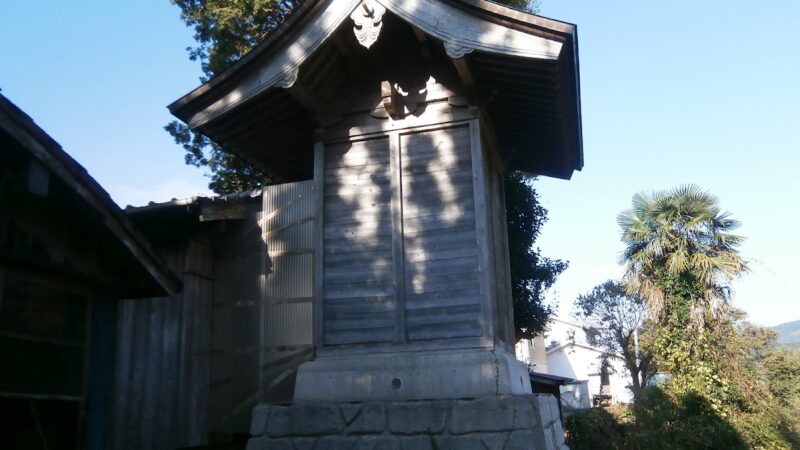
Gosho Shrine (Kitsuki City, Oita Prefecture) Complete Guide | History, Benefits, Access, and Festivals Explained in Detail
Gosho Shrine, located in Kitsuki City, Oita Prefecture, is a historic shrine that has been cherished by the local people for centuries. This article provides a detailed explanation of Gosho Shrine’s history, enshrined deities, benefits, annual events, access methods, and other information you should know before visiting.
What is Gosho Shrine?
Gosho Shrine is a shrine located in Kitsuki City, Oita Prefecture, and as its name suggests, it is known as a shrine that enshrines five deities. Kitsuki City is located in the southern part of the Kunisaki Peninsula and has long flourished as a castle town that served as an important point for maritime traffic. Gosho Shrine is an important place of worship that has walked hand in hand with its history.
Characteristics of Gosho Shrine
The most distinctive feature of Gosho Shrine is that it enshrines multiple deities. As a guardian deity of the region and a shrine that grants various wishes, it attracts many worshippers not only from the local area but also from neighboring regions. The shrine grounds are enveloped in a quiet and peaceful atmosphere, providing a sacred space where one can escape the hustle and bustle of the city and find peace of mind.
History of Goshō Shrine
Founding and History
While detailed records of the founding of Goshō Shrine are not available, local traditions and historical materials indicate that it developed as a center of local faith from the medieval to the early modern period. During the Kitsuki Domain era, it was revered by the feudal lord and the samurai class, and was positioned as an important shrine in the region.
Connection to Kitsuki City
Kitsuki City is known as “Japan’s smallest castle town,” with its beautiful landscape of sloping streets and samurai residences. Goshō Shrine, as part of this historic castle town, is an important presence that conveys the region’s history and culture to the present day. During the Edo period, along with the development of the castle town, the shrine was also renovated and became a spiritual pillar for the local residents.
Changes Since the Modern Era
Even after the Meiji-era separation of Shinto and Buddhism and the turmoil of the post-war period, Goshō Shrine has been preserved by the faith of the local people. Even today, it plays an important role as the local guardian deity and as the center of traditional events.
Deities and Blessings
Deities Enshrined
As its name suggests, Goshō Shrine enshrines five deities. Each of these deities possesses different divine virtues and is believed to grant various wishes to worshippers.
The belief that worshipping multiple deities allows for broader blessings has been deeply rooted in the community since ancient times.
Main Blessings
The main blessings that can be received at Goshō Shrine include the following:
Family Safety and Harmony
Many families visit the shrine as it is a deity that protects the health and happiness of families. Especially during the New Year and other significant periods, it is bustling with worshippers praying for the safety of their families.
Business Prosperity and Success
The shrine is revered as the guardian deity of local commerce, and is deeply revered by business owners and shopkeepers who pray for business prosperity and success.
Abundant Harvests and Bountiful Fishing
As this region is known for its thriving agriculture and fishing industries, the tradition of praying for bountiful harvests and abundant catches continues.
Protection from Misfortune and Good Fortune
Many people visit to ward off misfortune during their unlucky years and to pray for good fortune at important life milestones.
Matchmaking and Successful Relationships
It is also believed to bring good fortune in finding a partner, and the number of young visitors is increasing.
Highlights of the Shrine Grounds
Main Hall and Worship Hall
The main hall of Goshō Shrine is a valuable building that preserves the traditional style of shrine architecture. In the worship hall, visitors can offer heartfelt prayers. The building’s details are adorned with exquisite craftsmanship, allowing visitors to appreciate its architectural beauty.
Shrine Precincts
Several smaller shrines (subsidiary shrines and minor shrines) are enshrined around the main hall. Each of these small shrines enshrines a different deity, catering to a variety of wishes.
Sacred Trees and Nature
The shrine grounds are lined with ancient sacred trees and other trees, creating a sacred atmosphere. The changing scenery of the grounds with each season soothes the hearts of visitors.
Water Basin
A water basin is provided for purification before worship, allowing visitors to cleanse their minds and bodies according to proper worship etiquette.
Annual Events and Festivals
Grand Festival
Goshō Shrine holds its annual Grand Festival. This festival is an important local event, with many parishioners and residents participating. In addition to Shinto rituals, there are offerings and performances of traditional arts, making it a venue for the transmission of local culture.
First Shrine Visit of the New Year
For the first shrine visit of the new year, local people visit to pray for the health of their families and for a safe year. The shrine is bustling with many worshippers from New Year’s Day to the third day of the year.
Setsubun Festival
During Setsubun in February, events such as bean-throwing are sometimes held. It is a popular local event for warding off evil and inviting good fortune.
Summer Purification Ceremony
At the end of June, the “Summer Purification Ceremony” is held to cleanse away the sins and impurities accumulated over the past six months. Through rituals such as passing through a ring of reeds, one can purify their mind and body.
Autumn Grand Festival
In autumn, a festival is held to give thanks for the harvest, expressing gratitude for a bountiful harvest and praying for a good harvest in the following year.
Goshuin (Shrine Seals) and Gifts
Goshuin (Shrine Seals)
At Gosho Shrine, you can receive a Goshuin as proof of your visit. The Goshuin (temple/shrine stamp) features designs that reflect the history and characteristics of the shrine, making it popular among Goshuin collectors.
When receiving a Goshuin, it is customary to first complete your prayers and then request one at the shrine office. You can bring your Goshuincho (stamp book) or receive a pre-printed Goshuin.
Amulets and Souvenirs
Goshō Shrine offers a variety of amulets and souvenirs:
- Exorcism Amulet: For those in their unlucky year or those seeking protection from misfortune
- Traffic Safety Amulet: Protects safe driving of cars and motorcycles
- Academic Success Amulet: For students and those taking exams who wish for academic success
- Health Amulet: For those wishing for recovery from illness or maintaining good health
- Family Safety Amulet: Protects the happiness of the entire family
Each amulet is imbued with the blessings of the gods, and it is believed that carrying it carefully will bring good fortune.
How to Worship and Etiquette
Basic Worship Etiquette
Worship at Goshō Shrine follows the general etiquette for visiting shrines:
- Bow before passing through the torii gate
The torii gate is the entrance to the sacred area. Bow slightly before passing through it.
- Purify yourself at the water basin
Purify your left hand, then your right hand, then your mouth, and finally your left hand.
- Walk along the edge of the path
The center of the path is considered the path of the gods.
- Worship at the main hall
Worship using the two bows, two claps, and one bow ritual.
- Bow when leaving
When leaving through the torii gate, turn around and bow.
Points to Note When Visiting the Shrine
- Please be quiet and respectful within the shrine grounds.
- Please only take photographs in designated areas.
- Please refrain from bringing pets to the shrine, or check in advance.
- Please take your trash with you and keep the shrine grounds clean.
Access Information
Location
Goshō Shrine is located in Kitsuki City, Oita Prefecture. Kitsuki City is a historical castle town located in the southern part of the Kunisaki Peninsula, between Beppu City and Oita City.
Access by Car
From Oita
Take the Oita Expressway and exit at the nearest interchange, then take local roads. From Kitsuki city center, follow the signs.
From Beppu
Take National Route 10 towards Kitsuki City. The journey takes approximately 30 minutes.
Parking
There is parking available for visitors around the shrine. If congestion is expected, such as during festivals, we recommend arriving early.
Access by Public Transportation
If using JR
The nearest station is Kitsuki Station on the JR Nippo Main Line. From the station, you can access the shrine on foot, by taxi, or by bus.
If using the bus
You can also use the local bus service operating within Kitsuki City. The shrine is within walking distance from the bus stop.
Notes on Access
- When using a car navigation system, searching by the shrine name will be smoother.
- In winter, there is a possibility of icy roads, so please drive with caution.
- On special days such as festivals, congestion is expected, so please visit with plenty of time to spare.
Nearby Tourist Attractions
When visiting Goshō Shrine, we recommend also visiting other tourist attractions in Kitsuki City.
Kitsuki Castle
Kitsuki Castle, a symbol of Kitsuki City, is a beautiful castle built on a small hill. From the castle tower, you can enjoy a panoramic view of the town of Kitsuki and Beppu Bay. It’s a spot you’ll want to visit in conjunction with a stroll through the castle town.
Samurai Residence Street
Kitsuki City still retains samurai residences from the Edo period, creating a charming landscape along with the cobblestone streets. The unique topography, known as a “sandwich-type castle town,” is also a must-see.
Suya-no-Saka and Shioya-no-Saka Slopes
These are beautiful slopes representative of Kitsuki. Samurai residences line both sides, creating an atmosphere that feels like stepping back in time. They are also popular photo spots.
Kitsuki City Historical Museum
This facility allows you to learn about the history and culture of Kitsuki. It is also helpful in understanding the historical background of Goshō Shrine.
Beppu Bay
Kitsuki City faces Beppu Bay and is rich in seafood. There are many restaurants where you can enjoy dishes made with fresh seafood.
Best Time to Visit
Spring (March-May)
Spring is a beautiful season when the trees on the temple grounds bud, creating a vibrant display of fresh greenery. The mild climate makes it easy to visit and ideal for sightseeing. During cherry blossom season, you can also enjoy cherry blossom viewing in the surrounding area.
Summer (June-August)
In summer, the greenery deepens, and the temple grounds offer cool shade. However, during the rainy season and on hot summer days, precautions against heatstroke are necessary. Summer-specific rituals, such as the Summer Purification Ceremony, are also held.
Autumn (September-November)
Autumn offers a mild climate and is one of the best seasons to visit. The autumn foliage is beautiful, and events such as the Autumn Grand Festival are held. It’s also an ideal time to stroll through the castle town of Kitsuki.
Winter (December-February)
Winter is a season with relatively few visitors, allowing for a peaceful visit. There are also winter-specific events such as Hatsumode (first shrine visit of the year) and Setsubun (bean-throwing festival). Please be sure to dress warmly when you visit.
Connection with the Community
Role as a Local Guardian Shrine
Goshō Shrine is deeply intertwined with the lives of the residents as the local guardian shrine. People from the community visit the shrine for various occasions, such as important life events like shrine visits for newborns, Shichi-Go-San (a traditional rite of passage for children), and exorcisms.
Center of Local Events
Annual events, including the Grand Festival, are important opportunities to strengthen the bonds of the local community. As a place for intergenerational exchange, the shrine is an indispensable presence in the community.
Preservation of Traditional Culture
At Goshō Shrine, the region’s traditional culture is passed down to the next generation through ancient festivals and Shinto rituals. Children also learn about the community’s identity by participating in the festivals.
Visitor Feedback
Many visitors to Goshō Shrine have shared the following impressions:
- “I was able to worship slowly in a quiet and peaceful atmosphere.”
- “It’s a shrine where you can feel the history of the region, and it made for a wonderful memory of my Kitsuki sightseeing.”
- “I received a protective amulet and I’m carrying it with me carefully.”
- “I participated in the annual festival and was able to experience the traditional culture of the region.”
- “The goshuin (shrine stamp) is beautiful, and I’m keeping it carefully in my goshuincho (stamp book).”
Summary of Points for Visiting Goshō Shrine
Here’s a summary of important points to consider when visiting Goshō Shrine:
- Preparation: Gaining basic knowledge about worship etiquette and the history of the shrine will allow for a deeper worship experience.
- Attire: Be mindful that it is a sacred place and strive to wear clean and appropriate clothing.
- Time Management: Allocate time to stroll leisurely around the shrine grounds and plan your trip to include sightseeing in the surrounding area.
- Etiquette: Observe proper worship etiquette and remember to be considerate of other visitors.
- Photography: Please take photos only in designated areas and be considerate of other visitors.
- Goshuin (Shrine Seal) and Amulets: If desired, please inquire at the shrine office after your visit.
- Participation in Events: If possible, visiting on the day of special events such as the annual festival will provide a richer experience.
The Charm of Goshō Shrine
The greatest charm of Goshō Shrine lies in its long history as a place of worship protected by the local people. Unlike large-scale tourist shrines, its simple and warm atmosphere, rooted in the community, soothes the hearts of visitors.
As part of the historical castle town of Kitsuki City, Goshō Shrine is a valuable presence that conveys the local culture and history to the present day. Through worship, you can not only experience traditional Japanese faith culture but also feel the lives and spiritual anchors of the local people.
Summary
Goshō Shrine in Kitsuki City, Oita Prefecture, is a historical shrine dedicated to five deities and has been cherished by the local people. Visitors can receive various blessings, including family safety, business prosperity, and protection from evil, and the shrine attracts many worshippers throughout the year.
Visiting the shrine in conjunction with nearby tourist attractions such as Kitsuki Castle and the samurai residence district will allow you to gain a deeper understanding of Kitsuki’s history and culture. The quiet and peaceful grounds are the perfect place to escape the hustle and bustle of everyday life and find peace of mind.
When you visit Oita Prefecture, be sure to visit Goshō Shrine in Kitsuki City and experience the traditional Japanese faith and culture rooted in the region. By respectfully offering your prayers and gratitude to the gods, you will surely have a purifying experience for your heart.
May your visit to Goshō Shrine become a memorable one for you.