
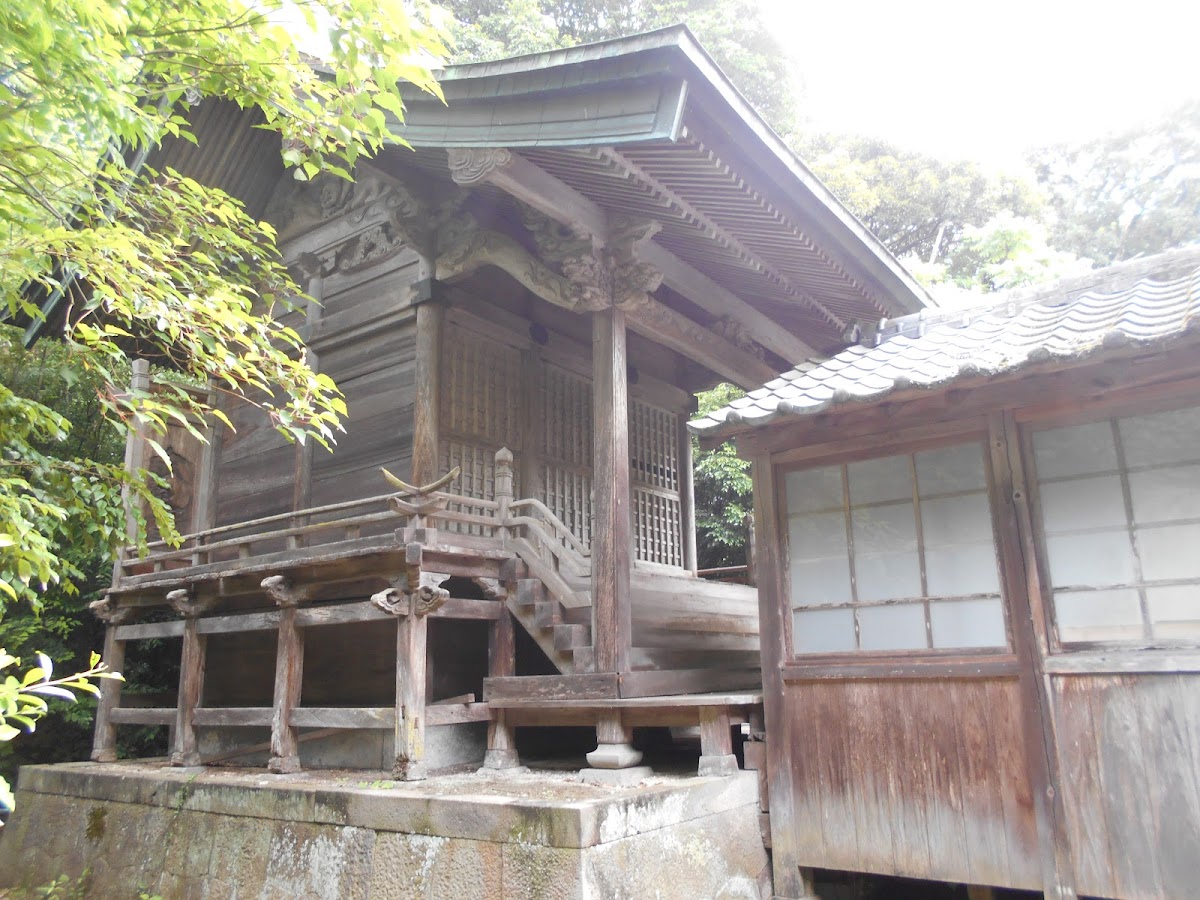
Kumano Shrine (Kitsuki City, Oita Prefecture) Complete Guide | Detailed Explanation of History, Access, and Deities
Kumano Shrine, located in Kitsuki City, Oita Prefecture, is a historic shrine that attracts the faith of the local community. This article comprehensively introduces information you should know before visiting Kumano Shrine, including its historical background, enshrined deities, highlights of the grounds, and access methods.
Basic Information on Kumano Shrine
Kumano Shrine is a shrine located in the Kumano district of Kitsuki City, Oita Prefecture, and has long been cherished as a center of faith for the local residents.
Location and Address
Location: Kumano (Oaza), Kitsuki City, Oita Prefecture
Postal Code: 873-0008
Kitsuki City is located in the northeastern part of Oita Prefecture and is known as a castle town spreading across the southern part of the Kunisaki Peninsula. The Kumano district is one of the administrative divisions within Kitsuki City and is a region blessed with a rich natural environment.
Overview of Prefectures and Municipalities
Kitsuki City, Oita Prefecture, is a historic city that retains the atmosphere of a castle town dating back to the Edo period. It developed around Kitsuki Castle, and is characterized by its sloping streets lined with samurai residences and merchant houses. The population is approximately 30,000, with agriculture and tourism being the main industries.
The Kumano area is located a short distance from the city center of Kitsuki, and is a quiet area with sprawling rural landscapes. You can find detailed location information by entering “Kumano, Kitsuki City, Oita Prefecture” into an address search or map service.
History and Origins of Kumano Shrine
Spread of Kumano Faith
The name of Kumano Shrine originates from the Kumano faith, which has its roots in the Kumano Sanzan (Kumano Hongu Taisha, Kumano Hayatama Taisha, and Kumano Nachi Taisha) located in Kii Province (present-day Wakayama Prefecture). From the Heian period to the Kamakura period, Kumano faith spread throughout Japan, and Kumano shrines and temples were established in various locations.
Many Kumano shrines were founded in the Kyushu region, including Oita Prefecture, and the Kumano shrine in Kitsuki City is thought to be one of them, deeply rooted in the local community. Kumano faith is deeply intertwined with Shugendo (mountain asceticism) and developed while incorporating elements of mountain worship and nature worship.
The Role of Shrines in Kitsuki City
Kitsuki City is a region where a culture of syncretism of Shinto and Buddhism flourished historically, and many shrines and temples are scattered throughout the area. The Kumano shrine, as the local tutelary deity, has attracted worshippers seeking blessings for abundant harvests, family safety, and protection from evil.
During the Edo period, it is presumed to have received the patronage of the Kitsuki Domain and played a central role in local festivals and annual events. Even after the Meiji-era separation of Shinto and Buddhism, it has been carefully preserved by local residents and continues to this day.
Connections to the Community
Kumano Shrine has been passed down through generations as a spiritual pillar of the Kumano district. During local festivals, residents participate in carrying the portable shrine and offering traditional performing arts, strengthening community bonds.
In recent years, the scale of festivals has tended to shrink due to depopulation and an aging population, but the traditions are preserved thanks to the enthusiasm of the local residents.
Deities and Divine Virtues
Main Deity
The main deity of Kumano Shrine is believed to be a deity invited from the gods enshrined at the Kumano Sanzan (Three Grand Shrines of Kumano). The following deities are enshrined at typical Kumano shrines:
- Ketsumimiko-no-Okami: The principal deity of Kumano Hongu Taisha, identified with Susanoo-no-Mikoto
- Kumano Hayatama-no-Okami: The principal deity of Kumano Hayatama Taisha, identified with Izanagi-no-Mikoto
- Kumano Fusumi-no-Okami: The principal deity of Kumano Nachi Taisha, identified with Izanami-no-Mikoto
These deities are collectively known as “Kumano Gongen,” and during the era of syncretism of Shinto and Buddhism, they were worshipped in conjunction with various Buddhist deities.
Divine Virtues
The divine virtues believed to be obtained by visiting Kumano Shrine are diverse:
- Good Fortune and Prosperity: Guiding you in a positive direction at turning points in your life
- Protection from Evil and Disaster: Protecting you from various calamities
- Family Safety: Protecting the health and peace of your family
- Abundant Harvest: Bringing prosperity and bountiful harvests to agriculture
- Matchmaking: Forging good relationships and smoothing interpersonal relationships
- Healing from Illness: Recovery from illness and longevity
- Maritime Safety: Protecting the safety of fishing and voyages
In particular, Kumano faith is known as a “sacred place of rebirth,” and many worshippers visit to pray for the renewal of their lives and the purification of their mind and body.
Highlights of the Shrine Grounds
Shrine Architecture
The shrine buildings of Kumano Shrine inherit the traditional shrine architectural style of the region. The main shrine is presumably built in the Shinmei-zukuri or Nagare-zukuri style, exuding a simple yet solemn atmosphere.
The worship hall is where worshippers offer their prayers, characterized by its simple wooden construction. The roof is covered with tiles, giving it a dignified appearance due to its age.
Torii Gate and Approach
A torii gate stands at the entrance to the shrine grounds, marking the entrance to the sacred area. Passing through the torii gate, a gravel-covered approach leads to the shrine. Trees line both sides of the approach, allowing visitors to enjoy the changing seasons.
Natural Environment of the Shrine Grounds
The grounds of Kumano Shrine are surrounded by abundant nature. Ancient and giant trees stand guard, creating a sacred atmosphere. It displays different expressions with each season: cherry blossoms in spring, fresh greenery in summer, autumn leaves in fall, and silence in winter.
The tranquility of the shrine grounds allows one to forget the hustle and bustle of everyday life and has a calming effect on the mind. When visiting the shrine, we recommend taking your time to stroll through the grounds and feel the energy of nature.
Stone Monuments and Memorials
Within the shrine grounds, there are stone monuments and memorials donated by successive generations of parishioners and devotees. These are valuable historical materials that tell the story of the shrine and provide clues to the history of the region.
Access Methods
Access by Public Transportation
Nearest Station: JR Nippo Main Line “Kitsuki Station”
You can access Kumano Shrine from Kitsuki Station using the following methods:
- Taxi: Approximately 10-15 minutes by taxi from Kitsuki Station (may vary depending on distance and traffic conditions)
- Route Bus: Take an Oita Kotsu route bus, get off at the nearest bus stop, and walk (please check the Oita Kotsu timetable for details)
- Walking: Approximately 30-40 minutes on foot from Kitsuki Station (distance approximately 3-4 km)
Since public transportation services are limited, it is recommended to check the timetable in advance.
Access by Car
Access from Major Roads:
- From Oita Airport: Approximately 20-25 minutes via National Route 213
- From Oita City: Approximately 50-60 minutes via National Route 10 and National Route 213
- From Beppu City: Approximately 40-50 minutes via National Route 213
Car Navigation Settings:
Searching by address “Kumano, Kitsuki City, Oita Prefecture” or postal code “873-0008” will display the area around Kumano. Using map services (Yahoo! Maps, MapFan, Google Maps, etc.) will provide more accurate location information.
Parking
It is recommended to check in advance whether Kumano Shrine has parking and how many spaces are available. Smaller local shrines may not have dedicated parking, so please be considerate of the neighbors.
Manners and Etiquette for Visiting Shrines
Basic Etiquette for Visiting Shrines
There are traditional customs and etiquette for visiting shrines that have been passed down for generations. Follow these steps when visiting a shrine:
- Bow before passing through the torii gate: Before entering the sacred area, bow slightly to show respect.
- Walk along the edge of the path: The center of the path is considered the path of the gods, so walk along the edge.
- Purify yourself at the water basin: If there is a water basin, purify yourself in the following order:
- Hold the ladle in your right hand and wash your left hand.
- Switch the ladle to your left hand and wash your right hand.
- Switch the ladle back to your right hand, receive water in your left hand, and rinse your mouth.
- Wash your left hand again.
- Hold the ladle upright, wash the handle, and return it to its original position.
- Pray in front of the main hall: The basic method is “two bows, two claps, one bow.”
- Bow deeply twice.
- Clap your hands twice at chest height.
- Pray with all your heart.
- Bow deeply once.
- Bow again when leaving: Before leaving the torii gate, turn around and bow.
Attire for Visiting the Shrine
There are no specific dress code requirements, but please be mindful that this is a sacred place and dress in clean and respectful attire. It is advisable to avoid clothing that exposes a lot of skin or overly casual footwear such as sandals.
About Offerings
Offerings are a way of expressing gratitude to the gods. There are no set amounts, but please place them carefully in the offering box. The correct etiquette is to gently place the offering rather than throwing it in.
Annual Events and Festivals
Main Annual Events
Kumano Shrine holds various Shinto rituals and festivals throughout the year. Typical annual events at Shinto shrines include the following:
- New Year’s Day Festival (January 1st): Celebrating the New Year and praying for peace throughout the year
- Spring Festival (around April): Praying for a bountiful harvest and prosperity of the community
- Summer Purification Ceremony (around June 30th): Cleansing away the sins and impurities accumulated over the past six months
- Autumn Festival (around October): Giving thanks for the harvest, including a portable shrine procession
- Niiname-sai Festival (around November 23rd): Offering the new harvest to the gods and expressing gratitude
- Great Purification Ceremony (December 31st): Cleansing away the sins and impurities accumulated over the past year and preparing for the New Year
Specific dates and details may vary from year to year, so it is recommended that those wishing to participate check in advance.
Local Festival Culture
In Kitsuki City, traditional festivals are passed down in each region. The Kumano Shrine festival is supported by the cooperation of local residents, and sometimes includes a portable shrine procession and devotional performances.
Festivals are important opportunities to deepen the bonds of the local community and also function as a place for cultural transmission to younger generations.
Nearby Tourist Attractions
Kitsuki Castle
Kitsuki Castle, a representative tourist attraction of Kitsuki City, is located about 10 minutes by car from Kumano Shrine. Built during the Muromachi period, the reconstructed keep is now a symbol of the city. From the keep, you can enjoy a panoramic view of Kitsuki city and Beppu Bay, making it a popular spot for its spectacular scenery.
Kitsuki’s Castle Town
Kitsuki City’s castle town is known as a “sandwich-type castle town.” It is characterized by its unique structure, with a merchant town sandwiched between hills lined with samurai residences. The town retains a strong Edo-period atmosphere with its cobblestone streets and white-walled samurai residences.
Kimono rental services are available, allowing you to stroll through the castle town in traditional Japanese attire.
Hot Springs in Kitsuki City
Kitsuki City and its surrounding areas boast some of Oita Prefecture’s most famous hot spring resorts, including Beppu Onsen and Hiji Onsen. Relaxing in a hot spring after your visit is highly recommended.
Temple and Shrine Pilgrimage on the Kunisaki Peninsula
The Kunisaki Peninsula, where Kitsuki City is located, is a region where the Rokugo Manzan culture flourished, and numerous temples and shrines are scattered throughout. A pilgrimage to the temples and shrines of the Kunisaki Peninsula, along with a visit to Kumano Shrine, is also a fascinating experience.
Significance of Visiting Kumano Shrine
Inheritance of Regional Culture
Visiting Kumano Shrine is not merely a way to offer personal prayers; it’s also a valuable opportunity to experience the history and culture of the region. Shrines are the core of a region’s identity, embodying the faith and traditions passed down through generations.
A Place to Find Peace of Mind
In modern society, it’s difficult to find time to calm your mind in daily life. Offering prayers in the tranquil space of a shrine, surrounded by nature, can lead to mental and physical refreshment.
Spending time on the grounds of a Kumano shrine can be an opportunity to reflect on yourself and re-examine your life.
Deepening Ties with the Community
Visiting a Kumano shrine can also create opportunities to interact with local residents. Participating in festivals and cleaning activities fosters a sense of belonging to the community and deepens connections with others.
Practical Information Regarding Kumano Shrines
Visiting Hours
While shrines are generally open 24 hours for worship, the shrine office hours are limited. If you wish to receive a Goshuin (shrine stamp) or other items, it is recommended to contact the shrine in advance to confirm.
Generally, shrine offices are open from 9 AM to around 5 PM, but smaller shrines may not have staff permanently stationed there.
Goshuin (Shrine Seals)
The procedures for issuing Goshuin vary depending on the shrine. It is recommended to inquire directly with Kumano Shrine regarding the availability and method of issuing Goshuin.
Goshuin are given as proof of worship; therefore, please avoid obtaining a Goshuin without worshipping.
Photography Etiquette
Photography is generally permitted on the shrine grounds, but please observe the following points:
- Do not take photos in areas where photography is prohibited, such as inside the main hall.
- Be considerate of other worshippers.
- Be mindful that this is a sacred place and act with moderation.
- Avoid commercial use and unauthorized reproduction.
Contact Information
Inquiries regarding Kumano Shrine can be made through the Kitsuki City Board of Education Cultural Properties Division or the Kitsuki City Tourism Association. Please use these resources to confirm detailed information regarding worship and festival schedules.
Kitsuki City Tourism Association
Phone: 0978-63-0100
Website: Searchable on the official Kitsuki City tourism website
Summary
Kumano Shrine, located in Kitsuki City, Oita Prefecture, is a shrine with a long history and is revered by local residents. Based on Kumano faith, its divine blessings are diverse, and it is believed to grant various wishes, including good fortune, protection from evil, and family safety.
Kitsuki City is also an attractive tourist destination with a historical townscape remaining from its castle town days. Visiting Kumano Shrine in conjunction with exploring the surrounding tourist spots will provide a more fulfilling travel experience.
When visiting, please observe proper etiquette and manners, and cherish your time in this sacred space. We hope that your prayers at Kumano Shrine will bring positive changes to your life.
If you have the opportunity to visit Kitsuki City, Oita Prefecture, please be sure to visit Kumano Shrine and experience the local history and culture. By finding peace of mind in the tranquil temple grounds and spending time away from the hustle and bustle of everyday life, you are sure to gain new insights and renewed energy.

