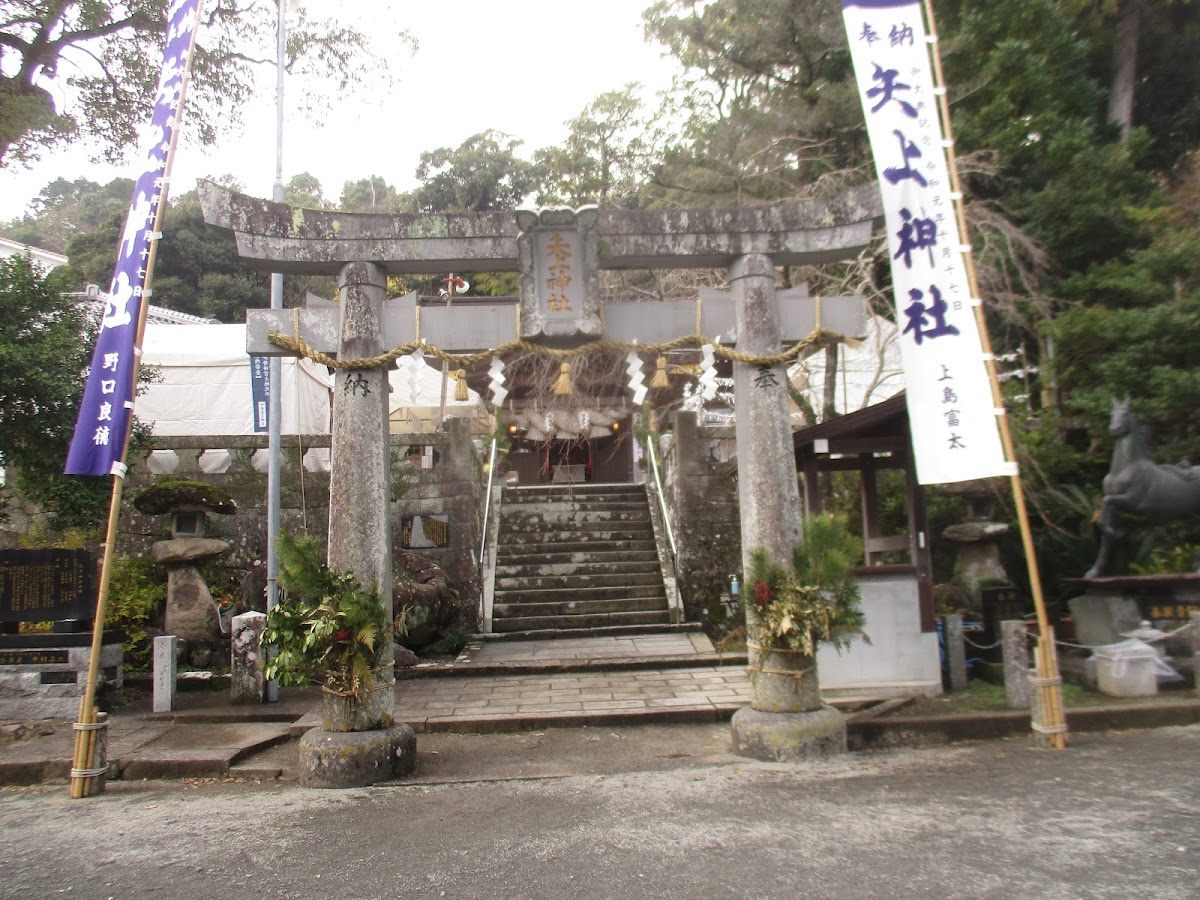
Yagami Shrine (Nagasaki Prefecture) Complete Guide | A Historic Ancient Shrine Adorned with the Legend of the Mongol Invasions and the Yagami Kunchi Festival
Located in Yagami-cho, Nagasaki City, Yagami Shrine is a shrine with a mystical founding legend stemming from the national crisis of the Mongol invasions in 1281. The locally rooted traditional festival, “Yagami Kunchi,” is designated as an intangible cultural property of Nagasaki Prefecture and Nagasaki City, and attracts many worshippers and tourists every year. This article provides a detailed introduction to Yagami Shrine, from its history and origins to its enshrined deities, annual events, goshuin (shrine stamp) information, and access methods.
Basic Information on Yagami Shrine
Yagami Shrine is located in the eastern part of Nagasaki City, in Yagami-juku, the former 25th post town on the Nagasaki Kaido road. Despite being located at a transportation hub along National Route 34, it maintains a tranquil atmosphere.
- Location: 14-1 Yagami-cho, Nagasaki City, Nagasaki Prefecture 851-0133
- Phone Number: 095-839-0909
- Deities Enshrined: Ōnamuchi-no-mikoto, Sukunahikona-no-mikoto, Susanoo-no-mikoto
- Annual Festival Date: October 17th (Yagami Kunchi)
- Shrine Rank: Former Village Shrine
History and Origins of Yagami Shrine
The Mongol Invasions and Founding Legend
Yagami Shrine was founded in Kōan 4 (1281), during the national crisis of the Kōan War (the second Mongol invasion). According to legend, the shrine’s origins lie in the enshrinement of a sacred sword that descended from heaven in the form of a sword-shaped arrow on Kannabiyama (a sacred mountain) in Yagami, as a guardian deity of the western sea.
This legend of the sword-shaped arrow’s descent became the origin of the place name “Yagami.” This area, whose name evolved from Yagami (arrow god), has been revered as a sacred place since ancient times.
Role as Guardian of the Western Sea
In the face of the unprecedented national crisis of the Mongol invasions, many shrines were founded or rebuilt throughout northern Kyushu and the western sea region. Yagami Shrine is one of them, and has played the role of a guardian deity of the western sea. Ōnamuchi-no-Mikoto (another name for Ōkuninushi-no-Mikoto) and Sukunahikona-no-Mikoto are revered as gods of nation-building, while Susanoo-no-Mikoto is revered as a god of protection against misfortune, each guarding the peace and prosperity of the region.
Nagasaki Kaido and Yagami-juku
During the Edo period, Yagami flourished as the 25th post town on the Nagasaki Kaido. The Nagasaki Kaido was an important route connecting Kokura and Nagasaki, and many travelers passed through it on their way to Nagasaki, a trading hub with the Netherlands and China.
Around Yagami Shrine, historical sites such as horse watering holes and other remnants of the highway era are still scattered, allowing visitors to experience a historical atmosphere. The shrine itself has served as a spiritual pillar for the region, a place where people prayed for the safety of travelers on the highway.
About the Enshrined Deities
Ōnamuchi-no-Mikoto
Known as another name for Ōkuninushi-no-Mikoto, Ōnamuchi-no-Mikoto is revered throughout Japan as a god of nation-building. This deity offers a wide range of divine blessings, including matchmaking, business prosperity, and abundant harvests, and is a guardian deity protecting the development of the region and the happiness of its people.
Sukunahikona-no-Mikoto
A deity who, along with Ōkuninushi-no-Mikoto, accomplished nation-building, and is also known as the god of medicine, hot springs, and sake brewing. He is said to possess great wisdom in his small body, and is believed to grant blessings for healing illnesses and promoting health and longevity.
Susanoo-no-Mikoto
Widely worshipped as the god of protection against evil and disaster, Susanoo-no-Mikoto is a brave deity known for the myth of slaying the Yamata no Orochi (eight-headed serpent). He possesses powerful divine blessings that protect people from all kinds of calamities, including the eradication of plagues and the severing of bad relationships.
Yagami Kunchi | A Traditional Event Designated as an Intangible Cultural Property of Nagasaki Prefecture
What is Yagami Kunchi?
Yagami Kunchi is the annual grand festival of Yagami Shrine, held mainly around October 17th each year. It is a traditional event designated as an Nagasaki Prefecture and Nagasaki City Intangible Cultural Property. “Kunchi” is a general term for festivals celebrating the autumn harvest in northern Kyushu. While “Nagasaki Kunchi” is particularly famous in Nagasaki, Yagami Kunchi is also an important festival deeply rooted in the community.
Shagiri and Dedicatory Dances
The greatest highlight of Yagami Kunchi is the festival music called shagiri. The sounds of flutes, drums, and gongs resonate throughout the town, enlivening the festival. The sound of shagiri has a unique rhythm of “shagiri, shagiri,” which uplifts the spirits of those who hear it.
The dances and performances offered by each local neighborhood association are magnificent, featuring a variety of acts such as lion dances, dragon dances, and umbrella floats. These are precious cultural assets that have been passed down through generations and are a source of pride for the community.
Bonds of the Local Community
The Yagami Kunchi festival is not just a festival, but an important opportunity to deepen the bonds of the local community. Preparations begin several months in advance, with people of all ages working together to maintain costumes, practice dances, and repair floats.
On the day of the festival, many spectators visit, and the entire town is enveloped in a festive atmosphere, united with the enthusiasm of the local people. Numerous stalls are set up, making it a lively event for families and tourists.
Setsubun Festival and Annual Events
Setsubun Festival
At Yagami Shrine, the Setsubun Festival is held grandly every year around February 3rd. Many worshippers gather for the bean-throwing ceremony, creating a lively atmosphere as lucky beans and raffle tickets are scattered.
Setsubun is an important event marking the change of seasons, where evil spirits are driven away and good fortune is invited. The Setsubun Festival at Yagami Shrine has become a local tradition, and many people in their unlucky years also participate in the ceremony to ward off bad luck.
Other Annual Events
- Hatsumode (January 1st-3rd): Bustling with worshippers praying for happiness in the new year.
- Spring Festival: Prayers for a bountiful harvest and peace in the community.
- Natsukoshi no Oharae (June 30th): A Shinto ritual to purify and cleanse away the impurities accumulated over the past six months.
- Shichi-Go-San (November): A time when many worshippers visit to celebrate the growth of children.
- Toshikoshi no Oharae (December 31st): A ritual to purify and prepare for the new year, cleansing away the impurities of the past year.
Highlights of the Shrine Grounds
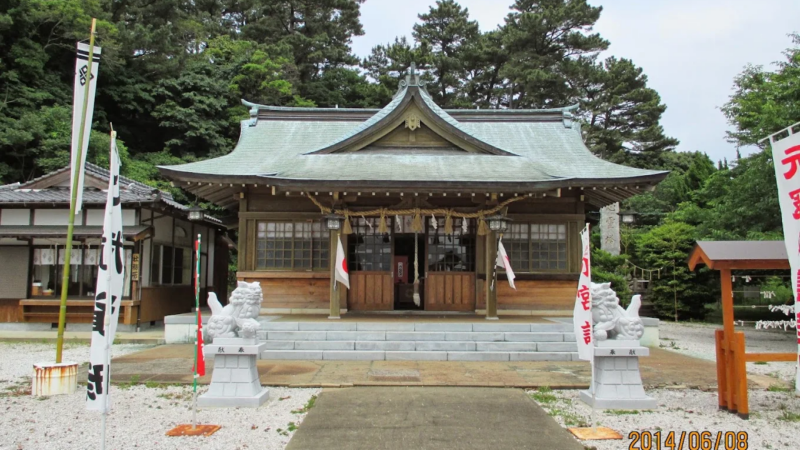
Main Hall and Worship Hall
The Main Hall of Yagami Shrine is built in the traditional style of shrine architecture, creating a solemn atmosphere. Daily prayers and festivals are held in the Worship Hall, which serves as the center of local faith.
The Nature of Kannabi Mountain
Behind the shrine lies Kannabi Mountain, maintaining a tranquil environment surrounded by a sacred forest. Kannabi means a mountain where gods descend, and it has been an object of worship since ancient times.
The shrine grounds are lush with ancient trees, allowing visitors to enjoy the changing seasons. The autumn foliage and early summer greenery are particularly beautiful, and many people enjoy nature walks in addition to their visits to the shrine.
Historical Remains
Historical sites from the Edo period, such as a horse watering hole that retains traces of the Nagasaki Kaido road, remain around the shrine. These are valuable legacies that convey the culture of the road at that time, making it an irresistible spot for history buffs.
Goshuin (Shrine Seal) Information
Issuance of Goshuin
Yagami Shrine offers Goshuin (shrine seals). Goshuin serve as proof of worship and are important for establishing a connection with the shrine.
- Location of Issuance: Shrine Office
- Hours of Issuance: Approximately 9:00 AM to 5:00 PM (Advance contact is recommended as staff may be absent)
- Offering Fee: Approximately 300-500 yen
Characteristics of the Goshuin (Shrine Seal)
The goshuin of Yagami Shrine may include the shrine’s name along with stamps related to “Saikai Chingo” (protection of the western sea) and “Yagami Kunchi” (Yagami festival). Written in a simple yet powerful calligraphy style, the goshuin is popular among many goshuin enthusiasts as a memento of their visit.
While it’s generally recommended to bring your own goshuin notebook, pre-printed goshuin may also be available. Limited edition goshuin may be offered on special days such as during festivals, so checking social media or official information is recommended.
Access and Transportation Information
Access by Public Transportation
By Bus
- Take a Nagasaki Prefectural Bus from Nagasaki Station
- Get off at the “Yagami” or “Miyago” bus stop, then walk for approximately 1-2 minutes
- Travel time: Approximately 20-25 minutes
By JR Train
- Get off at JR Nagasaki Main Line “Hizen-Koga Station,” then walk for approximately 10 minutes
- Get off at JR Nagasaki Main Line “Urakawa Station,” then take a bus for approximately 10 minutes
Access by Car
- Approximately 15 minutes from Nagasaki IC on the Nagasaki Expressway via National Route 34
- Approximately 20 minutes east from central Nagasaki City via National Route 34
- Parking: Parking available for visitors on the temple grounds (limited number of spaces)
During major festivals such as the Yagami Kunchi, surrounding roads become congested, so the use of public transportation is recommended.
Nearby Tourist Attractions
The following are some of the sights around Yagami Shrine:
- Yagami-juku Post Town Site on the Nagasaki Highway: A historical site that retains the atmosphere of a post town from the Edo period.
- Utsunomiya Pottery: A kiln producing Utsunomiya pottery, a traditional craft of Nagasaki.
- Hachirogawa River: A river rich in nature, perfect for a stroll.
Manners and Etiquette for Visiting a Shrine
Basic Etiquette for Visiting a Shrine
- Passing Through the Torii Gate: Bow before entering the shrine grounds.
- Purifying at the Water Basin: Purify your left hand, right hand, and mouth in that order.
- Proceeding to the Main Hall: The center of the path is the path for the gods, so walk along the side.
- Two Bows, Two Claps, One Bow: Place your offering in the offering box, ring the bell, and then bow.
- Departing: Turn around and bow again when leaving the torii gate.
Prayers and Sacred Blessings
Yagami Shrine accepts various prayers and blessings:
- Protection from misfortune and evil influences
- Family safety and business prosperity
- Traffic safety and vehicle blessing
- Prayers for safe childbirth and first shrine visit for a newborn
- Prayers for Shichi-Go-San (7-5-3) celebrations and success in examinations
If you wish to have a prayer or blessing performed, we recommend making a reservation by phone in advance.
Benefits of Yagami Shrine
Yagami Shrine is believed to offer a variety of benefits from its three enshrined deities, including:
- Protection from Evil and Disaster: Powerful protection from Susanoo-no-Mikoto
- Matchmaking and Marital Harmony: Divine virtue from Ōkuninushi-no-Mikoto
- Business Prosperity and Success: Protection from the god of nation-building
- Healing from Illness and Longevity: The medicinal power of Sukunahikona-no-Mikoto
- Abundant Harvests and Bountiful Fishing: Protection of local industries
- Traffic Safety: As a guardian deity of the highway
Connection to the Community
A Spiritual Sanctuary for Local Residents
Yagami Shrine is not merely a tourist spot; it functions as a spiritual sanctuary for local residents. The custom of visiting the shrine at significant life events such as a baby’s first shrine visit, Shichi-Go-San (a traditional rite of passage for children), exorcism, and weddings continues to this day.
Preserving Traditional Culture
The preservation of traditional events, including the Yagami Kunchi festival, requires the participation of younger generations. Yagami Shrine actively works with local schools and youth associations to pass on traditional culture to the next generation.
Children’s participation in the festival fosters a sense of attachment and pride to their community, strengthening community bonds.
Yagami Shrine in the Four Seasons
Spring (March-May)
The cherry blossoms in the shrine grounds bloom, and the fresh greenery is beautiful. The Spring Festival is held, praying for safety and prosperity in the new year.
Summer (June-August)
The Summer Purification Ceremony cleanses away the impurities of the past six months, and prayers are offered for good health during the hot summer. The greenery of Mount Kannabi deepens, and the sound of cicadas fills the air.
Autumn (September-November)
This is the most lively season, when the Yagami Kunchi festival is held. The autumn foliage is beautiful, and many people visit for Shichi-Go-San (a traditional Japanese rite of passage for children).
Winter (December-February)
Events continue throughout the year, including the New Year’s purification ceremony, the first shrine visit of the year, and the Setsubun festival. Many people visit to pray for the new year and ward off evil spirits in the quiet and refreshing atmosphere.
Summary
Yagami Shrine is a fascinating shrine with three main pillars: its founding legend stemming from the historical event of the Mongol invasions, the Yagami Kunchi festival (a Nagasaki Prefecture Intangible Cultural Property), and its deeply rooted community faith.
Located in Yagami, a town that flourished as a post town on the Nagasaki Kaido road, Yagami Shrine has watched over the community for over 700 years. Its history and traditions are still carefully preserved by the local people.
When visiting Nagasaki City, why not extend your trip a little beyond the central tourist spots and visit Yagami Shrine? It will surely be a memorable experience, allowing you to feel the historical romance of the Mongol invasions, the traditional festival culture, and the warm hospitality of the local people.
Especially during the Yagami Kunchi festival in October, the entire town is enveloped in a festive atmosphere accompanied by the sounds of shagiri music, allowing you to experience Nagasaki’s traditional culture firsthand. Whether you’re a collector of temple stamps, a history buff, a festival enthusiast, or simply seeking peace of mind, Yagami Shrine is open to everyone, so please come and visit.