Sumiyoshi Shrine (Iki City, Nagasaki Prefecture) Complete Guide | History and Highlights of Japan’s Four Great Sumiyoshi Shrines
Located in Ashibe-cho, Iki City, Nagasaki Prefecture, Sumiyoshi Shrine is a venerable ancient shrine counted among the “Four Great Sumiyoshi Shrines of Japan,” alongside Sumiyoshi Taisha in Osaka, Sumiyoshi Shrine in Shimonoseki, and Sumiyoshi Shrine in Fukuoka. It is a Shikinaisha (Myojin Taisha) listed in the Engishiki Jinmyocho (a list of shrines compiled during the Heian period) and boasts a distinguished history as the only officially recognized shrine on Iki Island.
This article comprehensively introduces information you should know before visiting Sumiyoshi Shrine, including its history, enshrined deities, highlights, access methods, and surrounding tourist spots.
About Sumiyoshi Shrine
History and Origins of Sumiyoshi Shrine
The founding of Sumiyoshi Shrine is extremely ancient, with its origins said to date back to the age of the gods. As a shrine dedicated to the three Sumiyoshi deities, born from the purification ritual of Izanagi-no-Mikoto as recorded in the Kojiki and Nihon Shoki, it has long been revered as a guardian deity of safe voyages.
Iki Island flourished as a key trading hub with the continent from ancient times, and was an important port of call on the sea routes of envoys to Tang China and Silla. Therefore, Sumiyoshi Shrine, where prayers for safe voyages were offered, was considered particularly important and received deep reverence from the imperial court.
The Engishiki Jinmyocho, compiled in 927 during the Heian period, lists “Sumiyoshi Shrine, Iki District, Iki Province, Myojin Taisha,” indicating that it held the highest rank of Myojin Taisha even then.
In 1871 (Meiji 4), it was elevated to the rank of Kokuhei Chusha (National Shrine of the Second Rank), becoming the only officially recognized shrine on Iki Island. After the war, it was designated a special shrine by the Association of Shinto Shrines, and even today, it attracts many worshippers as one of Iki’s representative shrines.
Deities and Divine Virtues
The main deities of Sumiyoshi Shrine are the three Sumiyoshi gods, known as the gods of seafaring.
Main Deities:
- Sokotsutsuno-no-Mikoto
- Nakatsutsuno-no-Mikoto
- Uwatsutsuno-no-Mikoto
These three gods are collectively called “Sumiyoshi Okami” and have been worshipped since ancient times as guardians of maritime traffic. Additionally, Yachihoko-no-Kami (Okuninushi-no-Mikoto) is also enshrined as a subordinate deity.
Divine Virtues:
- Safe voyages and protection of maritime traffic
- Traffic safety
- Protection from misfortune and disaster
- Business prosperity
- Improvement in waka poetry and literature
Especially in Iki, surrounded by the sea, it is deeply revered by people involved in fishing and shipping.
Status as a Shikinaisha (Great Shrine Listed in the Engishiki)
Sumiyoshi Shrine is listed as a “Myojin Taisha” (Great Shrine Listed in the Engishiki), a particularly important category among the Shikinaisha listed in the Engishiki Jinmyocho (Register of Shrines in the Engi Era). Of the approximately 3,000 Shikinaisha nationwide, only 285 (though there are differing opinions) are Myojin Taisha, demonstrating the importance of Sumiyoshi Shrine since ancient times.
There are 24 Shikinaisha on Iki Island, and Sumiyoshi Shrine is known as the foremost among them.
Highlights of Sumiyoshi Shrine
Architectural Style of the Main Hall and Worship Hall
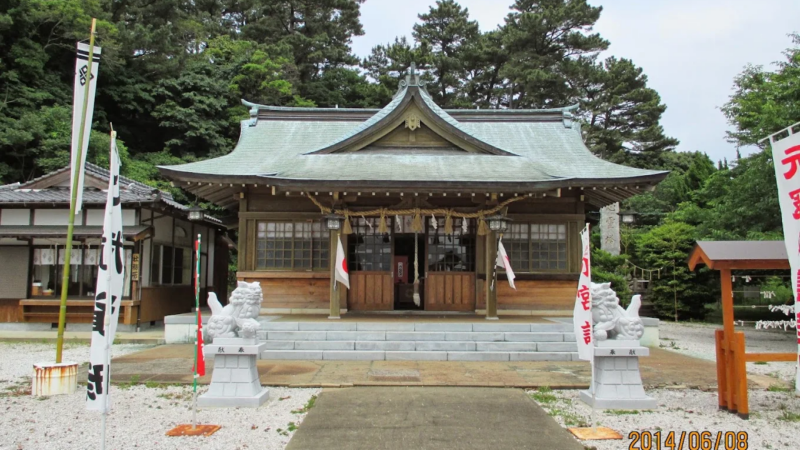
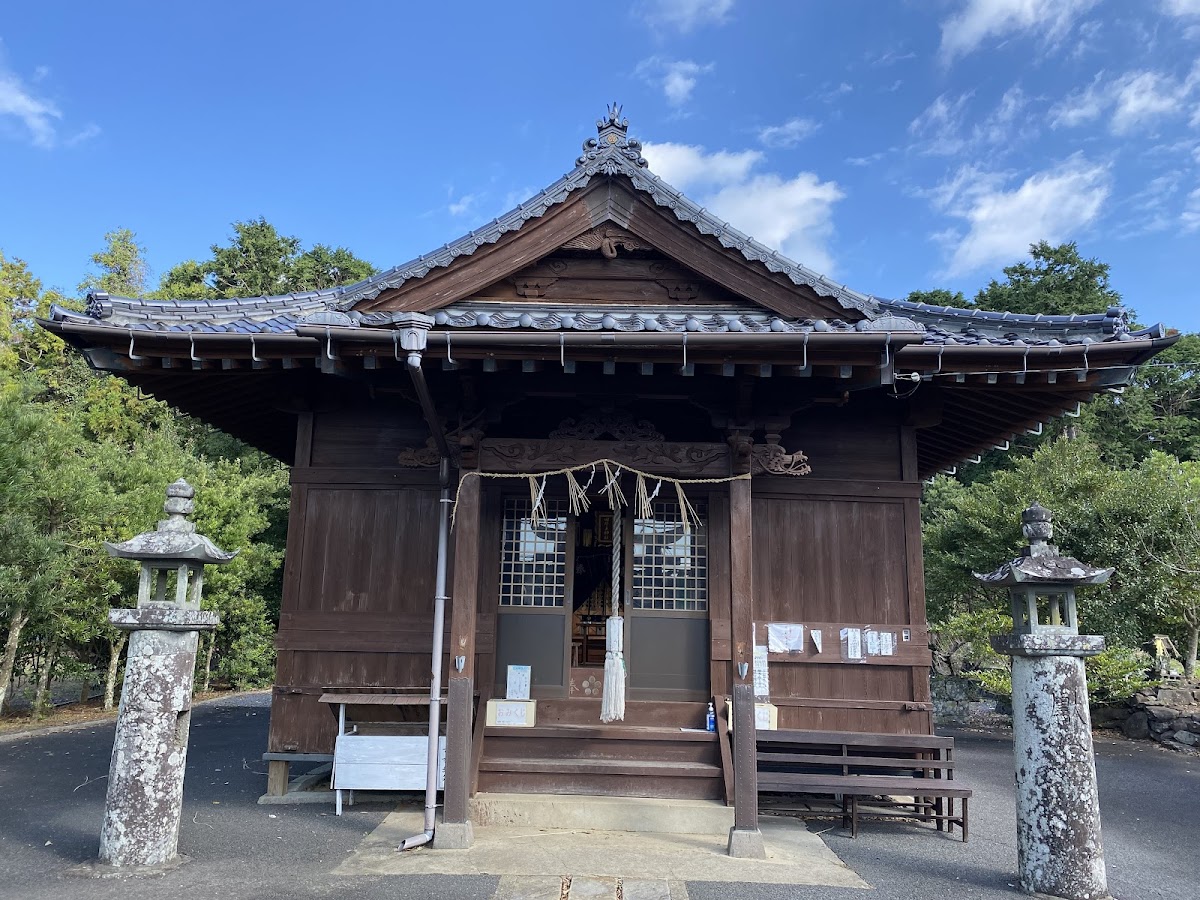
Sumiyoshi Shrine boasts a highly dignified architectural style.
The Main Hall is built in the Sangensha Nagare-zukuri style, with a beautifully curved cypress bark roof. Nagare-zukuri is a representative style of shrine architecture, characterized by its long, forward-extending roof when viewed from the front.
The Worship Hall is a magnificent building with an Irimoya-zukuri style (hip-and-gable roof) entrance and a gabled portico. The contrast between the vermilion pillars and white walls is beautiful, creating a solemn atmosphere.
Although the shrine has been rebuilt several times, the current building faithfully adheres to the traditional style of shrine architecture and is valuable as a representative example of Iki’s shrine architecture.
Discovery of 17 Sacred Mirrors
In 1958, 17 extremely valuable sacred mirrors were discovered in the sacred pond within the grounds of Sumiyoshi Shrine. These mirrors, dating from the Heian to Muromachi periods, are extremely important historical documents for understanding the religious practices and metalworking techniques of the time.
The discovered mirrors are currently properly preserved, and some are occasionally exhibited at the Iki City Ichikoku Museum and other locations. These mirrors are important evidence that Sumiyoshi Shrine received deep reverence from the imperial court and influential figures from ancient to medieval times.
The Married Couple Camphor Tree (Meoto-Kusu)
Near the main shrine building stands a distinctive camphor tree known as the “Married Couple Camphor Tree.” Its trunk splits into two near the ground, resembling a married couple embracing, hence its name.
The Married Couple Camphor Tree is a beloved symbol of matchmaking and marital harmony, and many visitors take commemorative photos in front of it or pray for good fortune in relationships. The trees are estimated to be several hundred years old, and their continued vigorous growth after so many years seems to symbolize the strength of the bond between husband and wife.
City-Designated Natural Monument Camphor Tree
Besides the “Married Couple Camphor Trees,” another massive camphor tree, dating back to the late Edo period, stands tall within the shrine grounds. This camphor tree is designated a natural monument of Iki City, boasting a magnificent appearance with a height of approximately 30 meters and a trunk circumference of several meters.
The branches and leaves of the ancient tree spread out, covering the shrine grounds and giving the entire shrine a solemn atmosphere. Camphor trees have long been considered sacred trees and are often planted within shrine grounds, but the camphor tree at Sumiyoshi Shrine is particularly impressive, speaking to the long history of the shrine.
Old Torii Gate and Approach
The torii gate of Sumiyoshi Shrine has a dignified structure that conveys a long history. Located about 150 meters from National Route 382, a quiet approach leads from the torii gate.
The approach to the shrine is situated in a shallow valley, surrounded by lush greenery, creating a tranquil space. It offers a peaceful environment for worship, far removed from the hustle and bustle of the city, allowing for a calm and peaceful visit amidst nature.
Stone lanterns line both sides of the approach, further enhancing the atmosphere of this historic shrine.
The Sacred Pond and the Nature of the Shrine Grounds
The sacred pond, where the aforementioned sacred mirror was discovered, is one of the important spots within the shrine grounds. The reflection of the surrounding trees on the calm water is beautiful, allowing visitors to enjoy the scenery of each season.
The entire shrine grounds are surrounded by abundant nature, allowing visitors to experience the changing seasons: fresh greenery in spring, deep green in summer, vibrant autumn leaves, and tranquility in winter. Visiting the shrine while listening to the chirping of wild birds will be a refreshing experience for both mind and body.
Iki Kagura and Annual Events
Iki Kagura: A Nationally Important Intangible Cultural Property
The most noteworthy cultural property at Sumiyoshi Shrine is the “Iki Kagura,” designated as a Nationally Important Intangible Cultural Property. Iki Kagura is a traditional performing art with a history of approximately 700 years. While it is performed at several shrines on Iki Island, the performance at Sumiyoshi Shrine is considered particularly prestigious.
Iki Kagura has been passed down as a Shinto ritual to welcome the gods and pray for a bountiful harvest and good health. The unique masks and costumes, the sounds of flutes and drums, and the solemn dances transport viewers to a world of mythology.
Dai-Dai Kagura (December)
Every December, the “Dai-Dai Kagura,” the grand finale of Iki Kagura, is performed at Sumiyoshi Shrine. This event is considered the culmination of Iki Kagura, attracting many tourists and Kagura enthusiasts from both within and outside the island.
During the Grand Kagura performance, multiple acts are presented throughout the night, allowing visitors to enjoy traditional performing arts in a sacred atmosphere. The Kagura, performed in the winter cold illuminated by bonfire light, will be a fantastical and unforgettable experience.
Other Annual Events
Sumiyoshi Shrine holds various festivals and ceremonies throughout the year.
- New Year’s Day Festival (January 1st): Celebrating the start of the new year and praying for peace throughout the year.
- Spring Grand Festival: A grand spring festival praying for a bountiful harvest.
- Summer Purification Ceremony (June 30th): A Shinto ritual to cleanse away the impurities accumulated over the past six months.
- Autumn Grand Festival: A grand autumn festival expressing gratitude for the harvest.
- Year-End Purification Ceremony (December 31st): A Shinto ritual to cleanse away the impurities accumulated over the past year.
These events are attended by many local people and serve as a central hub for the community.
Goshuin (Shrine Seals) and Amulets
About Goshuin
Sumiyoshi Shrine offers Goshuin. Goshuin are popular as proof of worship and as souvenirs of travel.
The goshuin (seal) of Sumiyoshi Shrine is a simple yet dignified design, featuring the words “Sumiyoshi Shrine” written in ink and stamped with the shrine’s seal. Sometimes, seals indicating its historical significance, such as being a Shikinaisha (a shrine listed in the Engishiki) or a former Kokuhei Chusha (a shrine of the second rank), are also stamped.
Goshuin can be obtained at the shrine office, but since priests may not always be present, it is recommended to inquire in advance if you wish to be sure to receive one.
Amulets and Items Offered
Sumiyoshi Shrine offers a variety of amulets, primarily focusing on maritime safety and traffic safety.
- Maritime Safety Amulet: Popular among fishermen and sailors
- Traffic Safety Amulet: For the safety of cars and motorcycles
- Exorcism Amulet: For those in their unlucky years or seeking protection from misfortune
- Matchmaking Amulet: An amulet for good relationships, inspired by the famous “Married Couple Camphor Tree”
- Academic Success Amulet: For students and those taking exams
Ema (votive tablets) and omikuji (fortune slips) are also available, and many people purchase them as mementos of their visit.
Basic Information about Sumiyoshi Shrine
Location and Access
Location:
470 Sumiyoshi Higashi-fure, Ashibe-cho, Iki City, Nagasaki Prefecture 811-5556
Access Methods:
By Plane:
- Approximately 30 minutes from Nagasaki Airport to Iki Airport
- Approximately 20 minutes by car from Iki Airport
By Ferry:
- Approximately 1 hour by high-speed boat or 2 hours 10 minutes by ferry from Hakata Port to Iki/Ashibe Port
- Approximately 10 minutes by car from Ashibe Port
- Approximately 1 hour 40 minutes by ferry from Karatsu East Port to Iki/Intoji Port
- Approximately 15 minutes by car from Intoji Port
Transportation on the Island:
- Rental Cars: Rental car companies are available around Ashibe Port and Gonoura Port
- Taxis: Taxis are waiting at each port
- Bus: Due to the limited number of buses, it is recommended to check the timetable in advance.
Access by Car:
Located approximately 150 meters from National Route 382. There are signs, making it relatively easy to find.
Parking Information
Sumiyoshi Shrine has a very large parking lot adjacent to the grounds. It is free to use and can accommodate large buses. The excellent facilities suggest that it is a shrine with many visitors.
Visiting Hours and Admission Fee
Visiting Hours:
The grounds are generally open for free worship (24 hours).
Shrine Office Hours:
Usually 9:00 AM to 5:00 PM (may vary depending on the season).
Admission Fee:
Free
Contact Information
For inquiries regarding Goshuin (shrine stamps), prayers, events, etc., please contact the shrine directly by phone.
Recommended Tourist Spots Around Sumiyoshi Shrine
Saru-iwa (Monkey Rock)
Located about 15 minutes by car from Sumiyoshi Shrine, this is a representative tourist spot of Iki Island. The basalt rock, approximately 45 meters high, is named for its resemblance to a monkey gazing at the sea. It’s a must-see scenic spot for Iki Island sightseeing.
Iki-koku Museum
A museum where you can learn about the history and culture of Iki Island, located about 15 minutes by car from Sumiyoshi Shrine. It exhibits the history of “Iki-koku” as described in the “Records of Wei: Account of the Wa People,” and valuable archaeological materials excavated in Iki. The sacred mirror of Sumiyoshi Shrine is sometimes on display.
Tsukiyomi Shrine
Located about 20 minutes by car from Sumiyoshi Shrine, this ancient shrine is situated in Kokubu, Ashibe-cho, Iki City. This shrine is considered the original shrine of Kyoto’s Tsukuyomi Shrine and holds the status of a Shikinaisha (Myojin Taisha). Many people visit it along with Sumiyoshi Shrine.
Kojima Shrine
Known as “Iki’s Mont Saint-Michel,” Kojima Shrine is a mystical shrine whose approach is only visible at low tide. It’s about a 25-minute drive from Sumiyoshi Shrine. Since the visiting time is limited by the tides, it’s recommended to check the low tide times in advance.
Sakyobana
Located at the westernmost tip of Iki Island, this scenic spot is about a 30-minute drive from Sumiyoshi Shrine. Columnar jointed cliffs stretch for about 1 kilometer, offering a magnificent natural landscape.
Harunotsuji Ruins
This is a large-scale Yayoi period settlement site designated as a National Special Historic Site. It’s about a 10-minute drive from Sumiyoshi Shrine. This site is believed to be the location of the royal capital of “Iki Province,” as described in the “Records of Wei: Account of the Wa People.” Visitors can see reconstructed pit dwellings and raised-floor warehouses.
Harahoge Jizo
These six Jizo statues stand in the sea near Ashibe Port, creating a unique sight when submerged up to their chests at high tide. It’s about a 15-minute drive from Sumiyoshi Shrine.
Recommended Gourmet Food Around Sumiyoshi Shrine
Iki Beef
Iki Island is known as the production area of “Iki Beef,” a type of Japanese Black beef. Characterized by its fine marbling and high-quality fat, it can be enjoyed in yakiniku (grilled meat) and steak dishes at restaurants throughout the island.
Fresh Seafood
The fresh seafood caught in the waters around Iki Island is exquisite. Sea urchin, abalone, turban shell, and squid are particularly famous and are served as seafood bowls and sashimi sets. There are many seafood restaurants around Ashibe Port.
Iki Shochu
Iki Island is considered the birthplace of barley shochu, and there are seven distilleries on the island. Each distillery produces unique shochu, and there are facilities where you can sample and purchase them. It’s also perfect as a souvenir.
Uni-meshi (Sea Urchin Rice)
One of Iki’s specialty dishes, this is a luxurious rice bowl generously topped with fresh sea urchin. It’s especially delicious during the sea urchin fishing season (around March to August).
Hotels and Accommodations near Sumiyoshi Shrine
Hotels and Inns near Ashibe Port
The closest hotels and inns to Sumiyoshi Shrine are those near Ashibe Port. Accommodations are within walking distance of the port, making it convenient for ferry travel.
Hotels and Inns near Gonoura Port
Gonoura, the center of Iki Island, offers a variety of accommodations, from business hotels to hot spring inns. It’s about a 20-minute drive from Sumiyoshi Shrine.
Minshuku (Japanese Inns) and Guesthouses
Iki Island also has many minshuku and guesthouses with a homey atmosphere. Many accommodations boast dishes made with fresh seafood and offer reasonably priced lodging.
Hot Spring Inns
Iki Island has hot spring resorts such as Yunomoto Onsen, where you can relax and unwind at a hot spring inn. Soaking in a hot spring while gazing at the sea is a special experience.
Best Season to Visit Sumiyoshi Shrine
Spring (March-May)
The weather is mild, and it’s a beautiful season of fresh greenery. The camphor trees in the shrine grounds are sprouting new leaves, creating a refreshing atmosphere for worship.
Summer (June-August)
More tourists visit the shrine in conjunction with sea leisure activities. It’s also sea urchin fishing season, offering delicious cuisine. However, temperatures and humidity are high, so heatstroke prevention is necessary.
Autumn (September-November)
The weather is pleasant, making it the perfect season for sightseeing. Autumn festivals and other events are held, allowing you to experience Iki’s culture.
Winter (December to February)
This is the best time to see the Daikagura performance in December. There are fewer tourists, allowing for a peaceful visit. However, the sea is often rough, so be aware of potential ferry cancellations. Warm clothing is essential.
Manners and Precautions During Visits
Proper Worship Etiquette
- Bow before passing through the torii gate.
- Avoid walking in the center of the path (the center is the path for the gods).
- Cleanse your hands and mouth at the water basin.
- Perform “two bows, two claps, one bow” in front of the main hall.
Attire
No special attire is required, but as it is a sacred place, avoid overly casual clothing. Comfortable walking shoes are recommended.
Photography
Photography is generally permitted within the shrine grounds, but refrain from taking photos inside the main hall or during religious ceremonies. Please be considerate of other visitors.
Other Important Notes
- Smoking is prohibited on the shrine grounds.
- Please be considerate and hold your pet if you are bringing one.
- Please take all your trash with you.
- Do not enter restricted areas such as the sacred pond.
Frequently Asked Questions about Sumiyoshi Shrine
Q1: Can I get a Goshuin (shrine stamp) at Sumiyoshi Shrine anytime?
A: You can get a Goshuin during the shrine office’s reception hours (usually around 9:00 to 17:00), but there may be times when the priest is absent. If you want to be sure to get a Goshuin, we recommend calling ahead to confirm.
Q2: When can I see Iki Kagura?
A: Iki Kagura is performed at various shrines on Iki Island throughout the year, but the Grand Kagura at Sumiyoshi Shrine is held every December. Specific dates vary from year to year, so please inquire with the Iki City Tourism Association or the shrine.
Q3: Is Sumiyoshi Shrine the first Sumiyoshi Shrine in Japan? A: There is a tradition that Sumiyoshi Shrine in Iki is “the first Sumiyoshi Shrine in Japan,” but Sumiyoshi Taisha in Osaka makes a similar claim, and no clear conclusion has been reached. In any case, it is certainly a venerable shrine with a very long history.
Q4: Are there places to eat around Sumiyoshi Shrine?
A: The area around the shrine is residential and there are few restaurants, but there are many restaurants around Ashibe Port and Gonoura, which are a 10-15 minute drive away. There are plenty of restaurants where you can enjoy Iki beef and seafood dishes.
Q5: Can I visit the shrine without a car?
A: There are local buses, but they are infrequent, so we recommend using a rental car or taxi. Using a sightseeing taxi plan will allow you to efficiently visit the tourist spots on the island.
Q6: Can I receive prayers at Sumiyoshi Shrine?
A: We accept various prayers (traffic safety, family safety, business prosperity, etc.). We recommend making a reservation by phone in advance. Please also confirm details such as the offering fee when you inquire.
Q7: Is a day trip to Iki possible?
A: A day trip is possible using the high-speed ferry from Hakata Port, but since there are many sights to see, we recommend staying for at least two days and one night if possible. You can enjoy not only Sumiyoshi Shrine but also other tourist spots on the island at your leisure.
Summary
Sumiyoshi Shrine in Iki City, Nagasaki Prefecture, is an ancient shrine boasting over 1000 years of history and prestige, as one of the four major Sumiyoshi shrines in Japan and a Shikinaisha (a shrine listed in the Engishiki, an ancient Japanese legal text). It has been revered since ancient times as the guardian deity of safe voyages, and many worshippers still visit it today.
There are many sights to see, including the Iki Kagura, a nationally designated Important Intangible Cultural Property, 17 precious sacred mirrors discovered in the sacred pond, the Married Couple Camphor Trees, and a giant camphor tree. The Grand Kagura performance in December, in particular, is a must-see event, representing the culmination of Iki Kagura’s 700-year tradition.
Iki Island is full of attractions, including beautiful nature, fresh seafood, Iki beef, and barley shochu. Plan a trip centered around a visit to Sumiyoshi Shrine, exploring the island’s sights such as Saru-iwa (Monkey Rock), Iki-no-kuni Museum, Tsukuyomi Shrine, and Kojima Shrine.
Easily accessible from Hakata Port by ferry or high-speed boat, Iki offers an extraordinary experience. A quiet visit to Sumiyoshi Shrine, the heart of Iki, while reflecting on its long history, will surely create unforgettable memories.