Norito Shrine (Sasebo City, Nagasaki Prefecture) Complete Guide: A Shrine that Conveys a Thousand Years of History and Prayers for Development
Norito Shrine, located in Tahara-cho, Sasebo City, Nagasaki Prefecture, is a venerable shrine with a history of over a thousand years. Situated almost in the center of the Ohno district in the north-central part of Sasebo City, it has been cherished by the local people. This guide provides a detailed introduction to Norito Shrine, which is deeply intertwined with the history of development in the Ainoura River basin, including its history, enshrined deities, highlights within the shrine grounds, and access information.
Overview of Norito Shrine
Norito Shrine is located at 126 Tahara-cho, Sasebo City, Nagasaki Prefecture, adjacent to the grounds of Nagasaki Prefectural Sasebo Nishi High School. Its convenient location, approximately a 2-minute walk from Saseki Station on the Matsuura Railway Nishikyushu Line, makes it easily accessible for visitors.
The name of the shrine, “Norito,” means a prayer in Shintoism, but in this case, it also means “to celebrate,” stemming from a celebration of the success of regional development. Initially, it was called “Iwaihara Daimyojin.”
As the tutelary deity of the Ono region, it has attracted the faith of local residents and continues to play an important role as the spiritual center of the community.
History of Norito Shrine
Founding Legend and Development by Takebe Taneaki
The history of Norito Shrine dates back over a thousand years, to the late 10th century. According to legend, it originated around 978 AD, during the reign of Emperor En’yu, when a man named Takebe Taneaki, the head priest of Shirashiro, began developing the Aiura River basin.
Takebe Taneaki started development work along the Aiura River and, over many years, expanded the development to the Yunoki area upstream. The origin of Norito Shrine is believed to be a celebratory ritual held near its current location in the center of the settlement to commemorate the successful completion of this large-scale land development project.
From Iwaihara Daimyojin to Norito Shrine
Initially, the shrine was called “Iwaihara Daimyojin.” This name is thought to have meant “Iwaihara,” a place of celebration for the development. Later, over time, the name was changed to its current name, “Norito Shrine.”
While there are no clear records of the exact timing of this name change, it is thought to indicate that the shrine’s character evolved from a celebration of development to a shrine presiding over a broader range of Shinto rituals.
Connections with the Local Community
Norito Shrine has grown alongside the development of the Ohno region. As the central shrine of the settlements born from the development of the Aiura River basin, it has played an important role in all aspects of the local community, including prayers for bountiful harvests, prayers for the safety of the region, and rituals at important milestones in people’s lives.
Even today, it remains an important shrine in the central and northern part of Sasebo City, attracting the faith of local residents. Because it is adjacent to Nagasaki Prefectural Sasebo Nishi High School, many students visit to pray for success in their exams and academic achievements.
Deities and Divine Virtues
Regarding the deities enshrined at Norito Shrine, given its founding history of celebrating the success of regional development, it is believed that the shrine enshrines gods involved in development projects and guardian deities of the region.
Generally, shrines associated with pioneering often enshrine the following deities:
- Ōtokonushi-no-kami: God of the land, guardian deity of pioneering
- Ubusuna-gami: Guardian deity of the land
- God of Abundant Harvest: Deities who preside over agricultural prosperity
The following blessings are believed to be bestowed by these deities:
- Good fortune and prosperity
- Abundant harvests
- Regional peace and security
- Family safety
- Business prosperity
- Academic success (due to its relationship with nearby schools)
Highlights of the Shrine Grounds
Torii Gate and Approach
A traditional torii gate stands at the entrance to the grounds of Norito Shrine. Passing through this gate marks the boundary between the secular world and the sacred realm. The approach is well-maintained, providing a space where worshippers can approach the shrine with a calm mind.
Water Basin
As you proceed along the approach to the shrine, you will find a water basin where you can purify your body and mind before praying. Following the proper etiquette of the water basin, purifying your hands and mouth before praying is considered basic etiquette when visiting a shrine.
Guardian Dogs (Komainu)
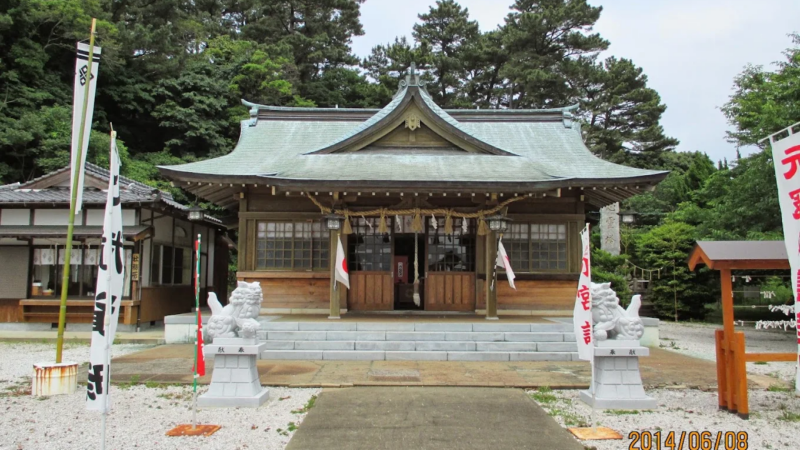
A pair of guardian dogs (komainu) are placed within the shrine grounds. As guardian beasts of the shrine, they play a role in warding off evil spirits and protecting the sacred area. The guardian dogs at Norito Shrine have watched over the history of the region, quietly welcoming visitors.
Worship Hall and Main Sanctuary
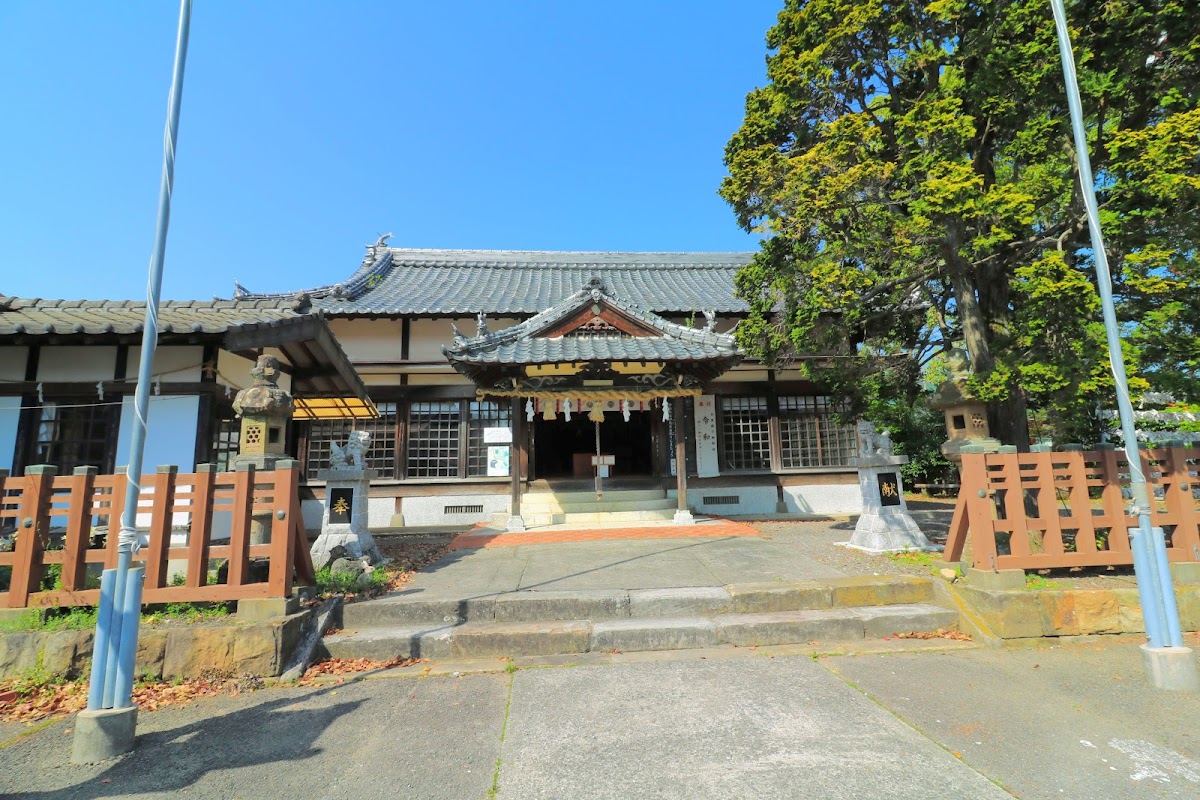
The worship hall of Norito Shrine is where worshippers offer their prayers. Behind it is the main sanctuary, where the enshrined deity resides. The architectural style exhibits characteristics of traditional shrine architecture, giving it a long and historical feel.
Matsuura Inari Shrine
Within the shrine grounds, the Matsuura Inari Shrine is enshrined as a subsidiary shrine. Inari shrines are widely worshipped as deities of business prosperity and abundant harvests, and we recommend visiting them as well when you visit Norito Shrine.
The existence of Matsuura Inari Shrine demonstrates that Norito Shrine is not merely a historical shrine, but a living place of worship that continues to receive the diverse wishes of the local people.
Atmosphere of the Shrine Grounds
Despite being located in an urban area, the grounds of Norito Shrine maintain a tranquil atmosphere. Surrounded by trees, the grounds allow visitors to experience the changing seasons, and the scenery is particularly beautiful during the fresh green season and the autumn foliage season.
Because it is adjacent to Nagasaki Prefectural Sasebo Nishi High School, you may hear the voices of students, but this also contributes to the warm atmosphere unique to a shrine rooted in the community.
Annual Festivals and Events
Norito Shrine holds various festivals and events throughout the year.
Annual Festival
The annual festival is the most important annual event for a Shinto shrine, a celebration of gratitude to the enshrined deity. At the annual festival of Norito Shrine, local people gather, making it an important opportunity to pass on the shrine’s history and traditions to future generations.
During the annual festival, solemn Shinto rituals are performed, and prayers are offered for the peace and prosperity of the community and the happiness of its people.
Other Annual Events
Similar to typical shrines, the following annual events are likely to be held:
- Hatsumode: A visit to pray for happiness in the new year
- Setsubun Festival: A prayer for protection from evil and good fortune
- Spring Grand Festival: Celebrating the arrival of spring and praying for a bountiful harvest
- Natsukoshi no Harae: Purifying oneself of the impurities accumulated over the past six months and praying for good health for the remaining half of the year
- Autumn Grand Festival: Expressing gratitude for the harvest and celebrating a good harvest
- Shichi-Go-San: Celebrating the growth of children and praying for their healthy development
About Goshuin (Shrine Seals)
At Norito Shrine, goshuin are given as proof of worship. Goshuin are popular among many worshippers as a memento of their visit and as proof of their connection with the shrine.
In recent years, an electronic goshuin service has also been introduced, making it possible to obtain goshuin via smartphone. By offering both traditional inscription in goshuincho (stamp books) and modern electronic goshuin (stamps), we cater to the diverse needs of our visitors.
If you wish to receive a goshuin, you can request one at the shrine office after your visit. However, we recommend checking the office’s opening hours and goshuin availability in advance.
Access and Transportation Information
Location
126 Tahara-cho, Sasebo City, Nagasaki Prefecture 857-1161
Access by Train
The most convenient way to get there is by using the Matsuura Railway Nishikyushu Line.
- Get off at Saseki Station and walk for approximately 2 minutes (about 135 meters).
Saseki Station is the closest station to Norito Shrine, and the shrine is within walking distance from the station. Simply follow the road after leaving the station, and you will arrive at the shrine immediately.
Access by Bus
If using Nishihi Bus:
- Get off at Ono Shako-mae Bus Stop and walk approximately 3 minutes (about 207 meters).
Buses run from various locations within Sasebo City to the Ono area. The shrine is a few minutes’ walk from the bus stop.
Access by Car
If traveling by car, head towards the Ono area from the center of Sasebo City via national and prefectural roads. Entering “Norito Shrine” or “126 Tahara-cho, Sasebo City, Nagasaki Prefecture” into your car navigation system will guide you to your destination.
Using Nagasaki Prefectural Sasebo Nishi High School as a landmark will make it easier to find. The shrine is adjacent to the high school grounds.
Regarding parking, there may be parking spaces for visitors on the shrine grounds or nearby, but it is recommended to check details in advance.
Landmarks in the vicinity
- Nagasaki Prefectural Sasebo Nishi High School: Adjacent to the shrine grounds
- Saseki Station: Matsuura Railway Nishikyushu Line, 2-minute walk
- Ono Shako-mae Bus Stop: Nishihi Bus, 3-minute walk
Manners and Etiquette for Visiting the Shrine
When visiting Norito Shrine, please observe the following basic shrine visiting etiquette.
How to Pass Through the Torii Gate
The torii gate is the entrance to the sacred area. Bow before passing through the gate. Since the center of the approach is considered the path of the gods, walk to either the left or right side of the path, avoiding the center.
Proper Ritual for Washing Hands
- Hold the ladle in your right hand and wash your left hand.
- Switch the ladle to your left hand and wash your right hand.
- Hold the ladle in your right hand again, receive water in your left hand, and rinse your mouth.
- Wash your left hand once more.
- Hold the ladle upright and pour water over the handle to cleanse it.
- Return the ladle to its original position.
Proper Ritual for Worshiping at the Main Hall
Worship using the basic “two bows, two claps, one bow” method:
- Place your offering in the offering box.
- If there is a bell, ring it.
- Bow deeply twice.
- Clap your hands twice at chest height.
- Pray sincerely with your hands clasped together.
- Finally, bow deeply once.
Mindset When Visiting a Shrine
Visiting a shrine is a precious time to escape the hustle and bustle of everyday life, quiet your mind, and offer gratitude and prayers to the gods. Please set your mobile phone to silent mode and be mindful of keeping quiet within the shrine grounds.
Attractions Around Norito Shrine
Charms of the Ohno District in Sasebo City
The Ohno district, where Norito Shrine is located, is a residential area in the north-central part of Sasebo City. It is known for its rich natural environment, blessed by the Aiura River, and its long history.
Around the shrine, there are places where the old townscape remains, allowing you to feel the history of Sasebo.
The Aiura River and the History of Development
The Aiura River, deeply connected to the history of Norito Shrine, is an important river flowing through Sasebo City. The development project by Takebe Taneaki utilized the water resources of this Aiura River, laying the foundation for the present-day Ohno district.
A stroll along the Aiura River will allow you to reflect on the hardships and efforts of the pioneers from over a thousand years ago. ### Nagasaki Prefectural Sasebo Nishi High School
Nagasaki Prefectural Sasebo Nishi High School, adjacent to the shrine, plays a vital role as a center of education in the region. The environment of a shrine and a school being adjacent to each other can be considered a symbolic landscape where the region’s history and future coexist.
Relationship with other shrines in Sasebo City
Shrine Culture in Sasebo City
Besides Norito Shrine, Sasebo City has many other shrines, each conveying the history and culture of the region. Visiting these shrines allows you to learn about the diverse historical aspects of Sasebo.
Shrine Pilgrimage in Nagasaki Prefecture
Nagasaki Prefecture as a whole has many famous shrines, including Suwa Shrine (Nagasaki City). Norito Shrine plays a part in this Nagasaki Prefecture shrine network, supporting the region’s faith culture.
Modern Significance of Norito Shrine
As a Center of the Local Community
With a history of over a thousand years, Norito Shrine continues to function as a spiritual pillar of the local community in modern times. Through annual festivals and other events, the shrine serves as a place where local residents gather and deepen their bonds.
As a Place for Historical Education
Norito Shrine, which tells the history of the Aiura River basin’s development, is also a living textbook for history education. In particular, it provides a valuable opportunity for students of the neighboring Sasebo Nishi High School to learn about local history.
Coexistence of Urbanization and Tradition
Amidst the ongoing urbanization of Sasebo City, Norito Shrine plays a crucial role in preserving tradition and history. The existence of a thousand-year-old shrine within a modern living environment serves as a bridge connecting the past, present, and future.
Message to Visitors
Visiting Norito Shrine has meaning beyond mere sightseeing or worship. It allows you to experience the efforts of the pioneers who developed the Aiura River basin over a thousand years ago, and the joy of those who celebrated their success.
The foundation of the prosperous life we enjoy today is built upon the efforts of these pioneers. Why not offer your gratitude for this history and your prayers for the future development of the region through a visit to Norito Shrine?
By calming your mind in the tranquil grounds and immersing yourself in a place of prayer that has been passed down for over a thousand years, you can experience a peace of mind rarely found in everyday life.
Summary
Norito Shrine, located in Tahara-cho, Sasebo City, Nagasaki Prefecture, is a venerable shrine with a history of over a thousand years. It originated as a shrine built to celebrate the successful development of the Ainoura River basin, and it continues to commemorate the achievements of the pioneer, Takebe Taneaki.
Located in the heart of the Ohno district in the north-central part of Sasebo City, and adjacent to Nagasaki Prefectural Sasebo Nishi High School, it attracts the faith of local residents and students. The shrine grounds include a torii gate, a purification fountain, guardian lion-dogs, a worship hall, a main shrine, and the subsidiary Matsuura Inari Shrine, preserving the traditional appearance of a shrine.
Access is very convenient, just a 2-minute walk from Saseki Station on the Matsuura Railway Nishikyushu Line and a 3-minute walk from the Ohno Shako-mae bus stop on the Nishihi Bus line. Goshuin (temple/shrine stamps) are available, and electronic goshuin are also accepted.
Norito Shrine, which conveys the history and culture of the region, continues to play an important role as a spiritual pillar of the local community and as a place for history education. When you visit Sasebo, be sure to visit Norito Shrine and offer a quiet prayer in this sacred place where a thousand years of history breathes.