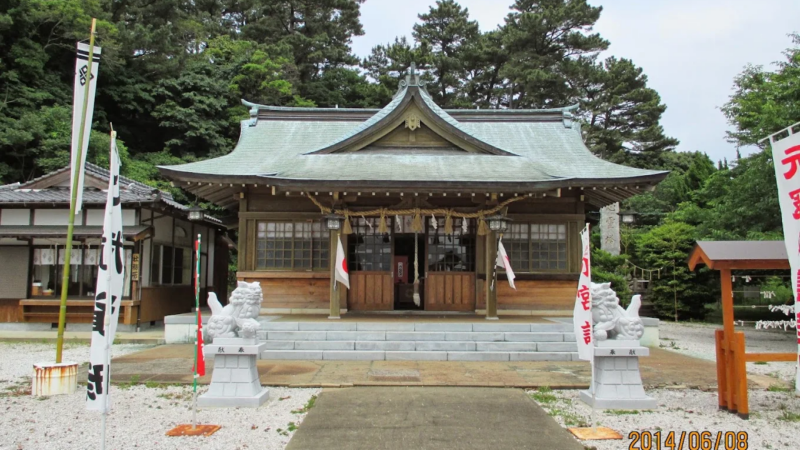
Yasaka Shrine (Isahaya City, Nagasaki Prefecture) Complete Guide | History, Goshuin (Shrine Seal), and Access Information
Located in Yasaka-cho, the heart of Isahaya City, Nagasaki Prefecture, Yasaka Shrine is a shrine that has been cherished by the local people for centuries. As one of over 1000 Yasaka Shrines nationwide, with Kyoto’s Yasaka Shrine as its head shrine, it plays an important role in conveying the history and culture of Isahaya. This article provides a detailed introduction to Yasaka Shrine, including its history, enshrined deities, highlights, worship methods, and access information.
Basic Information on Yasaka Shrine (Isahaya City)
Location and Contact Information
Official Name: Yasaka Shrine
Location: 5-15 Yasaka-cho, Isahaya City, Nagasaki Prefecture 854-0025 (Some sources list 5-25)
Phone Number: 0957-23-2628
Corporate Number: 6310005004249
Religious Corporation Number: Registered as an official religious corporation in Isahaya City.
Deities Enshrined
The deities enshrined at Yasaka Shrine are the following two:
Takehayasusano-no-Mikoto: A god appearing in Japanese mythology, widely worshipped as a god of protection against misfortune and disease. He possesses both a fierce deity aspect and a heroic aspect as the god who slayed the Yamata no Orochi (eight-headed serpent).
Kushinadahime-no-Mikoto: The wife of Susanoo-no-Mikoto, she is revered as the goddess of matchmaking and marital harmony.
These two deities are enshrined at Yasaka Shrine in Kyoto and other Yasaka and Gion Shrines throughout Japan, and are particularly known for their divine power to ward off epidemics and misfortune.
Shrine Rank and History
Yasaka Shrine was established in Isahaya as a branch shrine of the Yasaka Shrine (Gion Shrine) in Kyoto, which serves as the head shrine. As one of approximately 1055 Yasaka Shrines nationwide, it has functioned as a guardian deity of the region.
Isahaya City has long flourished as a transportation hub, and it is believed that Yasaka Shrine was established to prevent the spread of epidemics and protect the peace of the region. Especially during the Edo and Meiji periods, when Gion worship spread throughout Japan, faith in Yasaka Shrine is said to have become particularly strong in Isahaya.
History and Origins of Yasaka Shrine
Yasaka Shrine and Gion Faith
The faith of Yasaka Shrine originates from the Gion faith that began in Kyoto during the Heian period. Susanoo-no-Mikoto became syncretized with Gozu Tenno and became widely worshipped among the common people as a god who protects against epidemics.
Summer festivals, exemplified by the Gion Festival, originated from the “Goryo-e” (a ritual praying for the eradication of plagues), and similar festivals have been held at Yasaka Shrines throughout Japan. It is believed that the Yasaka Shrine in Isahaya has also played a central role in local summer festivals and exorcism rituals.
The Role of Yasaka Shrine in Isahaya
Isahaya City is located in the central part of Nagasaki Prefecture and has long developed as a transportation hub connecting the Shimabara Peninsula and Nagasaki. During the Edo period, it flourished as the castle town of the Isahaya Domain, a place where many people came and went.
Yasaka Shrine has played a vital role as a guardian deity protecting the health and safety of local residents and preventing the entry of epidemics in areas with heavy foot traffic. The current place name, Yasaka-cho, is thought to originate from the existence of this shrine.
Highlights and Grounds Guide of Yasaka Shrine
Torii Gate and Approach
A vermilion torii gate stands at the entrance to Yasaka Shrine, its presence striking even from the city. Passing through the torii gate, a well-maintained approach leads to the sacred grounds, creating a tranquil atmosphere despite its urban location.
Shrine Buildings
The main shrine building is constructed in a traditional shrine architectural style and is carefully maintained as the center of local faith. The building’s construction is simple yet majestic, conveying the powerful presence of Susanoo-no-Mikoto.
Atmosphere of the Shrine Grounds
Located in the urban area of Isahaya City, Yasaka Shrine is surrounded by residential and commercial areas, yet stepping onto its grounds reveals a tranquil oasis, like entering another world. It is a beloved place of daily worship and spiritual solace for local residents.
Stone Steps and Shrine Facilities
The shrine is accessed by climbing stone steps, which prepares the mind to transition from everyday life to the sacred realm. There is also a purification fountain within the grounds, allowing visitors to cleanse their minds and bodies before worship.
Goshuin (Shrine Seal) and Gift Information
About Goshuin
Goshuin (shrine seals) are available at Yasaka Shrine. Many visitors receive a goshuin as a memento of their visit and as a way to preserve their connection with the shrine.
When receiving a Goshuin (temple/shrine stamp), please note the following:
- Receive the Goshuin after completing your prayers.
- Bring your Goshuincho (stamp book) with you (if you do not have one, you may receive a pre-written stamp).
- Visit during the shrine office’s reception hours.
- Prepare the offering fee (usually around 300-500 yen).
Amulets and Souvenirs
Yasaka Shrine offers amulets and souvenirs related to its divine virtues of warding off evil and disease. For those in their unlucky year or those praying for good health, the powerful protective amulet of Susanoo-no-Mikoto is highly recommended.
Annual Events and Festivals
Grand Festival
The most important festival at Yasaka Shrine is the Grand Festival (Reisai). While many Yasaka Shrines hold festivals similar to the Gion Festival in the summer, the Yasaka Shrine in Isahaya has also held festivals linked to local summer festivals.
New Year’s Visit, Setsubun, and Summer Purification Ceremony
The following events are held throughout the year:
New Year’s Visit (January 1st-3rd): The shrine is bustling with worshippers praying for good health and protection from illness in the new year.
Setsubun Festival (around February 3rd): Exorcism rituals such as bean-throwing are sometimes held.
Summer Purification Ceremony (June 30th): A Shinto ritual to purify oneself of the impurities accumulated over the past six months and pray for good health and protection from illness for the remaining half of the year.
Autumn Grand Festival: A ceremony to express gratitude for the harvest and pray for the prosperity of the region.
How to Worship and Worship Manners
Basic Worship Etiquette
Here’s how to properly worship at Yasaka Shrine:
- Passing Through the Torii Gate: Bow before passing through the torii gate. The center of the path is the path for the gods, so walk along the side.
- Purifying at the Water Basin: Purify your left hand, then your right hand. Rinse your mouth with water in your left hand, and finally cleanse the handle of the ladle.
- Mannerisms in Front of the Main Hall: Quietly place your offering in the offering box, and ring the bell if present.
- Two Bows, Two Claps, One Bow: Bow deeply twice, clap your hands twice, silently express your wishes and gratitude, and finally bow deeply once more.
- Departure: When leaving through the torii gate, bow once again, facing the shrine.
Clothing and Items to Bring When Visiting
No special clothing is required, but please wear clean clothing that is respectful to the gods. In summer, bring a hat and water; in winter, remember to dress warmly.
Access Information
Access by Train
Nearest Station: JR Nagasaki Main Line “Hon-Isahaya Station”
Walking Distance: Approximately 4 minutes on foot from Hon-Isahaya Station (approx. 314m)
Hon-Isahaya Station is the station before Isahaya Station and is the closest station to Yasaka Shrine. Upon exiting the station, proceed towards Yasaka-cho, and you will see a vermilion torii gate.
Access from Other Stations:
- Approximately 15 minutes on foot from JR “Higashi-Isahaya Station” (approx. 1.2km)
- Approximately 15 minutes on foot from Shimabara Railway “Sachi Station” (approx. 1.2km)
- Approximately 20 minutes on foot from JR “Isahaya Station,” or by bus or taxi.
Access by Bus
Take a local bus operating within Isahaya City and get off at the “Yasaka-cho” bus stop; the shrine is a short walk from there. If using the bus from Isahaya Station, you can use the city loop bus or buses going to various destinations.
Access by Car
From Nagasaki Expressway “Isahaya IC”: Approximately 10 minutes
Car Navigation Setting: Search for “5-15 Yasaka-cho, Isahaya City, Nagasaki Prefecture” or phone number “0957-23-2628”
Parking: There may be parking spaces on the shrine grounds or nearby, but we recommend checking on-site or inquiring in advance for details. Since it is in an urban area, please also consider using nearby coin-operated parking lots.
Map and Navigation
Yasaka Shrine is located in Yasaka-cho, in the heart of Isahaya City. The surrounding area is lined with residential areas and shops, indicating that it is a shrine deeply rooted in the community. Searching for “Yasaka Shrine Isahaya City” on map apps such as Google Maps, Yahoo! Maps, or NAVITIME will display the exact location and route.
Nearby Tourist Attractions and Shrines/Temples
Major Shrines in Isahaya City
After visiting Yasaka Shrine, why not explore other shrines and temples in Isahaya City?
Isahaya Shrine: Known as the guardian shrine of Isahaya, it is located in the city center.
Shimen-gu Shrine: One of Isahaya City’s historical shrines, it is a center of local faith.
Honmyo-ji Temple: One of Isahaya’s representative temples.
Tourist Attractions in Isahaya City
Isahaya Park: Known as a famous cherry blossom viewing spot in spring, this beautiful park also features the Meganebashi Bridge.
Meganebashi Bridge: A representative tourist attraction of Isahaya, this stone bridge was built during the Edo period.
Isahaya Station Area: The city center where you can enjoy shopping and dining.
Honmyo River: A river flowing through the city, with well-maintained walking paths.
Benefits and Faith of Yasaka Shrine (Isahaya City)
Main Benefits
The benefits offered by Susanoo-no-Mikoto and Kushinada-hime-no-Mikoto, the deities enshrined at Yasaka Shrine, are numerous:
Protection from Misfortune: Susanoo-no-Mikoto’s powerful divine authority wards off all kinds of misfortunes.
Protection from Epidemics and Recovery from Illness: Worshipped since ancient times as a god who protects against epidemics.
Health and Longevity: Protects against illness and ensures a long and healthy life.
Matchmaking and Marital Harmony: Kushinada-hime-no-Mikoto’s divine virtues bring good fortune in relationships and marital harmony.
Business Prosperity: As a guardian deity of the region, prayers for business prosperity can be offered.
Family Safety: Protects the safety and happiness of all family members.
Those Especially Recommended to Visit
- Those entering their unlucky year
- Those undergoing medical treatment or praying for good health
- Those seeking a good relationship
- Newlyweds
- Those praying for the safety of their community
- Those with ties to Isahaya City
Guidelines for Visiting Yasaka Shrine
Suitable Time and Season for Visiting
While Yasaka Shrine is generally open year-round, the following times are especially recommended:
New Year’s Visit (January 1st-3rd): Ideal for New Year’s prayers.
During the Annual Grand Festival: The shrine is at its most vibrant, offering opportunities to experience special rituals.
Exorcism for Unlucky Years: Those in their unlucky year are advised to receive an exorcism around Setsubun (February 3rd) or during their birth month.
Visiting Time: Daytime is ideal for visiting. Early mornings offer a refreshing and peaceful experience.
Regarding Photography
Photography is generally permitted on the shrine grounds, but please observe the following manners:
- Refrain from taking photos inside the main hall.
- Be considerate of other worshippers.
- Remember that this is a sacred place and take photos with respect.
- Be careful about disclosing location information when posting on social media.
The Social Role of Yasaka Shrine
Center of the Local Community
Yasaka Shrine is not merely a religious facility; it functions as a central presence in the local community. Through festivals and events, it serves as a place for interaction among local residents and contributes to the preservation of traditional culture.
Value as a Cultural Asset
Yasaka Shrine is an important cultural asset in telling the history of Isahaya City. The architectural style of the shrine, the form of its festivals, and the history of its faith are valuable resources for studying the cultural history of the region.
Trivia about Yasaka Shrine
Relationship with Yasaka Shrines Nationwide
All approximately 1055 Yasaka Shrines nationwide consider Kyoto’s Yasaka Shrine as their head shrine. While each region has developed uniquely, they share a common foundation: the Gion faith, which enshrines Susanoo-no-Mikoto.
The Place Name Yasaka
The place name “Yasaka-cho” in Isahaya City is thought to originate from the existence of Yasaka Shrine. The phenomenon of shrine names becoming place names is seen throughout Japan, indicating the importance of the shrine in that region.
The Myth of Susanoo-no-Mikoto
Susanoo-no-Mikoto is a god who plays an important role in Japanese mythology. Born as the younger brother of Amaterasu-Omikami, he was banished from Takamagahara due to his fierce nature. However, in Izumo Province, he slayed the Yamata no Orochi (eight-headed serpent) and rescued Kushinadahime-no-Mikoto, marrying her. Because of this heroic act, he came to be worshipped as a god who wards off evil and disaster.
Visitor Feedback and Reviews
Visitors to Yasaka Shrine have shared the following comments:
“Despite being in the city, it’s a quiet and peaceful shrine. It’s conveniently located near Hon-Isahaya Station.”
“The well-maintained grounds conveyed that this shrine is cherished by the local community.”
“The vermilion torii gate was impressive, and I visited to receive protection from evil. I felt a sense of purification.”
Model Course for Visiting Yasaka Shrine
Half-Day Course (Isahaya Shrine Tour)
9:00 Arrive at Hon-Isahaya Station
↓ 4-minute walk
9:10 Visit Yasaka Shrine (30 minutes)
↓ Walk/Bus Travel
10:00 Visit Isahaya Shrine (40 minutes)
↓ Walk
11:00 Stroll through Isahaya Park (60 minutes)
12:00 Lunch near Isahaya Station
One-Day Course (Enjoying Isahaya)
We recommend a course that includes visiting shrines and temples in the city, including Yasaka Shrine, in the morning, and sightseeing spots such as Meganebashi Bridge and Isahaya Park in the afternoon.
Frequently Asked Questions (FAQ)
Q1: Can I get a Goshuin (shrine stamp) at Yasaka Shrine anytime?
A1: You can get a Goshuin during the shrine office’s reception hours. However, it may not be available if the priest is absent or during festivals, so if you want to be sure to get a Goshuin, we recommend calling ahead to confirm.
Q2: Is there parking available?
A2: There may be parking spaces on the shrine grounds or nearby, but due to its location in the city center, spaces may be limited. For details, please contact the shrine directly or consider using nearby coin parking.
Q3: Can I receive an exorcism anytime?
A3: Exorcisms are usually performed by reservation only. If you wish to have an exorcism performed, please contact the shrine by phone in advance to confirm the date, time, and offering fee. Generally, many people receive exorcisms around Setsubun (the day before the beginning of spring) or during their birth month.
Q4: Can I have a wedding ceremony here?
A4: Please contact the shrine directly regarding the performance of Shinto wedding ceremonies. The response may vary depending on the scale and facilities.
Q5: Can I return amulets and talismans?
A5: Old amulets and talismans can usually be returned at the talisman return area or shrine office. While they are generally accepted even if they are from other shrines, it is preferable to return them to the shrine that originally bestowed them upon you.
Q6: Is it possible to visit in a wheelchair?
A6: Due to the stone steps, assistance may be necessary for wheelchair users. We recommend checking with the shrine in advance regarding accessibility.
Q7: Can I bring my pet to the shrine?
A7: Pet policies vary from shrine to shrine. Generally, dogs are permitted if they are being held or placed in a carrier, but it is recommended to check beforehand. Consideration for other worshippers is also necessary within the shrine grounds.
Summary
Yasaka Shrine, located in Yasaka-cho, Isahaya City, Nagasaki Prefecture, enshrines Susanoo-no-Mikoto and Kushinadahime-no-Mikoto, and is a beloved shrine in the community for its diverse blessings, including protection against misfortune, eradication of disease, and matchmaking.
Despite its convenient location just a 4-minute walk from Hon-Isahaya Station, the shrine grounds exude a tranquil atmosphere, providing a peaceful space for worship. The striking vermilion torii gate is easily recognizable from the town.
As one of 1055 Yasaka Shrines nationwide, with Kyoto’s Yasaka Shrine as its head shrine, it has a history of playing a central role in Gion worship in Isahaya and continues to be cherished as a spiritual pillar of the local community.
When you visit Isahaya City, be sure to stop by Yasaka Shrine and experience the powerful protection of Susanoo-no-Mikoto and the gentle divine grace of Kushinadahime-no-Mikoto. It’s also an ideal place to visit for important life events such as New Year’s prayers, exorcisms, and prayers for good relationships.
Nearby attractions include Isahaya Shrine, Isahaya Park, and Meganebashi Bridge, allowing you to enjoy Isahaya’s history and culture in conjunction with your visit to Yasaka Shrine. Its convenient access makes it an easy shrine to visit as part of a Nagasaki sightseeing trip or as a day trip.