Complete Guide to Kotengu Shrine (Omura City, Nagasaki Prefecture) | History and Benefits of the Former Guardian Shrine of Sonogi District, Hizen Province
Kotengu Shrine, located in Miyakoji, Omura City, Nagasaki Prefecture, is a venerable shrine with a history of approximately 2000 years. As the former guardian shrine of Sonogi District in Hizen Province, it has attracted deep faith from people throughout the area surrounding Omura Bay. This article comprehensively explains information useful for visiting Kotengu Shrine, including its history, enshrined deities, benefits, highlights within the grounds, and access information.
Basic Information about Kotengu Shrine
Kotengu Shrine is located at 2-537 Miyakoji, Omura City, Nagasaki Prefecture, and is easily accessible from the center of Omura City.
Basic Data
- Official Name: Kōten-gū
- Pronunciation: Kōten-gū
- Address: 2-537 Miyakoji, Ōmura City, Nagasaki Prefecture
- Phone Number: 0957-55-8450
- Founded: Nara period (traditionally about 2000 years ago)
- Former Shrine Rank: Gōsha (village shrine)
- Deities Enshrined: Kōten Ōkami (three pairs of imperial ancestral couples, gods of Ise and Izumo)
Kōten-gū is counted as one of the three major shrines of Nagasaki. It is said that visiting all three shrines—Suwa Shrine in Nagasaki City, Kameyama Hachiman-gū in Sasebo City, and Kōten-gū—brings blessings of good health, protection from illness, and good fortune for the entire year.
History and Origins of Haotian Temple
Origin of Founding
The founding of Haotian Temple dates back approximately 2000 years to the Yayoi period. During the era when a culture was built on the plains of the Gunkawa River basin, it is believed that a powerful local clan enshrined the ancestral deity of the nation as their family’s tutelary god.
“Haotian” means the Amatsukami (heavenly gods) who protect the universe and the sky. Ancient texts state that “3000 years ago, the day when the phoenix took flight was called Haotian.” Haotian Temple, bearing this sacred name, has held the position of the guardian deity of the western region and the chief guardian shrine of Sonogi District in Hizen Province since ancient times.
Formal Founding in the Nara Period
In the Nara period, Haotian Temple was established as the formal chief guardian shrine of Sonogi District in Hizen Province. In Sonogi County, which encompassed the entire area surrounding Omura Bay, the shrine came to play an important role as the guardian deity of the region.
Suffering and Reconstruction During the Sengoku Period
The greatest trial in the history of Koten-gu Shrine came during the Sengoku period (Warring States period). Due to Lord Omura Sumitada’s Christian policies, the shrine, along with other temples and shrines in the Omura domain, was burned down in 1574, and valuable records such as its founding history and other documents were lost. Therefore, detailed records of its founding remain unclear to this day.
However, in 1602, Lord Omura Yoshiaki rebuilt the shrine. At this time, it was moved to its current location (Miyakoji), which was originally the temporary shrine of Koten-gu, and remains there to this day. With this reconstruction, Koten-gu Shrine regained its status as the principal guardian shrine of the Omura domain and developed under the domain’s patronage throughout the Edo period.
Development Since the Modern Era
Following the Meiji-era separation of Shinto and Buddhism, Kōten-gū Shrine was elevated to the rank of a local shrine. Even after World War II, it continued to be revered as the guardian shrine of the region, attracting the devotion of many worshippers, including the citizens of Ōmura. Currently, while preserving traditional rituals, it remains a beloved shrine deeply rooted in the community.
Deities and Divine Virtues
Main Deity: Kōten Ōkami
The main deity of Kōten-gū Shrine is Kōten Ōkami, specifically the three pairs of imperial ancestral couples, and the deities of Ise and Izumo. This deity has been revered as a god who governs fate and destiny, and is believed to possess great spiritual power.
As a heavenly deity protecting the universe and the sky, Kōten Ōkami is believed to have the power to watch over and guide people on their life paths.
Divine Blessings and Virtues
Haotian Temple is believed to offer a wide range of blessings:
Main Blessings
- Protection from Misfortune: Protection from the misfortunes of unlucky years and blessings for a refreshing life.
- Matchmaking: Divine blessings for forming good relationships and deepening bonds between people.
- Childbearing: Blessings for couples wishing for children.
- Safe Childbirth: Protection for a healthy birth for both mother and child.
- Family Safety: Protection of the health and peace of all family members.
- Good Fortune and Prosperity: Power to enhance luck and attract happiness.
- Good Health and Longevity: Protection from illness and granting health and longevity.
As a deity that governs fate and destiny, many worshippers visit the temple at important turning points in their lives. In particular, many people pray for protection from misfortune during unlucky years, for matchmaking before marriage, and for children.
Highlights of the Shrine Grounds
Shrine Buildings and Architecture
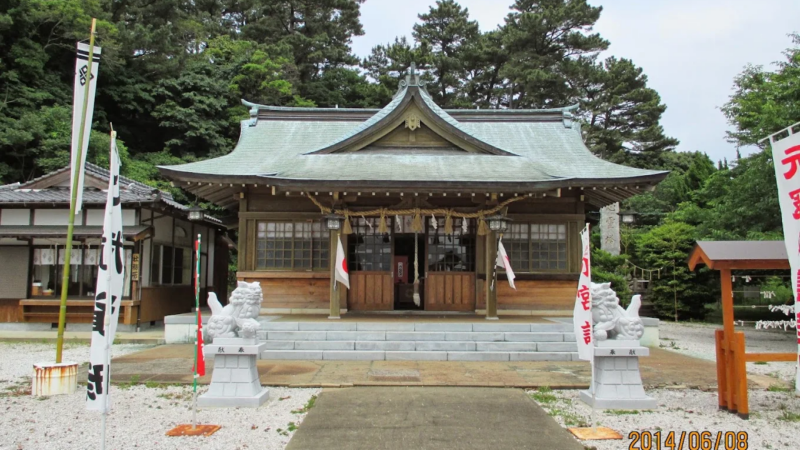
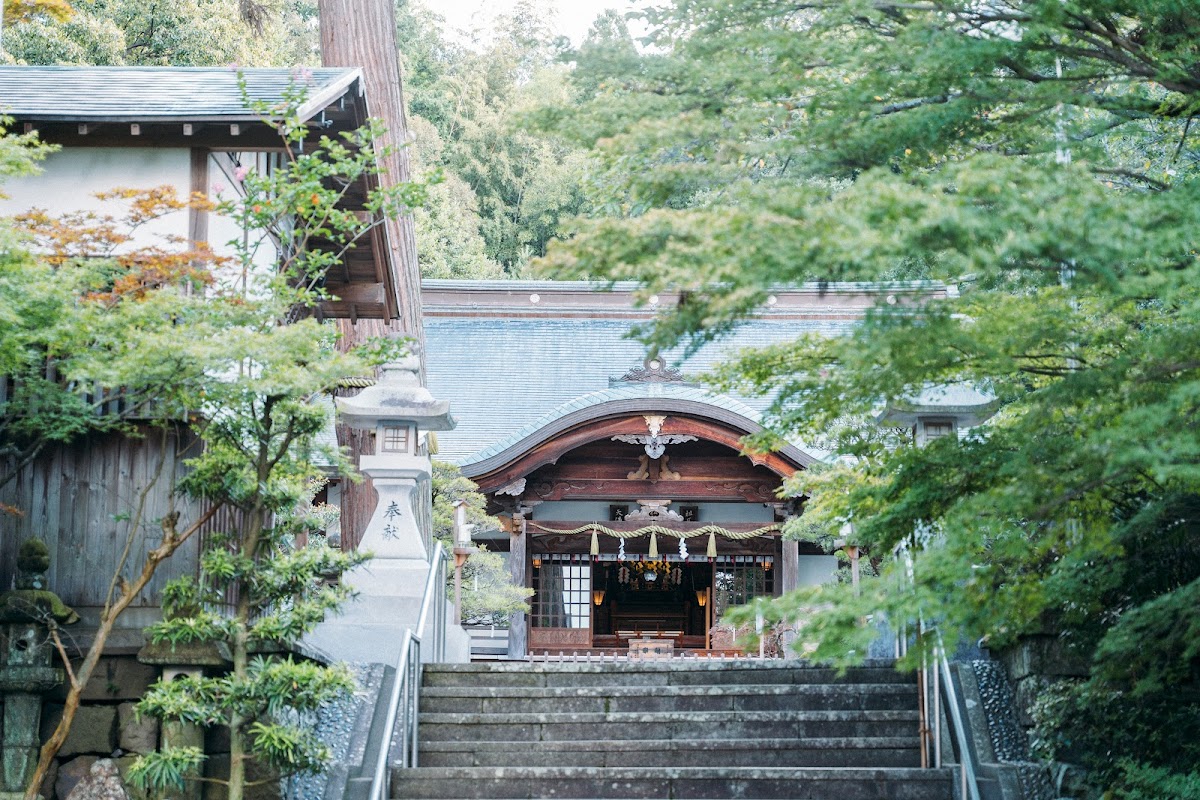
The current shrine buildings of Haotian-gu have been maintained through several restorations since their reconstruction in 1602 (Keicho 7). While preserving the style of traditional shrine architecture, they exude a solemn atmosphere.
In the worship hall, worshippers can quietly offer their prayers, and the main hall houses the enshrined deity. The entire grounds are enveloped in a pure atmosphere, providing peace of mind to visitors.
Nature of the Shrine Grounds
The grounds of Haotian-gu are lined with trees that tell the story of its long history. The environment allows visitors to experience the changing seasons, with cherry blossoms in spring, fresh greenery in summer, autumn leaves in fall, and a tranquil landscape in winter, each offering a different view depending on the time of year.
Among the ancient trees, there are sacred trees that have grown alongside the history of the shrine, and many worshippers visit to feel their power.
Stone Monuments and Memorials
Several stone monuments and memorials that tell the story of the shrine’s history are erected within the grounds. These are valuable historical materials that convey the history of Koten-gu Shrine and its connection to the local community.
Shrine Office and Souvenirs
At the shrine office, you can receive Goshuin (shrine stamps), various amulets, and talismans. Original Koten-gu Shrine souvenirs are also available, and many people purchase them as mementos of their visit.
The Goshuin are carefully handwritten in ink and stamped with the Koten-gu Shrine seal, giving them a dignified appearance. Many visitors bring their Goshuin notebooks with them.
Annual Events and Festivals
Koten-gu Shrine holds various festivals and religious ceremonies throughout the year.
Main Annual Events
- New Year’s Day Festival: The first shrine visit of the year, praying for happiness in the new year, is bustling with many worshippers.
- Setsubun Festival: Traditional events such as bean-throwing are held.
- Spring Grand Festival: Prayers are offered for a bountiful harvest as spring arrives.
- Summer Purification Ceremony: A Shinto ritual to cleanse away the sins and impurities accumulated over the past six months.
- Autumn Grand Festival: One of the most important festivals at Haotiangu Shrine.
- Shichi-Go-San (7-5-3 Festival): Many worshippers visit to celebrate the growth of their children.
- Year-End Purification Ceremony: A ritual to cleanse away the sins and impurities of the year and prepare for a refreshing New Year.
The Autumn Grand Festival, in particular, is a grand festival involving the entire community, with events such as a portable shrine procession and offering ceremonies.
Individual Prayers
Haotengu Shrine accepts individual prayers at any time. We offer prayers for various purposes, including protection from evil, family safety, business prosperity, traffic safety, and success in examinations. By contacting the shrine office in advance, you can receive a more thorough and respectful prayer service.
Access and Visiting Information
Location and Contact Information
- Address: 2-537 Miyakoji, Omura City, Nagasaki Prefecture 856-0807
- Phone: 0957-55-8450
- Official Website: https://www.koutengu.jp/
Transportation Access
Access by Train
- Approximately 15 minutes on foot from JR Omura Line “Omura Station”
- Approximately 5 minutes by taxi from the station
Access by Car
- Approximately 10 minutes from Nagasaki Expressway “Omura IC”
- Approximately 20 minutes by car from Nagasaki Airport
- Parking available (parking spaces for visitors on the temple grounds)
Access by Bus
- Immediately after alighting at “Koutengu-mae” bus stop on the Omura City Loop Bus
Visiting Hours
- Free Visiting: The temple grounds are generally open for free visits
- Shrine Office Hours: 9:00 AM – 5:00 PM (approximate)
- Prayer Requests: We recommend calling ahead to confirm and make a reservation.
Parking Information
There is a parking lot for visitors on the shrine grounds. Except during busy periods such as New Year’s Day and festivals, there is usually ample parking space. If you wish to visit in a large vehicle, it is recommended to contact the shrine in advance.
Nearby Tourist Attractions
When visiting Koten-gu Shrine, we recommend also visiting the tourist attractions around Omura City.
Omura Park
This park, centered around the nationally designated historical site of Kushima Castle, is known as a famous cherry blossom viewing spot. In spring, approximately 2000 cherry trees bloom, and it has been selected as one of “Japan’s Top 100 Cherry Blossom Viewing Spots.”
Omura Bay
Also known as the “Sea of Koto,” this calm inland sea offers beautiful scenery. Driving around Omura Bay is also a popular route.
Nagasaki Airport
Nagasaki Airport, Japan’s only offshore airport, is approximately a 20-minute drive from Koten-gu Shrine. The airport features an observation deck and restaurants, offering views of planes taking off and landing.
Omura City Historical Museum
This museum exhibits the history of the Omura Domain and Christian historical materials, providing valuable insight into the historical background of Koten-gu Shrine.
A Recommendation for Visiting the Three Shrines of Nagasaki
Koten-gu Shrine, one of the three major shrines of Nagasaki, enjoys special reverence. Visiting all three shrines—Suwa Shrine in Nagasaki City, Kameyama Hachimangu Shrine in Sasebo City, and Koten-gu Shrine—is believed to bring good health, protection from illness, and good fortune for the entire year.
The Three Shrines of Nagasaki
- Suwa Shrine (Nagasaki City): A shrine revered as the principal guardian deity of Nagasaki.
- Kameyama Hachimangu Shrine (Sasebo City): A shrine beloved as the guardian deity of Sasebo.
- Kotengu Shrine (Omura City): The principal guardian shrine of Sonogi District, Hizen Province.
These three shrines are known as particularly historically significant shrines within Nagasaki Prefecture, and each is deeply connected to the history of its region. By taking the time to visit all three shrines, you can gain a deeper understanding of the history and culture of Nagasaki Prefecture.
Etiquette for Visiting Kotengu Shrine
By observing proper etiquette for visiting shrines, you can have a more heartfelt visit.
Basic Worship Etiquette
- Bow before passing through the torii gate: As a sign of respect before entering the sacred area.
- Purify yourself at the water basin: Purify your left hand, then your right hand, then your mouth.
- Walk along the edge of the path: The center is considered the path of the gods.
- Etiquette at the main hall: Two bows, two claps, and one bow are the basics.
- Bow upon leaving: Turn around and bow before leaving the torii gate.
Photography
Photography is generally permitted within the shrine grounds, but it may be advisable to refrain from taking pictures inside the main hall or during religious ceremonies. Please check with the shrine office if you have any questions.
The Charm and Value of Visiting Haotiangu Shrine
Haotiangu Shrine is not merely a tourist spot, but a place of worship with a 2000-year history. As a shrine dedicated to the gods who govern fate and destiny, it is a shrine worth visiting at important turning points in life.
Recommended for those who:
- Seek protection from misfortune for those entering their unlucky year
- Seek good fortune in love for those seeking a partner
- Seek fertility for couples hoping for children
- Want to visit historical shrines
- Are planning a pilgrimage to the three Nagasaki shrines
- Want to find peace of mind in a quiet environment
- Are collecting Goshuin (shrine stamps)
The tranquil atmosphere of the shrine grounds will make you forget the hustle and bustle of everyday life. Because Koten-gu Shrine has received the prayers of many people throughout its long history, it will deeply resonate with the hearts of those who visit.
Summary: Points to remember when visiting Koten-gu Shrine
Located in Omura City, Nagasaki Prefecture, Koten-gu Shrine is the principal guardian shrine of Sonogi District in Hizen Province, with a history of approximately 2000 years. Its history, formally established during the Nara period and rebuilt after surviving burning during the Sengoku period, speaks to the deep faith of the local people.
Kōten-gū Shrine, dedicated to Kōten Ōkami, the deity who governs fate and destiny, is known for its diverse blessings, including protection from evil, matchmaking, and fertility. It’s a shrine you should visit at important turning points in your life. As one of Nagasaki’s three major shrines, visiting it along with Suwa Shrine and Kameyama Hachiman-gū Shrine is said to bring even greater blessings.
Easily accessible from the center of Ōmura City, and with ample parking, it’s a convenient place to visit. There are many tourist attractions nearby, such as Ōmura Park and Ōmura Bay, making it a great option for a day trip exploring Ōmura City.
Why not offer a peaceful prayer in this sacred space where history and nature intertwine? Kōten-gū Shrine is one of Nagasaki Prefecture’s leading shrines, offering deep peace and renewed vitality to its visitors.