Ozu Shrine (Kochi Prefecture, Kochi City) Complete Guide | History, Blessings, Shikoku’s Largest Daikoku Statue, and Visiting Information
Ozu Shrine, located in Saiwai-cho, Kochi City, is a venerable shrine boasting a history of over 1000 years. It is beloved by the local people as the guardian deity of the Enokuchi area of Kochi City, and visitors are greeted by the largest stone statue of Daikoku in Shikoku. This article provides a detailed introduction to Ozu Shrine, including its history, blessings, highlights, and access information.
Basic Information about Ozu Shrine
Location: 9-1 Saiwai-cho, Kochi City, Kochi Prefecture 780-0045
Phone Number: 088-873-6602
Parking: Available (If full, you can also use the Kunteki Shrine parking lot)
Nearest Station: Approximately 3 minutes on foot (approx. 209m) from Irimyo Station on the Tosa Electric Railway
Ozu Shrine is located in the heart of Kochi City, making it easily accessible. The chief priest also serves at Kunteki Shrine, and the two shrines have a close relationship.
History and Origins of Ozu Shrine
An Ancient Shrine with Over 1000 Years of History
Ozu Shrine is said to have been founded over 1000 years ago, making it an ancient shrine that has walked hand in hand with the history of Kochi City. It is said that at the time of its founding, the current center of Kochi City was the sea.
From Kumano Daigongen to Ozu Shrine
For over 500 years since its founding, Ozu Shrine was located in Kuma and was known as “Kumano Daigongen.” Influenced by Kumano faith, it was a central figure in the local religious community.
Later, it is said to have moved to its current location in Ozu-cho, at the foot of Mt. Otakasaka (where Kochi Castle now stands). This relocation is closely related to the development of Kochi’s urban area, and the shrine has played an important role as a guardian deity of the region.
As the Guardian Deity of the Enokuchi Area
Currently, Ozu Shrine is the guardian deity of the Enokuchi area of Kochi City, attracting the faith of local residents. While the towns of the shrine’s parish have changed over time, the bond between the shrine and the community remains strong.
Deities and Benefits
Main Deity
The main deity of Ozu Shrine is Okuninushi-no-Mikoto. Okuninushi-no-Mikoto, also known as the principal deity of Izumo Taisha Shrine, is worshipped as a god with many divine virtues.
Main Benefits
Ozu Shrine is believed to offer the following benefits:
Business Prosperity: Okuninushi-no-Mikoto is also known as the god of business, and many worshippers visit to pray for business development and prosperity.
Matchmaking: Because Okuninushi-no-Mikoto has formed connections with many gods, he is believed to bring good fortune in relationships and matchmaking.
National Development: As the god of nation-building, he protects the development and prosperity of the region.
Medicine and Health: He is also believed to have divine virtues related to medicine and health, and worshippers visit to pray for recovery from illness.
Elimination of Misfortune: He offers protection against misfortune and disasters during unlucky years.
Traffic Safety: Prayers for traffic safety, which is important in modern society, are also offered.
Highlights of Ozu Shrine
The Largest Statue of Okuninushi in Shikoku
The greatest highlight of Ozu Shrine is the stone statue of Okuninushi (Ōkuninushi-no-Mikoto), the largest in Shikoku, located within the shrine grounds.
Height: 3.9 meters
Weight: 18 tons
This gigantic statue of Okuninushi stands as if gently watching over worshippers, and is a symbolic presence of Ozu Shrine. As the god of business prosperity, many business owners and those running businesses visit to pray. Standing before the stone statue, you will be astonished by its overwhelming presence.
Atmosphere of the Shrine Grounds
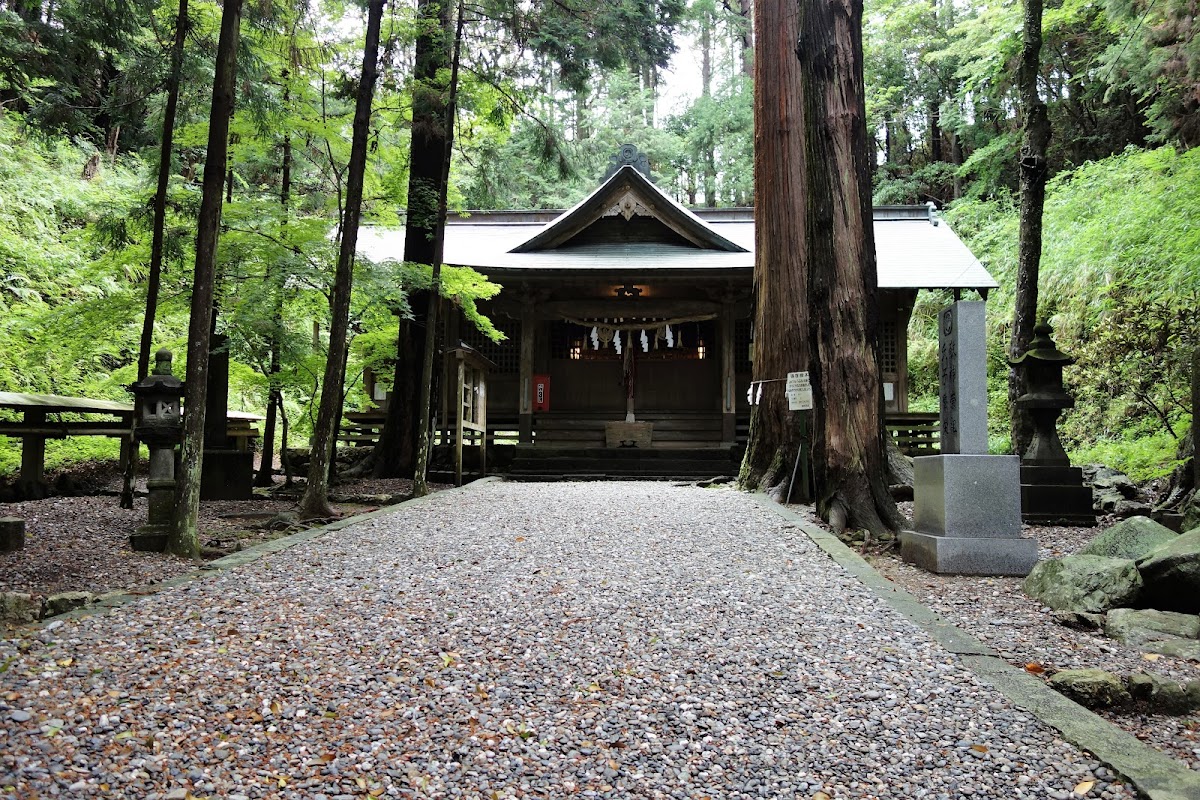
Despite being located in the city center of Kochi, the shrine grounds are enveloped in a quiet and peaceful atmosphere. It is a space where you can leave the hustle and bustle of the city and pray in peace.
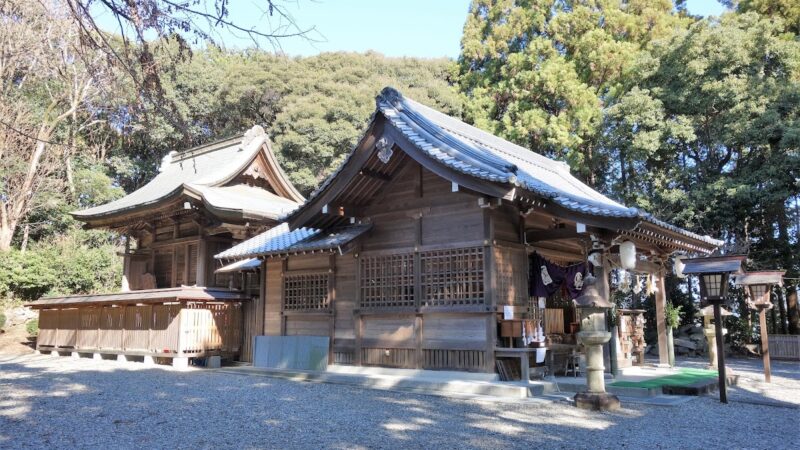
In addition to the main hall and worship hall, the shrine grounds are equipped with facilities such as a purification fountain, ensuring that worshippers can pray comfortably.
Otabisho (Temporary Shrine) – Shinmei-gu Shrine
Ozu Shrine has a Shinmei-gu Shrine that serves as an Otabisho (temporary shrine). An Otabisho is a resting place or temporary site for the portable shrine during a shrine festival. Shinmei-gu Shrine plays an important role in the festival of Ozu Shrine.
Festivals and Annual Events
Ozu Shrine holds various festivals and events throughout the year. As the local guardian shrine, it carefully preserves traditional seasonal festivals.
Main Annual Events
- Hatsumode (First Shrine Visit of the New Year): Many worshippers visit the shrine in the new year to pray for safety and prosperity throughout the year.
- Setsubun Festival (Bean-Throwing Festival): A traditional event to ward off evil and invite good fortune.
- Reitaisai (Grand Festival) (Annual Grand Festival): The most important festival at the shrine, celebrated grandly by the entire community.
- Shichi-Go-San (Seven-Five-Three Festival): A traditional event celebrating the growth of children.
- Year-End Grand Purification Ceremony: A Shinto ritual to cleanse and purify the impurities of the past year.
These events also serve as an opportunity to deepen the bonds of the local community, and are welcomed not only by parishioners but also by the general public.
Prayers and On-Site Ceremonies
Ozu Shrine accepts various prayers. You can receive formal prayers from Shinto priests according to life milestones and wishes.
Main Prayers
- Business Prosperity
- Family Safety
- Protection from Evil
- Traffic Safety
- Success in Exams
- Good Relationships
- Safe Childbirth
- First Shrine Visit for a Newborn
- Shichi-Go-San (7-5-3 Festival)
- Recovery from Illness
On-Site Ceremonies
Ozu Shrine also performs on-site ceremonies at homes, companies, construction sites, etc. We handle various Shinto rituals, including ground-breaking ceremonies, roof-raising ceremonies, completion ceremonies, and purification ceremonies for new vehicles.
If you wish to request a prayer or a special ceremony, we recommend contacting the shrine by phone (088-873-6602) in advance.
About Goshuin (Shrine Seals)
Goshuin are available at Ozu Shrine. Goshuin are popular among many visitors as proof of their visit and as a record of their connection with the shrine.
If you wish to receive a Goshuin, please request it at the shrine office after your visit. Bringing your Goshuincho (seal book) is recommended, but they may be able to accommodate you even if you don’t have one.
For information regarding Goshuin reception hours and fees, please contact the shrine directly.
Relationship with Kunteki Shrine
The chief priest of Ozu Shrine also serves as the chief priest of the nearby Kunteki Shrine.
Location of Kaoru Shrine: 5-7, Horagashima-cho, Kochi City, Kochi Prefecture 780-0042
The two shrines are geographically close and share a parking lot, indicating a close relationship. If the parking lot at Ozu Shrine is full, you can use the parking lot at Kaoru Shrine.
When visiting Kochi City, it is recommended to visit both shrines. Each has a different history and characteristics, allowing you to gain a deeper understanding of Kochi’s shrine culture.
Access Methods
Access by Public Transportation
Using Tosa Electric Railway (Tram):
- Get off at “Irimyo Station,” approximately 3 minutes on foot (approx. 209m)
- Get off at “Kochi Castle Station,” approximately 12 minutes on foot (approx. 992m)
The Tosa Electric Railway is a tram line running through Kochi City, making it an easily accessible mode of transportation for tourists. Irimyo Station is the nearest station, and the shrine is very close to the station, making public transportation convenient.
Access by Car
From Kochi City Center:
Approximately 1.5 km from Kochi Castle, about a 5-minute drive.
From the Kochi Expressway:
Approximately 10 minutes from Kochi Interchange.
Car Navigation Setting:
You can search using the address “9-1 Saiwai-cho, Kochi City, Kochi Prefecture” or the phone number “088-873-6602”.
Parking Information
Ozu Shrine has its own parking lot. However, parking spaces are limited, so caution is advised, especially during busy periods such as festivals and New Year’s.
If the Ozu Shrine parking lot is full, you can use the parking lot of Kaoru Shrine (5-7 Horagashima-cho, Kochi City). Both shrines are within walking distance of each other.
Distance from Major Nearby Facilities
- Kochi Castle: Approximately 1.5km (approximately 20 minutes on foot, approximately 5 minutes by car)
- Harimaya Bridge: Approximately 1.8km (approximately 7 minutes by car)
- Kochi Station: Approximately 2.5km (approximately 10 minutes by car)
It is conveniently located near major tourist attractions in Kochi City, making it easy to incorporate into your sightseeing route.
Manners and Points for Visiting the Shrine
Basic Worship Etiquette
- Bow Before Passing Through the Torii Gate: As a sign of respect before entering the sacred area, bow before the torii gate.
- Purify at the Water Basin: Purify your hands and mouth at the water basin before praying.
- Hold the ladle in your right hand and purify your left hand.
- Switch the ladle to your left hand and purify your right hand.
- Hold the ladle in your right hand again, receive water in your left hand, and rinse your mouth.
- Finally, hold the ladle upright and purify the handle.
- Worship at the Main Hall: The basic procedure is two bows, two claps, and one bow.
- Bow deeply twice.
- Clap your hands twice.
- Recite your wish silently.
- Finally, bow deeply once.
Attire for Worship
Everyday clothes are acceptable, but it is desirable to wear attire that reflects the sacred nature of the place. Especially if you are receiving a prayer, try to dress in a way that is not too casual.
Photography
Photography is generally permitted on the shrine grounds, but there may be restrictions, such as inside the main hall or during Shinto rituals. If unsure, please check with the shrine staff.
The large statue of Okuninushi, the largest in Shikoku, is a popular photo spot, but please be considerate of other worshippers.
Tourist Attractions Around Ozu Shrine
Kochi Castle
Located approximately 1.5 km from Ozu Shrine, Kochi Castle is one of the 12 remaining original castle keeps and is designated as a National Important Cultural Property. From the castle tower, you can enjoy a panoramic view of Kochi city, making it a classic Kochi tourist spot.
Hirome Market
A market with a food stall village atmosphere where you can experience Kochi’s food culture. Enjoy Kochi’s gourmet food, including katsuo no tataki (seared bonito). It’s about a 10-minute drive from Ozu Shrine.
Harimaya Bridge
One of Kochi’s representative tourist attractions. A famous bridge sung about in the Yosakoi folk song, the surrounding area also boasts a shopping district.
Sunday Market
A traditional Kochi market held every Sunday. With a history of approximately 300 years, it features fresh vegetables, fruits, and handicrafts. It is held around Kochi Castle.
Points to Note When Visiting Odu Shrine
Visiting Hours
While entry to the shrine grounds is generally possible at any time during the day, the shrine office has limited hours. If you wish to receive a Goshuin (shrine stamp) or prayers, it is recommended to confirm by phone in advance.
Crowds on Festival Days
The shrine is crowded with many visitors on festival days such as the annual festival and New Year’s Day. The parking lot is especially crowded during the first three days of the New Year, so using public transportation is recommended.
Contact Information
For details regarding visits and reservations for prayers, please contact the following:
Phone Number: 088-873-6602
Official Website: http://www.odu-jinjya.com/
Connections with the Local Community and Parishioners
Odu Shrine, as the tutelary shrine of the Enokuchi area, has a long history of deep connection with the community. While the local communities have changed with the times, the bonds of the community centered around the shrine remain strong.
In local festivals, the parishioners take the lead in preparation and operation, passing on traditions to the next generation. Furthermore, the shrine serves as a spiritual anchor for residents, a place where they pray for the safety and prosperity of the community.
Summary: A Recommendation to Visit Ozu Shrine
Ozu Shrine is a venerable shrine with a history of over 1000 years, a valuable presence that conveys the history and culture of Kochi City to the present day. The largest statue of Daikoku-sama in Shikoku has an awe-inspiring presence, welcoming many worshippers who pray for business prosperity and successful relationships.
It’s easily accessible from the center of Kochi City, making it an ideal location to visit in conjunction with other tourist attractions such as Kochi Castle and the Sunday Market. When you visit Kochi, be sure to stop by Ozu Shrine.
In the tranquil grounds, you can calm your mind and pray before Daikoku-sama; good fortune and positive relationships are sure to come your way. With its warm, community-rooted atmosphere, Ozu Shrine offers an experience of traditional Japanese shrine culture and is a hidden gem for Kochi tourism.