Complete Guide to Kunteki Shrine (Kochi Prefecture) | A Rare Shrine Dedicated to a Buddhist Monk
Kunteki Shrine, located in Horagashima-cho, Kochi City, Kochi Prefecture, is an extremely rare shrine in Japan that enshrines a Buddhist monk as its deity. Affectionately known as “Kunteki-san” by locals, it attracts many worshippers from all over Kochi Prefecture as a god of victory, academics, and sports.
This article comprehensively introduces all the information you need to know before visiting Kunteki Shrine, including its historical background, highlights within the grounds, information on its Goshuin (shrine stamp), and access methods.
What is Kunteki Shrine? | A Rare History of a Buddhist Monk as a Deity
A Rare Shrine Dedicated to a Buddhist Monk
The most distinctive feature of Kunteki Shrine is that it enshrines Kunteki Osho, a Buddhist monk, as its deity. Since the Meiji era, when the separation of Shinto and Buddhism progressed, shrines and temples have been clearly distinguished. However, Kaoru Shrine remains a rare example nationwide, as it enshrines a Buddhist monk as a deity, and continues to attract worshippers.
Koru was the 17th head priest of Zuiōji Temple, a Sōtō Zen temple, who was active in the early Edo period. Due to his indomitable spirit and high level of scholarship, he is also known as the “originator of the Tosa Igossō (stubborn man).”
The Life and Deification of Kaoru
Koru was born in Saoka, Shimanto City, Kochi Prefecture. As the head priest of Zuiōji Temple, the family temple of the Chōsokabe clan, he was known for his academic excellence and unwavering conviction.
The incident that led to the deification of the priest was the controversy surrounding the posthumous Buddhist name of Yamauchi Tadayoshi, the second lord of the Tosa Domain. By pointing out an error in the posthumous Buddhist name given by Shinnyo-ji Temple, the Yamauchi family’s ancestral temple, he incurred the wrath of the domain and was imprisoned on false charges.
While imprisoned, Abbot Kaoruaki remained unwavering in his beliefs, and in protest, he continued his fast, ultimately dying in prison. His indomitable spirit and profound learning touched the hearts of the people, and after his death, he came to be revered as the god of victory, the god of learning, and the god of appeasement.
History of Kaoruaki Shrine | From Meiji to the Present
Founding and Changes in Name
Kaoruaki Shrine was founded in 1870 (Meiji 3) as “Hogashima Shrine.” Initially named after the local area, in November 1949 (Showa 24), it was renamed “Kaoruaki Shrine,” after the enshrined deity, Abbot Kaoruaki, and remains so to this day.
This name change can be seen as a symbolic event that more clearly expressed the reverence for Abbot Kaoru.
Connection to the Tosa Loyalist Party
Within the grounds of Kaoru Shrine are the remains of a prison where members of the Tosa Loyalist Party were held during the late Edo period. The Tosa Loyalist Party was a pro-imperial, anti-foreigner organization formed with Takechi Hanpeita (Takechi Zuizan) as its leader, and Sakamoto Ryoma was also a member for a time.
Due to a change in the domain’s policies, members of the Loyalist Party were suppressed, and many were imprisoned. This prison site is believed to be related to the place where Abbot Kaoru was imprisoned, and it is a valuable historical site that conveys the turbulent history of the late Edo period.
Highlights of the Shrine Grounds | Pilgrimage Route and Points of Interest
Torii Gate and Approach
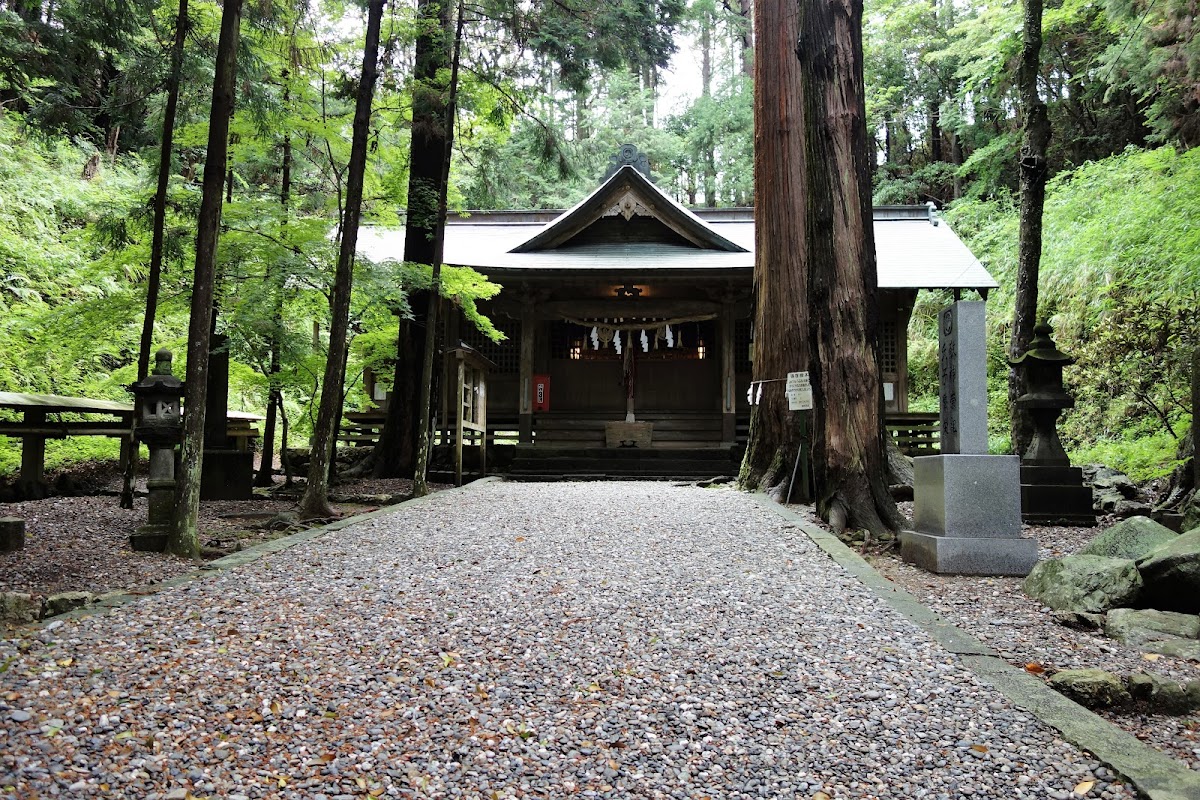
Kaoru Shrine is located in the center of Kochi City, near the Atago Shopping Street. Despite being located in an urban area, a tranquil atmosphere permeates the shrine grounds.
Passing through the torii gate, a well-maintained path leads to the main shrine. The grounds, though compact, are meticulously cared for, reflecting the deep faith of the local people.
Purifying Yourself at the Water Basin
As you proceed along the path, you will find the water basin. It is customary to purify your hands and mouth here before praying. The water in the basin is pure and welcoming to visitors.
Magnificent Carvings on the Worship Hall and Main Shrine
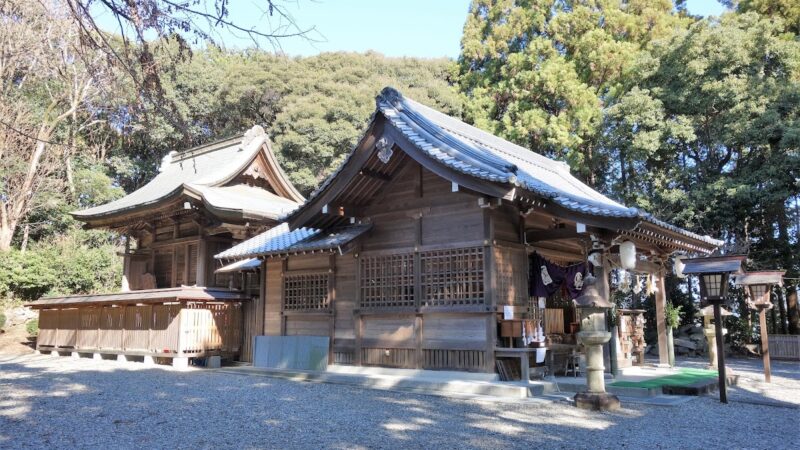
The worship hall of Kaoru Shrine is splendidly constructed, and the main shrine, in particular, features intricate dragon carvings. These dragon carvings are works of art that showcase the high skill of the craftsmen and delight the eyes of visitors.
Dragons have been worshipped since ancient times as gods of water and guardian deities, and are also symbols of abundant harvests and family safety. The dragon sculpture at Kaoru Shrine can be said to represent the power of the gods who bestow blessings not only on academic success and good fortune in competitions, but also on a wide range of other things.
The Pond and Carp on the Shrine Grounds
There is a pond on the shrine grounds where colorful carp swim. Many visitors comment on how cute the carp are, providing a peaceful moment for worshippers.
Carp are also symbols of success and advancement, and are cherished as auspicious symbols for worshippers aiming for success in academics or sports.
The Remains of the Tosa Loyalist Party Prison
Within the shrine grounds are the remains of the prison where members of the aforementioned Tosa Loyalist Party were incarcerated. Kaoru Shrine’s head priest himself was unjustly imprisoned, and this place conveys the memory of those who persevered with indomitable spirit and conviction.
For those interested in history, this is a valuable spot to experience the history of Tosa during the late Edo period firsthand.
Benefits of Kaoru Shrine | God of Success, Academics, and Sports
God of Success
Kaoru Osho was a man who refused to bow to authority and remained true to his beliefs. Because of his indomitable spirit, he is worshipped as the guardian deity of those facing competition and difficulties.
Many worshippers visit the shrine seeking his support during important life events such as entrance exams, job hunting, and sports matches.
God of Academics
Kaoru Osho, a high-ranking priest of the Soto Zen sect, possessed profound knowledge, even capable of pointing out errors in posthumous names. Therefore, he is widely worshipped as the god of academic success and passing exams.
Many students and their families can be seen visiting the shrine to pray for academic success.
God of Sports
Due to his blessings for success in competition, people also visit Kaoru Shrine to pray for victory and improvement in sports. It attracts followers from a wide range of people, from students dedicated to club activities and sports to professional athletes.
Deity of Soul Appeasement
Kun-teki Osho is also the spirit of someone who lost their life due to a false accusation. Therefore, it also has an aspect as a deity of soul appeasement, and functions as a place for ancestral worship and memorial services.
Goshuin Information | Items Offered at Kaun-teki Shrine
Features of the Goshuin
At Kaun-teki Shrine, you can receive a goshuin (shrine stamp) as proof of your visit. The goshuin has the name “Kaun-teki Shrine” written in ink and stamped with the shrine’s seal.
The goshuin, with its simple yet powerful brushstrokes, conveys the indomitable spirit of Kaun-teki Osho. Bringing your goshuincho (stamp book) to receive one as a memento is recommended.
Office Hours
Goshuin and other items can be obtained at the shrine office. However, staff may not always be present, so if you want to be sure to receive a goshuin, it is recommended to inquire by phone in advance.
Access Information | Directions from Kochi City Center
Basic Information
Address: 5-7, Horagashima-cho, Kochi City, Kochi Prefecture 780-0042
Phone: 088-822-0827 (Shrine Office)
Access by Public Transportation
Using the Tram (Tosaden Kotsu)
Using the tram that runs within Kochi City is convenient.
- Nearest Stop: “Kamimachi 1-chome” Stop
- Travel Time: Approximately 5 minutes on foot from the stop
Take the tram from Kochi Station and get off at “Kamimachi 1-chome”. Walk towards Atago Shopping Street, and you will see the torii gate of Kaoru Shrine when you enter the residential area of Horagashima-cho.
Distance from JR Kochi Station
It is approximately 2km from Kochi Station, about a 25-minute walk. On a sunny day, it’s a good idea to visit on foot, enjoying the scenery of Kochi City along the way.
Access by Car and Parking
From the Kochi Expressway
- Approximately 15 minutes from Kochi IC
- Proceed along National Route 32 towards Kochi city center, and follow the signs towards Horagashima-cho.
Parking Information
Kaoru Shrine has its own parking lot. However, spaces are limited, so please consider using nearby coin-operated parking lots during New Year’s visits and festivals.
Nearby Tourist Spots | Places to Visit in Combination with Kochi Sightseeing
Kochi Castle (approx. 620m)
Kochi Castle, one of Japan’s 100 Famous Castles, is located about an 8-minute walk north from Kaoru Shrine. It’s a valuable castle with its existing keep and main palace, and a highlight of Kochi sightseeing.
Sunday Market (approx. 760m)
The Sunday Market, held every Sunday, is a famous market in Kochi City. Fresh vegetables and fruits, as well as local specialties, line the streets, bustling with locals and tourists alike. It’s a perfect place to visit in conjunction with a visit to Kaoru Shrine.
Hirome Market (approx. 740m)
Hirome Market, a food stall village where you can enjoy Kochi’s gourmet food, is also within walking distance. You can savor Tosa cuisine, including seared bonito. Recommended for a meal after visiting the shrine.
Atago Shopping Street
Atago Shopping Street, located very close to Kaoru Shrine, is a retro shopping street that retains the atmosphere of the Showa era. It’s lined with shops closely connected to the daily lives of locals, making it enjoyable just to stroll around.
Shrine Visit Etiquette and Recommended Time to Visit
Basic Shrine Visit Etiquette
- Bow Before the Torii Gate: Bow before entering the shrine grounds.
- Purify at the Water Basin: Purify your left hand, right hand, and mouth in that order.
- Walk Along the Edge of the Path: The center of the path is considered the path of the gods.
- Etiquette at the Main Hall: Two bows, two claps, and one bow are the basic rituals.
Recommended Time to Visit
New Year’s Visit (January 1st-3rd)
New Year’s visits, where people pray for good fortune in the new year, are bustling with many worshippers. People visit to pray for success in competitions and academic achievements.
Exam Season (January-March)
Kaoru Shrine, worshipped as the god of learning, is visited by many students and their families during exam season to pray for success.
Quiet Weekday Hours
For those who wish to visit the shrine at a leisurely pace, weekday mornings are recommended. You can calm your mind and offer your prayers in the peaceful grounds.
Relationship with Kaoru Shrine in Shimanto City (Saoka Kaoru Shrine)
In addition to the Kaoru Shrine in Kochi City, Kochi Prefecture, there is also a Kaoru Shrine in Saoka, Shimanto City. This is called “Saoka Kaoru Shrine” and is located in the birthplace of Abbot Kaoru.
Abbot Kaoru was born in Saoka, Shimanto City, later became active in Kochi City, and was imprisoned and died there. Therefore, Kaoru Shrines exist in both Shimanto City, his birthplace, and Kochi City, where he was active.
A “pilgrimage to places associated with Abbot Kaoru,” visiting both shrines, would be an interesting trip for history buffs.
Reviews and Reputation of Kaoru Shrine
Visitor Voices
The following are comments from people who have actually visited Kaoru Shrine:
- “A shrine with an unusual name located north of Kochi Castle. I visited because I was interested in its unique history of enshrining a Buddhist monk.”
- “The carp in the pond on the shrine grounds were cute and soothing. It’s a compact shrine, but it’s meticulously maintained.”
- “The dragon carving on the main hall was magnificent and impressive. You can feel the craftsmanship.”
- “There is the site of the Tosa Loyalist Party’s prison, making it a valuable place to feel the history of the late Edo period.”
- “I visited to pray for success in my exams. It’s famous locally as a shrine dedicated to the god of learning.”
Popular with Female Visitors
The atmosphere of the shrine grounds is pleasant, and the purification fountain and worship hall are kept clean, making it popular with female visitors. Many women who collect Goshuin (shrine stamps) also visit.
Summary | Kaoru Shrine: A Hidden Power Spot in Kochi
Kaoru Shrine is a valuable place that conveys the history and culture of Kochi Prefecture to the present day, as it is a rare shrine nationwide that enshrines a Buddhist monk as its deity.
As the god of success in competitions, academics, and sports, Abbot Kaoru is believed to lend his strength at crucial junctures in life. His indomitable spirit and profound knowledge offer great courage and insight to us living in the modern age.
Easily accessible from the center of Kochi City, and close to tourist attractions such as Kochi Castle, the Sunday Market, and Hirome Market, this shrine is a must-visit for anyone sightseeing in Kochi.
If you have an exam or competition coming up, or are facing a turning point in your life, why not visit Kaoru Shrine and receive the powerful blessings of Abbot Kaoru? The time spent praying in the tranquil grounds will surely be a memorable experience.