About Ushioe Tenmangu Shrine (Tenjincho, Kochi City, Kochi Prefecture) – Overview
Located at 19-20 Tenjincho, Kochi City, Kochi Prefecture, this Tenmangu shrine is affectionately known as Ushioe Tenmangu. While its official name is “Tenmangu,” it is widely known locally as Ushioe Tenmangu.
Formerly a prefectural shrine, it is currently designated as a special shrine. As the tutelary deity of the southern half of Kochi City, it attracts the faith of local residents. As a Tenmangu shrine dedicated to Sugawara no Michizane, the god of learning, it is particularly popular with students and those praying for academic success.
Due to its central location in Kochi City, it boasts the highest number of visitors in Kochi Prefecture during the New Year’s pilgrimage, surpassing even Tosa Shrine, the Ichinomiya (first-ranked shrine) of Tosa Province. The shrine attracts approximately 210,000 visitors annually, and during the New Year’s holiday, it’s so popular that waiting times can exceed an hour.
About the Official and Common Names of Shioe Tenmangu Shrine
The official name of the shrine is “Tenmangu,” but because there are several Tenmangu shrines in Kochi City, it came to be called “Shioe Tenmangu,” after the Shioe district where it is located. Locals affectionately call it “Tenjin-san.”
The address itself, Tenjin-cho, Kochi City, Kochi Prefecture, originates from the existence of this Tenmangu shrine, demonstrating the deep connection between the shrine and the community.
History of Shioe Tenmangu Shrine – From its Founding by Sugawara no Takami to the Present
Origin of the Founding and Sugawara no Takami
Sugawara no Takami, the eldest son of Sugawara no Michizane, was deeply involved in the founding of Shioe Tenmangu Shrine. After Sugawara no Michizane’s death in Dazaifu in 903 AD, Takami was exiled to Tosa Province.
Takami used his father Michizane’s belongings as a sacred object and founded a Tenmangu shrine in this area. This is considered the beginning of Shioe Tenmangu Shrine. It has a moving history, built to commemorate his father and pass on his legacy to future generations.
Transition from the Edo to the Meiji Period
During the Edo period, it received the patronage of the Tosa Domain and developed as an important place of worship in the region. The gate tower that still stands today was built in 1853 and is designated as a cultural property of Kochi City. This gate tower was built during the turbulent period at the end of the Edo period and is a building of high historical value.
After the Meiji-era separation of Shinto and Buddhism, it was ranked as a prefectural shrine under the modern shrine ranking system. This rank is among the highest in Kochi Prefecture, indicating the shrine’s prestige and importance in the region.
The Current Status of Shioe Tenmangu Shrine
Although the shrine ranking system was abolished after the war, Shioe Tenmangu Shrine is designated as a Special Shrine by the Association of Shinto Shrines. This designation is bestowed upon shrines with particularly distinguished histories nationwide, recognizing their historical and religious significance.
Currently, thanks to its excellent location in the heart of Kochi City, it boasts the highest number of New Year’s visitors in the prefecture and is beloved by many as one of Kochi Prefecture’s representative shrines.
Deities and Blessings – Sugawara no Michizane, God of Learning
Main Deity: Sugawara no Michizane
The main deity of Shioe Tenmangu Shrine is Sugawara no Michizane. Michizane was a scholar and politician of the Heian period, known for his outstanding learning and honest character. However, due to slander from his political enemies, he was demoted and exiled to Dazaifu, where he died in 903 AD.
After his death, various calamities occurred in Kyoto, leading to the construction of Kitano Tenmangu Shrine to appease Sugawara no Michizane’s vengeful spirit. From then on, Tenmangu shrines spread throughout Japan. Eventually, he evolved from a vengeful spirit to a god of learning and literature, and is now widely worshipped as the “god of learning.”
Benefits of Shioe Tenmangu Shrine
Shioe Tenmangu Shrine is believed to offer the following benefits:
Academic Success and Passing Exams
The most famous benefit is academic success. During exam season, many students and their parents visit to pray for success. The shrine is bustling with worshippers praying for success in all kinds of exams, including university entrance exams, high school entrance exams, and qualification exams.
Academic Advancement and Wisdom
By drawing on the outstanding scholarship of Sugawara no Michizane, this shrine offers blessings for academic advancement and the bestowal of wisdom. It is popular not only among students but also among those engaged in lifelong learning.
Improvement in Calligraphy and Literary Arts
As Sugawara no Michizane was also a skilled calligrapher and poet, many visitors pray for improvement in calligraphy and literary arts.
Protection from Misfortune and Good Fortune
Tenjin worship also has an aspect of protection from misfortune, and visitors come to pray for protection from evil and good fortune at important turning points in their lives.
Family Safety and Fulfillment of Wishes
As the local tutelary deity, it enjoys strong faith from local residents who pray for family safety and the fulfillment of various wishes.
Highlights of the Shrine Grounds – Cultural Properties and Buildings
Tower Gate (Kochi City Designated Cultural Property)
The first thing that catches the eye when visiting Shioe Tenmangu Shrine is the magnificent tower gate. This gatehouse, built in 1853 (Kaei 6), is designated as a cultural property of Kochi City.
Built during the turbulent Bakumatsu period, this gatehouse is a valuable structure that conveys the architectural techniques and deep faith of the time. The carvings and decorations are magnificent and well worth admiring before entering the shrine.
Main Hall and Worship Hall
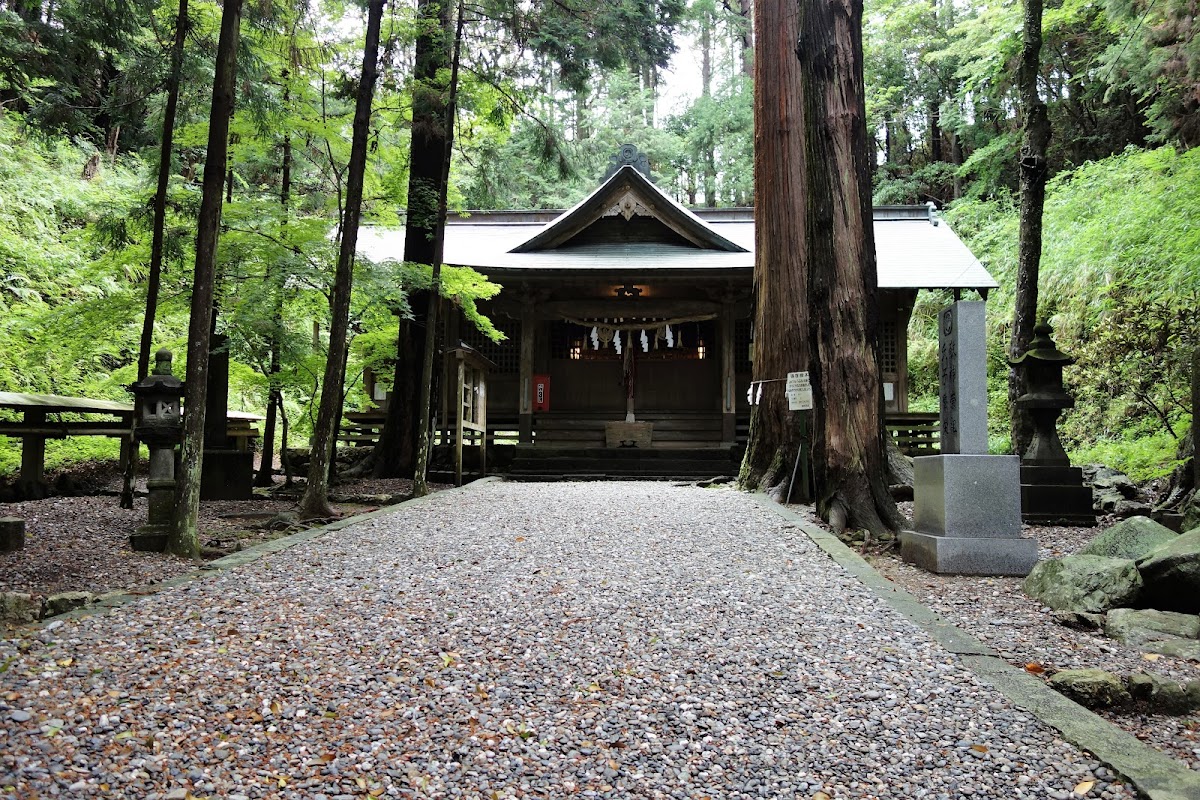
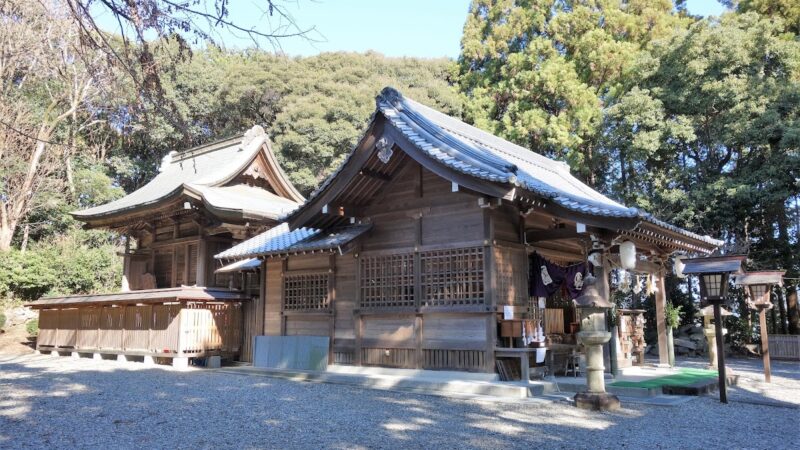
Passing through the gatehouse, you will come across the solemn main hall and worship hall. The main hall enshrines Sugawara no Michizane, and many worshippers offer prayers for academic success and passing exams.
Shimenawa Pillar
Turning left from the traffic light at the northern entrance to Mt. Fudeyama on Prefectural Road 274, you will find a shimenawa pillar at the end of the road. This shimenawa pillar is an important marker indicating the entrance to the sacred area, signifying that the space beyond is sacred.
Atmosphere of the Shrine Grounds
Despite being located in the heart of Kochi City, the shrine grounds are enveloped in a tranquil atmosphere. It offers a peaceful space for worship, far removed from the hustle and bustle of the city.
Annual Events and Festivals – New Year’s Visit and Summer Festival
New Year’s Visit – Highest Number of Visitors in Kochi Prefecture
The biggest event at Shioe Tenmangu Shrine is the New Year’s Visit. Every year, approximately 210,000 visitors come, boasting the highest number of New Year’s visitors in Kochi Prefecture. This surpasses the attendance at Tosa Shrine, the Ichinomiya (first-ranked shrine) of Tosa Province, demonstrating its immense popularity.
The first three days of the New Year are particularly crowded, and you may have to wait in line for over an hour to pray. Early mornings and evenings are relatively less crowded, so those wishing to avoid crowds are advised to visit during these times.
During the New Year’s visit, people pray for good health, family safety, and academic success in the new year. The area where protective arrows and amulets are given out is also very lively.
Summer Festival
Shioe Tenmangu Shrine also holds a summer festival. It’s a traditional festival where local residents gather, and it’s bustling with portable shrines and stalls. The summer festival is an important event that strengthens the bonds of the local community.
Other Annual Events
- Annual Festival: The most important festival of the year
- Shichi-Go-San (7-5-3 Festival): Many families visit in November
- Prayer Festival for Passing Exams: A special prayer festival is held during exam season
- Monthly Festival: A regular monthly festival
Through these events, Shioe Tenmangu Shrine is deeply connected to the local community.
Access & Transportation Information – Directions from Kochi City Center
Location
Address: 19-20 Tenjin-cho, Kochi City, Kochi Prefecture
Postal Code: 780-8012
Access by Public Transportation
Tram (Tosaden Kotsu)
The tram is the most convenient way to access Shioe Tenmangu Shrine:
- Approximately 7 minutes on foot from Kochi Castle Station
- Approximately 7 minutes on foot from Prefectural Office Station
- Approximately 8 minutes on foot from Ohashidori Station
Located in the heart of Kochi City, it is within walking distance of several stations. Its convenient location makes it easy to visit when sightseeing in Kochi.
Bus
It is also accessible by local buses running within Kochi City. It is a few minutes’ walk from the nearest bus stop.
Access by Car
Parking Information
Shioe Tenmangu Shrine has its own parking lot. Additionally, paid parking is available along the Kagami River.
However, it gets extremely crowded during the New Year’s visit period (the first three days of the New Year), so we recommend using public transportation. Parking lots are often full, and surrounding roads are congested.
Travel Time from Major Locations
- Approximately 10 minutes by car from Kochi Station
- Approximately 15 minutes by car from Kochi IC on the Kochi Expressway
- Approximately 30 minutes by car from Kochi Ryoma Airport
Access from Prefectural Road 274
Turn left at the traffic light at the northern entrance to Mt. Fudeyama on Prefectural Road 274. You will reach a shimenawa pillar at the end of the road; this is the entrance to Shioe Tenmangu Shrine. Remembering this landmark will allow even first-time visitors to arrive smoothly.
Manners and Etiquette for Worship
Basic Worship Etiquette
Knowing the correct worship etiquette at a shrine will allow for a more heartfelt visit:
1. How to Pass Through the Torii Gate
When passing through the shimenawa pillar or torii gate, bow before entering. The center of the approach to a shrine is considered the path for the gods, so it is customary to walk along the sides.
2. How to Purify Yourself at the Water Basin
- Take the ladle with your right hand and purify your left hand.
- Switch the ladle to your left hand and purify your right hand.
- Switch the ladle back to your right hand, receive water in your left hand, and rinse your mouth.
- Purify your left hand once more.
- Hold the ladle upright, purify the handle, and return it to its original position.
3. Worship at the Main Hall
- Place your offering in the offering box.
- Ring the bell.
- Perform two bows, two claps, and one bow (two deep bows, two claps, one deep bow).
- Recite your wish silently in your heart.
Points to Remember When Praying for Academic Success and Passing Exams
When students and their guardians pray for success in exams, keep the following points in mind:
- Visualize a specific goal: Think of a clear goal, such as “Passing the entrance exam for XX University.”
- Don’t forget to be grateful: Express gratitude not only for your wishes, but also for the opportunity to learn every day.
- Utilizing amulets and votive tablets: Receive amulets for academic success or write your wishes on votive tablets and dedicate them.
Points to note when visiting shrines for New Year’s
The shrines are extremely crowded during the New Year’s season, so please keep the following points in mind:
- Warm clothing: Dress warmly, anticipating long queues.
- Manage valuables: Take care of your valuables during crowded times.
- Allow plenty of time: Expect waiting times of one hour or more.
- If you are with small children: Choose a time to avoid crowds.
Amulets and items offered – Amulets and votive tablets for academic success
Amulets for academic success and passing exams
Shioe Tenmangu Shrine offers various amulets related to the god of learning:
- Amulet for academic success: An amulet to enhance the results of daily studies.
- Amulet for passing exams: An amulet to pray for success in exams.
- Academic Achievement Amulet: An amulet for improving academic performance, intended for all students.
- Wisdom Amulet: An amulet that bestows wisdom and the strength to overcome difficulties.
These amulets are often received not only by the student themselves, but also by parents or relatives on their behalf.
Ema (Votive Tablets)
Ema at Tenmangu shrines often feature designs of plum blossoms and oxen, associated with Sugawara no Michizane. Students write their desired school name and wishes such as “Prayer for Success” on the ema and dedicate them.
The ema rack is filled with the wishes of many students, demonstrating the popularity of Shioe Tenmangu Shrine.
Other Items Offered
- Goshuin (Shrine Seal): You can receive a Goshuin as a memento of your visit.
- Hama-ya (Demon-Repelling Arrow): A particularly popular lucky charm during the New Year’s visit period.
- Kumade (Rake): An item offered to pray for business prosperity.
- Ofuda (Talisman): A talisman for praying for family safety, etc.
The reception hours for offerings are the same as the shrine’s visiting hours, but may be extended during special periods such as the New Year’s visit period.
Nearby Tourist Spots and Facilities
Mt. Hitsuzan
Near Shioe Tenmangu Shrine is Mt. Hitsuzan. Although its elevation is low, it is a popular viewpoint offering panoramic views of Kochi city. The northern entrance to Mt. Hitsuzan on Prefectural Road 274 also serves as a landmark for accessing Shioe Tenmangu Shrine.
Kagami River
The Kagami River, which flows near the shrine, is a clear stream beloved by the citizens of Kochi. There is a promenade along the river where you can enjoy a stroll. Paid parking is available along the Kagami River.
Kochi Castle
Kochi Castle is just a few minutes away by tram. It is one of the 12 remaining castle keeps and a famous castle designated as a National Important Cultural Property. Many tourists visit it in conjunction with Shioe Tenmangu Shrine.
Shinnyo-ji Temple
Shinnyo-ji Temple is also located in Tenjin-cho, Kochi City, and is introduced as a tourist spot. You can also enjoy visiting other temples and shrines in the same Tenjin-cho area.
Hirome Market
Hirome Market, famous as Kochi’s kitchen, is also located in the city center. Enjoying Kochi’s gourmet food after visiting the shrine is highly recommended.
The Relationship Between Shioe Tenmangu Shrine and Kochi City
As the Guardian Deity of the Southern Half of Kochi City
Shioe Tenmangu Shrine is revered by local residents as the Guardian Deity (ubusunagami) of the southern half of Kochi City. A Guardian Deity is a god who protects the land and protects the people born there throughout their lives. Local residents visit Shioe Tenmangu Shrine for important life events such as baby blessings, Shichi-Go-San (a traditional rite of passage for children), exorcisms, and weddings. The custom of visiting the shrine for family celebrations and festivals is deeply ingrained, making it a significant part of the local community.
Significance of its Location in the Heart of Kochi City
The shrine’s central location in Kochi City is a major factor in attracting many visitors. Its easy accessibility, allowing people to visit casually on their way home from work or while shopping, is another reason for its popularity.
The fact that it attracts more visitors than Tosa Shrine during the New Year’s pilgrimage is likely due to its excellent location and the familiar and approachable nature of “Tenjin-san.”
Origin of the Place Name Tenjin-cho
The place name “Tenjin-cho,” where the shrine is located, itself derives from the existence of Tenmangu (Tenjin-sama). The place name conveys the history of the shrine and the community developing together.
Summary – A Recommendation for Visiting Shioe Tenmangu Shrine
Shioe Tenmangu Shrine, located in Tenjin-cho, Kochi City, Kochi Prefecture, is a historic shrine founded by Takami, the eldest son of Sugawara no Michizane. As the god of learning, it is particularly popular with students taking exams and those praying for academic success, boasting the highest number of New Year’s visitors in Kochi Prefecture.
The gate tower, built in 1853, is designated as a cultural property of Kochi City, making the shrine of high historical value. Its convenient location in the heart of Kochi City makes it easily accessible, just a 7-minute walk from Kochi Castle Station and Prefectural Office Station on the tram line.
Approximately 210,000 people visit for New Year’s, and it is especially crowded during the first three days of the New Year, but this lively atmosphere is a testament to its popularity in the community. During exam season, many locals visit the shrine to pray for success in exams, and also for Shichi-Go-San (a traditional Japanese rite of passage for children) and exorcisms, marking significant life events. As the tutelary shrine of the southern half of Kochi City, it is deeply rooted in the local community.
The shrine offers a wide variety of amulets and votive tablets for academic success, making it a reassuring presence for students and their families. When you visit Kochi, be sure to pay your respects at Shioe Tenmangu Shrine and receive the blessings of the god of learning.