Complete Guide to Ushioe Tenmangu Shrine | A Thorough Explanation of History, Blessings, Festivals, Cultural Properties, and Visitor Information
Ushioe Tenmangu Shrine, located in Tenjin-cho, Kochi City, Kochi Prefecture, is a historic shrine dedicated to Sugawara no Michizane, known as the god of learning. While its official name is “Tenmangu,” it is affectionately known locally as “Ushioe Tenmangu.” Formerly a prefectural shrine, it is currently listed as a special shrine, and revered as the tutelary deity of the southern half of Kochi City, and one of the most visited shrines in the prefecture, attracting the faith of the local people.
This article comprehensively provides detailed information about Ushioe Tenmangu Shrine, from its historical background and enshrined deities to its highlights, cultural properties, annual festivals, blessings, and helpful local information for visitors—information you won’t find anywhere else.
Table of Contents
- What is Shioe Tenmangu Shrine?
- Deities and Sacred Object
- History and Origin of Founding
- Highlights of the Shrine Grounds
- Cultural Properties
- Subsidiary Shrines
- Annual Festivals and Events Calendar
- Benefits and Faith
- New Year’s Visit and Number of Visitors
- Local Information and Access
What is Shioe Tenmangu Shrine?
Shioe Tenmangu Shrine is located in the heart of Kochi City and is a shrine dedicated to Sugawara no Michizane, who is nationally known as the god of learning. The place name “Shioe” is said to originate from the fact that this area was once close to the sea and was affected by the ebb and flow of the tides.
As the tutelary shrine of the approximately southern half of the former Kochi City, it is deeply rooted in the lives of the local residents and is known for attracting more visitors to New Year’s than Tosa Shrine, the Ichinomiya (first-ranked shrine) of Tosa Province. Throughout the year, the shrine is constantly visited by students and their families praying for success in exams and academic achievement, as well as by those visiting for milestones in life such as baby blessings, Shichi-Go-San (a traditional rite of passage for children), and exorcism.
Currently, it is a special shrine belonging to the Association of Shinto Shrines and is counted as one of the representative shrines of Kochi Prefecture.
Deities and Sacred Object
Main Deities
The main deities of Shioe Tenmangu Shrine are the following three:
Sugawara no Michizane
A scholar and politician of the Heian period, he is enshrined as the god of learning in Tenmangu shrines throughout Japan. Known for his outstanding scholarship and poetic talent, he rose to the position of Minister of the Right, but was demoted to Dazaifu due to slander from political enemies and died there in 903.
Sugawara no Takami
The eldest son of Sugawara no Michizane. Following her father’s exile to Dazaifu, she was banished to Tosa Province. It is said that, out of deep filial piety and longing for her father, she founded Shioe Tenmangu Shrine, enshrining his belongings, including a statue of Kannon, as the sacred object of worship.
Kita no Kata
She was the principal wife of Sugawara no Michizane. She is enshrined as a figure who supported her husband and symbolizes the bonds of the family.
Sacred Object
The sacred object of Shioe Tenmangu Shrine is a statue of Kannon that Sugawara no Michizane is said to have cherished during his lifetime. Takami carefully preserved it as a memento of his father, and his enshrinement of it as the sacred object was the direct impetus for the founding of the shrine. This Kannon statue is still carefully preserved today as a symbol of a child’s deep love and filial piety for their father.
History and Origin of Founding
Circumstances of Founding
The founding of Shioe Tenmangu Shrine is deeply connected to the historical event of Sugawara no Michizane’s exile to Dazaifu. In 901 (Engi 1), Michizane was exiled to Dazaifu due to slander by Fujiwara no Tokihira. At this time, Michizane’s eldest son, Takami, was also implicated and exiled to Tosa Province.
Exiled to Tosa, Takami, remembering his father’s injustice and driven by deep filial piety, built a shrine in its present location in 903 (Engi 3), enshrining a statue of Kannon, a memento of his father, as the sacred object. This marked the beginning of Shioe Tenmangu Shrine.
While many Tenmangu shrines were founded to appease Michizane’s vengeful spirit, Shioe Tenmangu Shrine holds a special significance as it was built by a son to honor his father’s virtues and express his admiration for him.
Historical Changes
Heian Period to Kamakura Period
After its founding, Shioe Tenmangu Shrine developed as the center of Tenjin worship in Tosa Province. As faith in Sugawara no Michizane as the god of learning spread, the shrine also began to serve as a local center of learning.
From the Sengoku Period to the Edo Period
During the Sengoku period, the shrine was affected by war, but it was restored under the patronage of the Chosokabe clan, who unified Tosa, and later the Yamauchi clan, who became the lords of the Tosa Domain. During the Edo period, under the protection of the Tosa Domain, it flourished as a shrine attracting the faith of samurai and commoners alike.
From the Meiji Era Onward
Under the Meiji era’s shrine ranking system, it was designated a prefectural shrine. After World War II, during the Showa era, the shrine was rebuilt following reconstruction from war damage, resulting in the current shrine buildings. Since the Heisei era, its convenient location in the heart of Kochi City and its universal faith in the god of learning have led to an increasing number of visitors.
Highlights of the Shrine Grounds
The grounds of Shioe Tenmangu Shrine harmoniously blend historical buildings with nature that soothes visitors.
Romon Gate
The Romon Gate, standing at the entrance to the shrine grounds, is a symbolic landmark of Shioe Tenmangu Shrine. This two-story gate, a stately wooden structure, welcomes visitors. Designated as a tangible cultural property of Kochi City, it is a valuable structure that preserves the architectural style of the Edo period.
Passing through the Romon Gate, a straight path leads to the main shrine, lined with stone lanterns on both sides. This path is particularly crowded with worshippers during New Year’s visits and festivals.
Approach to the Shrine
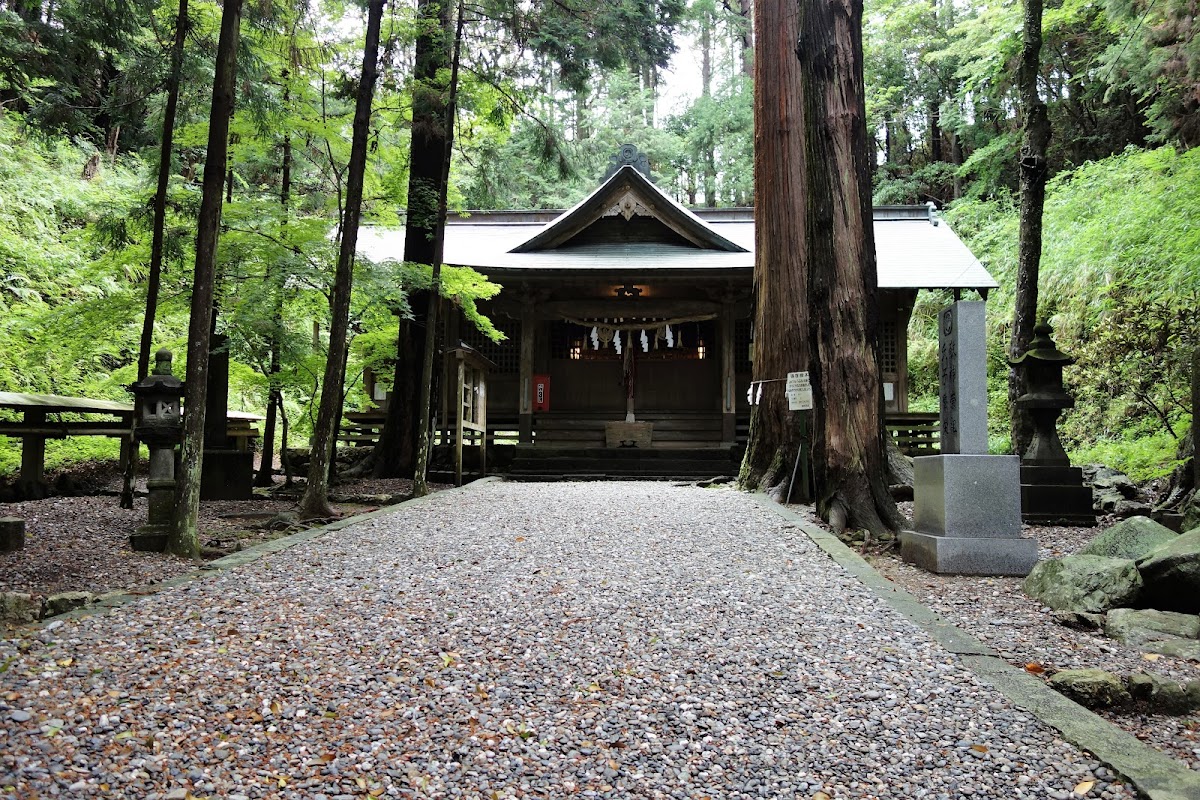
The approach from the Romon Gate to the main shrine is paved with gravel, creating a pure and serene atmosphere. Stone lanterns, donated by worshippers, are neatly lined on both sides of the path, conveying a sense of history.
Further along the approach, there is a water basin where visitors can purify themselves before praying. The water in the purification fountain is always kept pure, ready to welcome worshippers.
Main Shrine and Worship Hall
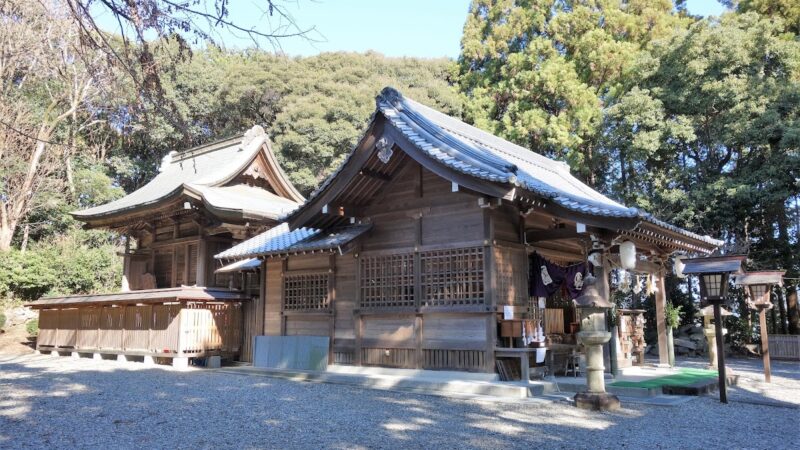
The main shrine is a sacred place where three deities, including Sugawara no Michizane, are enshrined. The worship hall is where worshippers pray, possessing a solemn atmosphere characteristic of Tenmangu shrines.
Around the main shrine, numerous ema (votive tablets) are dedicated, praying for success in exams and academic achievement. The number increases especially during exam season. The ema bear the earnest wishes of students, reflecting the deep faith of those who worship at the shrine.
Sacred Ox Statue
An essential element of Tenmangu shrines is the statue of an ox, considered a messenger of Sugawara no Michizane. Shioe Tenmangu Shrine also houses a sacred ox statue, and there is a belief that worshippers will receive wisdom by stroking its head. It is common to see students taking exams and children praying for academic success stroking this sacred ox statue.
Shrine Office
The shrine office offers amulets, votive tablets, and Goshuin (stamped seals). Amulets for academic success and passing exams are particularly popular, and many people seek them during exam season. Goshuin are popular as a memento of the visit.
Cultural Property
Kochi City Designated Tangible Cultural Property: Shioe Tenmangu Shrine Gate
The gate of Shioe Tenmangu Shrine is designated as a Kochi City Designated Tangible Cultural Property. This two-story gate strongly retains the architectural style of the Edo period, and its structure and decorations demonstrate the high level of craftsmanship of the time.
The gate’s features include its heavy wooden framework and detailed carvings. The roof is a hip-and-gable style, and intricate joinery is installed under the eaves. The texture of the wood, which has withstood the elements for many years, conveys a sense of history.
Thanks to regular restoration work, it still retains its original appearance and is carefully preserved as a cultural heritage of Kochi City. When you visit, be sure to pay attention to the architectural beauty of this gate tower.
Other Cultural Assets
Besides the gate tower, many historically valuable stone structures and offerings remain on the temple grounds. Stone lanterns and guardian lion-dogs donated from the Edo period to the Meiji period are valuable historical materials that testify to the depth of faith at that time.
Subsidiary Shrines
Within the grounds of Shioe Tenmangu Shrine, there are also subsidiary shrines dedicated to deities other than the main deity.
Inari Shrine
This shrine enshrines Inari, the god worshipped for business prosperity and abundant harvests. Local shopkeepers and farmers visit to pray for business success and bountiful harvests.
Other Subsidiary Shrines
There are several other small shrines on the grounds, each dedicated to a different deity. These subsidiary shrines also play a role in accommodating the diverse beliefs of the local people.
Annual Festivals and Events Calendar
Shioe Tenmangu Shrine holds various festivals and events throughout the year.
New Year’s Visit (January 1st-3rd)
Shioe Tenmangu Shrine’s New Year’s visit is known for attracting the largest number of visitors in Kochi Prefecture. Approximately 200,000 people visit annually to pray for happiness in the new year, family safety, and academic success.
Events from New Year’s Eve to New Year’s Day
- December 31st, 3 PM: Great Purification Ceremony
- December 31st, around 11 PM: New Year’s Eve Festival
- Immediately following: Lucky Fire Festival
- January 1st, 4 AM: New Year’s Day Festival
- January 1st, 10 AM: New Year’s Day Festival
Numerous stalls line the shrine grounds, bustling with visitors seeking amulets, protective arrows, and votive tablets.
Plum Blossom Festival (February or March)
In honor of Sugawara no Michizane’s love of plum blossoms, the Plum Blossom Festival is held during the plum blossom season. It is a festival to commemorate Michizane’s virtues and pray for academic advancement.
Summer Purification Ceremony (June 30th)
This is a Shinto ritual to purify oneself of sins and impurities accumulated over the past six months. A ritual of passing through a ring of reeds takes place, with worshippers praying for good health and protection from illness.
Annual Grand Festival (Autumn)
The Annual Grand Festival, the most important annual event at Shioe Tenmangu Shrine, is held in autumn. A portable shrine procession and offering ceremonies take place, and the entire community is enveloped in a festive atmosphere.
Shichi-Go-San Pilgrimage (November)
The Shichi-Go-San pilgrimage, praying for the healthy growth of children, attracts many families, mainly in November. Children in their finest attire can be seen on the shrine grounds.
Year-End Purification Ceremony (December 31st)
This is a Shinto ritual to purify and cleanse away the sins and impurities of the past year. Many worshippers visit to welcome the new year with a refreshed spirit.
Benefits and Faith
Academic Success and Passing Exams
The most well-known benefits of Shioe Tenmangu Shrine are academic success and passing exams. Because Sugawara no Michizane is revered as the god of learning, many students and their families from within and outside the prefecture visit the shrine during exam season.
Many ema (votive tablets) inscribed with “Prayer for Passing Exams” and “Academic Success” are dedicated on the shrine grounds, imbued with the earnest wishes of students. Amulets for passing exams and pencils for academic improvement are also popular.
Family Safety and Peace of Mind
Many visitors pray not only for academic success, but also for peace in the home and smooth progress in all aspects of life. As the local guardian deity, a deep-rooted belief in protection for all aspects of life is prevalent.
Shrine Visits for Newborns and Shichi-Go-San
The shrine is also popular as a place to pray for the health and healthy growth of babies (Omiyamairi) and for Shichi-Go-San, a celebration of children’s growth. Visiting Shioe Tenmangu Shrine at life’s milestones has become a local custom.
Protection from Misfortune and Good Fortune
Visitors also come to pray for protection from misfortune during their unlucky years and for improved luck. Prayers can be received from Shinto priests, and careful prayers are offered according to individual wishes.
New Year’s Visit and Number of Visitors
Shioe Tenmangu Shrine is known for attracting the largest number of visitors for New Year’s visits in Kochi Prefecture. Approximately 200,000 people visit annually, surpassing the number at Tosa Shrine, the Ichinomiya (first-ranked shrine) of Tosa Province.
Reasons for the Popularity of the First Shrine Visit of the Year
Convenient Location
Located in the heart of Kochi City, it is extremely easy to access. It is easily accessible by public transport and private car, making it a familiar shrine for many residents.
Faith as a Local Guardian Deity
As the local guardian deity of the southern half of the former Kochi City, it is deeply rooted in the lives of local residents. It is a place chosen for families to visit for the first shrine visit of the year for generations.
Faith as a God of Learning
Many students and their families visit in the new year to pray for academic success and passing exams. For students preparing for exams in particular, the first shrine visit of the year is an important event.
Crowds During the First Shrine Visit of the Year
It is especially crowded from morning to evening on New Year’s Day, and you may have to wait in line for more than an hour to pray. Relatively less crowded times are early morning, evening, or after the first three days of the new year.
Numerous food stalls are set up on the shrine grounds, and it is bustling with worshippers seeking amulets, protective arrows, and fortune slips. While parking is available, it often fills up during peak hours, so using public transportation is recommended.
Local Information & Access
Basic Information
Official Name: Tenmangu Shrine (Commonly known as Shioe Tenmangu Shrine)
Address: 19-20 Tenjin-cho, Kochi City, Kochi Prefecture 780-8012
Phone Number: 088-832-2896
Visiting Hours: Grounds are freely accessible (Shrine office is usually open from 9:00 to 17:00)
Admission Fee: Free
Official Website: http://www.ushioe-tenmangu.jp/
Access
Access by Train
- Get off at “Hasuike-cho-dori Station” on the Tosaden Kotsu Ino Line, approximately 5 minutes on foot
- Take the tram from JR Kochi Station for approximately 15 minutes, get off at “Hasuike-cho-dori Station”
Access by Bus
- From Kochi Station, take a Kenko Hokubu Kotsu bus or Tosaden Kotsu bus and get off at the “Tenjinbashi” or “Hasuikecho” bus stop, then walk for about 3 minutes.
Access by Car
- Approximately 15 minutes from the Kochi IC on the Kochi Expressway
- Approximately 10 minutes from the center of Kochi City
Parking
There is a dedicated parking lot on the temple grounds. There is also a paid parking lot along the Kagami River. However, it can get crowded during New Year’s visits and festivals, so using public transportation is recommended.
Nearby Tourist Attractions
Kochi Castle: Approximately 10 minutes by car, approximately 20 minutes on foot. One of the 12 remaining castle keeps and a symbol of Kochi City.
Harimaya Bridge: Approximately 5 minutes by car, approximately 15 minutes on foot. One of Kochi’s representative tourist attractions.
Hirome Market: Approximately 10 minutes by car. A popular market where you can enjoy Kochi’s food culture.
Katsurahama Beach: Approximately 30 minutes by car. This is a scenic spot famous for its statue of Sakamoto Ryoma.
Manners and Points for Visiting the Shrine
Dress Code: There are no specific rules, but please wear clean clothing when visiting. If you are receiving prayers, it is preferable to wear attire that is not too casual.
Worship Etiquette: The basic procedure is two bows, two claps, and one bow. Please purify your hands and mouth at the water basin before praying.
Photography: Photography is generally permitted on the shrine grounds, but please refrain from taking pictures inside the main hall or during prayers.
Amulets and Ema (Votive Tablets): Various amulets and ema are available at the shrine office. Amulets for academic success and passing exams are particularly popular.
Goshuin (Shrine Seal): You can receive a goshuin at the shrine office. You can bring your own goshuincho (stamp book) or purchase one on site.
Summary
Shioe Tenmangu Shrine is a unique shrine with a special history, unlike other Tenmangu shrines. It was founded by Takami, the eldest son of Sugawara no Michizane, out of deep filial piety towards his father. Dedicated to Michizane, known as the god of learning, it attracts many worshippers throughout the year seeking blessings for academic success and passing exams.
Located in the heart of Kochi City, it is a popular shrine, attracting approximately 200,000 visitors during the New Year’s pilgrimage—the highest number in the prefecture—and is deeply rooted in the lives of local residents as their tutelary deity. Historical buildings, including the gate tower (a Kochi City designated cultural property), festivals held throughout the year, and a warm, welcoming atmosphere leave a lasting impression on visitors.
It is a shrine you’ll want to visit at various milestones in life, such as praying for success in exams, praying for the healthy growth of children during shrine visits and Shichi-Go-San celebrations, and making your first shrine visit of the New Year. When you visit Kochi, be sure to visit Shioe Tenmangu Shrine and experience the sacred atmosphere imbued with the blessings of the god of learning and the deep love of a child for their father.