Complete Guide to Iyato Hachiman Shrine (Wakayama Prefecture) | History, Deities, Access, and Highlights Explained in Detail
What is Iyato Hachiman Shrine?
Iyato Hachiman Shrine is a historical shrine located in Honwaki, Wakayama City, Wakayama Prefecture. As the tutelary deity of the Honwaki and Hino districts, it has long been revered by local residents. Formerly a village shrine, it remains a cherished spiritual pillar of the community.
The distinctive shrine name, “Iyato,” originates from the legend of the whistling arrow shot by Empress Jingu, and is an important element in the shrine’s origins. With Emperor Ojin as the main deity, and Yamato Takeru and Okinagatarashihime (Empress Jingu) enshrined in the side shrines, it has been revered as the “Iyato Hachiman Three Great Deities” and a sacred site in Akura.
Table of Contents
This article provides a detailed explanation of the following items regarding Iyato Hachiman Shrine:
- Deities and Divine Status
- Origin and History
- Details of the Whistling Arrow Legend
- Shrine Buildings and Grounds
- Subsidiary Shrines and Auxiliary Shrines
- Annual Festivals and Rituals
- Access and Visiting Information
- Related Historical Sites in the Surrounding Area
Deities
Iyato Hachiman Shrine enshrines three deities.
Main Deity: Emperor Ojin (Homudawake no Mikoto)
Emperor Ojin was the 15th Emperor and a representative deity worshipped at Hachiman shrines throughout Japan. He is widely worshipped as a god of military fortune and a god of national protection. It is said that he possessed miraculous powers even while in the womb of his mother, Empress Jingu, and numerous miraculous events have been reported since his birth.
Deity Enshrined Together: Yamato Takeru no Mikoto
A prince of the 12th Emperor Keiko, and a representative heroic deity in Japanese mythology. Known for his bravery in pacifying western Japan and conquering eastern Japan, he is revered as a god of war and national peace. In the history of Iyato Hachiman Shrine, he holds an important position as the first deity to establish a connection with the Akura area.
Deity Enshrined Together: Okinagatarashihime no Mikoto (Empress Jingu)
The empress of the 14th Emperor Chuai and mother of Emperor Ojin. Known as a heroic woman who accomplished the conquest of the Three Kingdoms of Korea, she is worshipped as a goddess of bravery and strategy. She is also the protagonist of the legend of the whistling arrow, which is the origin of the Iyato Hachiman Shrine’s name.
These three deities together are called “Iyato Hachiman Sansho Okami” (Three Great Deities of Iyato Hachiman), and for generations, prayers have been offered to them as guardian deities of the land and gods of war, to destroy enemies of the court and prevent national crises. ## History and Origins
Yamato Takeru’s Journey to Western Japan
The history of Iyato Hachiman Shrine dates back to the time when Yamato Takeru traveled to western Japan. According to shrine tradition, the shrine was founded when Yamato Takeru visited the Akura area and a memorial was erected to enshrine him.
Akura was an important port area in ancient Kii Province and a strategically important location in the Yamato court’s management of western Japan. The legend of Yamato Takeru’s visit to this area speaks to the importance of the Kii Channel in ancient times.
The Legend of Empress Jingu’s Whistling Arrow
The most important legend that gave Iyato Hachiman Shrine its name is the legend of Empress Jingu’s whistling arrow.
After completing her conquest of the Three Kingdoms of Korea, Empress Jingu returned victorious and landed at Kadaura. At that time, the Empress, carrying her bow, shot a whistling arrow, which landed at a place called Shimojigao in Kii-no-Mizun-Akura. This is a point on top of Mitsuike Pass, approximately 360 meters northwest of the current shrine grounds.
Empress Jingu, accompanied by Prince Homuda (later Emperor Ojin), visited this place and took up residence there. An interesting legend remains that at this time, officials cut rice cakes with their bowstrings and offered them as a tribute.
The place where this whistling arrow landed came to be called “Iyato,” which became the name of the shrine. This form of worship, where the place where the arrow landed is considered sacred and a deity is enshrined there, is noteworthy as a form of ancient boundary deity worship and flying deity worship.
Founding of the Shrine by Amanosumaro
Amanosumaro, a 22nd-generation descendant of Amenokoyane-no-Mikoto, founded the shrine in Shimojigao. With Emperor Ojin as the principal deity, and Yamato Takeru-no-Mikoto and Empress Jingu enshrined alongside, the shrine was formally named “Iyato Hachiman Sansho Okami,” marking its official founding.
Amenokoyane-no-Mikoto is the ancestral deity of the Nakatomi and Fujiwara clans, and this is a valuable tradition indicating that his descendants were involved in Shinto rituals in Kii Province.
As the Shrine of Akura
Since its founding, Iyato Hachiman Shrine has been revered as the shrine of Akura. As a guardian deity of the land and a god of war, prayers were offered for generations to destroy enemies of the court and prevent national crises, and it is believed that it was particularly revered by the samurai class.
Kii Province flourished from ancient to medieval times as a center of Kumano faith and Koyasan Shingon Buddhism. However, local Hachiman faith also remained strong, and Iyato Hachiman Shrine is a prime example of this.
Shrine Buildings and Grounds
Main Hall
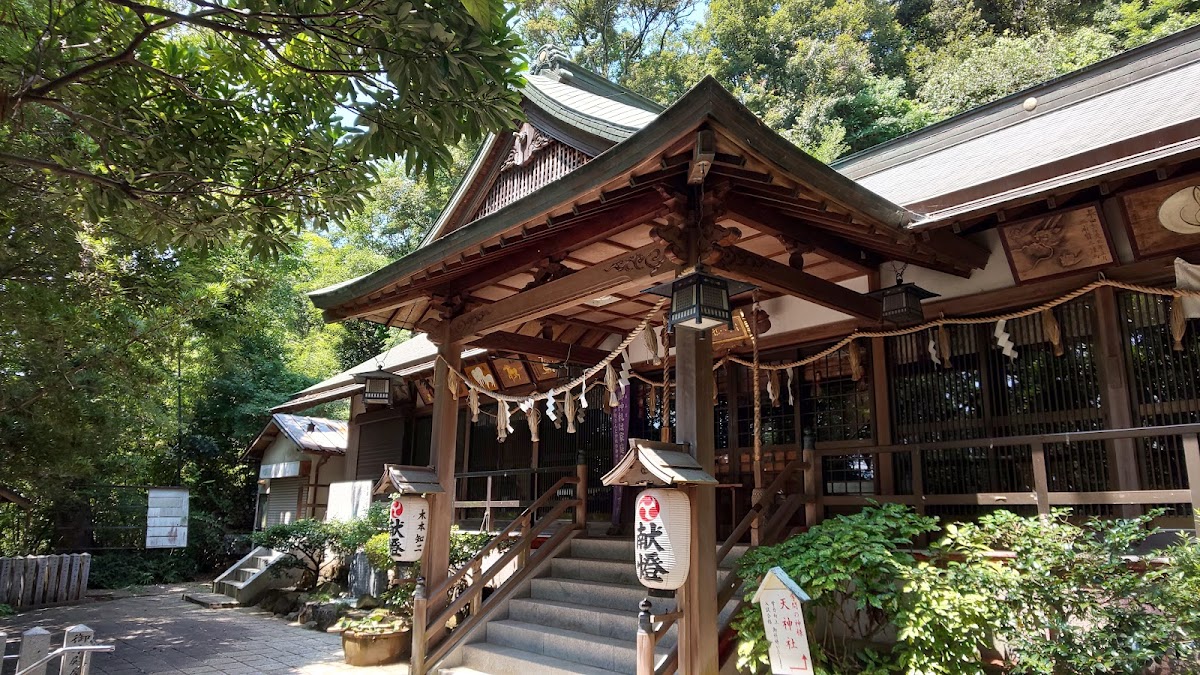
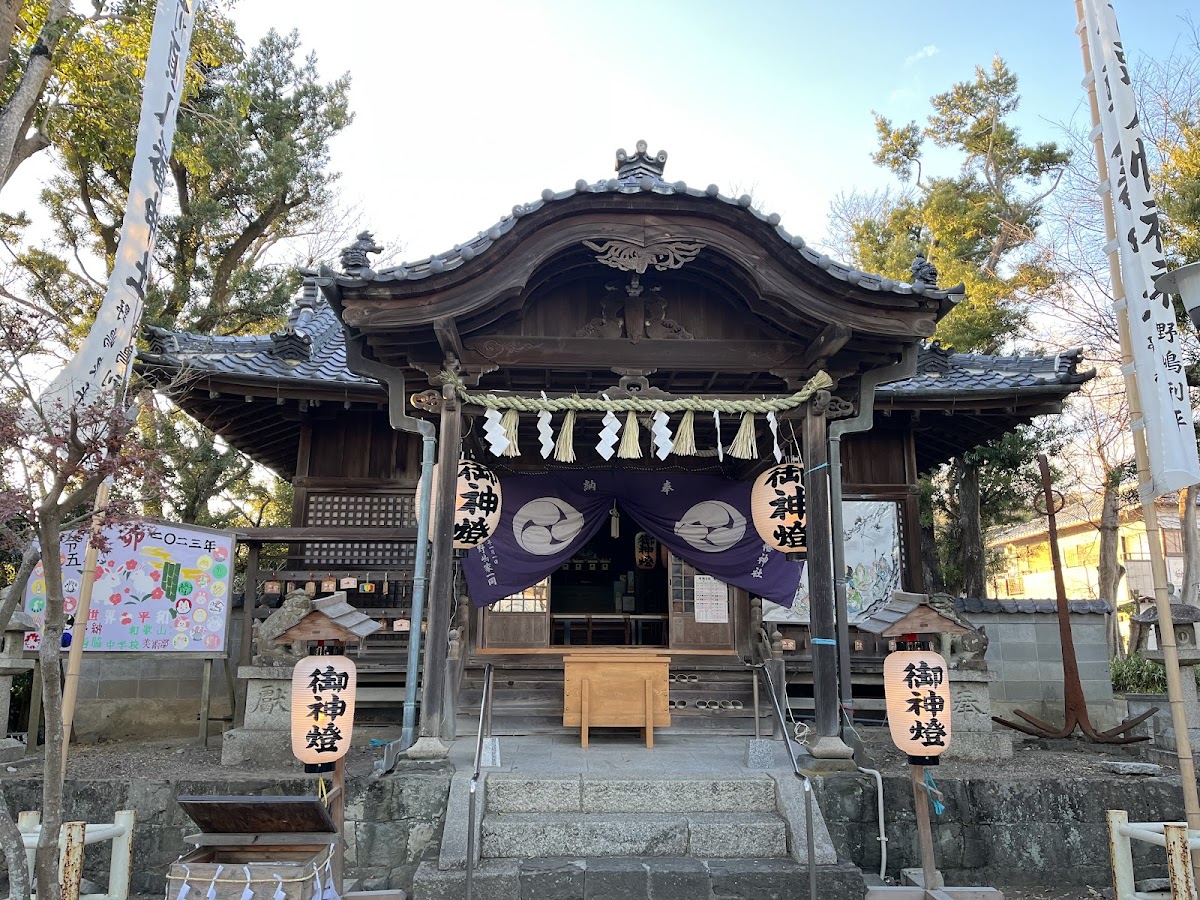
The main hall of Iyato Hachiman Shrine maintains a traditional shrine architectural style. While detailed records regarding its construction date are limited, it has been carefully maintained as a center of local faith.
Worship Hall
The worship hall, where worshippers offer their prayers, is located in front of the main hall. During local festivals, many parishioners gather here, making it a place to reaffirm community unity.
Atmosphere of the Shrine Grounds
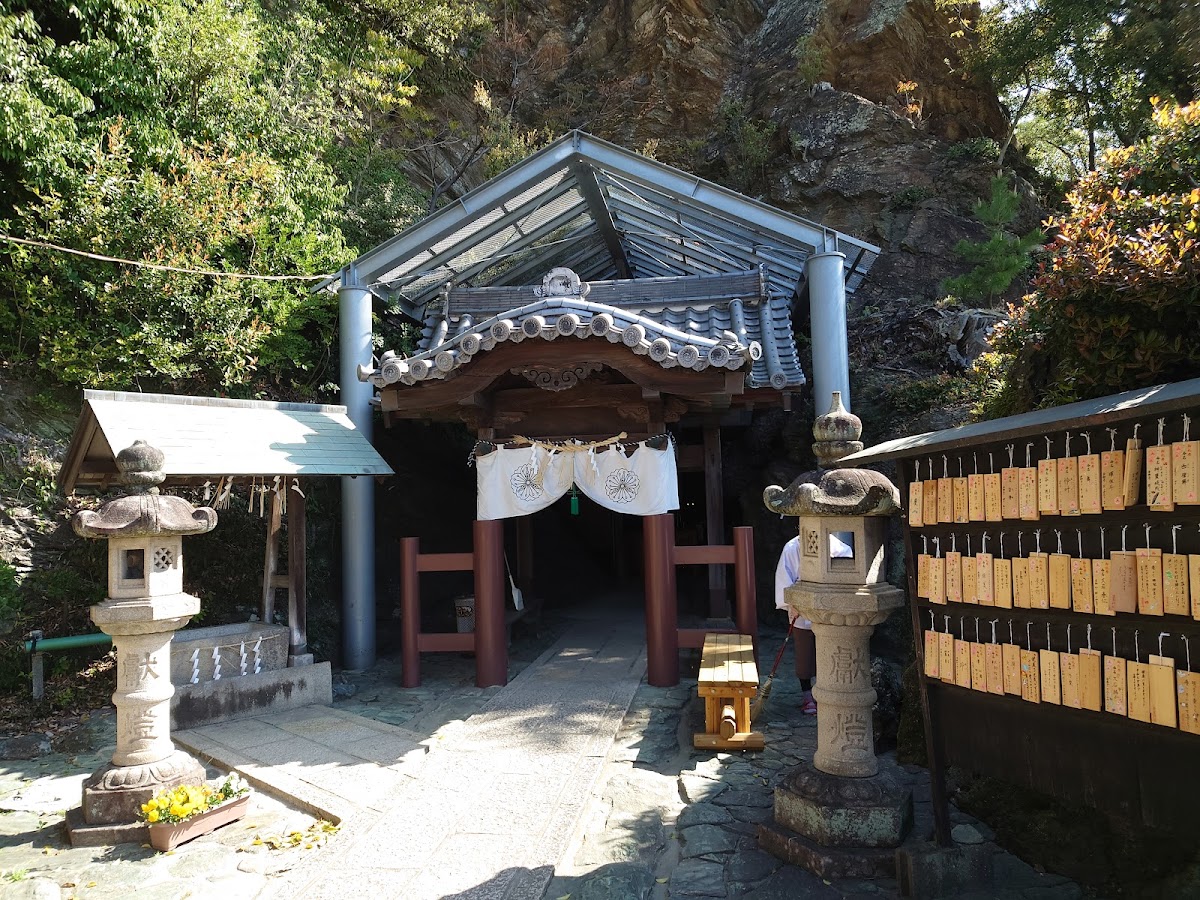
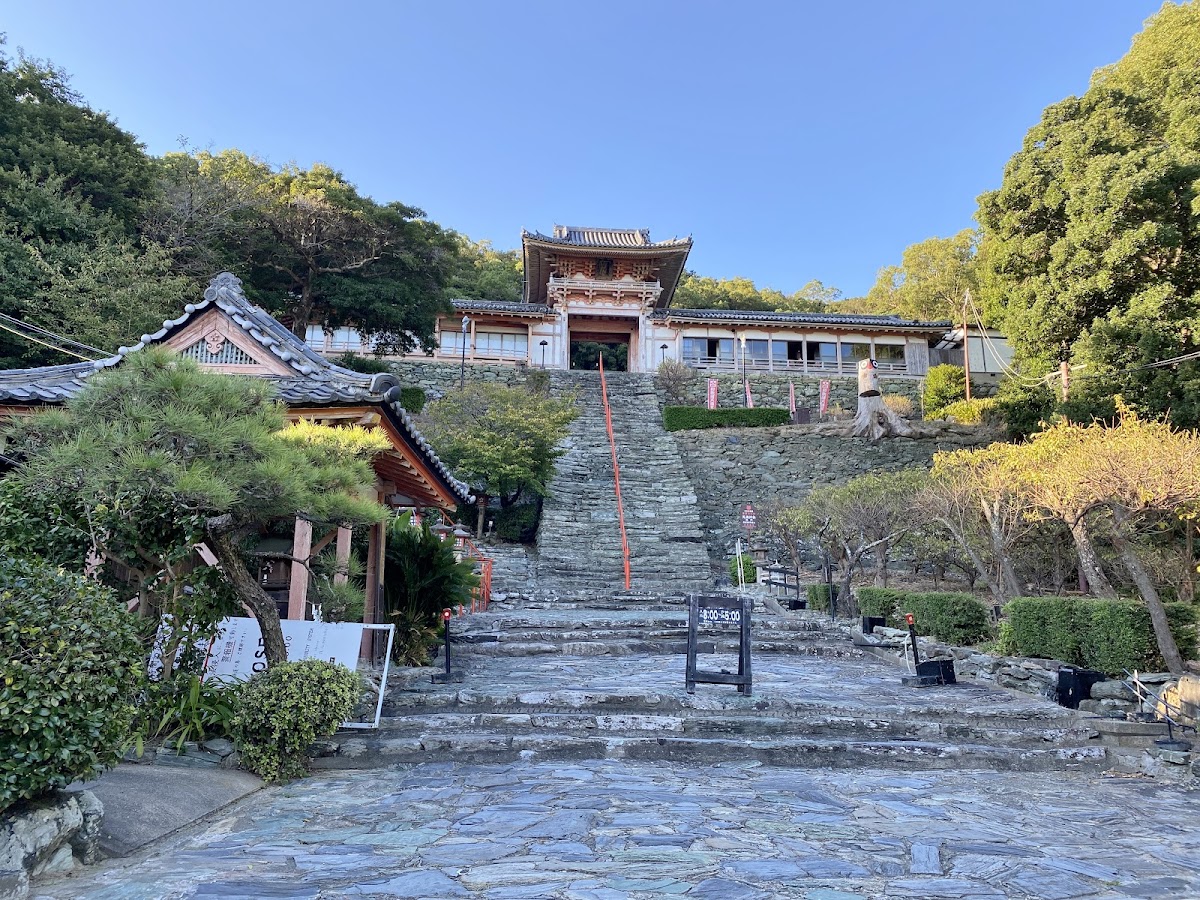
Despite being located in a residential area of Honwaki, Wakayama City, the shrine grounds maintain a tranquil atmosphere. Ancient trees line the grounds, and even amidst urbanization, one can feel the sacredness of the place.
Passing through the torii gate, one is enveloped in the solemn atmosphere characteristic of shrines with a long history. As you proceed along the approach to the shrine, you will find yourself in a meticulously maintained shrine grounds cared for by the local community.
Subsidiary Shrines and Auxiliary Shrines
Besides the main shrine dedicated to the principal deity, there are likely several subsidiary shrines within the grounds of Iyato Hachiman Shrine. Many Hachiman shrines commonly include Inari shrines, Tenmangu shrines, and Ebisu shrines as subsidiary shrines.
Reflecting the local religious practices, it is presumed that deities who fulfill diverse wishes, such as gods of agriculture, learning, and business prosperity, are enshrined here.
Annual Rituals and Grand Festival
Grand Festival
Iyato Hachiman Shrine holds various rituals throughout the year. The Grand Festival, in particular, is the most important festival for the Honwaki and Hino districts, which are the parishioners’ area.
The Grand Festival includes a portable shrine procession and offering ceremonies, providing an important opportunity to reaffirm the unity of the local community. Children’s portable shrines are also brought out, ensuring the transmission of faith across generations.
Monthly Festivals and Annual Events
In addition to regular monthly rituals (tsukinami-sai), traditional Shinto annual events such as the New Year’s Day Festival, Setsubun Festival, and the Summer Purification Ceremony are also held.
Through these rituals, the shrine continues to fulfill its role as a spiritual pillar of the community.
Access and Visiting Information
Location
Address: Honwaki, Wakayama City, Wakayama Prefecture
Transportation Access
Access by Train:
- Within walking distance from JR Kisei Main Line “Wakayama City Station” or “Kiwa Station,” or accessible by bus.
- Access by bus from Nankai Electric Railway “Wakayama City Station.”
Access by Bus:
- Take a Wakayama Bus and walk from the nearest bus stop.
Access by Car:
- Via National Route 24 and National Route 42 from Hanwa Expressway “Wakayama IC.”
- We recommend checking parking availability in advance.
Visiting Hours
While the shrine grounds are generally open for free visits, the shrine office hours may be limited. If you wish to receive a Goshuin (shrine stamp) or prayers, we recommend checking in advance.
Visiting Etiquette
Please observe basic shrine visiting etiquette.
- Bow before passing through the torii gate.
- Walk along the approach to the shrine, avoiding the center.
- Purify your body and mind at the water basin.
- Bow twice, clap twice, and bow once before the main hall.
- Spend time quietly within the shrine grounds.
Related Historical Sites and Points of Interest in the Surrounding Area
Iyatome Shrine
Iyatome Shrine, located in Rokujutani, Wakayama City, is another shrine with a legend related to Empress Jingu’s arrow. The contrasting names of the two shrines, “Iyatome” and “Iyatome,” demonstrate the spread of the Empress Jingu legend around the Kii Channel.
Around Kada
Around Kadaura (present-day Kada, Wakayama City), where Empress Jingu is said to have landed, there are numerous ancient shrines, including Awashima Shrine. You can feel the history of this area, which flourished as a key point for maritime traffic in the Kii Channel.
Kimii-dera Temple
Kimii-dera Temple, a representative ancient temple of Wakayama City, is relatively close by, and visiting it together will allow you to gain a deeper understanding of Wakayama’s history and culture.
Characteristics of the Faith at Iyato Hachiman Shrine
Role as a Local Guardian Deity
Iyato Hachiman Shrine is the local guardian deity of the Honwaki and Hino districts, and is deeply intertwined with the life rituals of the local residents. Visits to the shrine for milestones in life, such as the first shrine visit for a newborn, Shichi-Go-San (a traditional rite of passage for children), and exorcism, continue to this day.
Warrior Deity Worship
Because it enshrines three warrior deities—Emperor Ojin, Yamato Takeru no Mikoto, and Empress Jingu—it was historically worshipped as a shrine for praying for military success and victory. Its history of “destroying enemies of the court and preventing national calamities” demonstrates its character as a god protecting the nation.
In modern times, it is visited as a shrine to pray for victory in sports and to receive the strength to overcome difficulties in life.
Regional Development of Hachiman Worship
Among the approximately 40,000 Hachiman shrines and temples throughout Japan, the Iyato Hachiman Shrine is a distinctive entity with its own unique history and legends. It possesses a specific origin story, the legend of the whistling arrow, and maintains a form of worship closely intertwined with local history.
The Legend of Empress Jingu in Kii Province
The Conquest of the Three Kingdoms and the Triumphant Return Route
Empress Jingu’s conquest of the Three Kingdoms is a famous legend recorded in texts such as the *Nihon Shoki*, but there are various theories regarding her triumphant return route. The tradition that she passed through the Kii Channel reflects the geographical importance of Kii Province.
Historical Significance of Kadaura
Kadaura has been a crucial point for maritime traffic connecting the Seto Inland Sea and the Pacific Ocean since ancient times. The legend that Empress Jingu docked here illustrates how important this area was in ancient times.
Selection of Sacred Sites by Arrow
The practice of designating a sacred site by shooting an arrow and observing where it lands is found throughout Japan. The idea of entrusting divine will to the trajectory of an arrow is a form of ancient divination and Shinto ritual, and the history of Iyato Hachiman Shrine is a typical example.
The Role of the Shrine in the Local Community
Center of the Community
Even today, Iyato Hachiman Shrine functions as the spiritual center of the local community. Intergenerational exchange is fostered through festivals, and the region’s traditional culture is passed down.
Maintaining Faith Amidst Urbanization
Located in the urban area of Wakayama City, and despite being exposed to the waves of urbanization, faith and rituals are maintained through the efforts of the parishioners. This is a good example of the modern challenges and possibilities for shrines in urban areas of Japan.
Value as a Cultural Asset
Iyato Hachiman Shrine is not merely a religious facility; it also possesses value as a cultural asset that conveys the history of the region. Ancient documents, traditions, and ritual practices are invaluable resources for the study of the history of Kii Province.
Summary
Iyato Hachiman Shrine is an important shrine in Wakayama City, with a unique history rooted in the legend of Empress Jingu’s whistling arrow, and enshrines three war gods: Emperor Ojin, Yamato Takeru, and Empress Jingu.
Its history of faith dating back to ancient times, its role as a local tutelary deity, and the rituals and traditions maintained even amidst urbanization demonstrate the richness and diversity of Japanese shrine culture.
When visiting Wakayama, why not pay your respects at this historic shrine and feel the spirit of faith that has continued since ancient times? As you clasp your hands together in the quiet grounds, you might imagine the scene of Empress Jingu shooting her whistling arrow in the distant past.
As the guardian deity of the Honwaki and Hino districts, Iyato Hachiman Shrine will continue to walk hand in hand with the community. Its history and faith teach us, who live in the present day, the thoughts of our ancestors and the importance of community bonds.