Kimoto Hachimangu Shrine (Wakayama Prefecture) Complete Guide | An Ancient Shrine on Mt. Itsukashiyama Known for its 400-Year History and Ladder Lion Dance
Kimoto Hachimangu Shrine, located in Nishisho, Wakayama City, Wakayama Prefecture, is a venerable shrine with a history of over 400 years. Situated on the slopes of Mt. Itsukashiyama, it has long been revered as the local guardian deity. This article provides detailed information you should know before visiting, including the history of Kimoto Hachimangu Shrine, its enshrined deities, blessings, cultural assets, and its famous ladder lion dance.
Overview and Basic Information of Kimoto Hachimangu Shrine
Kimoto Hachimangu Shrine is the guardian deity of the Kimoto district of Wakayama City, attracting worshippers not only from the local area but also from far away. The main shrine is located on the slopes of a small mountain called Mt. Itsukashiyama, while a secondary shrine is situated at Miyanohara at the foot of the mountain.
Location and Access
Address: 1 Nishisho, Wakayama City, Wakayama Prefecture
Access Method:
- Train: Approximately 20-25 minutes on foot from Nankai Electric Railway “Hachimanmae Station”
- Bus: Take a Wakayama Bus; within walking distance from the nearest bus stop
- Car: Approximately 15 minutes from the center of Wakayama City; parking available
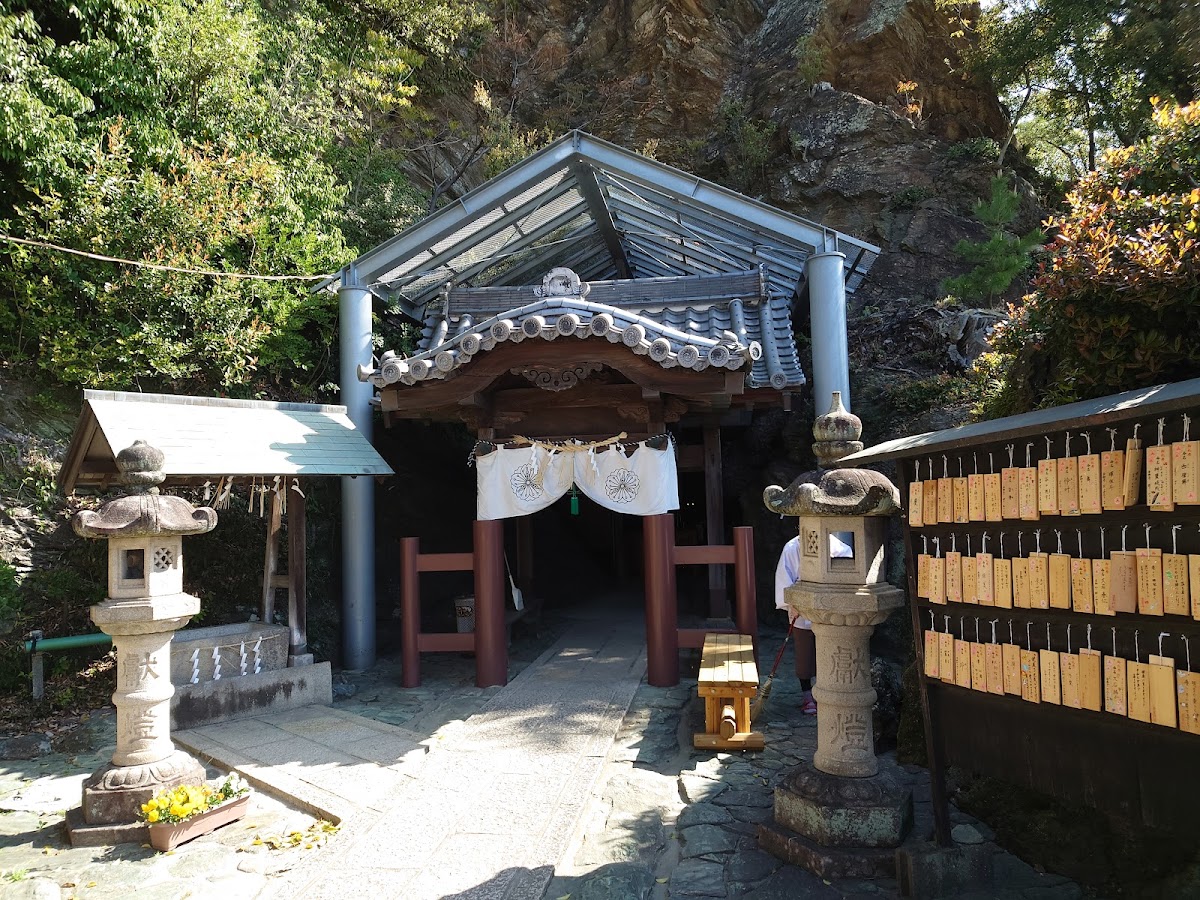
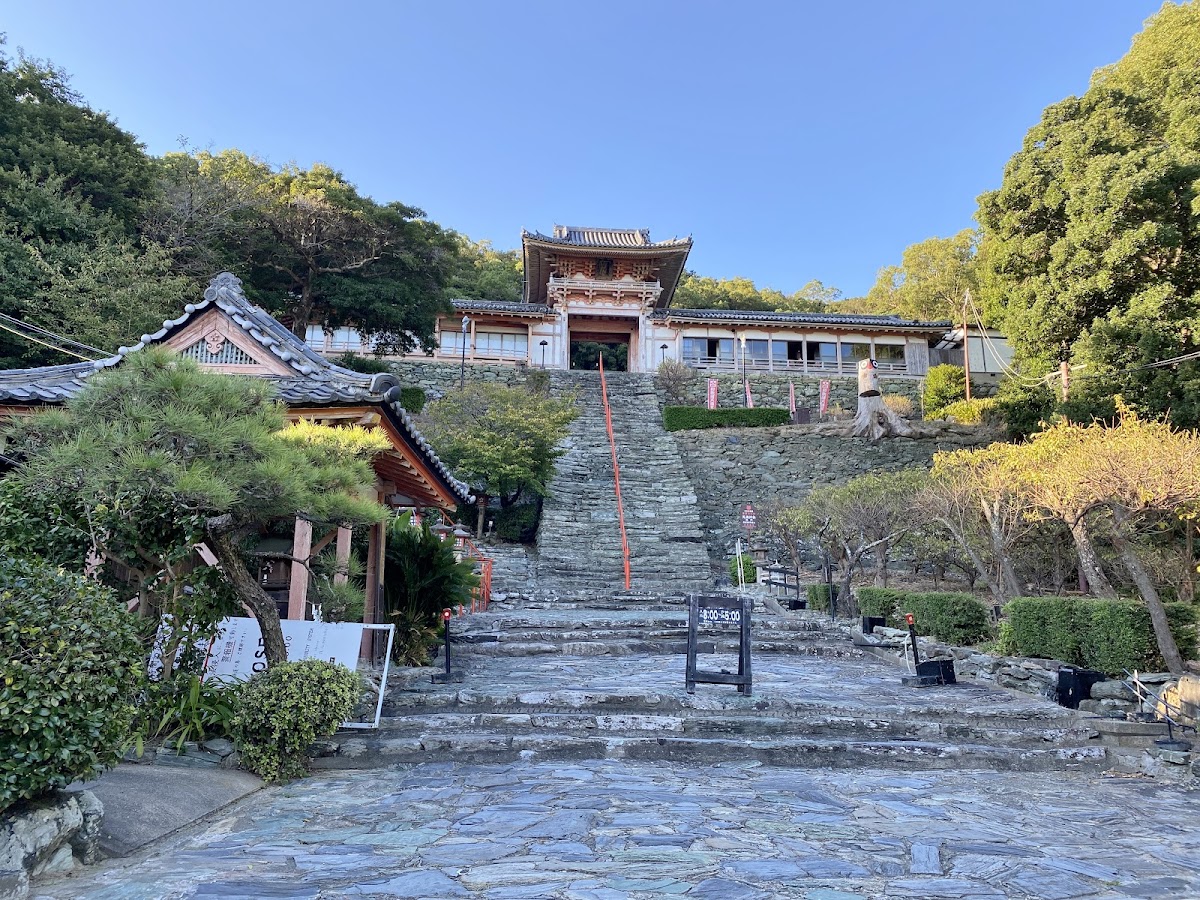
Located on the side of a small hill, the approach to the shrine has stairs, but you can enjoy a tranquil atmosphere surrounded by nature.
Visiting Hours and Shrine Office
While worship is possible all day, if you wish to receive a Goshuin (shrine stamp) or other items, it is recommended to visit during the shrine office’s opening hours. Special arrangements may be made during festivals and events, so it is advisable to check in advance.
History and Origins of Kimoto Hachimangu Shrine
Founding History
There are various theories regarding the founding of Kimoto Hachimangu Shrine, but it is believed to date back to the Nara period. Originally worshipped as Kimoto-gu Shrine, it was merged with Shibahara Hachiman-gu Shrine approximately 400 years ago, becoming the current Kimoto Hachiman-gu Shrine. This merger unified the histories and beliefs of the two shrines, leading to its development as a central place of worship in the region.
Merger of Kimoto-gu and Shibahara Hachiman-gu Shrines
A distinctive aspect of Kimoto Hachiman-gu Shrine’s history lies in the merger of two shrines: Kimoto-gu and Shibahara Hachiman-gu. Even now, more than 400 years after this merger, the traditions of both shrines are carefully preserved. The two-building structure—the main shrine situated on the mountainside of Itsukashiyama and the auxiliary shrine at Miyahara at the foot of the mountain—reflects this historical background.
Deep Ties with the Community
Kimoto Hachiman-gu Shrine, as the tutelary shrine of the Kimoto district, has been closely intertwined with the lives of the local people. It has a history of receiving various prayers from the people, such as for abundant harvests, family safety, and protection from evil. Even today, it plays a central role in local festivals and events, strengthening community bonds.
Deities and Benefits
Main Deity
Kimoto Hachimangu Shrine enshrines Emperor Ōjin (Homudawake-no-Mikoto), the central figure of Hachiman worship, as its main deity. Hachiman has been worshipped since ancient times as the god of military fortune and victory, and is also known as the tutelary deity of the Minamoto clan.
Expected Benefits
The main benefits you can expect at Kimoto Hachimangu Shrine are as follows:
Victory and Success: This is the most well-known benefit of Hachiman’s divine virtue, and you can pray for success in various competitive endeavors such as exams, job hunting, and sports.
Protection from Misfortune and Disaster: Revered since ancient times as a god of protection from misfortune, many people visit the shrine, especially those in their unlucky years or those seeking protection from disaster.
Good Fortune and Prosperity: Many visitors come to pray for good fortune during life’s turning points or when starting something new.
Prayers for Family Safety and Safe Childbirth: As the local guardian deity, the shrine is deeply revered for the health and safety of families and for safe childbirth.
Business Prosperity: Business owners and shopkeepers also visit to pray for success and prosperity in their businesses.
Cultural Properties and Highlights of Kimoto Hachimangu Shrine
Kimoto Hachimangu Shrine preserves several cultural properties of high historical and cultural value, which are designated cultural properties of Wakayama Prefecture and Wakayama City.
Kimoto Hachimangu Main Hall (Prefectural Designated Cultural Property)
Designation Category: Wakayama Prefecture Designated Tangible Cultural Property
Designation Details: Main Hall, Attached Palace, 3 Ridgepole Inscriptions
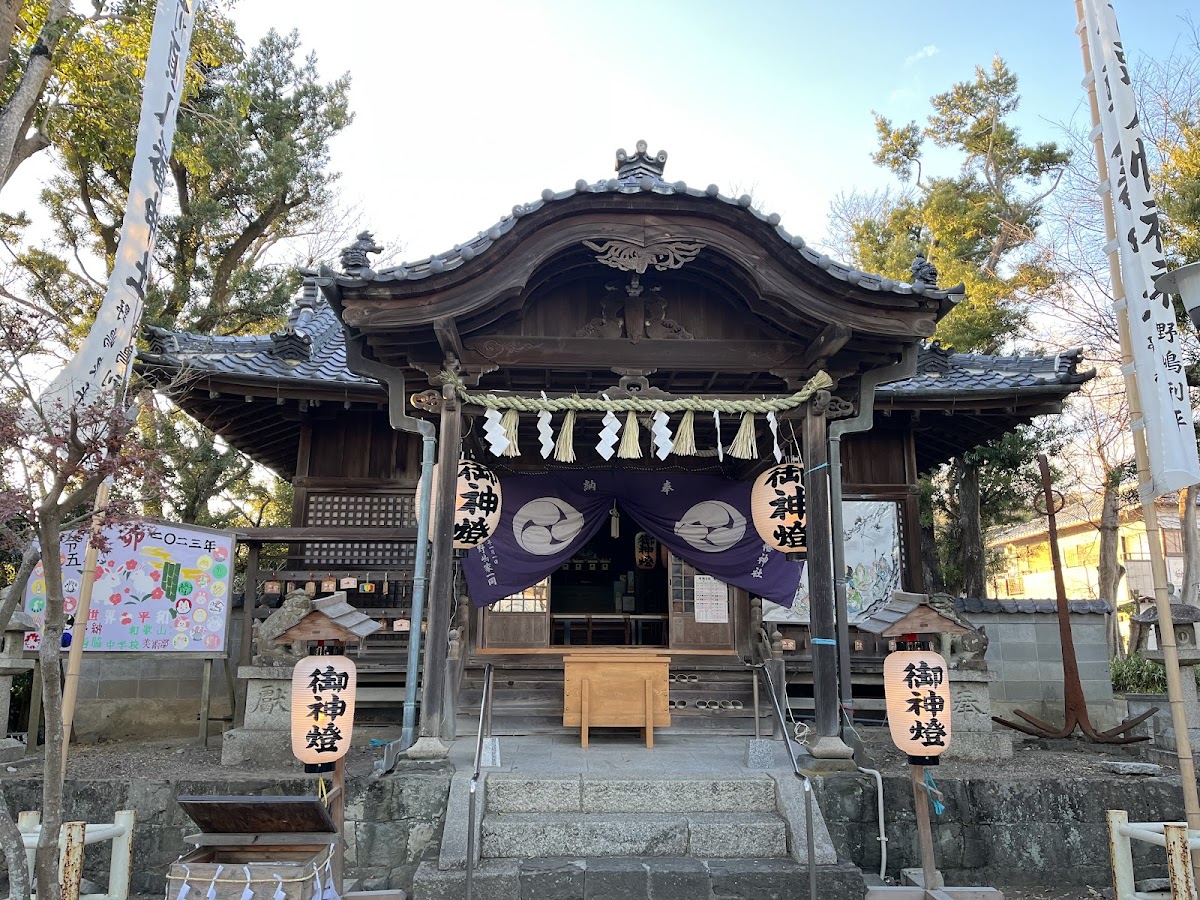
The main hall of Kimoto Hachimangu Shrine is a valuable building that conveys the architectural style of the Edo period. The carvings and decorations applied to the details speak to the high level of craftsmanship of the time. The shrine, including the sanctuary known as the “Kuuden” (palace) and the ridgepole inscription indicating the construction date, has been designated a cultural property, making it of significant architectural historical value.
The main hall’s architectural style incorporates features of the Hachiman style while also including elements unique to the Kishu region. The beautiful curves of the roof and the intricate bracketing under the eaves are worth observing in detail.
Kinomoto Lion Dance (Prefectural Designated Intangible Folk Cultural Property)
Designation Category: Wakayama Prefecture Designated Intangible Folk Cultural Property
Common Name: Ladder Lion Dance
The “Kinomoto Lion Dance” is indispensable when discussing Kinomoto Hachiman Shrine. This lion dance, also known as the “Ladder Lion Dance,” is characterized by its magnificent and unique performance using a ladder, as its name suggests.
Characteristics of the Lion Dance:
- Performance using a ladder: This lion dance, in which the lion dances on a high ladder, is a rare form nationwide. The performances at high altitudes are breathtaking and captivate the audience.
- Long Tradition: This folk art has been passed down in the region for hundreds of years and is an integral part of the local identity.
- Offering at Festivals: It is offered at major shrine festivals, such as the autumn grand festival. The local community works together to preserve the tradition.
- Transmission of Techniques: Due to the inherent dangers of the performances, rigorous training and the transmission of techniques are essential. Active efforts are made to pass on the tradition to younger generations.
Kimoto Hachimangu Shrine Documents (City-Designated Cultural Property)
Designation Category: Wakayama City Designated Cultural Property
Kimoto Hachimangu Shrine preserves ancient documents recording the shrine’s history, which are designated as cultural properties of Wakayama City. These documents provide insights into the shrine’s history, regional history, and religious practices, making them valuable resources for local history research.
Highlights of the Shrine Grounds and the Pilgrimage Route
Natural Environment of Itsukashiyama Mountain
Itsukashiyama Mountain, where Kimoto Hachimangu Shrine is located, is a small mountain that retains abundant nature despite being in an urban area. Along the path leading up to the shrine, you can enjoy the seasonal plants and the sounds of wild birds, allowing you to spend a quiet time away from the hustle and bustle of the city.
The Pilgrimage Path and Stone Steps
The pilgrimage path leading from the foot of the mountain to the main shrine features stone steps that evoke a sense of history. Although the slope is gentle, it is recommended to climb slowly and carefully, paying attention to your footing. Trees grow thickly on both sides of the path, and you can enjoy particularly beautiful scenery during the seasons of fresh greenery and autumn leaves.
The Main Shrine and the Auxiliary Shrine
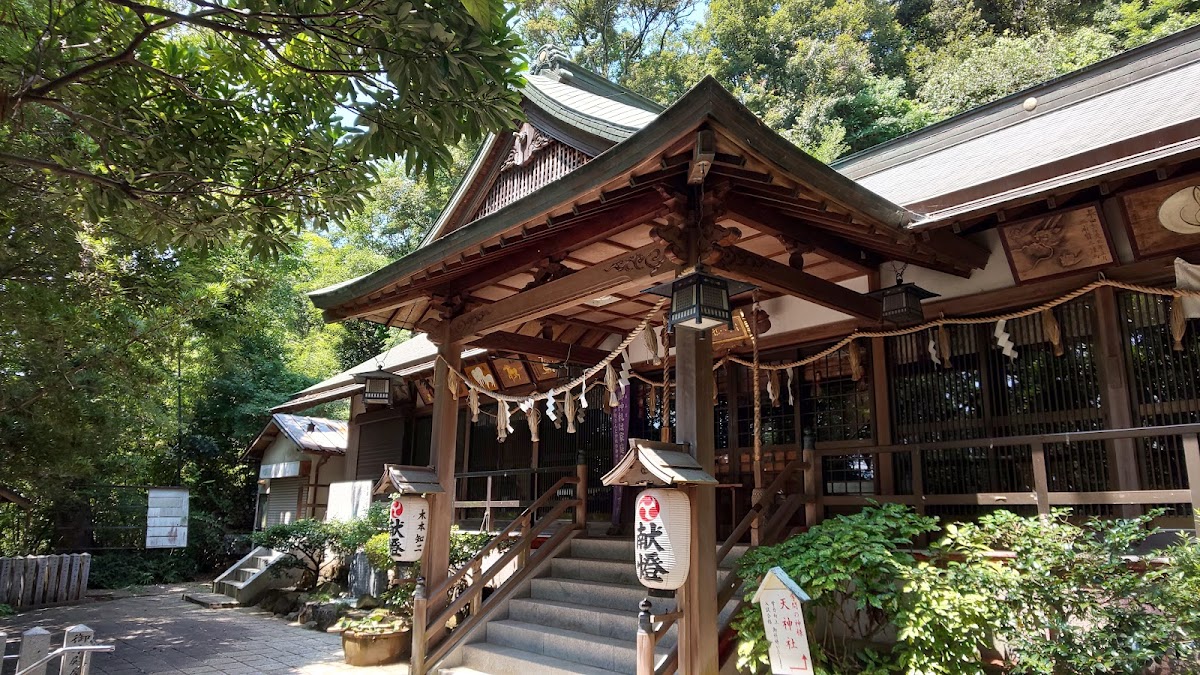
The main shrine, located on the mountainside, exudes a solemn atmosphere that is integrated with the nature of Itsukashiyama Mountain. On the other hand, the auxiliary shrine, located in Miyahara at the foot of the mountain, functions as a more accessible place of worship. If you have the time, visiting both will give you a deeper understanding of the overall picture of Kimoto Hachimangu Shrine.
Shrines and Stone Monuments
Besides the main shrine, there are many small shrines, monuments, and stone monuments scattered throughout the grounds. These are valuable artifacts that tell the story of the region’s history and the depth of its faith.
Annual Events and Festivals
Grand Festival
The most important festival at Kimoto Hachimangu Shrine is the Grand Festival. Often held in the autumn, the “Kinomoto Lion Dance,” a prefecturally designated intangible folk cultural property, is performed. Local residents participate in the preparations, and the event is bustling with many worshippers.
New Year’s Festival and First Shrine Visit of the Year
Many worshippers visit in the new year to pray for safety and prosperity throughout the year. The grounds are filled with people praying for protection from evil and good fortune.
Monthly Festivals
Monthly festivals are held regularly each month, attended by parishioners and devotees. This is a precious opportunity to offer daily gratitude and prayers.
Goshuin (Shrine Seals) and Gifts
About Goshuin
At Kimoto Hachimangu Shrine, you can receive a Goshuin. Many visitors seek a Goshuin as a memento of their visit and as a way to preserve their connection with the shrine.
Features of the Goshuin:
- The words “Kimoto Hachimangu” are written in ink.
- The shrine’s seal is stamped on it.
- The offering fee is a typical amount (around 300-500 yen).
You can bring your own Goshuincho (seal book) or purchase one at the shrine.
Items Offered
Kimoto Hachimangu Shrine offers a variety of items:
- Amulets: Various types of amulets are offered, including amulets for victory, protection from evil, and traffic safety.
- Ema (votive tablets): Ema (votive tablets) on which wishes are written and offered.
- Ofuda (talismans): Ofuda to be placed on the household shrine.
- Hamaya (demon-repelling arrows): Auspicious items given out during the New Year and other occasions.
Summary of Kimoto Hachimangu Shrine’s Characteristics
Reasons to Choose Kimoto Hachimangu Shrine
- Over 400 Years of History: For over 400 years since the merger of Kimoto Shrine and Shibahara Hachimangu Shrine, it has continued as a center of local faith.
- Valuable Cultural Assets: A treasure trove of cultural assets, including the prefecturally designated main hall, the lion dance (an intangible folk cultural property), and the city-designated ancient documents.
- Unique Ladder Lion Dance: The lion dance using a ladder, rare nationwide, is a must-see.
- Diverse Blessings: Fulfills various wishes, including good fortune, protection from evil, good luck, and family safety.
- Rich Natural Environment: A tranquil worship environment surrounded by the greenery of Mt. Itsukashi.
- Connection to the Community: Plays a central role in the local community as the guardian deity.
Points to Note When Visiting
- As there are stone steps, it is recommended to wear comfortable shoes.
- As it is located on the mountainside, the ground may be slippery depending on the weather.
- If you wish to receive a Goshuin (temple/shrine stamp) or other items, please check the opening hours of the shrine office in advance.
- Checking the schedule of festivals and events before visiting will allow for a more fulfilling worship experience.
- Parking is limited, so please consider using public transportation during festivals.
Nearby Tourist Attractions
When visiting Kimoto Hachimangu Shrine, you can also visit other tourist attractions in Wakayama City:
- Wakayama Castle: A famous castle that is a symbol of Wakayama City.
- Kimiidera Temple: An ancient temple known for its cherry blossoms.
- Wakaura: A scenic spot celebrated in poetry since the Manyo period.
- Kada: An area where you can enjoy Awashima Shrine and seafood.
Planning a visit to Kimoto Hachimangu Shrine
Kimoto Hachimangu Shrine is a special place in Wakayama City where history, culture, and local faith are condensed. For over 400 years, this shrine has received people’s wishes. Why not visit in peace and tranquility, and gain new vitality?
Whether you are facing a challenge, a turning point in your life, praying for protection from evil, or simply seeking peace of mind, Kimoto Hachimangu Shrine warmly welcomes all visitors.
In particular, the ladder lion dance performed at the autumn festival is a traditional art form well worth seeing. If you have the opportunity, please visit during this time and experience the power of the culture passed down in the region.
At Kimoto Hachimangu Shrine, nestled amidst the lush greenery of Mount Itsukashi, experience a time of renewed spirit while feeling the weight of history and the blessings of nature.
Basic Information Summary
- Name: Kimoto Hachimangu Shrine
- Location: 1 Nishisho, Wakayama City, Wakayama Prefecture
- Main Deity: Emperor Ojin (Homudawake no Mikoto)
- Founding: Nara period (tradition), approximately 400 years since the joint enshrinement
- Main Cultural Properties: Main Hall (Prefectural Designated), Kimoto Lion Dance (Prefectural Designated Intangible Cultural Property), Ancient Documents (City Designated)
- Main Benefits: Victory, Protection from Evil, Good Fortune, Family Safety
- Access: Approximately 20-25 minutes on foot from Nankai Electric Railway “Hachimanmae Station”
- Parking: Available
- Official Website: https://kimotohachimangu.com/
Kimoto Hachimangu Shrine is a valuable shrine that conveys the history and culture of Wakayama City to the present day. Please visit and experience its charm firsthand.