Kasuga Shrine (Wakayama City, Wakayama Prefecture) Complete Guide | History, Deities, Access, and Goshuin Information
Kasuga Shrine, located in Matsue, Wakayama City, Wakayama Prefecture, is a prestigious ancient shrine listed as “Sho-ichii Kasuga Okami” in the Kii Province Shrine Register. This article comprehensively introduces all the information you need to know before visiting, including the detailed history of Kasuga Shrine, the origins of its enshrined deities, highlights of the grounds, access methods, goshuin information, and annual events.
Basic Information about Kasuga Shrine
Location and Contact Information
Official Name: Kasuga Shrine
Location: 3-1-23 Matsue-naka, Wakayama City, Wakayama Prefecture 640-8423
Phone Number: 073-455-0077
Corporate Number: 4170005000339
Former Shrine Rank: Village Shrine
Affiliation: Wakayama Prefectural Shrine Association
Visiting Hours and Admission Fee
Visiting Hours: Open all day (Please check the shrine office hours)
Admission Fee: Free
Parking: Parking available for visitors on the shrine grounds (limited number of spaces)
History and Origins of Kasuga Shrine
History of its Founding
The founding of Kasuga Shrine is believed to have begun in 1331 (Genkō 1). This year marked the Genkō War under Emperor Go-Daigo, a period of transition from the late Kamakura period to the Nanboku-chō period. It is said to have been established as a shrine dedicated to the four Kasuga deities, having been invited from Kasuga Taisha Shrine in Nara.
Position in the Kii Province Shrine Register
Kasuga Shrine is a highly prestigious shrine listed as “Shōichii Kasuga Ōkami” in the “Kii Province Shrine Register.” The highest rank of “Shōichii” (正一位) in Shinto shrines indicates that Kasuga Shrine has been an important object of worship in Kii Province since ancient times.
The Kii Province Shrine Register is a document compiled from the Heian period to the Kamakura period, recording shrines within Kii Province. Its inclusion provides important evidence of the shrine’s history and status.
Connection to the Matsue Area
The Matsue area, where Kasuga Shrine is located, has long developed as a residential area close to the center of Wakayama City. As the local guardian deity, it has been revered by generations of residents and played a central role in the community.
During the Edo period, it received the patronage of the Kishu Domain, and after the Meiji-era separation of Shinto and Buddhism, it was ranked as a village shrine under the modern shrine ranking system. After becoming a religious corporation after the war, it continues to be revered as the guardian deity of the region to this day.
Deities and Divine Virtues
About the Four Kasuga Deities
Kasuga Shrine enshrines the Four Kasuga Deities, just like Kasuga Taisha in Nara.
Amenokoyane-no-Mikoto
This deity contributed to opening the Amano-Iwato cave when Amaterasu Omikami hid there by reciting prayers. He presides over the power of words and is worshipped as the god of learning, performing arts, and good fortune. Known as the ancestral deity of the Fujiwara clan, he occupies a central position as the principal deity of Kasuga Shrine.
Futsunushi-no-Mikoto
A god of war in Japanese mythology, he played an active role in the transfer of the land. He is revered as the god of swords and martial arts, and is believed to bestow blessings of victory, long-lasting military fortune, and protection from evil. He is also the principal deity of Katori Shrine in Chiba Prefecture.
Takemikazuchi-no-Mikoto
A god of war who, together with Futsunushi-no-Mikoto, achieved the transfer of the land. He possesses characteristics of a god of thunder and a god of swords, and is believed to bestow blessings of victory, improvement in martial arts, protection from evil, and good fortune. He is known as the principal deity of Kashima Shrine in Ibaraki Prefecture.
Himegami
A goddess worshipped as one of the four deities of Kasuga. She is considered the consort of Amenokoyane-no-Mikoto and is believed to bestow blessings for matchmaking, marital harmony, fertility, and safe childbirth. She is also revered as a guardian deity of women.
Main Divine Blessings
The main divine blessings bestowed by the deities enshrined at Kasuga Shrine are as follows:
- Good Fortune and Prosperity: Improvement of luck in all aspects of life
- Protection from Evil and Disaster: Protection from all kinds of calamities
- Academic Success: Improvement of academics, passing examinations
- Long-lasting Military Fortune: Good fortune in competitions, success in sports
- Matchmaking: Success in good relationships, harmonious interpersonal relationships
- Family Safety: Health and peace of the family
- Business Prosperity: Development of businesses, business success
Highlights of the Shrine Grounds
Main Hall and Worship Hall
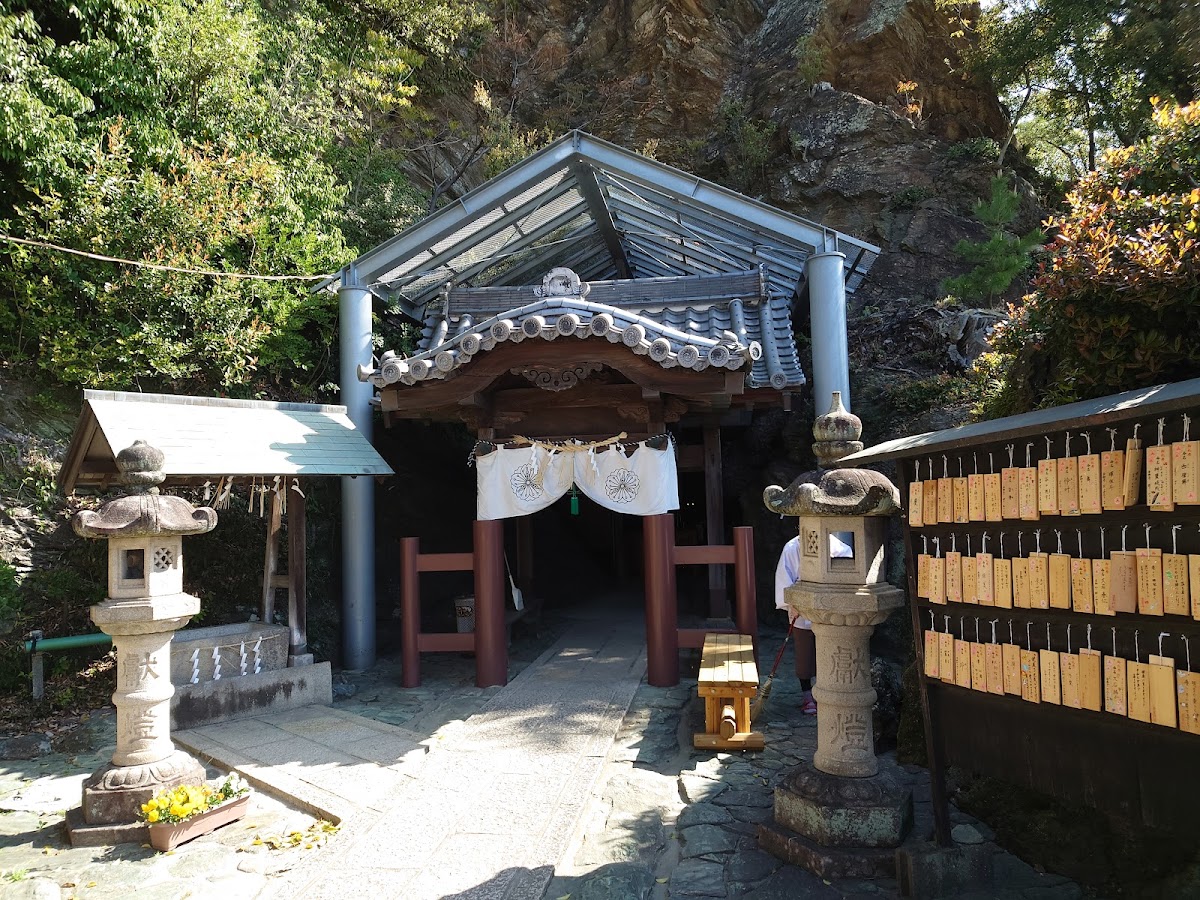
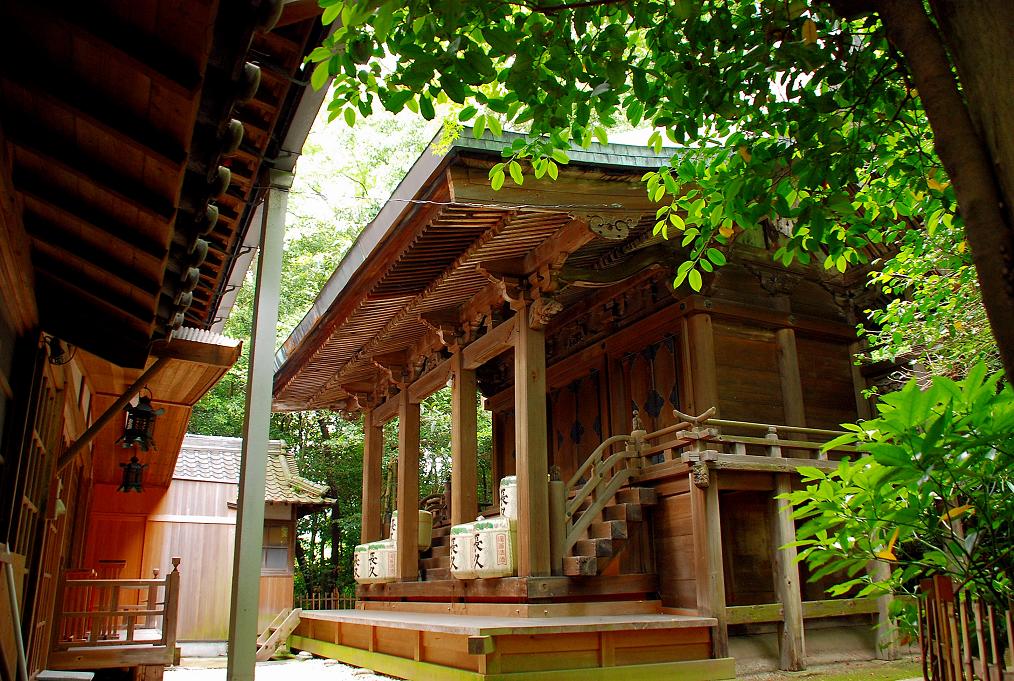
The main hall of Kasuga Shrine is built in the traditional style of shrine architecture and, along with the worship hall, is located in the center of the shrine grounds. Worshippers perform the ritual of two bows, two claps, and one bow in front of the main hall. The shrine buildings are regularly maintained, preserving a clean and solemn atmosphere.
Torii Gate and Approach
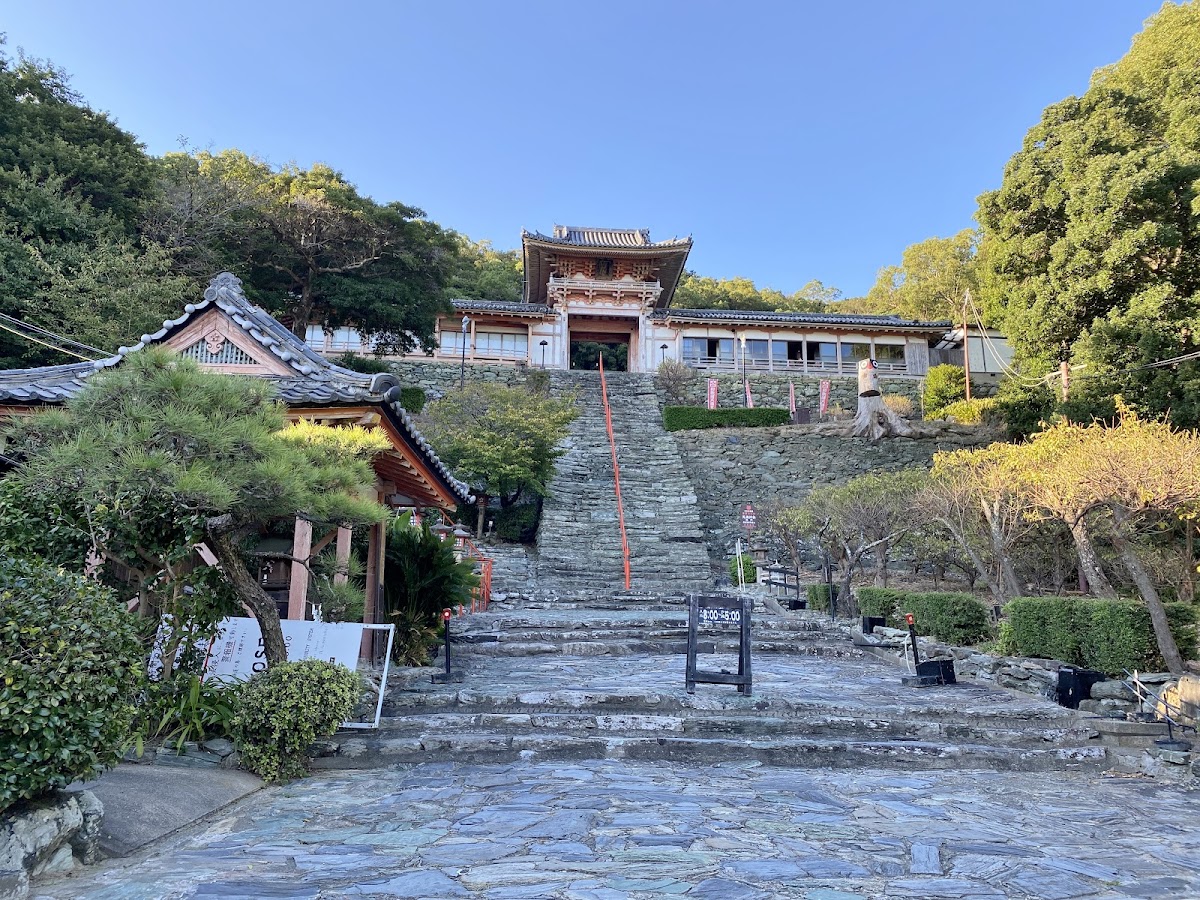
A torii gate stands at the entrance to the shrine grounds, and a well-maintained approach leads from there to the main hall. Walking along the approach allows one to shift their mind from everyday life to a sacred space.
Subsidiary Shrines and Auxiliary Shrines
Within the grounds of Kasuga Shrine, there may be subsidiary shrines and auxiliary shrines associated with the main shrine. These small shrines are also important places of worship for the local community.
Sacred Trees and Natural Environment
The shrine grounds contain trees that have grown over many years, creating a sacred atmosphere. Despite being in an urban area, the grounds maintain a tranquil space, providing an environment for peaceful worship.
Access Methods
Access by Train
Nearest Station: Nankai Main Line/JR Kisei Main Line “Wakayama-shi Station” or Nankai Wakayama Port Line “Wakayama-ko Station”
- Approximately 20-25 minutes on foot from Wakayama-shi Station
- Approximately 15-20 minutes on foot from Wakayama-ko Station
By Bus: Take a Wakayama Bus from Wakayama-shi Station or Wakayama Station, get off at the Matsue area bus stop, and it’s a few minutes’ walk from there.
Access by Car
Hanwa Expressway:
- Approximately 15 minutes from “Wakayama IC”
- Via National Route 42 to the Matsue area
Parking: There is parking space for visitors on the temple grounds, but the number of spaces is limited, so during busy periods such as New Year’s visits and festivals, we recommend using public transportation.
Map and Landmarks
Kasuga Shrine is located in a residential area at 3-chome, Matsue-naka, Wakayama City. Matsue Elementary School and a local shopping street are nearby, and locals are happy to provide directions.
Goshuin (Shrine Seal) and Gift Information
About Goshuin
Kasuga Shrine offers Goshuin. Goshuin are proof of your visit and serve as a tangible record of your connection with the shrine.
Reception Hours: During the shrine office’s opening hours (it is recommended to confirm by phone beforehand)
Offering Fee: Generally around 300-500 yen
Notes: Please bring your Goshuincho (stamp book). Pre-printed Goshuin may be available.
Gifts and Amulets
Kasuga Shrine offers various amulets and gifts.
- Exorcism Charm: For those in their unlucky year or those wishing for protection from misfortune.
- Academic Success Charm: For students taking exams or those wishing for academic success.
- Good Fortune Charm: For those wishing for improved luck.
- Traffic Safety Charm: For drivers or those wishing for safety during commutes to work or school.
- Matchmaking Charm: For those wishing for a good relationship.
Annual Events and Festivals
Main Annual Events
New Year’s Day Festival (January 1st)
A festival celebrating the start of the new year. Many worshippers visit the shrine for their first visit of the year, praying for safety and prosperity throughout the year.
Setsubun Festival (around February 3rd)
Shinto rituals such as bean-throwing are performed to pray for protection from evil and good fortune. With the chant of “Good fortune in, demons out!”, evil spirits are driven away and good fortune is invited.
Spring Grand Festival
An important festival held with the arrival of spring. It often includes a portable shrine procession and offering ceremonies, making it a lively event where local people gather.
Summer Purification Ceremony (June 30th)
A Shinto ritual to purify and cleanse away the sins and impurities accumulated over the past six months. Participants pass through a ring of reeds, praying for good health and protection from illness for the remaining half of the year.
Autumn Grand Festival
A festival to give thanks for the autumn harvest and pray for a bountiful harvest. Along with the Spring Grand Festival, it is one of the two major festivals of Kasuga Shrine.
Year-End Purification Ceremony (December 31st)
A Shinto ritual to purify and cleanse away the sins and impurities accumulated over the past year, allowing for a fresh start to the new year.
Monthly Festival
Monthly festivals are held on specific days each month, praying for the peace and well-being of parishioners and the prosperity of the community. ## Manners and Etiquette for Visiting a Shrine
Basic Shrine Etiquette
- How to Pass Through the Torii Gate: Bow before passing through the torii gate. The center of the path is the path of the gods, so walk along the side.
- How to Wash Your Hands at the Water Basin:
- Take the ladle with your right hand and wash your left hand.
- Switch the ladle to your left hand and wash your right hand.
- Switch the ladle back to your right hand, receive water in your left hand, and rinse your mouth.
- Wash your left hand once more.
- Hold the ladle upright, let the water flow down the handle, and return it to its original place.
- Worship at the Main Hall:
- Quietly place your offering in the offering box.
- Ring the bell if there is one.
- Worship using the two bows, two claps, and one bow ritual.
- Express your gratitude and wishes to the gods with sincerity.
- Exiting: After worshiping, bow towards the shrine building when leaving through the torii gate.
Attire and Mindset When Visiting a Shrine
Shrines are sacred places. Avoid overly flashy or revealing clothing, and aim for clean, understated attire. Also, be quiet within the shrine grounds and remember to be considerate of other visitors.
Differences from Other Kasuga Shrines in Wakayama City
Comparison with Kada Kasuga Shrine
In addition to the Kasuga Shrine in Matsue, Wakayama City, Wakayama Prefecture, there is also a Kasuga Shrine (Kada Kasuga Shrine) in the Kada area. Kada Kasuga Shrine is said to have been established by En no Ozuno when he used Tomogashima Island as a place of ascetic practice, and is characterized by its coastal location.
On the other hand, the Kasuga Shrine in Matsue is located in a residential area of the city and functions as a center of everyday local deity worship. Both are prestigious shrines listed in the Kii Province Shrine Register, but they differ in location and history.
About Kasuga Shrine in Kainan City
Many search results show Kasuga Shrine in Ohno-naka, Kainan City, but this is a different shrine from the Kasuga Shrine in Wakayama City. The Kasuga Shrine in Kainan City is particularly famous for protection against misfortune and evil spirits, and is known for performing prayers such as house feng shui consultations.
When visiting the Kasuga Shrine in Matsue, Wakayama City, please confirm the address: “3-1-23 Matsue-naka, Wakayama City.”
Nearby Tourist Spots and Shrines/Temples
Wakayama Castle
Wakayama Castle, located about 10 minutes by car or 30 minutes on foot from Kasuga Shrine, is a famous castle that flourished as the residence of the Kishu Tokugawa family. From the castle tower, you can enjoy a panoramic view of Wakayama City, making it an ideal place to visit in conjunction with a visit to Kasuga Shrine.
Kimii-dera Temple
Kimii-dera Temple, the second temple of the Saigoku Thirty-Three Kannon Pilgrimage, is also famous as a cherry blossom viewing spot in spring. It’s about a 15-minute drive from Kasuga Shrine.
Wakaura
Wakaura, known as a scenic spot since the Manyo period, is about a 20-minute drive from Kasuga Shrine. Historic shrines such as Tamatsushima Shrine and Wakaura Tenmangu Shrine are scattered throughout the area.
Nearby Shrines
Wakayama City has many historical shrines, including Hinokuma Shrine, Kunikake Shrine, and Itakiso Shrine. Visiting these shrines is highly recommended.
Prayers and Ceremonies Available at Kasuga Shrine
Individual Prayers
At Kasuga Shrine, you can receive various prayers tailored to the wishes of individuals and families.
- Prayer for Protection from Misfortune: Protection from misfortune for those in their unlucky year
- Prayer for Protection from Directional Misfortune: Protection from misfortune related to direction during moving or travel
- Prayer for Family Safety: Health and peace for the family
- Prayer for Business Prosperity: Development of the business
- Prayer for Academic Success: Passing exams, improvement of academic ability
- Prayer for Traffic Safety: Blessing of the car, safe driving
- Prayer for Recovery from Illness: Recovery from illness
- Prayer for Safe Childbirth: Health of the pregnant woman and fetus
On-site Ceremonies
- Groundbreaking Ceremony: Prayers for safety during construction and prosperity of the building
- Roof-Raising Ceremony: Ceremony held when the roof is raised
- Completion Ceremony: Ceremony held when the building is completed
- Shinto Altar Ceremony: Installation of a new Shinto altar
Those wishing to have prayers performed are advised to make a reservation and consultation by phone in advance.
Cultural Properties and Treasures of Kasuga Shrine
Kasuga Shrine may house cultural properties and treasures that have been passed down through its long history. For details, please inquire at the shrine office during your visit. Valuable materials that tell the story of the region’s history, such as ancient documents and offerings, may be stored there.
Connections with the Parishioner Community
Kasuga Shrine, as the tutelary shrine of the Matsue district, plays a central role in the local community. The shrine’s maintenance and festival management are carried out by the parishioner organization, fostering intergenerational community bonds.
Life rites such as Shichi-Go-San (a traditional rite of passage for children) and Hatsumieyamairi (a first shrine visit for newborns) are also held at Kasuga Shrine, continuing to watch over important milestones in the lives of local residents.
Visitor Voices and Reviews
Visitors to Kasuga Shrine often comment on its “quiet and peaceful atmosphere despite being located in a residential area,” “warm and community-oriented shrine,” and “attentive service.”
Despite its dignified and historically significant status, Kasuga Shrine’s approachable and welcoming atmosphere makes it a charming place for everyday visits.
Frequently Asked Questions (FAQ)
Q1: Can I get a Goshuin (shrine stamp) at Kasuga Shrine?
A1: Yes, Kasuga Shrine offers Goshuin. Please bring your Goshuincho (stamp book) and request one during the shrine office’s opening hours. We recommend calling ahead to confirm, as staff may be absent.
Q2: Is there parking available?
A2: There is parking space for visitors on the shrine grounds, but spaces are limited. During busy periods such as New Year’s Day and festivals, we recommend using public transportation.
Q3: Can I receive a prayer for warding off evil?
A3: Yes, you can receive various prayers, including prayers for warding off evil. We recommend making a reservation and consultation by phone (073-455-0077) in advance.
Q4: Is this the same shrine as the Kasuga Shrine in Kainan City? A4: No, it’s a different shrine. The Kasuga Shrine introduced in this article is located in Matsue-naka 3-chome, Wakayama City, and is different from the Kasuga Shrine in Ohno-naka, Kainan City.
Q5: Can I have a wedding ceremony there?
A5: Please contact the shrine directly regarding Shinto wedding ceremonies. Generally, Shinto wedding ceremonies can be held at shrines.
Q6: How crowded is it during the New Year’s visit?
A6: It gets busy with local worshippers from New Year’s Day to the third day, but it’s not as crowded as large shrines. You can visit relatively peacefully.
Q7: Is it possible to visit with a pet?
A7: Policies vary depending on the shrine, so we recommend checking in advance. Generally, you are expected to carry your pet or put it in a carrier.
Summary
Kasuga Shrine, located in Matsue, Wakayama City, Wakayama Prefecture, is a prestigious ancient shrine listed as the First Rank Kasuga Ōkami in the Kii Province Shrine Register, yet it remains a friendly and approachable shrine deeply rooted in the local community.
It enshrines the four Kasuga deities (Ame-no-Koyane-no-Mikoto, Futsunushi-no-Mikoto, Takemikazuchi-no-Mikoto, and Himegami), who were invited from Kasuga Taisha Shrine in Nara, and offers a variety of divine blessings, including good fortune, protection from evil, academic success, military prosperity, and matchmaking.
Since its founding in 1331, it has attracted the faith of local people for approximately 700 years, playing a central role in the community as the local guardian deity. Despite being located in a residential area of an urban area, the shrine grounds maintain a tranquil atmosphere, providing a peaceful space for worship.
Access is convenient, within walking distance of Wakayama City Station, and it is recommended to visit in conjunction with nearby tourist attractions such as Wakayama Castle and Kimii-dera Temple.
Please visit Kasuga Shrine for New Year’s prayers, exorcisms, Shichi-Go-San celebrations, and various other occasions to express gratitude for life’s milestones and everyday blessings. It is a hidden gem in Wakayama, where a dignified history and warm local atmosphere harmonize perfectly.