Fujishiro Shrine Complete Guide | Experience the History and Blessings of the Kumano Kodo at the Birthplace of the Suzuki Surname
Fujishiro Shrine, located in Fujishiro, Kainan City, Wakayama Prefecture, is an important base for pilgrims walking the Kumano Kodo pilgrimage route and a historical shrine known as the root of the Suzuki surname, which is widespread throughout Japan. As one of the Five Great Princes, considered exceptional among the 99 Kumano Oji, it has long attracted the faith of the imperial court and nobility.
This article comprehensively introduces information you should know before visiting Fujishiro Shrine, including its history, enshrined deities, highlights of the grounds, blessings, and access methods.
About Fujishiro Shrine
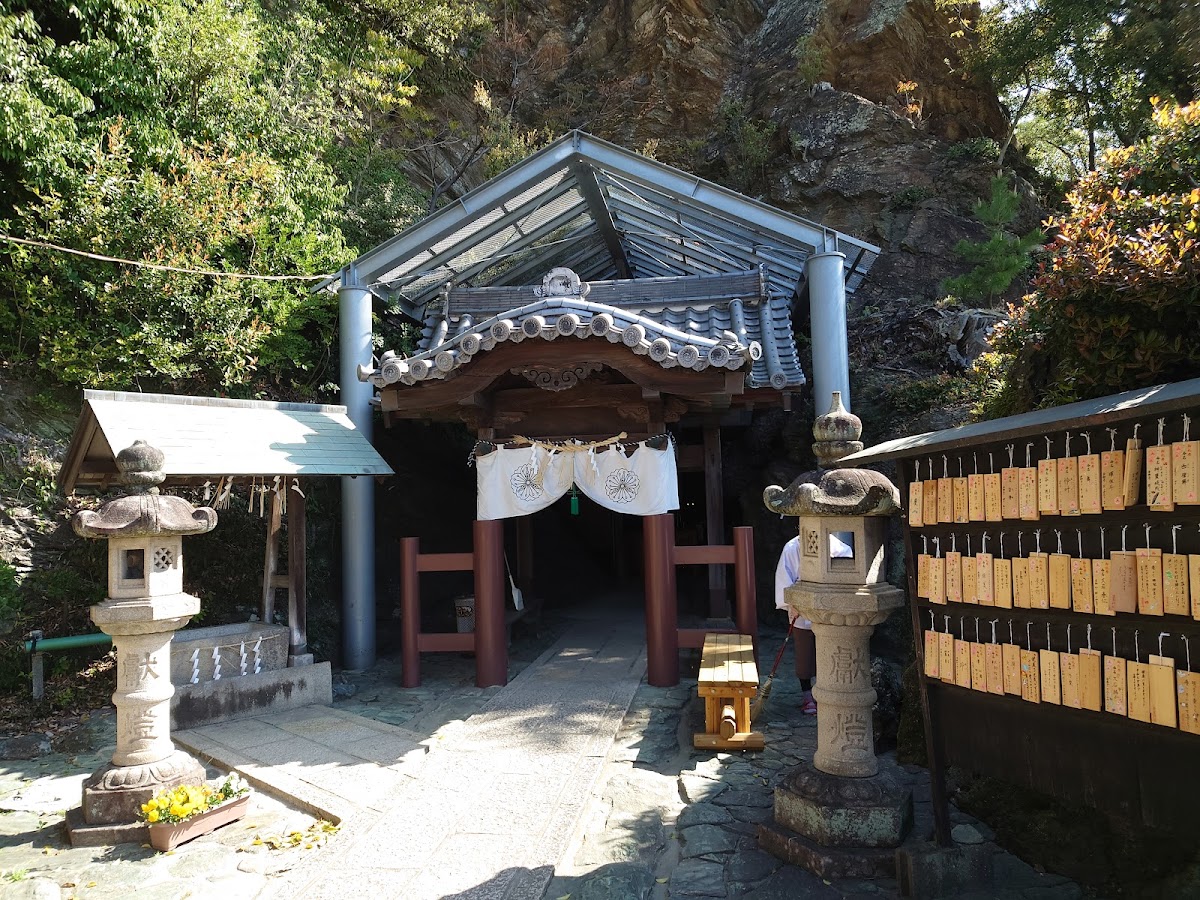
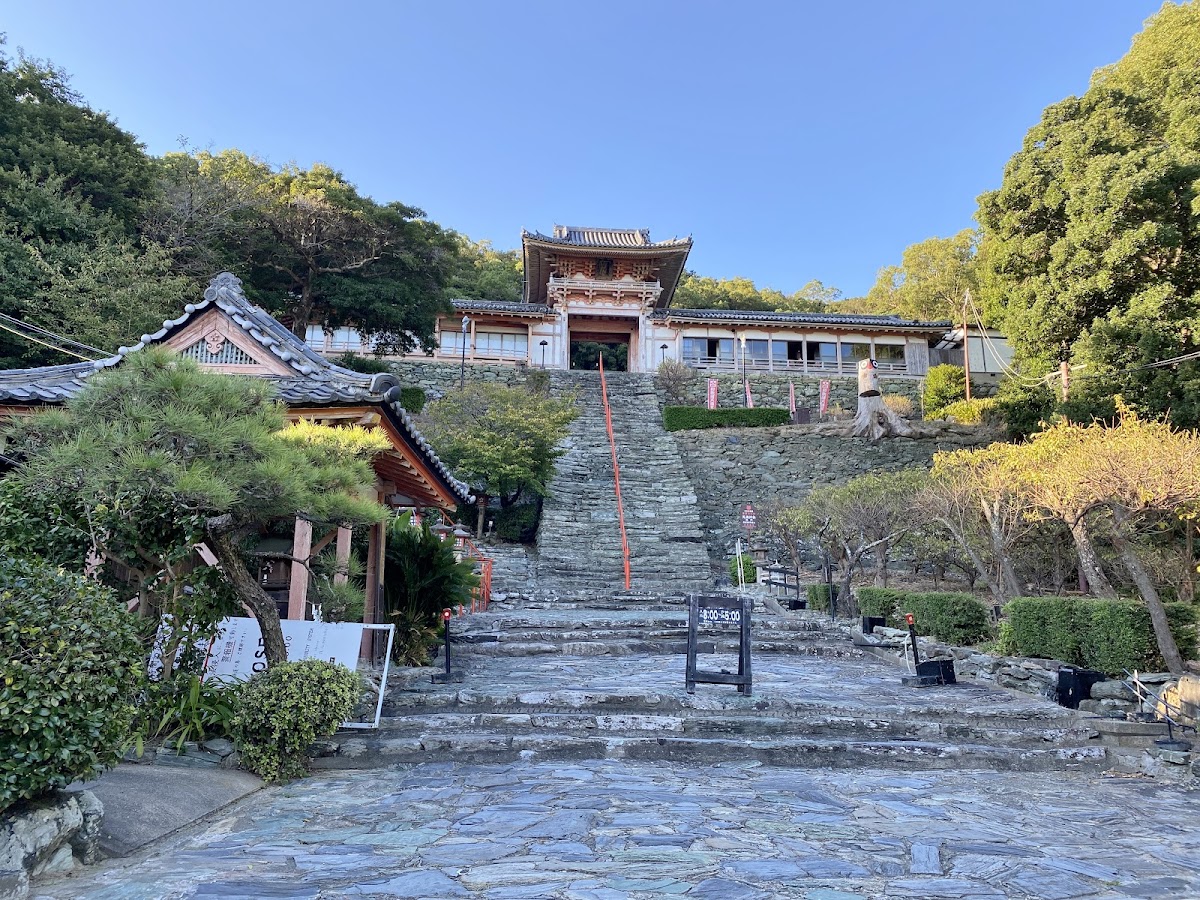
Fujishiro Shrine is located at the entrance to the “Fujishiro Slope” of the Kumano Kodo pilgrimage route, situated on a hill overlooking Kainan city and the distant Waka-no-ura bay. The grounds, embraced by ancient camphor trees, are filled with a sacred atmosphere, offering peace and strength to visitors.
This shrine, affectionately known by various names throughout history, such as “Fujishiro Shrine,” “Fujishiro Gongen,” and “Fujishiro Wakaichi Oji Gongen,” was formerly a prefectural shrine and remains one of Wakayama Prefecture’s leading sacred sites, attracting many worshippers.
Status as one of the Five Oji Shrines
The Kumano Ninety-Nine Oji are a collective term for shrines established along the pilgrimage route to the Kumano Sanzan (Three Grand Shrines of Kumano), serving as places to pray for the safety of pilgrims and a smooth journey. Among them, the Five Oji Shrines (Fujishiro Oji, Kirime Oji, Inabane Oji, Takijiri Oji, and Hosshinmon Oji), including Fujishiro Shrine, held particularly high status and were important bases, even having a “palace” where retired emperors and cloistered emperors could stay.
History of Fujishiro Shrine
Origin of its Founding
Several legends remain regarding the founding of Fujishiro Shrine. The oldest records indicate that the shrine’s origins date back to the fifth year of Emperor Keikō’s reign (around 75 AD). Later, Empress Saimei is said to have established a shrine at this location during her visit to Muro-no-yu (present-day Shirahama Yuzaki Onsen).
Empress Saimei’s reign was in the mid-7th century, suggesting that this area was considered an important transportation hub since ancient times. Located along the ancient road connecting Kii Province and Kumano, it is believed that the faith arose spontaneously as a place to pray for safe travels.
The Rise of Kumano Faith and Fujishiro-oji Shrine
From the late Heian period to the Kamakura period, Kumano faith spread among the aristocracy, and pilgrimages to Kumano by retired emperors and cloistered emperors became common. Fujishiro-oji Shrine appears in many pilgrimage records as the first important Oji shrine on the route from Kyoto to Kumano.
The “Kichiki” (a historical record) from the first year of Kennin (1201) records that Emperor Go-Toba stayed at Fujishiro-oji during his pilgrimage to Kumano, indicating that it was an important resting place before crossing the Fujishiro Pass. Pilgrims prayed here for a safe journey and prepared for the arduous Kumano Kodo trail.
The Suzuki Clan and Fujishiro Shrine
The existence of the Fujishiro Suzuki clan is indispensable when discussing the history of Fujishiro Shrine. The Suzuki clan served as priests of this shrine for generations, protecting it as a center of Kumano faith.
The Suzuki surname is said to be the second most common surname in Japan, and many are believed to have their roots in Fujishiro. The Suzuki Residence (a nationally designated historical site), adjacent to the shrine grounds, is a “sacred place” for people with the Suzuki surname throughout Japan, and many people with the Suzuki surname from all over the country still visit it today.
Deities and Benefits
Main Deity
The main deity of Fujishiro Shrine is Nigihayahi-no-Mikoto. Nigihayahi-no-Mikoto is a god considered to be the grandson of Amaterasu-Omikami, and is an important deity in mythology who is said to have descended to the land of Yamato before the descent of the heavenly grandchild. He is also known as the ancestral deity of the Mononobe clan and is revered as a god of land development and industrial progress.
Benefits
Fujishiro Shrine is said to offer the following benefits:
- Fertility and Safe Childbirth: Due to its connection with the Komori Kusunoki Shrine, it attracts worshippers who wish for children.
- Health and Longevity: A belief that draws on the vitality of the camphor tree, which is over a thousand years old.
- Safe Travel: Its original role as an Oji shrine on the Kumano Kodo pilgrimage route.
- Family Safety: Its aspect as a tutelary deity protected by the Suzuki family for generations.
- Good Fortune and Prosperity: Due to the divine virtues of Nigihayahi-no-Mikoto.
Highlights of the Shrine Grounds
Fujishiro Oji Ruins
Within the shrine grounds remain the ruins of Fujishiro Oji, one of the 99 Oji shrines of Kumano. It was once a place visited by retired emperors and nobles, and is an important historical site that conveys the history of the Kumano Kodo pilgrimage route. A stone monument marking the Oji ruins stands there, evoking the glory of the past.
Gongendo Hall
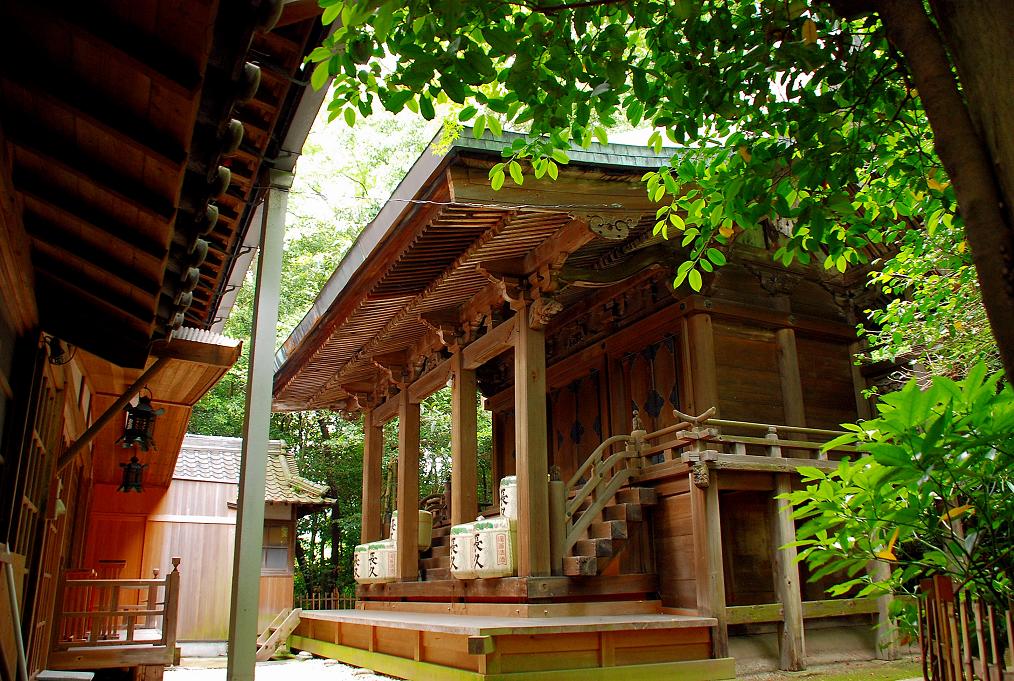
The Gongendo Hall is a building that retains the remnants of the era of syncretism of Shinto and Buddhism. This shrine exhibits a form of “Gongen faith,” a fusion of Buddhism and Shinto, and conveys the atmosphere of the time when it was worshipped as Fujishiro Wakaichi Oji Gongen. Built separately from the main shrine, it exudes a unique religious atmosphere.
Komori Kusunoki Shrine
Komori Kusunoki Shrine, one of the shrines within the grounds, is known for its blessings of fertility and safe childbirth. Built as if protected by a giant camphor tree over a thousand years old, its mystical appearance captivates many visitors. This camphor tree is designated a natural monument of Wakayama Prefecture and is a symbolic presence of Fujishiro Shrine.
The trunk circumference of the camphor tree is approximately 10 meters, and its vitality is overwhelming to behold. The sight of couples praying for children touching the camphor tree remains unchanged to this day.
Arima Oji Shrine
Within the grounds is also Arima Oji Shrine, dedicated to Prince Arima. Prince Arima was a member of the imperial family during the Asuka period. He is believed to have met a tragic end in this area after being suspected of rebellion. A poem by Prince Arima remains in the Manyoshu (an ancient collection of Japanese poetry), making this a fascinating spot for history buffs and literature lovers.
Prince Arima’s poem, “At home, I serve rice in a bowl; on my journey, I serve it on a chestnut leaf,” is a famous poem conveying the loneliness and regret of travel.
Suzuki Residence
Adjacent to Fujishiro Shrine, the Suzuki Residence is designated a national historical site as the birthplace of the Suzuki surname. The restored residence is open to the public, allowing visitors to learn about the history of the Suzuki clan and the Kumano faith.
A museum is also located within the residence, providing detailed information about the distribution of the Suzuki surname throughout Japan and the historical role played by the Suzuki clan. An annual event called the “Suzuki Summit,” where people with the Suzuki surname from all over Japan gather, is held here, attracting many participants.
Cultural Properties
Fujishiro Shrine possesses numerous cultural properties of high historical and cultural value.
Natural Monuments
- Fujishiro Shrine’s Camphor Tree: A giant tree over a thousand years old, designated as a natural monument by Wakayama Prefecture. Its majestic form, with a trunk circumference of approximately 10 meters and a height of approximately 20 meters, is a witness to the shrine’s history.
Historic Sites
- Fujishiro Oji Shrine Site: Recognized for its historical value as an important Oji shrine site on the Kumano Kodo pilgrimage route.
- Suzuki Residence: A nationally designated historic site. It holds high cultural significance as the root of the Suzuki surname.
Buildings
The buildings, such as the main hall and the Gongendo hall, preserve architectural styles from the Edo to Meiji periods and are important resources for the study of shrine architecture.
Festivals and Annual Events
Fujishiro Shrine holds various festivals and events throughout the year.
Main Festivals
- Annual Grand Festival (October): The most important festival of Fujishiro Shrine, celebrated grandly by the entire community.
- New Year’s Visit (January 1st-3rd): Bustling with New Year’s worshippers.
- Setsubun Festival (February): An event to ward off evil and invite good fortune.
- Summer Purification Ceremony (June 30th): A Shinto ritual to cleanse away the impurities accumulated over the past six months.
These festivals continue to be held in a way that preserves local traditions while also being familiar to modern worshippers.
Access
Access by Train
Approximately 15 minutes on foot from JR Kisei Main Line “Kainan Station”
Kainan Station is a major station where the limited express “Kuroshio” also stops. Exit the station and head west, cross National Route 42, and climb the hill to reach Fujishiro Shrine. Guide signs are installed along the way, so you are unlikely to get lost.
Visiting on foot allows you to experience the atmosphere of the Kumano Kodo pilgrimage route, making it recommended for those with ample time.
Access by Bus
Take a Wakayama Bus from JR Kainan Station and get off at the “Fujishiro Shrine” bus stop. Since buses are infrequent, it is recommended to check the timetable in advance.
Access by Car
Approximately 10 minutes from the Hanwa Expressway “Kainan-Higashi IC”
After exiting the interchange, head south on National Route 42 and follow the signs. While there is a parking lot for visitors at the shrine, spaces are limited, so early arrival is advisable on weekends and festival days.
Address
466 Fujishiro, Kainan City, Wakayama Prefecture 642-0034
Visiting Hours and Admission Fee
The grounds of Fujishiro Shrine are generally open for worship at any time. However, since there are specific opening days and times for visiting the Suzuki Residence, it is recommended to check the calendar on the official website in advance.
Admission Fee: Visiting the temple grounds is free. There may be an admission fee for entering the Suzuki Residence.
Nearby Tourist Attractions
Kumano Kodo Fujishiro Slope
Fujishiro Slope, which leads from Fujishiro Shrine, is known as a charming stone-paved path within the Kumano Kodo pilgrimage route. Walking along this ancient path, which retains traces of the past, allows you to experience the route taken by Heian period aristocrats. There is also an observation point at the pass, offering a panoramic view of the beautiful Kii Channel.
Waka-no-ura
A scenic spot mentioned in the Manyoshu (an ancient collection of Japanese poetry), it is about a 15-minute drive from Fujishiro Shrine. The beautiful scenery, where the picturesque coastline and historical buildings harmonize, is designated as a national scenic spot.
Kuroe Townscape
The Kuroe district of Kainan City is a historic town that flourished as a production center for Kishu lacquerware. You can stroll along streets lined with traditional townhouses and visit lacquerware workshops.
Points and Manners for Visiting the Shrine
Etiquette for Visiting the Shrine
- Bow before passing through the torii gate
- Cleanse your hands and mouth at the water basin
- Bow twice, clap twice, and bow once in front of the main shrine
- Don’t forget to visit the subsidiary shrines within the grounds
Photography
Photography is generally permitted on the shrine grounds, but consideration should be given to avoiding disturbing other visitors or during religious ceremonies. The sacred camphor tree is a popular photo spot, but please take pictures quietly and respectfully.
Attire
There are no strict dress code regulations, but it is advisable to wear clothing that reflects the sacred nature of the place. If you plan to walk along Fujishirozaka, please prepare comfortable shoes and clothing.
The Charm of Fujishiro Shrine
The greatest charm of Fujishiro Shrine lies in its rich and layered history. A place of worship since ancient times, a center of Kumano faith, the birthplace of the Suzuki surname, and the stage for the tragedy of Prince Arima—it’s rare to find a shrine where such diverse historical elements are condensed into one place.
Standing in the shrine grounds, watched over by camphor trees over a thousand years old, you can feel something that transcends the flow of time. Leaving the hustle and bustle of the city behind, you can quiet your mind and connect with the Japanese spirit that has continued since ancient times.
Whether you visit as a starting point for a journey along the Kumano Kodo pilgrimage, to explore the roots of the Suzuki surname, or simply to seek a peaceful time at a historic shrine—whatever your purpose, Fujishiro Shrine will offer a special experience for each visitor.
When you visit Wakayama Prefecture, be sure to stop by Fujishiro Shrine and spend a soul-cleansing moment in this sacred place where over a thousand years of history breathes.