Minato Shrine (Wakayama City, Wakayama Prefecture) Complete Guide | The History and Relocation Story of a Shrine Dedicated to the God of Creation
Located in Minato, Wakayama City, near the mouth of the Kinokawa River, Minato Shrine is a historic shrine once known as the “God of the Abundant Sea.” Having undergone numerous relocations due to natural disasters and the changing times, it continues to be revered as the local tutelary deity. This article provides a detailed explanation of Minato Shrine’s history, enshrined deities, highlights, and access methods.
Basic Information about Minato Shrine
Location: 2-18-18 Minato, Wakayama City, Wakayama Prefecture
Main Deity: Takamimusubi-no-kami
Enshrined Deities: Amaterasu-Omikami, Hiruko-no-kami, Wadatsumi-no-kami, Akikuni-no-tama-no-kami, Ōkuninushi-no-kami
Former Shrine Rank: Village Shrine
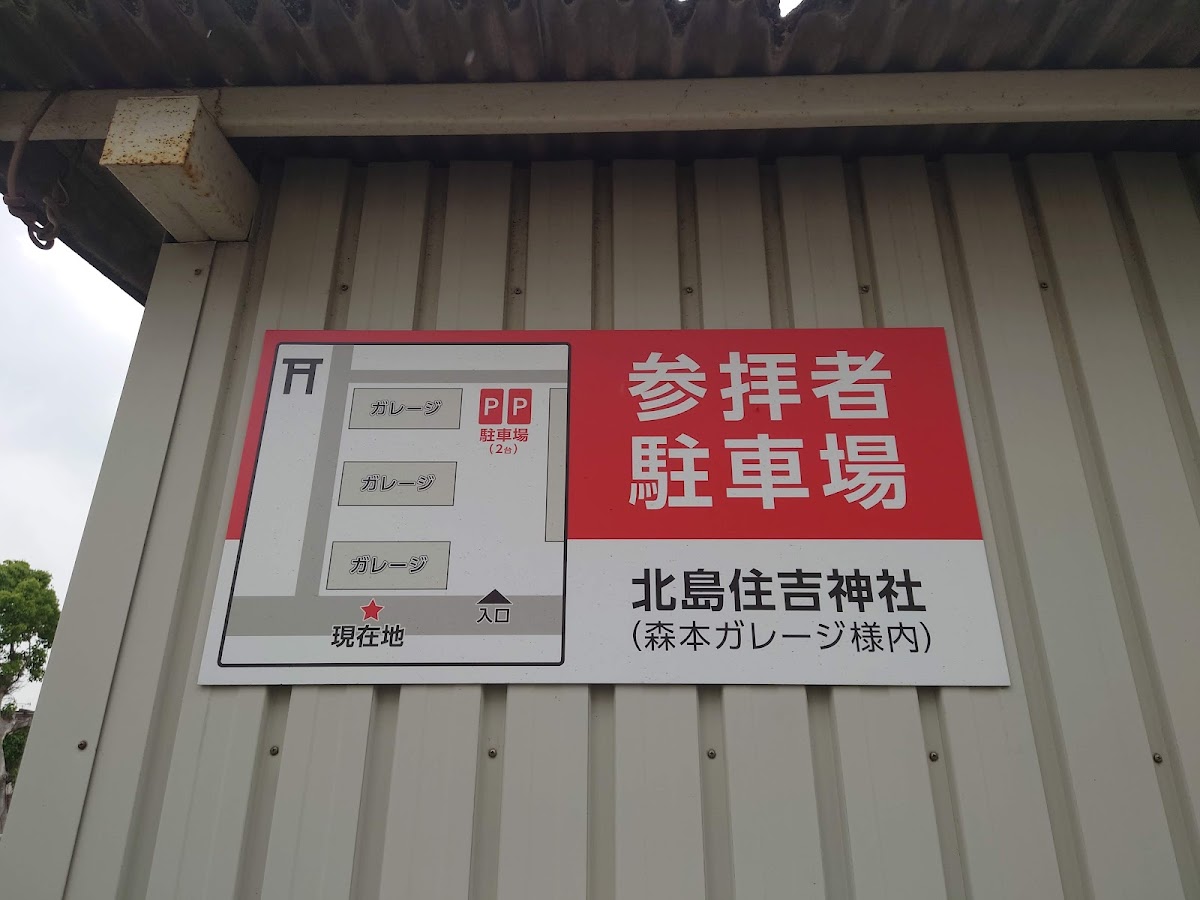
Parking: Available
Minato Shrine belongs to Nagusa District, Kii Province, and has been revered since ancient times as the great guardian deity of the Wadahama area. The current location was reached in 1941 (Showa 16), and there is a history of multiple relocations prior to that.
History and Origins of Minato Shrine
Ancient Belief: “Toyomi-no-kami”
The “Ki Province Shrine Register” lists it as “Jushii Toyomi-no-kami,” indicating that it has been recognized as a high-ranking shrine since ancient times. In the past, Minato Shrine was located on Katsuka Hill, a secluded area at the back of Wadahama (also known as Senken), and its shrine buildings are said to have been truly magnificent.
Wadahama is an area that spreads out at the mouth of the Kinokawa River and has been an important location with port functions since ancient times. Minato Shrine, as the guardian deity of this region, attracted the faith of people praying for safe voyages and abundant catches.
The Great Tsunami of the Meio Era and the First Relocation
Around the Meio era (1492), Minato Shrine was buried in sand by a great tsunami that struck the Kii Peninsula. This tsunami is thought to be related to the Meio earthquake (1498), a natural disaster that caused immense damage from the Tokai region to the Kii Peninsula.
Because the shrine buildings were buried by the tsunami, the shrine was temporarily moved to Katsuka Hill. This relocation was an emergency measure and also a manifestation of the efforts of the local people to protect the shrine.
Relocation during the Genna Era
At the beginning of the Genna era (around 1615), Minato Shrine was relocated back to its original location in Okunotsubo. However, it was later moved again to Okunotsubo in Sotohama, and continued to be worshipped as the local tutelary deity.
This period coincided with the early Edo period, a time of the establishment and development of the Kishu Domain. It is believed that the Minato area was gradually developed under the rule of the Kishu Tokugawa family.
The Great Relocation in the Showa Era and Move to the Current Location
In 1940 (Showa 15), Sumitomo Metal Industries, Ltd. decided to construct the Wakayama Steel Works, a large-scale project centered around the original Okunotsubo site. With this industrial development, and with the prefecture’s permission, Minato Shrine was relocated to its current location on December 17, 1941 (Showa 16).
This relocation was not due to a natural disaster, but rather a necessity of the times, driven by the development of modern industry. The shrine acquired a new location to balance industrial development with local religious beliefs.
Deities and Divine Virtues
Main Deity: Takamimusubi-no-kami
Takamimusubi-no-kami is one of the creator gods in Japanese mythology and is known as one of the three creation gods. This god appeared in Takamagahara (the High Plain of Heaven) at the time of the creation of heaven and earth, and possesses the divine attribute of “Musubi” (meaning creation or union).
“Musubi” signifies generation, creation, and union, symbolizing the power to give birth to all things. Takamimusubi-no-kami is also the god who assisted Amaterasu-Omikami in the descent of the heavenly grandchild, and has deep ties to the Imperial family.
Divine Virtues:
- Good Fortune and Prosperity
- Business Success
- Matchmaking
- Prosperity of Descendants
- Abundant Harvest
Shrines with Takamimusubi-no-Kami as their main deity are rare throughout Japan, making Minato Shrine a valuable example in this respect.
Enshrined Deities and Their Roles
Amaterasu-Omikami
The supreme deity of Japan and the ancestral deity of the Imperial Family. Possessing the characteristics of a sun goddess, she bestows divine virtues of national peace and security, good fortune, and protection from evil.
Hiruko-no-Kami
Known as Ebisu-sama, he is worshipped as the god of business prosperity, maritime safety, and protection of fisheries. A fitting deity for the port town of Minato.
Wadatsumi-no-Kami
A god of the sea, he bestows divine virtues of safe voyages and prosperous fishing. He is thought to be closely related to the place name Wadahama. Utsushikunitama-no-kami
This deity is considered another name for Ōkuninushi-no-kami and is known as the god of national development, industrial growth, and matchmaking.
Ōnamuchi-no-kami
This deity is also considered another name for Ōkuninushi-no-kami and is revered as the god of nation-building.
These enshrined deities reflect the characteristics of the Minato area as a port town and are closely related to the local industry and daily life.
Highlights of Minato Shrine
Atmosphere of the Shrine Grounds
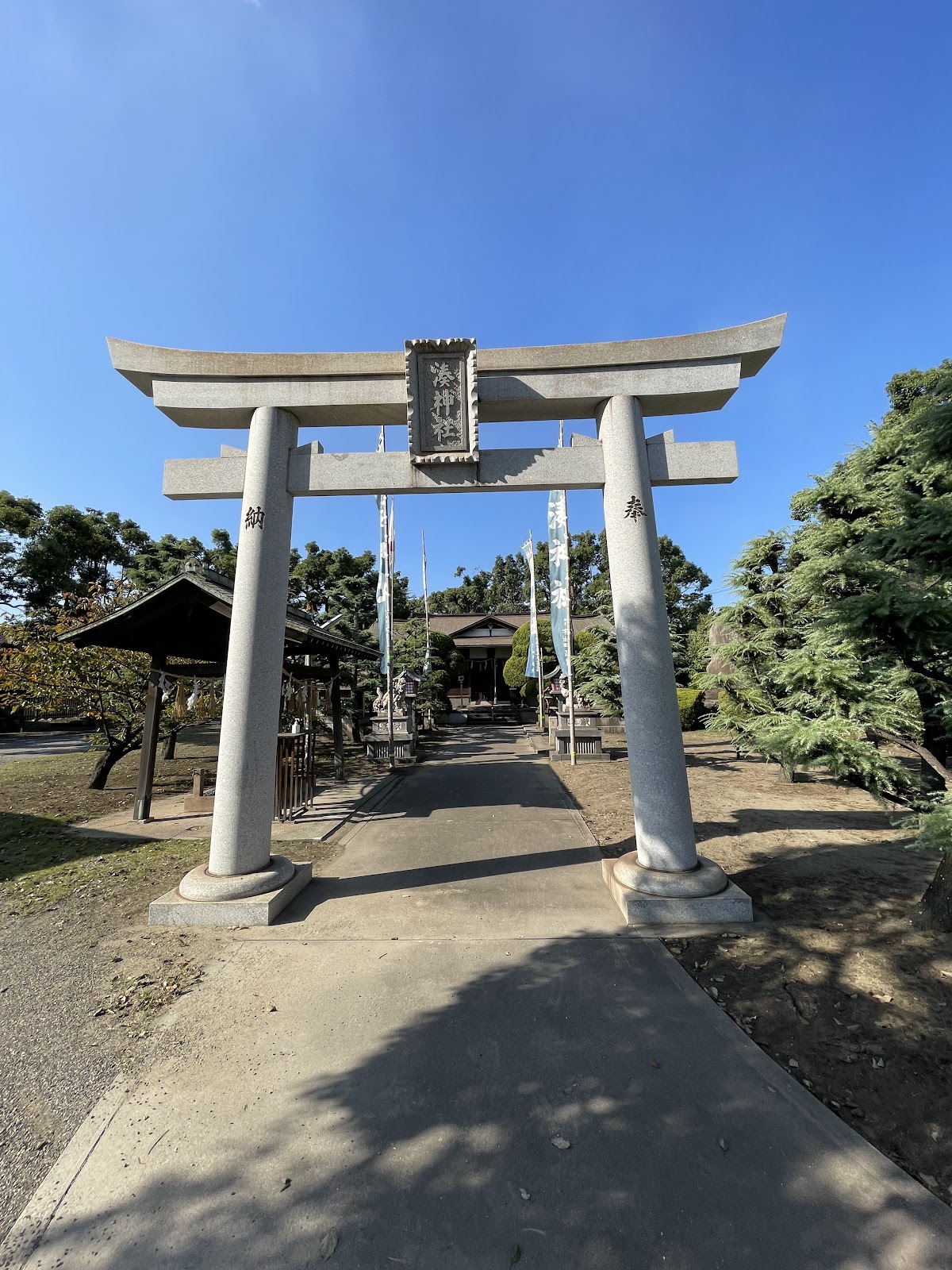
Despite being located in a residential area, Minato Shrine maintains a tranquil atmosphere. Although its current location is relatively new due to relocation in the Showa era, it exudes the dignity of a shrine with a long history.
Located near the mouth of the Kinokawa River, visitors can imagine the former port town while offering their prayers. From the shrine grounds, one can overlook the modern cityscape of the Minato area, making it a place where one can truly feel the passage of time.
Shrine Building and Architectural Style
The current shrine building was constructed in 1941 during the relocation of the shrine, and follows the traditional style of shrine architecture. Although not large in scale, it is carefully maintained as the local tutelary shrine.
Stone Monument Telling the History of the Relocation
Within the shrine grounds, there is a stone monument and historical records detailing the history of Minato Shrine’s relocation, allowing visitors to learn about the shrine’s journey over several centuries. From the great tsunami of the Meio era to the industrial development of the Showa era, the history of preserving faith while being tossed about by the waves of time is etched into these monuments.
Access Methods
Access by Train
From JR Wakayama Station/Nankai Wakayamashi Station:
Get off at the “Minato Jinja-mae” bus stop (Wakayama Bus), approximately 3 minutes on foot.
Or get off at the “Minato” bus stop (Wakayama Bus), approximately 5 minutes on foot.
From Nankai Main Line Wakayamako Station:
Approximately 15 minutes on foot.
Access by Car
From Hanwa Expressway Wakayama IC:
Approximately 25 minutes via National Route 24 and National Route 42.
Parking: There is parking space for visitors on the shrine grounds (spaces are limited, so using nearby coin parking is recommended depending on the time of your visit).
Address and Navigation Settings
〒641-0014
2-18-18 Minato, Wakayama City, Wakayama Prefecture
Please enter the above address into your car navigation system. The Minato area is a residential area, so some roads are narrow. Please drive carefully. ## Nearby Tourist Attractions
Minato Goten (Okugoten)
Located within walking distance of Minato Shrine, Minato Goten is a historical building constructed as a villa for the lord of the Kishu Domain. Built during the time of the second lord, Tokugawa Mitsusada, a portion of the new palace, completed in 1834 by the eleventh lord, Tokugawa Nariyuki, still exists. Designated as a Wakayama City cultural property, it is a valuable historical site for understanding Edo period samurai architecture.
Around the Kinokawa River Estuary
The Kinokawa River estuary area retains traces of the port that gave Minato Shrine its name. Although now a modern port facility, it offers a glimpse into its history as a vital waterway since ancient times.
Hinokuma Shrine and Kunikake Shrine
These are representative ancient shrines of Wakayama City, located about 15 minutes by car from Minato Shrine. Known as the Ichinomiya (first-ranked shrine) of Kii Province, they are among the oldest shrines in Japan. When visiting Minato Shrine, we recommend visiting these other places as well.
Annual Events at Minato Shrine
Minato Shrine holds various festivals throughout the year. As the local tutelary shrine, the festivals are carefully preserved by the parishioners and local residents.
Annual Grand Festival
The annual grand festival, held every autumn, is the most important festival at Minato Shrine. Local people gather for a portable shrine procession and offering ceremonies.
New Year’s Visit
At the start of the new year, many worshippers, mainly local parishioners, visit the shrine. It is bustling with people praying for a safe year and the safety of their families.
Manners and Points for Visiting a Shrine
Proper Way to Visit a Shrine
- Bow before passing through the torii gate
- Purify your body and mind at the water basin
- Bow twice, clap twice, and bow once in front of the main hall
- Offer your prayers with gratitude
About Goshuin (Shrine Seals)
Minato Shrine offers Goshuin. However, since there may not always be a resident Shinto priest, it is recommended to check with the Wakayama Prefectural Shrine Association or related organizations in advance.
About Photography
Photography is generally permitted on the shrine grounds, but consideration must be given to avoid disturbing worshippers or religious ceremonies. There are also areas where photography is prohibited, such as inside the main hall, so please follow the signs.
The History of the Region as Told by Minato Shrine
The Minato Area as a Port Town
As the name Minato Shrine suggests, this area once had important port functions. Located at the mouth of the Kinokawa River, it flourished as a key point for water transport from ancient times and was also a center for the collection and distribution of goods. The place name “Minato” itself means port, reflecting the region’s deep connection to the sea. The enshrinement of Wadatsumi-no-kami and Hiruko-no-kami, gods of the sea, at Minato Shrine also reflects this regional characteristic.
The Struggle Against Natural Disasters
The history of the shrine’s relocation due to the great tsunami of the Meio era (1490-1491) is also a history of this region’s confrontation with natural disasters. The Kii Peninsula has historically been a region at risk of earthquakes and tsunamis, and people have coexisted with the threats of nature while protecting the shrine.
The history of Minato Shrine’s relocation is not merely a matter of moving a shrine, but also evidence of the local residents’ continued preservation of their faith.
Modernization and Industrial Development
The relocation during the Showa era demonstrates how the waves of Japan’s modernization and industrial development reached even regional cities. The construction of the Sumitomo Metal Industries steelworks was a major event that significantly altered Wakayama’s industrial structure.
The traditional belief of relocating shrines and the seemingly contradictory phenomenon of modern industrial development have actually harmonized under the common goal of regional development.
Significance of Visiting Minato Shrine
Praying to the God of Creation and Regeneration
The main deity enshrined here, Takamimusubi-no-kami, is a god with the power of creation and generation. This shrine holds special significance for those starting new businesses, those facing life-changing events, and those engaged in creative activities.
Minato Shrine itself, having been relocated numerous times and reborn each time, embodies the power of creation and regeneration.
A Place to Learn Local History
Visiting Minato Shrine is not merely a pilgrimage; it’s also an opportunity to learn about the local history of Wakayama. This shrine encapsulates a microcosm of Japanese history, from ancient port towns and medieval tsunamis to modern industrial development.
A Quiet Space for Prayer
Precisely because it’s not a large-scale tourist shrine, Minato Shrine offers a tranquil space for prayer. You can escape the hustle and bustle and have time to quietly reflect on yourself.
Summary: The Charm of Minato Shrine
Located in Minato, Wakayama City, Minato Shrine enshrines Takamimusubi-no-kami, the god of creation, as its principal deity. It boasts a history of relocation spanning several centuries, from the great tsunami of the Meio era to the industrial development of the Showa era.
It has long been worshipped as the “God of Abundant Seas” and has been cherished by the local people as the guardian deity of the port town. While not large in scale, the weight of its history and the power of faith that has overcome the changes of the times leave a deep impression on visitors.
With its location at the mouth of the Kinokawa River, its history of repeated relocations, and the rare principal deity Takamimusubi-no-kami, Minato Shrine offers many sights and lessons. It is one of the shrines you should definitely visit when you come to Wakayama.
Located in a quiet residential area, Minato Shrine conveys a long history and deep faith to the present day. Standing within its grounds, you can feel the continuity of people’s prayers, spanning from ancient times to the present day.