Rikishi Shrine (Wakayama Prefecture) Complete Guide | History, Deities, Goshuin (Shrine Seal), and Access Information
About Rikishi Shrine
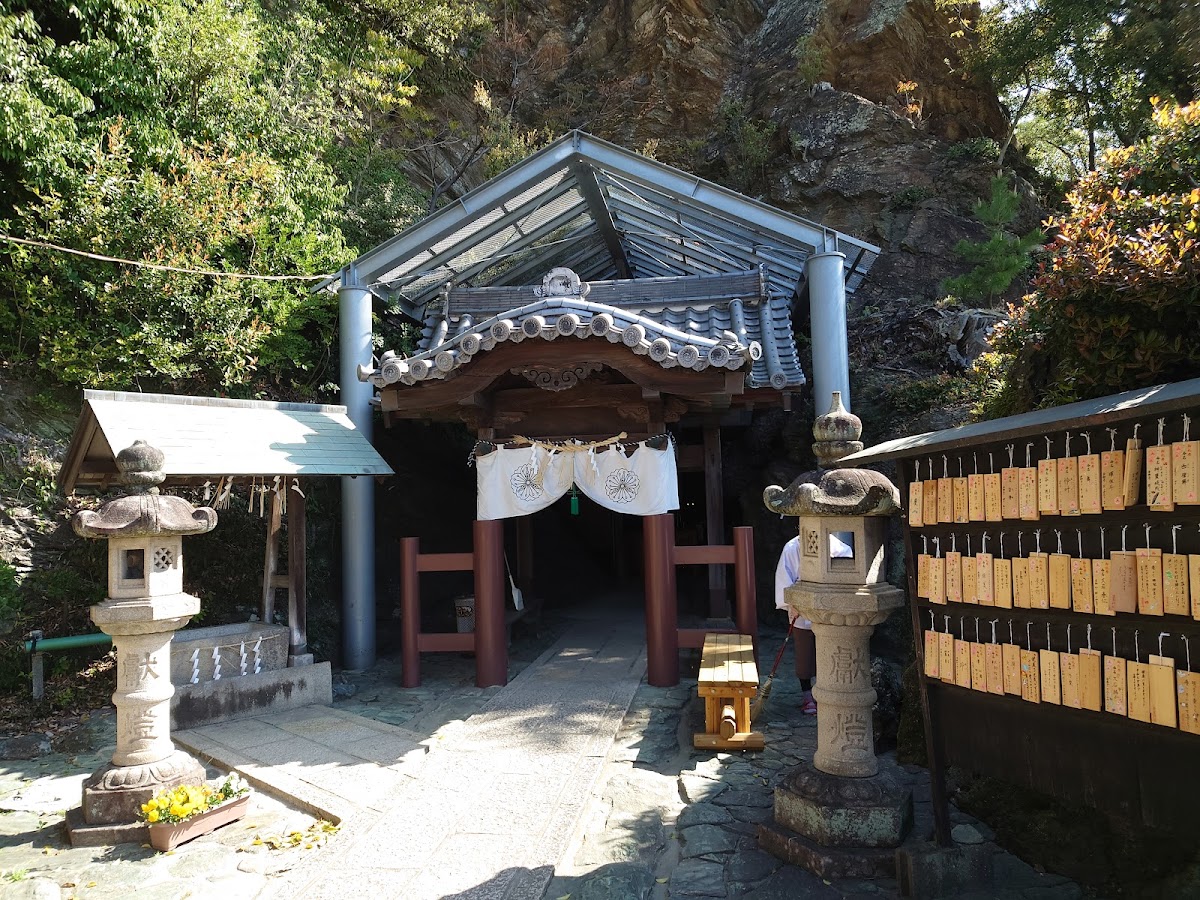
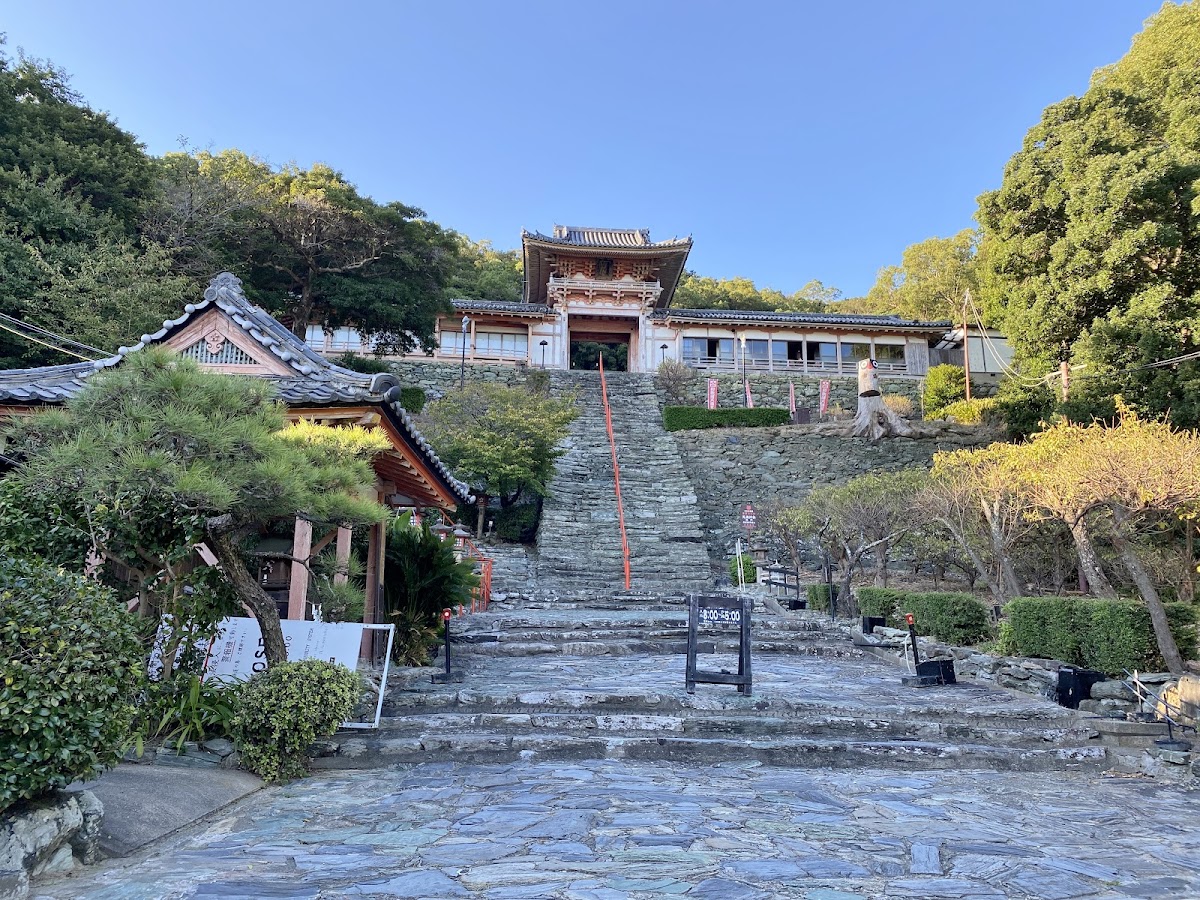
Rikishi Shrine is a shrine located in Kawabe, Wakayama City, Wakayama Prefecture. It is the principal tutelary shrine of Kawabe, Ueno, Shima, Kanba, and Kusumoto, and is revered throughout the region. It is characterized by its unique grounds, with the subsidiary shrine, Hachioji Shrine, standing side-by-side to the east and west. Both shrine buildings are designated as prefectural cultural properties.
There is a theory that it is the successor shrine to “Ame-no-Tajikarao Shrine” in Muro District, Kii Province, listed in the “Engishiki Jinmyocho” (a list of shrines compiled in the Heian period), and it is also known as a candidate for a Shikinaisha (a shrine listed in the Engishiki). Its former rank was a village shrine, and it is still carefully preserved by the local people.
Deities Enshrined at Rikiji Shrine
Main Deity: Amenotajikarao-no-Mikoto
The main deity enshrined at Rikiji Shrine is Amenotajikarao-no-Mikoto (or Amenotajikarao-no-Mikoto). This deity is known as a god of strength who played an important role in Japanese mythology.
When Amaterasu-Omikami hid in the Heavenly Rock Cave, Amenotajikarao-no-Mikoto opened the cave, grasped Amaterasu-Omikami’s hand, and led her out. From this myth, he is worshipped as a god of strength, good fortune, and sports.
Junior Fourth Rank, Two Amenotajikarao-no-Mikoto
According to the records of the Wakayama Prefectural Shrine Association, the enshrined deity is listed as “Junior Fourth Rank, Two Amenotajikarao-no-Mikoto,” indicating that he is worshipped as a high-ranking deity with a divine rank. This divine rank speaks to the ancient history and prestige of the shrine.
History and Origins of Rikijikaji Shrine
Origin as an Engishiki-listed Shrine
Rikijikaji Shrine is said to have originated from the “Ame-no-Tajikarao Shrine” in Higashimuro District, listed in the Engishiki Jinmyocho (a list of shrines compiled in the Engi era), which was relocated to its current location in Kuwahata, Kanba, Wakayama City during the medieval period.
The former shrine site is believed to be the location of the Ame-no-Tajikarao Shrine in present-day Osaibara (Takagawara), Hongu-cho, suggesting a deep connection to Kumano faith. Osaibara is a sacred site known as the former site of Kumano Hongu Taisha, and the fact that the shrine was relocated from this location demonstrates the high status of Rikijikaji Shrine.
Relocation in the Medieval Period
While detailed records of the relocation from Higashimuro District to Kanba, Wakayama City during the medieval period are not available, it is thought that factors such as war, changes in social conditions, or the movement of parishioners may have been involved.
After the relocation, it became the central shrine of local faith, serving as the principal tutelary shrine for the surrounding areas, including Kawabe. ### Relationship with Kawabe-oji Site
The grounds of Rikiji Shrine are also the site of Kawabe-oji. Oji were pilgrimage sites established along the Kumano pilgrimage route, and Rikiji played an important role as one of the Kumano Ninety-Nine Oji.
This fact indicates that Rikiji Shrine was deeply connected to Kumano faith and was an important sacred site visited by many pilgrims in the Middle Ages.
Rikiji Shrine’s Main Hall and Architecture
Prefectural Designated Cultural Property
The main hall of Rikiji Shrine is designated as a Wakayama Prefecture Cultural Property. It is believed to be a Momoyama period building, characterized by its majestic structure with beautiful coloring applied to a black-painted hall.
While the architectural style possesses the opulent decorations characteristic of the Momoyama period, it also retains the simplicity of a local shrine, conveying the architectural techniques and the depth of faith of the time.
Proximity with Hachioji Shrine
The most distinctive feature of Rikiji Shrine is its proximity to its subsidiary shrine, Hachioji Shrine, standing side-by-side to the east and west. Within the shrine grounds, two buildings of similar size stand side-by-side: the Rikiji Shrine main hall is on the left, and Hachioji Shrine is on the right.
Hachioji Shrine, like the Rikiji Shrine main hall, is a prefecturally designated cultural property and is also believed to be a Momoyama period building. Both buildings are painted black with colorful accents, creating a magnificent sight as they stand side-by-side.
This arrangement is rare nationwide and speaks to the history of both shrines being equally important.
Architectural Characteristics
The shrine buildings are primarily painted black with lacquer, and accented with vermilion and gold. The detailed carvings are exquisite, combining the splendor and strength characteristic of Momoyama period architecture.
The roofs are covered with cypress bark or copper plates, and the main hall is presumed to be a one-bay nagare-zukuri style structure. The front of the shrine features intricate carvings, showcasing the high level of skill of the craftsmen of the time.
Shrines within the Precincts
Hachioji Shrine
As mentioned above, Hachioji Shrine stands alongside the main shrine as a subsidiary shrine of Rikiji Shrine. Hachioji worship enshrines the eight princes of Gozu Tenno (Susanoo-no-Mikoto) and is widely known as a faith for protection against disease and misfortune.
The fact that Hachioji Shrine stands alongside Rikiji Shrine on the same scale indicates that Hachioji worship was highly valued in this region.
Other Shrines within the Precincts
There may be other small shrines within the grounds of Rikiji Shrine, but detailed records are limited. It is thought that various deities have been enshrined together in this area as part of local beliefs.
Rituals and Annual Events of Rikiji Shrine
Annual Festival
Rikiji Shrine holds an annual festival every year, with local parishioners gathering for the occasion. The annual festival is the most important festival for the shrine, where gratitude is offered to the enshrined deity and prayers are made for the peace and prosperity of the region and a bountiful harvest.
Local Religious Events
As the principal tutelary shrine of Kawabe, Ueno, Shima, Kanba, and Kusumoto, it is involved in various festivals and events in these areas. It is believed that seasonal events such as New Year’s visits, Setsubun festivals, and summer festivals are held.
Cultural Property Designation
Wakayama Prefecture Designated Cultural Property
- Rikiji Shrine Main Hall: Momoyama period architecture, black-painted and colored shrine building
- Hachioji Shrine Hall: Momoyama period architecture, black-painted and colored shrine building
Both shrine buildings have high architectural historical value and are protected as important cultural properties of Wakayama Prefecture. Regular restoration and preservation projects are carried out, and efforts continue to pass them on to future generations.
Goshuin (Shrine Seal) of Rikiji Shrine
Issuance of Goshuin
Goshuin (shrine seals) are available at Rikiji Shrine. However, since there may not be a permanent shrine office, it is recommended that those wishing to receive a Goshuin (shrine stamp) check in advance.
Some shrines may have the priest handling requests at their home, so it is advisable to check with the Wakayama Prefectural Shrine Association or related information before visiting.
Features of the Goshuin
The Goshuin of Rikiji Shrine includes the shrine name and the date of visit. As a Goshuin of a shrine with the status of a Shikinaisha (a shrine listed in the Engishiki, an ancient Japanese legal text), it is a valuable item for those collecting Goshuin.
Access and Transportation Information
Location
Address: 61 Kawabe Inai, Wakayama City, Wakayama Prefecture 649-6312
Access by Train
Rikiji Shrine is located approximately midway between JR Wakayama Line Fuseya Station and Hanwa Line Kii Station.
- From Kii Station: Approximately 22 minutes on foot (approx. 1.7 km)
- From Fuseya Station: Approximately 20 minutes on foot
While both stations are within walking distance, the distance is somewhat long, so it is recommended to allow ample time for your visit.
Access by Car
The shrine is located north of National Route 24, amidst fields. The surrounding area is a rural landscape of farmland, with the approach road extending north through a farm road.
It is recommended to check parking availability in advance. Please be considerate of agricultural work during your visit.
Surrounding Environment
The area around the shrine is a quiet environment surrounded by fields. A charming landscape unfolds, with the historic shrine standing amidst a peaceful rural scene.
Points to Note When Visiting
Precautions When Visiting
Rikiji Shrine is located in an area surrounded by residential areas and farmland. Therefore, please keep the following points in mind when visiting:
- Advance Contact: If you wish to receive a Goshuin (shrine stamp) or detailed explanations, it is recommended to contact the shrine in advance.
- Consideration for Farm Work: The surrounding area is farmland, so please be careful not to interfere with farm work.
- Quiet Worship: As it is close to a residential area, please worship quietly.
- Parking Confirmation: If you are visiting by car, please confirm parking availability in advance.
Recommended Time to Visit
Rikiji Shrine can be visited throughout the year, but the following times are especially recommended:
- Spring: Enjoy the beautiful rural scenery and peaceful atmosphere during your visit.
- Autumn: During the annual festival season, local festivals are held, creating a lively atmosphere.
- New Year’s Visit: Visit the shrine at the start of the new year to pray for a safe and peaceful year.
The Faith and Benefits of Rikijikaji Shrine
Faith as a God of Strength
Rikijikaji Shrine, dedicated to Ame-no-Tajikarao-no-Mikoto, centers on faith related to “strength,” as its name suggests.
- Good Fortune and Prosperity: As the god who opened the Heavenly Rock Cave, he possesses the power to open paths.
- Good Luck in Competitions: As the god of strength, he represents strength and guidance to victory.
- Improvement in Sports: Faith in him as the god who governs physical strength.
- Overcoming Difficulties: The strength to remove obstacles.
Guardian Deity of the Region
As the principal guardian deity of Kawabe, Ueno, Shima, Kanba, and Kusumoto, it also plays a role in protecting the peace and security of the entire region.
- Abundant Harvest: As a shrine in an agricultural area, prayers are offered for a bountiful harvest.
- Family Safety: Peace and well-being for the parishioners’ homes.
- Exorcism: Due to its proximity to Hachioji Shrine, it also has a belief in protection against misfortune.
About the Original Rikiji Shrine in Kamba
Rikiji Shrine has a related shrine in Kamba, Wakayama City. This is also called the “Original Rikiji Shrine” and is thought to be related to the history of the shrine’s relocation.
It is recommended to contact the shrine in Kamba beforehand when visiting. Visiting both shrines will allow you to gain a deeper understanding of the history of Rikiji Shrine.
Nearby Attractions
Kawabe Oji Site
The grounds of Rikiji Shrine themselves are the site of the Kawabe Oji shrine, allowing you to feel the history of the Kumano Kodo pilgrimage route. It is an important historical site for those interested in the history of the Kumano pilgrimage.
Other Shrines in Wakayama City
Wakayama City has many other historical shrines:
- Hinokuma Shrine/Kunikake Shrine: An ancient shrine known as the Ichinomiya (first-ranked shrine) of Kii Province
- Wakaura Tenmangu Shrine: A shrine of Tenjin worship dedicated to the god of learning
- Itakiso Shrine: An ancient shrine dedicated to the god of trees
Visiting these shrines in conjunction with your visit to Rikijira Shrine will allow you to experience Wakayama’s shrine culture more deeply.
Summary
Rikijira Shrine has a long history as a candidate for an Engishiki-listed shrine and is an important shrine in Wakayama City that enshrines the powerful god Ame-no-Tajikarao-no-Mikoto. It has many attractions, including its beautiful shrine building, a prefectural designated cultural property, its unique juxtaposition with Hachioji Shrine, and its historical value as the site of Kawabe-oji Shrine.
The shrine grounds, quietly nestled in a rural landscape, are the perfect place to escape the hustle and bustle of the city and worship in peace. We welcome a variety of visitors, including those seeking blessings from the god of strength and good fortune, those who wish to visit a historical shrine, and those interested in Kumano faith.
When you visit Wakayama, why not visit Chikara-ji Shrine and experience its history and mystique? Contacting the shrine in advance will likely enhance your visit.