Uzuihara Shrine (Wakayama Prefecture) Complete Guide | A Guardian Deity of Smallpox Associated with Tokugawa Yoshimune
Uzuihara Shrine, located in Uzu, Wakayama City, is a historical shrine deeply connected to Tokugawa Yoshimune and has been revered by local people as a guardian deity against smallpox since the Edo period. This article provides detailed information you should know before visiting Uzuihara Shrine, including its history, enshrined deities, goshuin (shrine stamp) information, and access methods.
History and Origins of Uzuihara Shrine
Unique Origin of Two Shrines Merged
As its name suggests, Uzuihara Shrine was formed by the merger of two shrines: “Usu Shrine” and “Ihara Shrine.” The two shrines merged on August 10, 1908 (Meiji 41), and were renamed “Uzuihara Shrine.”
History of Usu Shrine
It is said that Usu Shrine was founded before 1013 (Chowa 2) when Usuhiko-no-kami was enshrined in Usu Gongen Tsubo. There are also records indicating that the Kumano Sanjo Gongen deities were invited there at the behest of Emperor Sanjo, and it has long been a center of local faith.
The late Edo period geographical record, “Kii Zoku Fudoki,” lists it as “Usu Gongen-sha,” indicating that it was revered as the tutelary deity of Usu Village at that time.
Founding of Ihara Shrine and its Relationship to the Tokugawa Family
Ihara Shrine was founded in 1648 (Keian 1) by residents of Ihara-go, Wakasa Province (present-day Fukui Prefecture), at its current location. This founding has an important historical background.
The founder was Ihara Masatora, the father of Jōen-in (Oyuri-no-kata), the birth mother of Tokugawa Yoshimune, the 8th Tokugawa Shogun. It is said that Ihara Masatora served the Kishu Tokugawa family and built Ihara Shrine to pray for the peace and prosperity of the Tokugawa family and their clan.
### Worship as a God of Smallpox
From its founding, Ihara Shrine was known as a god of smallpox and attracted deep devotion throughout the Edo period. In particular, records show that when Tokugawa Yoshimune contracted smallpox in his childhood, prayers for his recovery were offered at Ihara Shrine, which widely publicized the shrine’s miraculous powers.
At that time, smallpox was a serious, life-threatening disease, and many people prayed to gods and Buddhas for protection against it. Ihara Shrine was a representative place of worship and was revered by the people of the Kishu region.
Deities and Divine Virtues
Usuihara Shrine enshrines many deities due to the merger of two shrines.
Main Deities
- Amaterasu Omikami: The supreme deity of Japan, the sun goddess
- Toyouke Omikami: The goddess who presides over food and grains
- Uzuhiko no Kami: A local deity who appeared at Hayasui no To during Emperor Jimmu’s eastern expedition and served as the vanguard of the expeditionary force
- Izanagi no Kami: The male deity in the creation myth of Japan
- Izanami no Kami: The female deity in the creation myth of Japan
- Kotosakao no Kami: The god who resolves misfortunes
Divine Virtues
Usuihara Shrine is believed to possess the following divine virtues:
- Healing from Illness: Protection from skin diseases and infectious diseases, especially smallpox.
- Family Safety: Peace and prosperity of the family due to its connection with the Tokugawa family.
- Good Fortune and Prosperity: Comprehensive good fortune through the enshrinement of Amaterasu Omikami.
- Abundant Harvest: Protection of agriculture and food by Toyouke Omikami.
- Safe Voyages and Travel: Guidance and protection from Usuhiko-no-kami.
Highlights of the Shrine Grounds
Distinctive Torii Gate
Visitors to Usuhara Shrine are always drawn to the red and gray two-tone torii gate. While most shrine torii gates are a single shade of vermilion or made of stone, this unique color scheme is extremely rare and has become a symbol of Usuhara Shrine.
Although there are no clear records of this color scheme, it is thought to symbolize the history of the merger of two shrines.
Main Shrine and Worship Hall
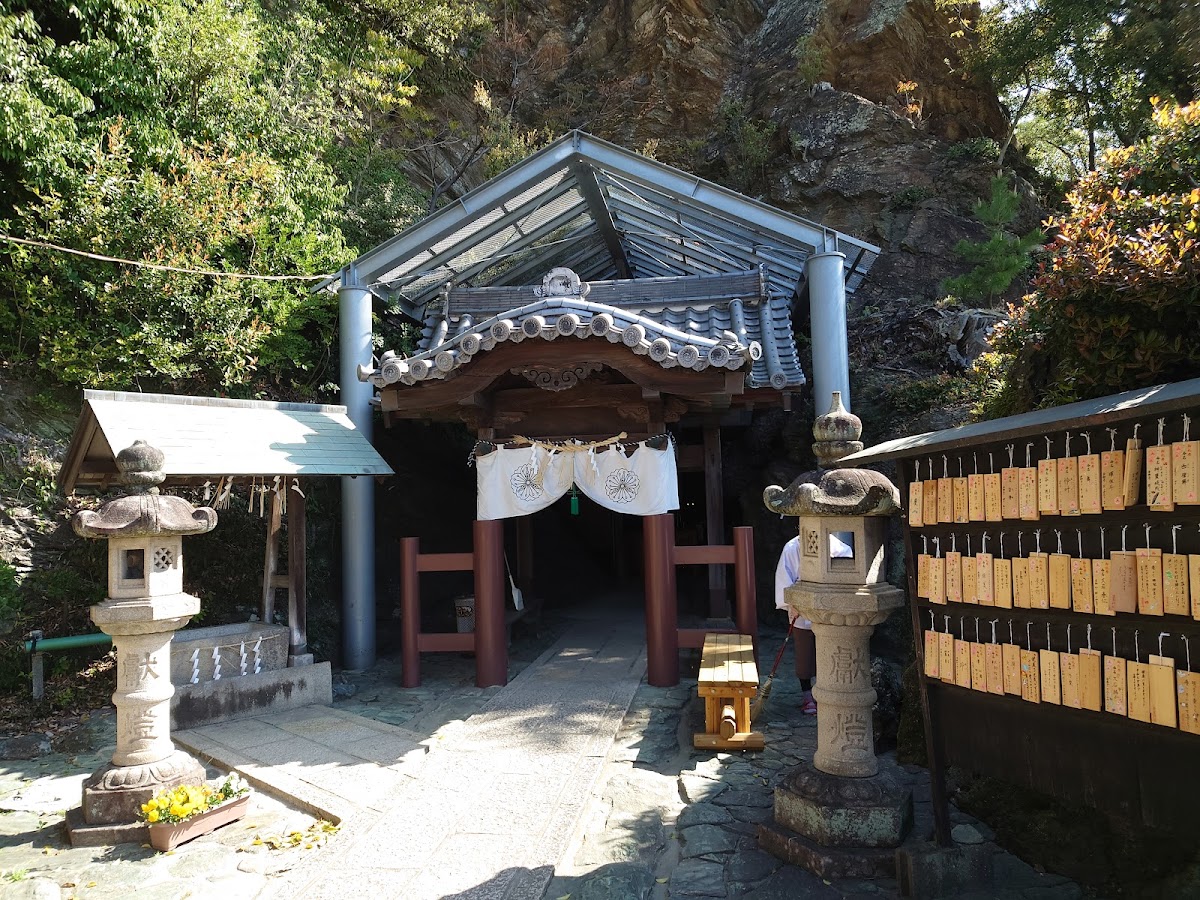
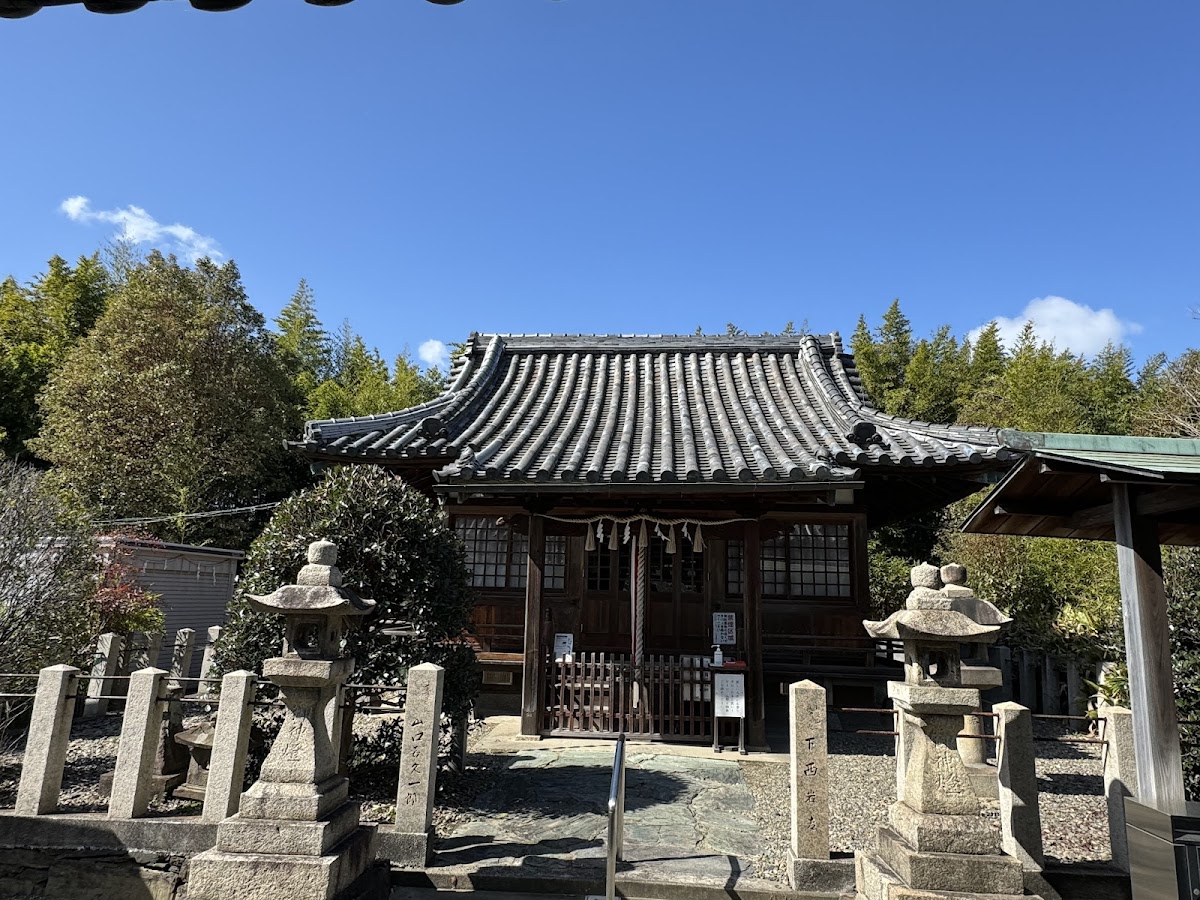
The shrine grounds, nestled in a residential area, are not vast, but they are enveloped in a tranquil atmosphere. The main shrine retains the style of the Edo period, making it a valuable building that conveys the history of the region.
Shrine Office and Offerings
Goshuin (shrine stamps) are available at the shrine office. However, staff may not always be present, so it is recommended to check in advance if you wish to receive a goshuin.
Goshuin Information
Goshuin are available at Usuihara Shrine.
Features of the Goshuin
- Ink Writing: The name of the shrine, “Usuihara Shrine”
- Red Seal: The shrine’s seal is stamped
- Offering Fee: Approximately 300-500 yen (subject to change)
Points to Note When Receiving a Goshuin
Because Usuihara Shrine is a small shrine, the shrine office is not always open. Those wishing to receive a goshuin should note the following:
- We recommend calling ahead to confirm.
- If the shrine is closed, pre-written goshuin (shrine stamps) may be available.
- Bring your goshuincho (stamp book).
- It is considered good manners to receive your goshuin after completing your prayers.
Annual Events and Festivals
Usuihara Shrine holds various Shinto rituals throughout the year.
Main Annual Events
- New Year’s Day Festival: January 1st, a prayer for peace in the new year.
- Spring Grand Festival: An important festival held in spring.
- Summer Purification Ceremony: June 30th, a ritual to purify oneself of the impurities accumulated over the past six months.
- Autumn Grand Festival: An important festival held in autumn.
- Monthly Festival: A regular monthly festival.
As a shrine deeply rooted in the community, it is carefully preserved by parishioners and local residents.
Basic Information and Access
Basic Information about the Shrine
- Official Name: Uzuihara Shrine
- Former Shrine Rank: Village Shrine
- Address: 2-1-17 Uzu, Wakayama City, Wakayama Prefecture 640-8323
- Phone Number: 073-423-4717
- Visiting Hours: Grounds are open freely (Shrine office hours are irregular)
- Parking: No dedicated parking (Please use nearby coin parking)
Access by Train
From Nankai Electric Railway Wakayama City Station
- Approximately 21 minutes on foot from Wakayama City Station Exit 2
- Approximately 5 minutes by taxi
From JR Wakayama Station
- Approximately 25 minutes on foot from Wakayama Station
- Take a Wakayama Bus and get off at the “Uzu” bus stop, then approximately 3 minutes on foot
Access by Car
- From the Hanwa Expressway “Wakayama IC”: Approximately 15 minutes
- From National Route 42: Near the Usu Intersection
Located in a residential area, some roads are narrow. Please drive with caution.
Parking Information
Usuhara Shrine does not have its own parking lot. Please consider the following options when visiting:
- Use nearby coin-operated parking lots
- Use public transportation
- Visit on foot or by bicycle
Please refrain from street parking, as it inconveniences local residents.
Nearby Tourist Attractions
After visiting Usuhara Shrine, why not explore other tourist attractions in Wakayama City?
Wakayama Castle
The castle of the Kishu Tokugawa family, one of the three main branches of the Tokugawa clan. It is a castle closely associated with Tokugawa Yoshimune, who also has ties to Usuhara Shrine.
- Distance: Approximately 10 minutes by car from Usuihara Shrine
- Highlights: Castle tower, bridge corridor, Momijidani Garden
Kishu Toshogu Shrine
A Toshogu shrine dedicated to Tokugawa Ieyasu. Founded by Tokugawa Yorinobu, the first lord of the Kishu Tokugawa domain.
- Distance: Approximately 15 minutes by car from Usuihara Shrine
- Highlights: Vermilion-lacquered gate tower, carvings on the main hall
Wakaura
A scenic spot celebrated in poetry since the Manyo period. Numerous attractions, including Tamatsushima Shrine and Furōbashi Bridge.
- Distance: Approximately 20 minutes by car from Usuihara Shrine
Kada
A port town known for Awashima Shrine. Fresh seafood and a beautiful coastline are its main attractions.
- Distance: Approximately 30 minutes by car from Usuihara Shrine
Manners and Etiquette for Visiting the Shrine
Basic Worship Etiquette
- Bow Before the Torii Gate: Bow before entering the shrine grounds.
- Purify at the Water Basin: Purify your left hand, right hand, and mouth in that order.
- Walking Along the Path: The center of the path is considered the path of the gods, so walk along the sides.
- Etiquette at the Main Hall: The basic procedure is two bows, two claps, and one bow.
Photography
Photography is generally permitted on the shrine grounds, but please note the following:
- Refrain from taking photos inside the main hall.
- Be considerate of other worshippers.
- Remember that this is a sacred place.
Clothing
There are no particularly strict dress code regulations, but shrines are sacred places. Avoid overly revealing or unkempt clothing.
The Charm of Usuihara Shrine
History Associated with Tokugawa Yoshimune
The greatest charm of Usuihara Shrine lies in its deep connection to Tokugawa Yoshimune and his family. Built by Yoshimune’s maternal grandfather, Ihara Masatora, and dedicated to praying for the recovery of young Yoshimune from smallpox, it’s a must-see spot for history buffs.
Yoshimune, the 8th Shogun of the Edo Shogunate, implemented the “Kyoho Reforms” and was beloved by the common people as the “Rice Shogun.” The fact that this shrine, where Yoshimune grew up in Kishu, still stands quietly, offering prayers for the Shogun’s safety, evokes a sense of historical romance.
A Faith Rooted in the Community
Another charm of Usuihara Shrine is that it’s not a large-scale tourist shrine, but a small shrine cherished by the local community. Nestled quietly within a residential area, the shrine grounds remain a peaceful place of prayer, far removed from the hustle and bustle, and continue to be a spiritual haven for the local people.
Preserving the History of Two Shrines
The history of Usu Shrine and Ihara Shrine, two shrines with different origins, being merged is also an interesting point. While many small shrines were merged during the Meiji era’s shrine consolidation policy, Usu Ihara Shrine is a valuable example that preserves that history.
Visitor Feedback
The following are comments from people who have actually visited Usu Ihara Shrine:
- “The quiet atmosphere, unexpected for a shrine in a residential area, was very calming.”
- “The red and gray torii gate is impressive and makes for a great photo spot.”
- “Knowing that it’s a shrine associated with Tokugawa Yoshimune, I felt the weight of history.”
- “It’s a warm shrine that conveys how much it’s cherished by the locals.”
- “Although small, it’s carefully maintained, and I was able to visit with a refreshing feeling.”
Summary
Usu Ihara Shrine is a historical shrine located in Usu, Wakayama City. The Ihara Shrine, built by Ihara Masatora, the maternal grandfather of Tokugawa Yoshimune, and the Usu Shrine, which had long been rooted in the local community, were merged during the Meiji era to form the shrine we see today.
This shrine, which has been revered as a god of protection against smallpox since the Edo period and has a history of prayers being offered for Tokugawa Yoshimune’s recovery from smallpox, has deep ties to the Kishu Tokugawa family. The shrine grounds, quietly nestled in a residential area, the distinctive red and gray two-tone torii gate, and the warm atmosphere, carefully preserved by the local community, welcome visitors.
When you visit Wakayama City, be sure to stop by Usuhara Shrine and experience its history and faith that has continued since the Edo period. Though small, it is a shrine that leaves a deep impression on the hearts of those who visit.