Complete Guide to Shinmei Shrine (Wakayama City, Wakayama Prefecture) | Thorough Explanation of Deities, Blessings, Access, and History
Shinmei Shrine, located in Wakayama City, Wakayama Prefecture, is a historic shrine that has long been cherished by the local community. This article provides a detailed explanation of information you should know before visiting, including the deities enshrined at Shinmei Shrine, blessings, how to worship, and access information.
Basic Information on Shinmei Shrine (Wakayama City)
Shinmei Shrine is located in Wakayama City and has played a central role in the local community. The name “Shinmei” is a common designation for shrines that enshrine Amaterasu Omikami, and there are shrines with the same name throughout Japan.
Shrine Location and Contact Information
Location: Wakayama City, Wakayama Prefecture (The detailed address varies depending on the Shinmei Shrine in each area)
Since there are multiple Shinmei Shrines in Wakayama City, it is recommended that those planning to visit confirm the exact location in advance.
Deities Enshrined at Shinmei Shrine
Main Deity: Amaterasu Omikami
The main deity enshrined at Shinmei Shrine is Amaterasu Omikami, considered the supreme deity in Japanese mythology. Amaterasu Omikami is the personification of the sun and is revered as the ancestral deity of the Imperial Family.
Amaterasu Omikami is enshrined at the Inner Shrine of Ise Grand Shrine, and Shinmei Shrine can be considered a shrine that has invited a分霊 (bunrei, a divided spirit) of Ise Grand Shrine. Therefore, Shinmei Shrine is often affectionately known locally as “a branch shrine of Ise.”
About Enshrined Deities
Some Shinmei Shrines enshrine other deities alongside Amaterasu Omikami. Generally, deities associated with Ise Grand Shrine, such as Toyouke Omikami, are often enshrined.
Benefits and Divine Virtues of Shinmei Shrine
Shinmei Shrine, dedicated to Amaterasu Omikami, is believed to offer the following benefits:
National Peace and Good Fortune
Amaterasu Omikami, as the supreme deity of Japan, is the goddess who protects the peace and prosperity of the nation. She is also believed to have strong divine virtues in bringing good fortune to individuals.
Family Safety and Prosperity
The blessings of Amaterasu Omikami, the sun goddess, are believed to bring light to the home and protect the safety and prosperity of the family.
Protection from Evil and Disaster
Just as sunlight dispels darkness, Amaterasu Omikami has the divine virtue of warding off evil spirits and protecting against disaster.
Abundant Harvests and Industrial Development
Since the blessings of the sun are essential for the growth of crops, the shrine is also believed to bring benefits in terms of abundant harvests and industrial development.
Prayer for Good Fortune and Success
The powerful energy of Amaterasu Omikami is popular among worshippers praying for success in competitions, exams, and other endeavors.
History and Origins of Shinmei Shrine
Origins of Shinmei Shrine
Many Shinmei Shrines were founded by inviting a divided spirit of Amaterasu Omikami from Ise Grand Shrine, coinciding with the development and settlement of the region. Wakayama City’s Shinmei Shrine also has a long history of being revered as a guardian deity of the region.
Connection to the Community
Shinmei Shrines, as tutelary deities, have been closely intertwined with the lives of the people living in the region. They play an important role as places to deepen the bonds of the local community through annual events and festivals.
Highlights of the Shrine Grounds
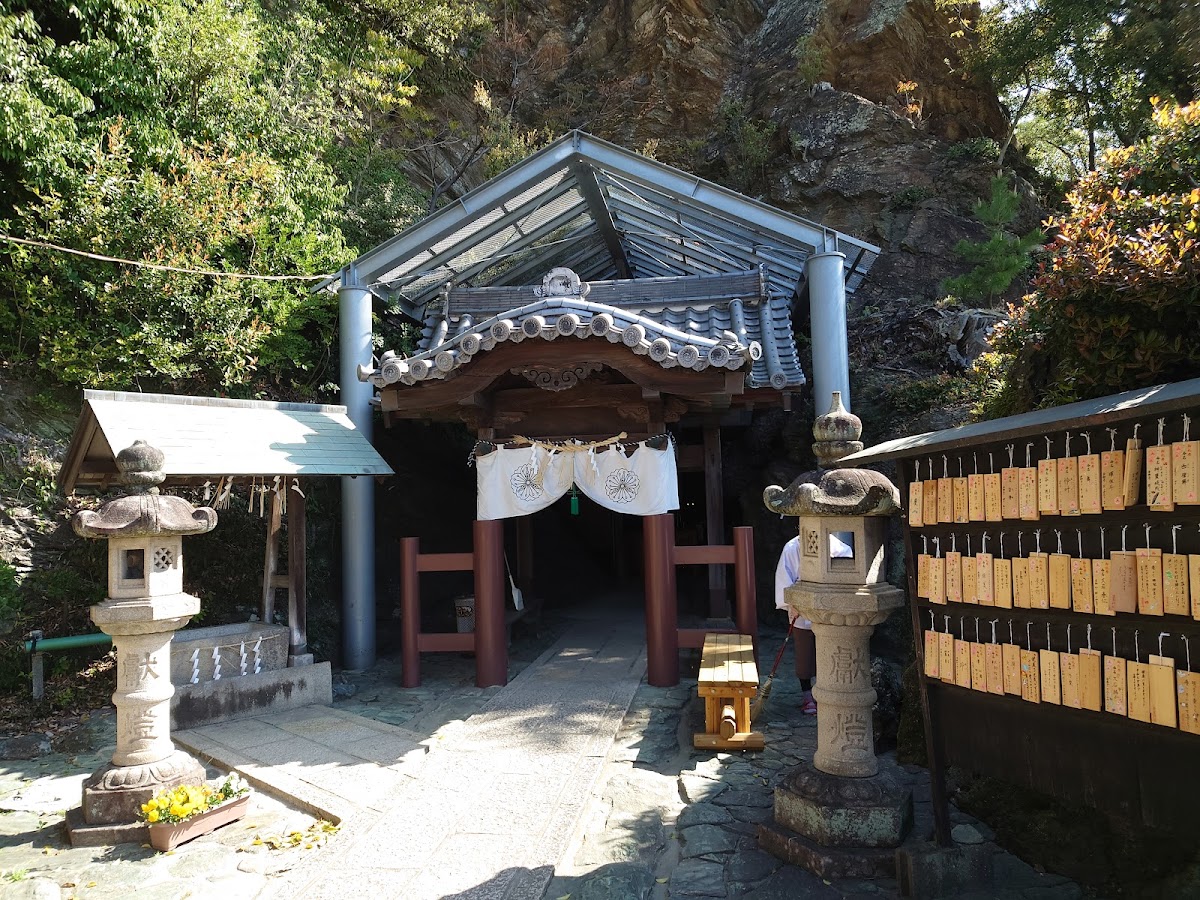
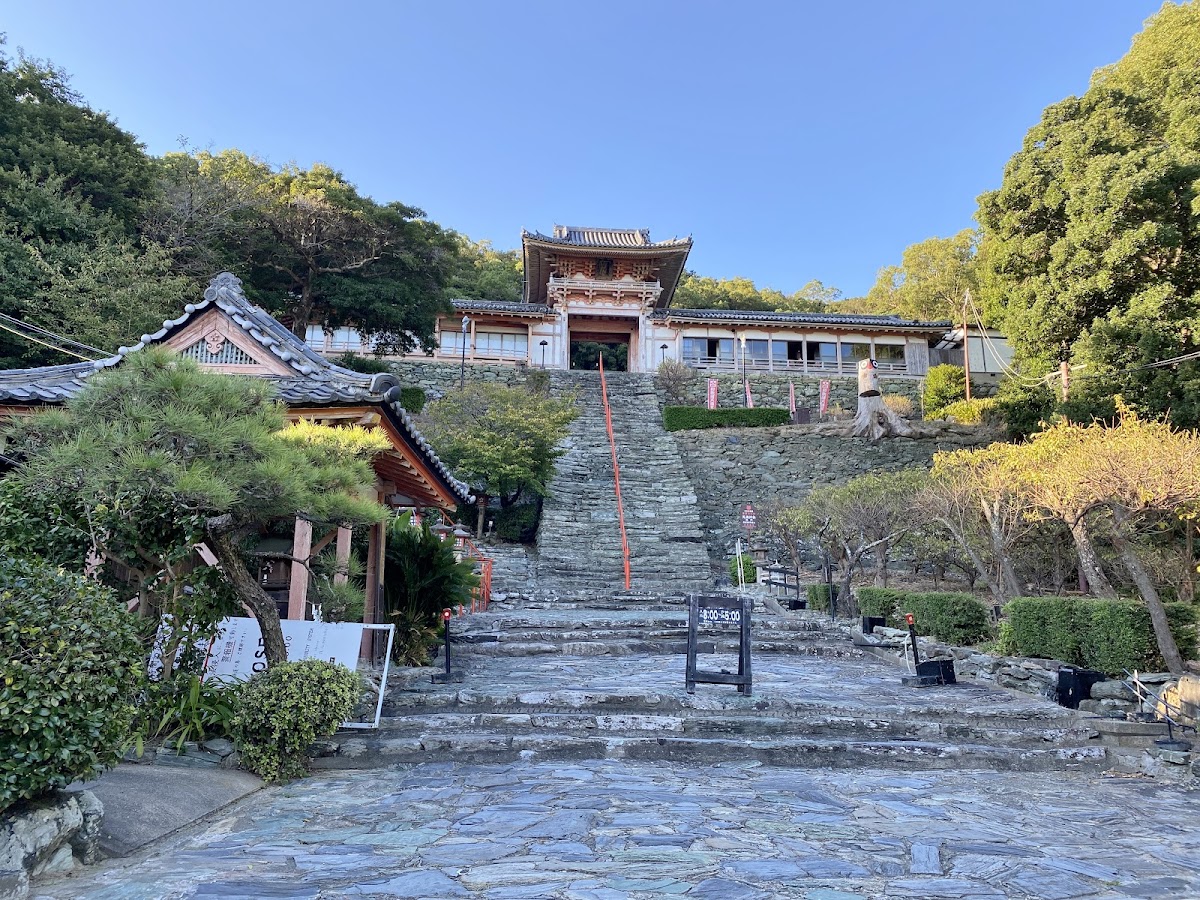
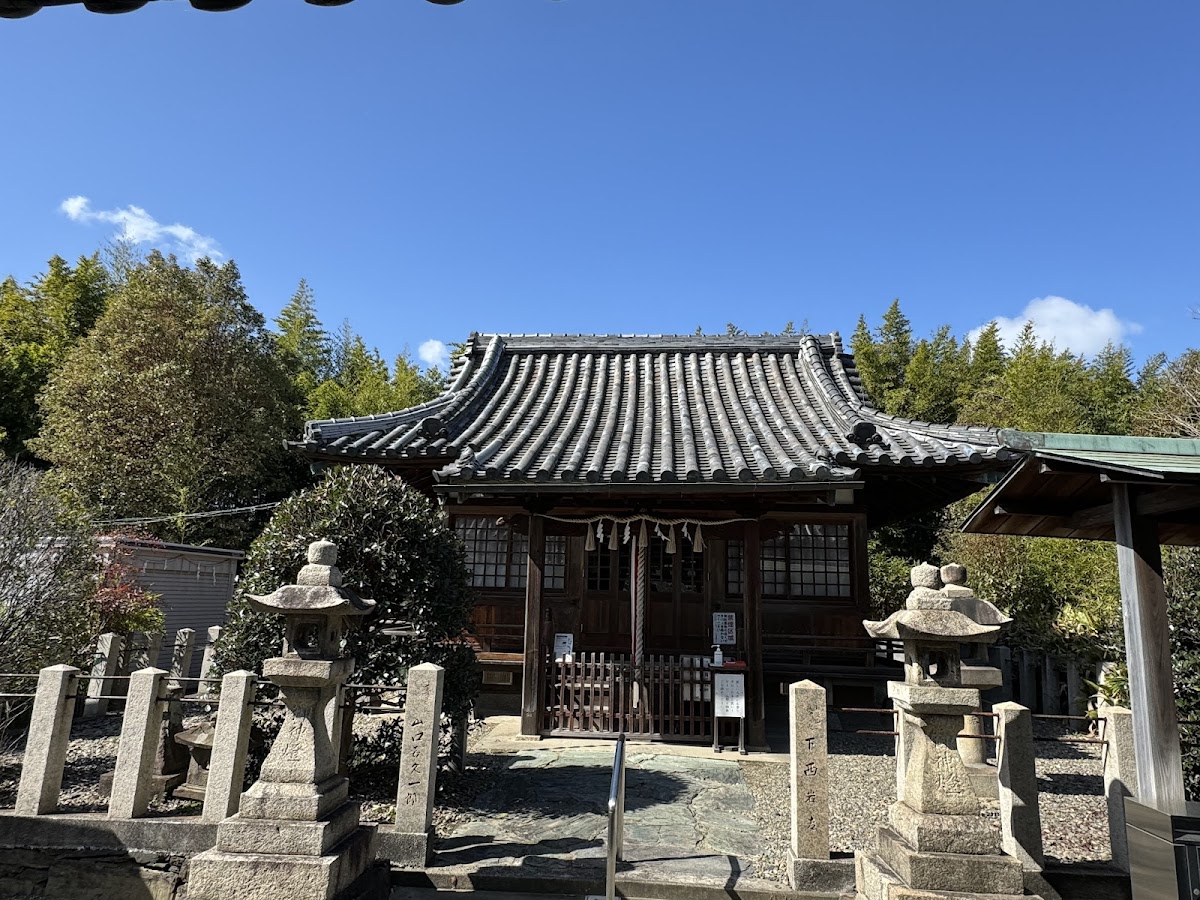
Main Hall and Worship Hall
The main hall of Shinmei Shrines is often built in the Shinmei-zukuri architectural style, similar to that of Ise Grand Shrine. It is characterized by its simple and pure appearance.
Torii Gate
The torii gate, standing at the entrance of a shrine, serves as a boundary separating the sacred realm from the secular world. The correct etiquette is to bow before passing through the torii gate.
Water Basin
There is a water basin for purifying the body and mind before worship. Please purify your hands and mouth according to the correct etiquette before worship.
Shrine Office/Gift Shop
This is where you can receive amulets and goshuin (shrine stamps). The types of items and reception hours vary depending on the shrine.
How to Visit a Shrine and Etiquette
Basic Worship Etiquette
- Bow before the Torii Gate: Bow before entering the sacred area.
- Walk along the edge of the path: The center is considered the path of the gods.
- Purify yourself at the water basin: Purify your left hand, right hand, and mouth in that order.
- Worship in front of the main hall: Two bows, two claps, and one bow is the basic method.
- Bow upon leaving: After leaving the torii gate, turn around and bow.
The Etiquette of Two Bows, Two Claps, and One Bow
- Place your offering in the offering box.
- If there is a bell, ring it.
- Bow deeply twice (two bows).
- Clap your hands twice at chest height (two claps).
- While keeping your hands together, silently recite your wish.
- Finally, bow deeply once (one bow).
Dress Code for Visiting Shrines
Unless you are receiving a special prayer, everyday clothing is acceptable, but please be mindful of wearing clean clothing that is respectful to the gods.
Access Information
Access by Public Transportation
Shinmei Shrines in Wakayama City can be accessed using public transportation such as Wakayama Bus, Nankai Electric Railway, and JR lines. Specific access methods vary depending on the location of each Shinmei Shrine, so it is recommended to check in advance.
Access from JR Wakayama Station:
- Use city buses
- Approximately 10-20 minutes by taxi (varies depending on the shrine’s location)
Access from Nankai Wakayama City Station:
- May be within walking distance
- Buses and taxis are also available
Access by Car
Using the Hanwa Expressway:
- From Wakayama IC towards the city center
- Enter the shrine name or address into your car navigation system
Parking Information
The availability and number of parking spaces vary depending on the size of the shrine. On days when crowds are expected, such as during festivals, we recommend using public transportation.
Annual Events and Festivals
Main Annual Events
Shinmei Shrine holds various festivals and events throughout the year.
New Year’s Day Festival (January 1st): A festival to celebrate the New Year and pray for peace throughout the year. It is bustling with many visitors making their first shrine visit of the year.
Setsubun Festival (around February 3rd): Events such as bean-throwing ward off evil and invite good fortune.
Spring Grand Festival: An important festival held in spring, where prayers are offered for a bountiful harvest.
Summer Purification Ceremony (June 30th): A Shinto ritual to purify oneself of the impurities accumulated over the past six months. A ritual of passing through a ring of reeds may also be performed.
Autumn Grand Festival:
A festival to give thanks for the autumn harvest; in some regions, a grand festival is held.
Year-End Purification Ceremony (December 31st):
A ceremony to purify oneself of the impurities accumulated throughout the year and prepare for the New Year.
Monthly Festival
Monthly festivals (tsukinami-sai) are sometimes held on a fixed day each month.
Goshuin (Shrine Seals) and Gifts
About Goshuin
Shinmei Shrine may offer goshuin. Goshuin are given at shrines as proof of worship, and are generally written directly into a goshuincho (shrine seal book).
Manners for Receiving a Goshuin (Shrine Stamp):
- Receive the stamp after completing your prayers.
- Prepare a Goshuincho (stamp book) (notebooks and diaries are not acceptable).
- Check the reception hours.
- Prepare the offering fee (in small change).
Amulets and Lucky Charms
Shinmei Shrine offers a variety of amulets and lucky charms.
- Exorcism Amulet: An amulet to protect you from misfortune.
- Good Fortune Amulet: An amulet to pray for improved luck.
- Family Safety Amulet: An amulet to protect the safety of your family.
- Traffic Safety Amulet: An amulet to protect you from traffic accidents.
- Academic Success Amulet: An amulet to pray for academic success.
- Shinfuda (Amulet): An amulet to enshrine on the household shrine.
Nearby Tourist Spots
Wakayama Castle
Wakayama Castle, a symbol of Wakayama City, flourished as the residence of the Kishu Tokugawa family, one of the three main branches of the Tokugawa clan. From the castle tower, you can enjoy a panoramic view of the city.
Kimii-dera Temple
A historic temple known as the second of the 33 temples of the Saigoku Kannon Pilgrimage, and famous for its cherry blossoms.
Wakaura
A scenic spot mentioned in the Manyoshu (an ancient collection of Japanese poetry), with a beautiful coastline and numerous historical shrines and temples.
Wakayama Marina City
A complex resort facility featuring a theme park, hot springs, and a seafood market.
Points to Note When Visiting Shinmei Shrine
Best Time to Visit
While the shrine is generally open 24 hours, visiting during the shrine office hours (usually 9:00 AM to 5:00 PM) allows you to receive a Goshuin (shrine stamp) and amulet.
Visiting in the refreshing morning air is especially recommended. Early mornings, when there are fewer people, offer a precious time to quietly connect with the deities.
Seasonal Highlights
Spring: A beautiful season with cherry blossoms and fresh greenery in the shrine grounds.
Summer: Summer events such as the Natsukoshi no Oharae (summer purification ceremony) are held.
Autumn: A season of autumn leaves and autumn festivals.
Winter: A time for worship in the pure air and for Hatsumode (first shrine visit of the year).
Photography Etiquette
Photography is generally permitted on the shrine grounds, but please observe the following etiquette:
- Do not take photos in areas where photography is prohibited, such as inside the main hall.
- Refrain from taking photos during festivals.
- Be considerate of other worshippers.
- Check with a Shinto priest before taking photos.
Facts about Shinmei Shrine
Meaning of “Shinmei”
“Shinmei” is another name for Amaterasu Omikami, also known as “Shinmei-sama” or “Oise-sama.” All of the approximately 18,000 Shinmei Shrines and Shinmei-sha shrines throughout Japan enshrine Amaterasu Omikami.
Shinmei-zukuri Architectural Style
The main hall of a Shinmei Shrine is often built in the “Shinmei-zukuri” style, the oldest architectural style in Japan, the same style used at Ise Grand Shrine. It is characterized by its gabled roof and distinctive chigi (ornamental roof finials) and katsuogi (decorative roof beams).
Relationship with Ise Faith
During the Edo period, pilgrimages to Ise Grand Shrine became extremely popular among common people. To accommodate those who could not visit Ise Grand Shrine due to distance, Shinmei Shrines were built throughout the country. It is believed that visiting a local Shinmei Shrine grants the same blessings as visiting Ise Grand Shrine.
Precautions When Visiting
Basic Manners
- Be quiet on the shrine grounds
- Take your trash with you
- Observe the no-smoking rule
- Check whether pets are allowed
- Do not damage plants or facilities on the shrine grounds
Receiving Prayers or Purifications
If you wish to receive special prayers or purifications, it is recommended to contact the shrine in advance to make a reservation. Let’s also check the offering fee (prayer fee), appropriate attire, and what to bring.
Shrine Culture in Wakayama City
Wakayama City is home to numerous historical shrines, including Shinmei Shrine, Hinokuma Shrine, Kunikake Shrine, and Itakiso Shrine. These shrines are invaluable in conveying the history and culture of the region, and serve as a spiritual anchor for local residents.
Connection with the Local Community
Shinmei Shrine, as the guardian shrine, has been deeply involved in important life events for the people living in the area. Important life ceremonies such as shrine visits for newborns, Shichi-Go-San (a traditional rite of passage for children), exorcisms, and weddings are held at the shrine, making it a place that strengthens community bonds.
Summary: The Significance of Visiting Shinmei Shrine
Shinmei Shrine in Wakayama City is a venerable shrine dedicated to Amaterasu Omikami, and has been cherished by the local people throughout its long history. Visiting Shinmei Shrine, where you can receive the divine blessings of Amaterasu Omikami, the supreme deity of Japan, is a valuable opportunity to purify your heart and gain new vitality. When you visit Wakayama City, we highly recommend visiting Shinmei Shrine and spending some time in peaceful contemplation in its tranquil grounds. Touching upon the ancient Japanese spiritual culture, expressing gratitude for daily life, and praying for peace and prosperity in the future will be a valuable experience in today’s society.
We hope that Shinmei Shrine will be a place where you can find peace of mind and hope.