Wakamiya Hachiman Shrine (Kimiidera, Wakayama City, Wakayama Prefecture) | Complete Guide to its History, Deities, and Access
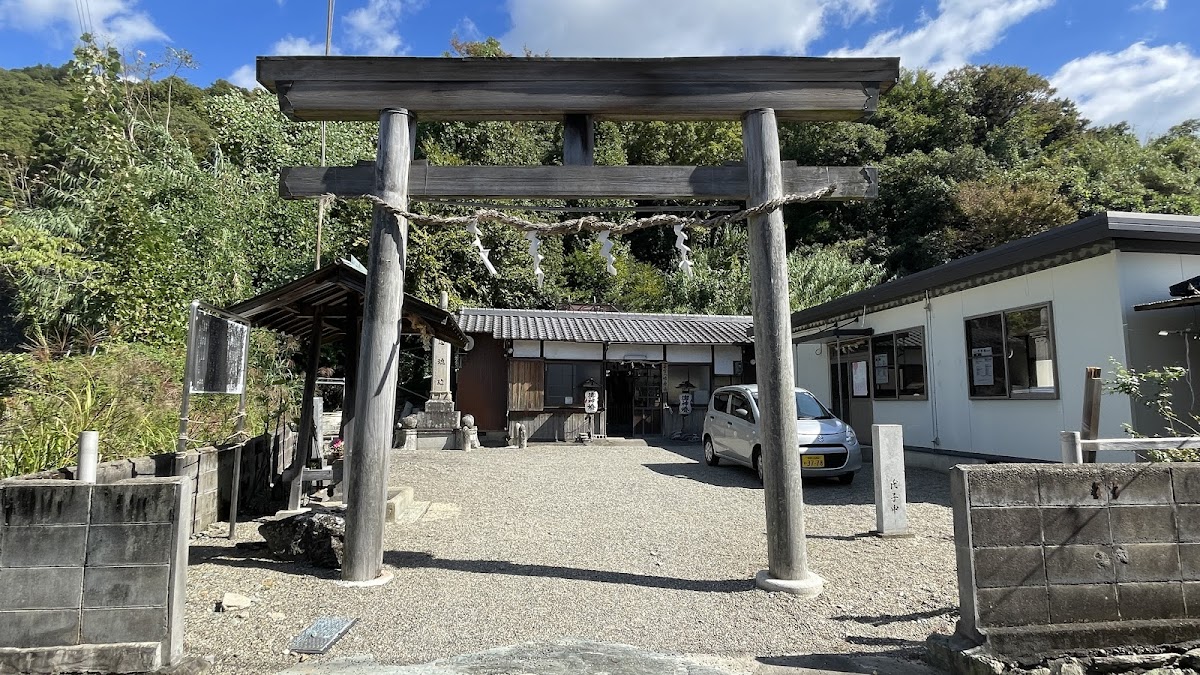
Wakamiya Hachiman Shrine, located in Kimidera, Wakayama City, is a shrine that has long been revered as the guardian deity of Kimidera Temple (Kongōhōji Gokokuin), known as the second temple on the Saigoku Thirty-Three Kannon Pilgrimage. This article comprehensively introduces all the information necessary for visiting Wakamiya Hachiman Shrine, including its detailed history, enshrined deities, festivals, and access methods.
History and Historical Background of Wakamiya Hachiman Shrine
Establishment of Two-Shrine Worship in Kimidera Village
Important descriptions of the history of Wakamiya Hachiman Shrine remain in the Edo period geographical record, “Kii Zoku Fudoki.” According to this record, Kimidera Village was once divided into north and south, each worshipping a different shrine.
In the area south of the existing Shakabashi Bridge, Wakamiya Hachiman Shrine was enshrined, while in the area north, Gozu Tenno was worshipped. Both shrines held their festivals on September 4th. This arrangement of two shrines reflects the unique historical circumstances of this region.
A Special Form of Religion in the Hinokuma Shrine Territory
Kimiidera Village was historically part of the Hinokuma Shrine (Hinokuma Kunikake Shrine) territory. Normally, residents of a shrine territory would revere Hinokuma Shrine, their lord, as their tutelary deity.
However, a different form of belief developed in Kimiidera Village. This is because the village was originally a temple town formed by the monks who served at Kongōhōji Temple within Kimiidera.
Gusō refers to Buddhist monks who served at shrines during the era of syncretism of Shinto and Buddhism, and they lived their lives closely connected to temples. Therefore, the residents of Kimiidera Village established a unique form of worship, revering Wakamiya Hachiman Shrine, the guardian deity of Kongōhōji Temple, and Gozu Tennō as their tutelary deities.
A Precious Site that Tells the History of Shinto-Buddhist Syncretism
Wakamiya Hachiman Shrine is a valuable site that conveys the history of Shinto-Buddhist syncretism in Japan. Before the Meiji-era decree separating Shinto and Buddhism, many temples had guardian shrines, and Shinto and Buddhism were worshipped together.
Wakamiya Hachiman Shrine, which has functioned as the guardian deity of Kimiidera Temple, is a living historical heritage that conveys the way of worship of that era to the present day.
About the Enshrined Deity
Main Deity: Emperor Ōjin
The main deity enshrined at Wakamiya Hachiman Shrine is Emperor Ōjin. Emperor Ōjin is considered the 15th Emperor and is widely worshipped as Hachiman-sama at Hachiman shrines throughout Japan.
Hachiman worship developed as the guardian deity of samurai families and is also known as the tutelary deity of the Minamoto clan. Emperor Ojin is considered to possess a wide range of divine virtues, including literary and martial arts, industrial development, and protection against misfortune and bringing good fortune.
Meaning of Wakamiya Hachiman
“Wakamiya” refers to a shrine that enshrines the child deity or related deities of the main shrine (Honmiya). The name Wakamiya Hachiman Shrine indicates a specific lineage or history within Hachiman worship.
Many Wakamiya Hachiman Shrines exist throughout Japan, each fostering its own unique history and beliefs in its respective region. The Wakamiya Hachiman Shrine at Kimii-dera Temple has also played an important role as a central figure in Hachiman worship in this region.
Festivals and Events
Annual Grand Festival (September 4th)
As recorded in the “Kii Zoku Fudoki” (Continued Topographical Record of Kii Province), the festival of Wakamiya Hachiman Shrine has traditionally been held on September 4th. Records indicate that this day coincided with the festival of Gozu Tenno Shrine (a different shrine today). During the annual festival, Shinto rituals such as the portable shrine procession and the dedication of Kagura (sacred dance) are performed, with local residents participating as parishioners to pray for a bountiful harvest and peace in the community.
Annual Festivals
In addition to the annual festival, Wakamiya Hachiman Shrine holds various festivals throughout the year. Through seasonal festivals such as the New Year’s Day Festival, Spring Festival, and Autumn Festival, it plays a central role in the community’s faith.
For specific festival dates and details, we recommend contacting the Wakayama Prefectural Shrine Association or the shrine directly.
Location and Grounds
Location Information
Location: Kimiidera, Wakayama City, Wakayama Prefecture
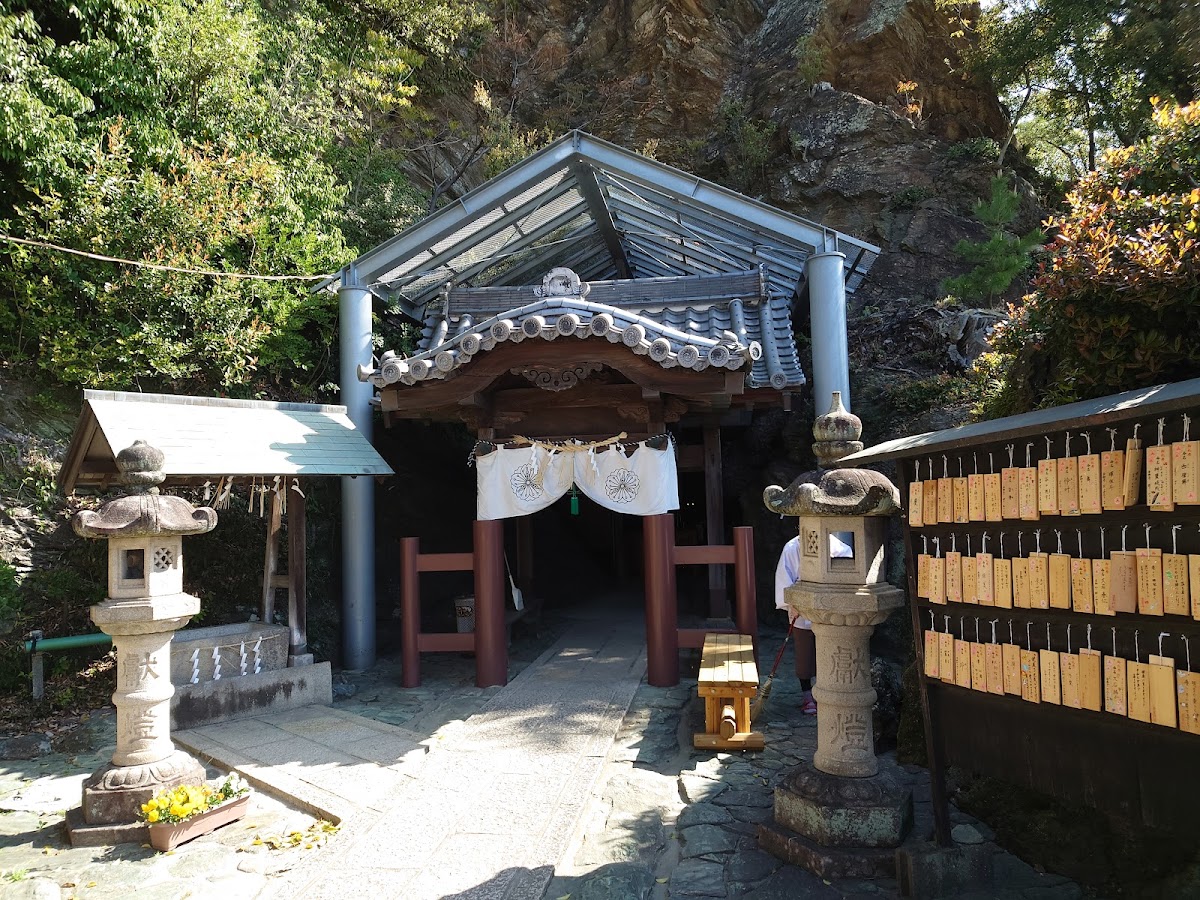
Wakamiya Hachiman Shrine is located in the area surrounding Kimiidera Temple (Kongōhōji Gokokuin), the second temple on the Saigoku Thirty-Three Kannon Pilgrimage. Kimiidera Temple is also known for its cherry blossoms, and in spring it is bustling with many worshippers and tourists.
Location in relation to Kimii-dera Temple
The shrine has existed in close connection with Kimii-dera Temple as its guardian deity. Visiting Wakamiya Hachiman Shrine at the same time as Kimii-dera Temple will allow you to gain a deeper understanding of the history of faith in this region.
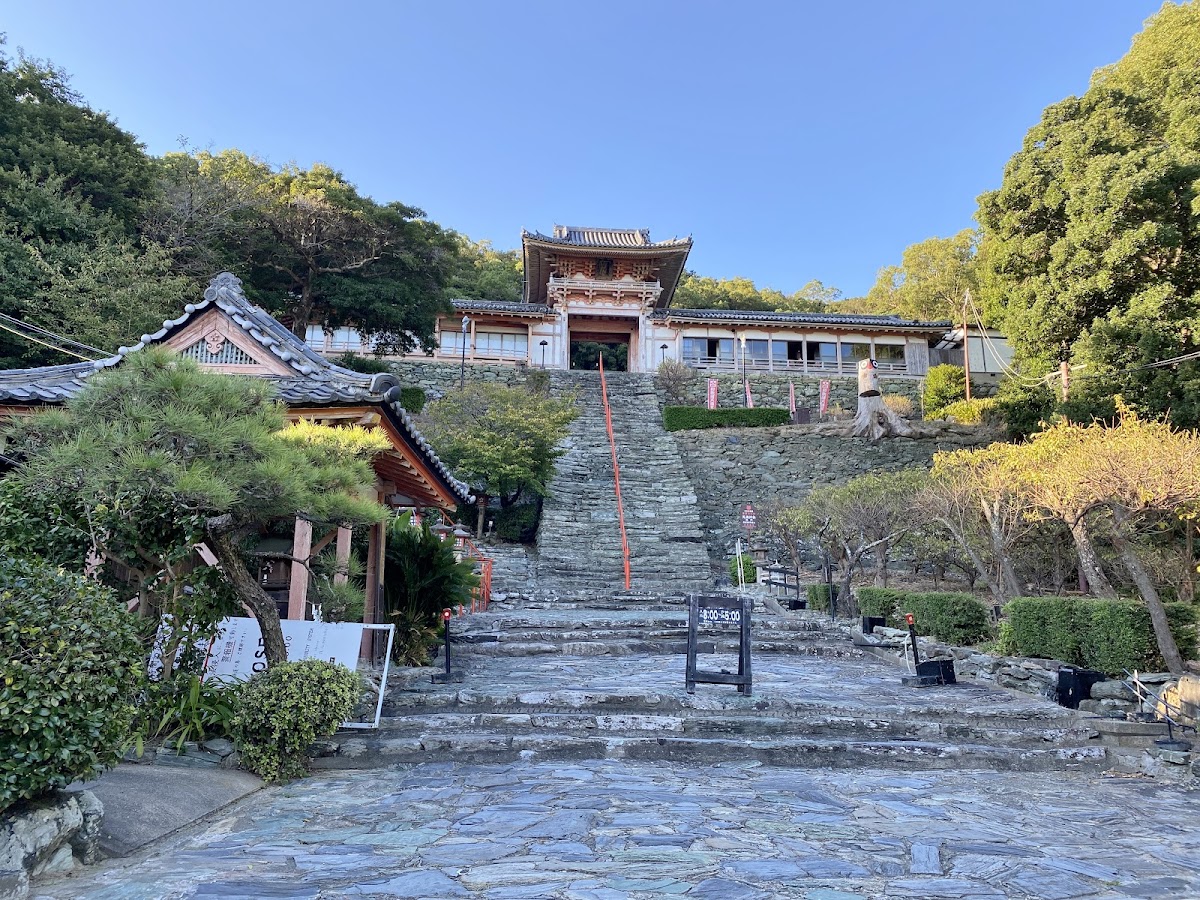
Kimii-dera Temple is located on the slopes of Mt. Nagusa, and its main hall is reached by climbing 231 stone steps known as “Ketsuen-zaka” (a staircase for establishing a bond). From the temple grounds, you can enjoy a panoramic view of Wakayama Bay, and it is one of the Kansai region’s premier spots for early-blooming cherry blossoms, and has been selected as one of “Japan’s Top 100 Cherry Blossom Viewing Spots.”
Access Information
Nearest Station and Line
JR Kisei Main Line (Kinokuni Line) Kimiidera Station
- Two stops south from JR Wakayama Station on the Kisei Main Line (Kinokuni Line)
- Approximately 10 minutes on foot from Kimiidera Station
- Located on the way from the station to Kimiidera Temple
Kimiidera Station is a small station where only local trains stop, but it is used by many visitors as the gateway to Kimiidera Temple. The route from the station to Kimiidera Temple is well-marked, so you can arrive without getting lost.
Nearest Bus Stop and Route
Wakayama Bus “Kimiidera” Bus Stop
- Take the Wakayama Bus bound for Kainan from Nankai Electric Railway Wakayama City Station.
- Get off at the “Kimiidera” bus stop and walk for about 10 minutes.
- You can also take a bus from JR Wakayama Station (about 30 minutes).
If using the bus, it is recommended to check the number of buses and timetable in advance. Especially on weekends and holidays, there are many tourists and it may be crowded.
Access by Car
Using the Hanwa Expressway
- About 20 minutes from Wakayama IC
- About 15 minutes from Wakayama Minami Smart IC
Kimiidera Temple has a parking lot for visitors, but it can be full during peak seasons such as cherry blossom season. We recommend considering using public transportation.
Access from the Keihanshin Area
From Osaka and Kyoto, the convenient route is to take the JR Hanwa Line to Wakayama Station and transfer to the Kisei Main Line. Taking the Limited Express “Kuroshio” train, you can reach Wakayama Station from Shin-Osaka Station in about an hour.
Nearby Attractions
Kimii-dera Temple (Kongōhōji Gokokuin)
If you visit Wakamiya Hachiman Shrine, Kimii-dera Temple is a must-see. As the second temple on the Saigoku Thirty-Three Kannon Pilgrimage, it boasts a history of over 1200 years.
Highlights of Kimii-dera Temple:
- Tower Gate (Important Cultural Property)
- Pagoda
- Spectacular View of Wakayama Bay from the Main Hall
- Three Wells (Kichijōsui, Yōryūsui, Seijōsui)
- Approximately 500 Cherry Trees (Famous for their early blooming)
Wakayama Bay Area
Heading south from Kimii-dera Temple, you’ll find Wakayama Bay, known as a scenic spot since the Manyō period. There are numerous attractions, including Tamatsushima Shrine, Kataonami Beach, and Saikazaki.
Japan Heritage Designated Area
The area from Kimii-dera Temple to Wakaura has been designated a Japan Heritage site as “Wakaura, a Treasure Trove of Spectacular Scenery.” The landscape, a blend of historical temples and shrines and a beautiful coastline, continues to captivate visitors.
Points to Note and Useful Information for Visiting
Visiting Hours
Visiting shrines is generally recommended during daylight hours. Kimii-dera Temple is open from 8:00 AM to 5:00 PM, so if you plan to visit both, this timeframe is recommended.
Clothing and Items to Bring
While no special attire is required for shrine visits, please dress appropriately. If climbing the stone steps of Kimii-dera Temple, comfortable walking shoes are recommended.
During the summer months, the sun is strong, so it’s a good idea to bring a hat, parasol, and drinks. Also, crowds are expected during cherry blossom season, so plan your visit with plenty of time to spare.
Regarding Photography
Photography is generally permitted on the shrine grounds, but consideration is needed when Shinto rituals are being performed. Please also be careful not to disturb other worshippers.
Relationship with the Wakayama Prefectural Shrine Association
Wakamiya Hachiman Shrine is registered with the Wakayama Prefectural Shrine Association. The Wakayama Prefectural Shrine Association is an organization that oversees shrines within the prefecture, providing information on each shrine and training Shinto priests.
Detailed information about the shrine and the schedule of festivals can also be found on the Wakayama Prefectural Shrine Association website.
Historical Value of the Kimiidera Area
Characteristics as a Monk’s Settlement
As mentioned above, Kimiidera Village was a unique settlement formed by monks. This area, which preserves the religious practices of the Shinto-Buddhist syncretism era, is an important place for studying the history of Japanese religion.
Cultural Value
The area encompassing Wakamiya Hachiman Shrine and Kimii-dera Temple holds significant historical and cultural value, making it an important location in Wakayama City’s tourism and cultural promotion efforts.
Significance of Worship and Divine Virtues
Divine Virtues of Hachiman Faith
Wakamiya Hachiman Shrine, which enshrines Emperor Ojin as its main deity, is believed to bestow the following divine virtues:
- Long-lasting Military Fortune and Victory: Aspect as a guardian deity of samurai families
- Protection from Misfortune and Bringing Good Fortune: Warding off calamities and inviting good fortune
- Prosperity of Industry and Business: Development of industry and business prosperity
- Safe Childbirth and Child-rearing: Related to the worship of Empress Jingu, the mother of Emperor Ojin
- Academic Achievement: Aspect as a god of both literary and martial arts
Synergistic Effects with Kimii-dera Temple
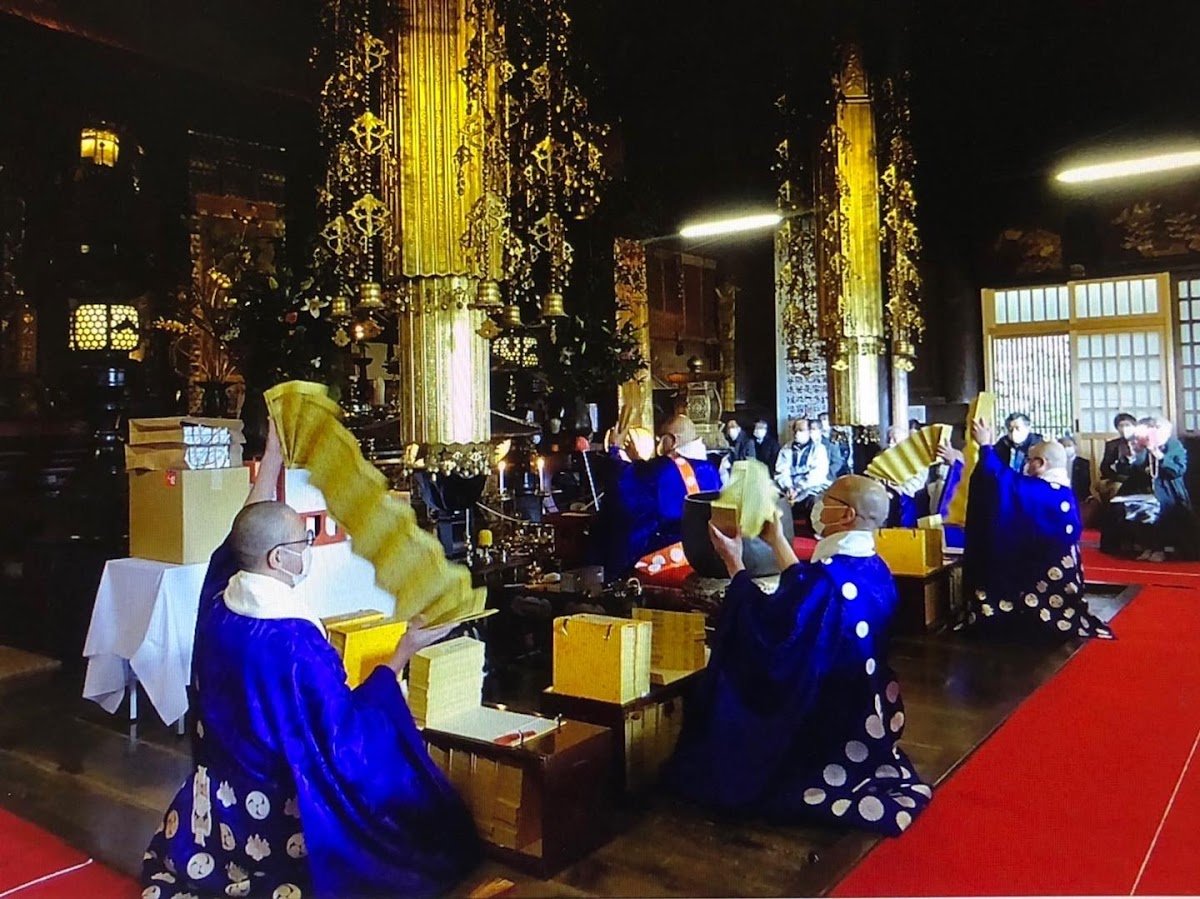
The Eleven-faced Kannon Bodhisattva, the principal image of Kimii-dera Temple, is known for its blessings of protection from misfortune, good relationships, and safe childbirth. The idea that visiting both Wakamiya Hachiman Shrine and Kimii-dera Temple allows one to receive the blessings of both Shinto and Buddhism is a continuation of ancient forms of faith into the modern age.
Summary
Wakamiya Hachiman Shrine (Kimii-dera, Wakayama City, Wakayama Prefecture) is a shrine with a long history as the guardian deity of Kimii-dera Kongoho-ji Temple. While located within the sacred territory of Hinokuma-gu Shrine, its unique origins as a monk’s settlement have allowed it to establish its own distinctive form of faith, making it a valuable example for understanding Japan’s syncretic Shinto-Buddhist culture.
Its convenient location within walking distance of JR Kimii-dera Station is also appealing, making it easily accessible in conjunction with the Saigoku Thirty-Three Kannon Pilgrimage or sightseeing in Wakaura. Visiting both Wakamiya Hachiman Shrine and Kimii-dera Temple, famous for their cherry blossoms, and experiencing the history and faith of this region will surely leave visitors deeply moved.
When visiting Wakayama, be sure to visit both Wakamiya Hachiman Shrine and Kimii-dera Temple and experience the history of faith that has been nurtured for over a thousand years.