Complete Guide to Kimii-dera Temple: A Thorough Explanation of its History, Highlights, and Access to the 2nd Temple of the Saigoku Thirty-Three Kannon Pilgrimage
Located on the slopes of Mt. Nagusa in Wakayama City, Wakayama Prefecture, Kimii-dera Temple is a venerable temple boasting a history of over 1250 years. Its official name is “Kimii-san Kongōhōji Gokoku-in,” and as the head temple of the Kyūze Kannon sect and the 2nd temple of the Saigoku Thirty-Three Kannon Pilgrimage, it is bustling with many worshippers throughout the year.
This article comprehensively introduces everything you need to know before visiting Kimii-dera Temple, from its historical background and highlights within the temple grounds to its charm as a cherry blossom viewing spot and useful access information.
History of Kimii-dera Temple: A Place of Worship Since 770
Founding and Origin
Kimiii-dera Temple was founded in 770 (Hōki 1) by the Tang Dynasty monk, Ikō Shōnin. It is said that when Abbot Tamamitsu visited Mount Nagusa, he received a spiritual vision of Kannon Bodhisattva and enshrined an eleven-faced Kannon Bodhisattva as the principal image in this place, marking the beginning of the temple.
The name “Kimii-dera” originates from the three wells (Seijōsui, Yōryūsui, and Kichijōsui) that spring forth within the temple grounds. These three wells have been selected as one of “Japan’s 100 Best Waters,” and to distinguish it from Mii-dera in Ōmi Province, the character “Ki” from Kii Province was added, resulting in the name “Kimii-dera.”
Deep Connections with the Kishu Tokugawa Family
During the Edo period, the temple received the patronage of the Kishu Tokugawa family, and successive lords of Wakayama Castle frequently visited. These lords prayed for the prosperity of the Kishu Tokugawa family and the peace and security of their people, and made numerous donations. Due to this historical background, Kimii-dera has held an important position in the religious culture of Kishu.
Role as the 2nd Temple of the Saigoku Thirty-Three Kannon Pilgrimage
As the 2nd temple of the Saigoku Thirty-Three Kannon Pilgrimage, Kimii-dera Temple has long been an important pilgrimage site for pilgrims. For pilgrims traveling north from Nachisan Seiganto-ji Temple, the 1st temple, Kimii-dera Temple was an important stopover point on the pilgrimage route and has attracted many worshippers.
Highlights of the Temple Grounds: 231 Stone Steps and Spectacular Views
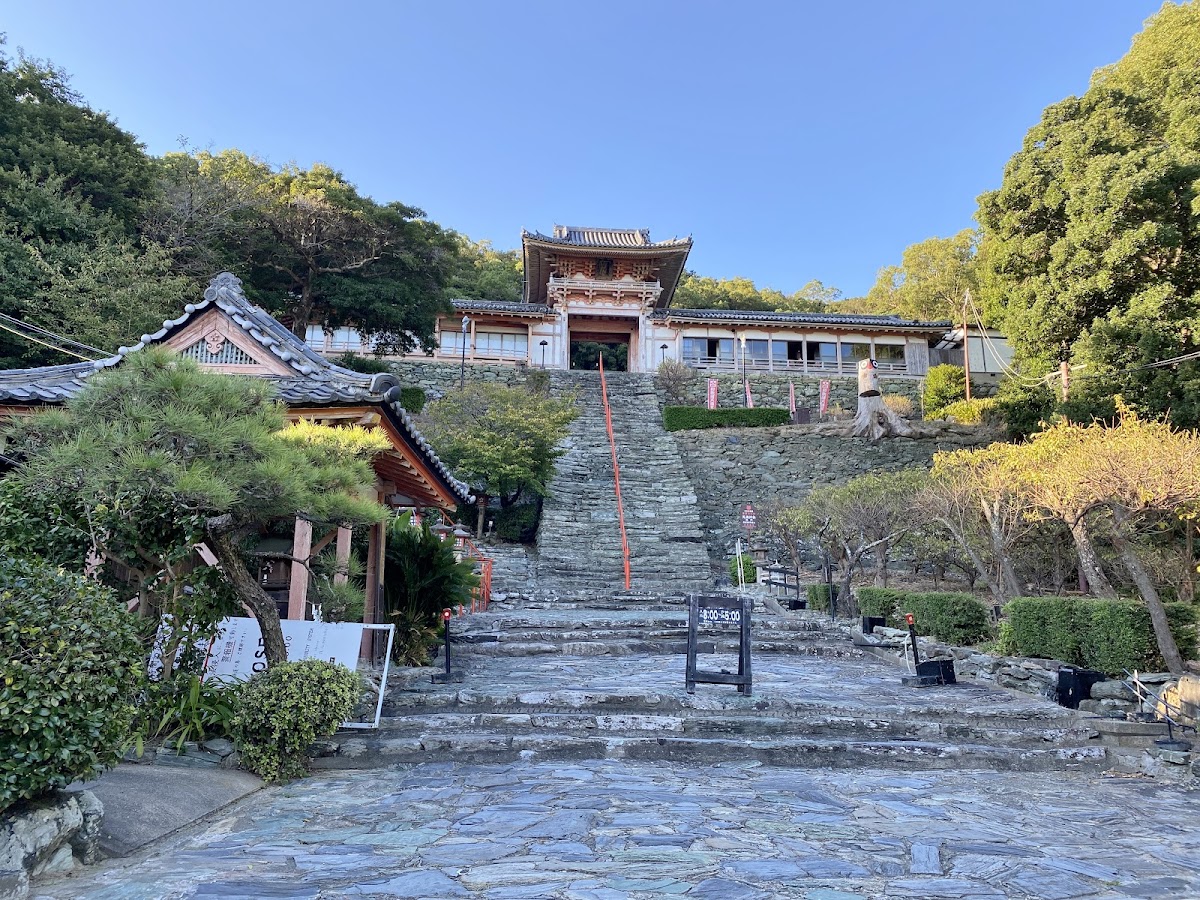
The Tower Gate and 231 Stone Steps
A visit to Kimii-dera Temple begins by passing through the vermilion-lacquered tower gate. The tower gate is a massive structure that welcomes visitors to the temple grounds.
From the tower gate to the main hall, there are 231 stone steps. These steps are also called “Ketsuen-zaka” (the slope of matchmaking), and it is said that climbing each step brings good fortune in relationships. Along the stone steps, there are three wells of pure water, where visitors can purify their minds and bodies with the clean water.
The 231 steps are certainly not an easy climb, but ascending on foot allows you to experience the meaning of spiritual training, and looking back along the way, a beautiful view of Wakayama Bay unfolds. For those with mobility issues, a cable car is also available (operating hours: 8:30 AM to 4:30 PM).
Main Hall and Eleven-Faced Kannon Bodhisattva
Upon reaching the top of the stone steps, you arrive at the main hall. The main hall houses the principal image, the Eleven-Faced Kannon Bodhisattva, and many visitors offer their prayers here. The view from the main hall is magnificent, overlooking Wakayama Bay, Wakayama city, and on clear days, even Awaji Island.
The main hall is open from 8:00 AM to 5:00 PM, and you can also obtain a Goshuin (temple stamp) here. Many people visit to collect Goshuin as proof of their Saigoku Thirty-Three Kannon Pilgrimage.
Tahōtō Pagoda: Symbol of the Temple Grounds
The most striking symbol of the temple grounds is the vermilion-painted Tahōtō pagoda. Its vibrant vermilion color, standing out against the lush green slopes of Mount Nagusa, is visible from afar, making it a landmark of Kimii-dera Temple.
The Tahōtō pagoda is a valuable cultural asset that preserves the architectural style of the Edo period, adding color to the temple grounds. During cherry blossom season, the contrast between the cherry blossoms and the Tahōtō pagoda is particularly beautiful, making it a popular photo spot for many photographers.
Mitsui-sui (Famous Water): Pure Water, Willow Water, and Auspicious Water
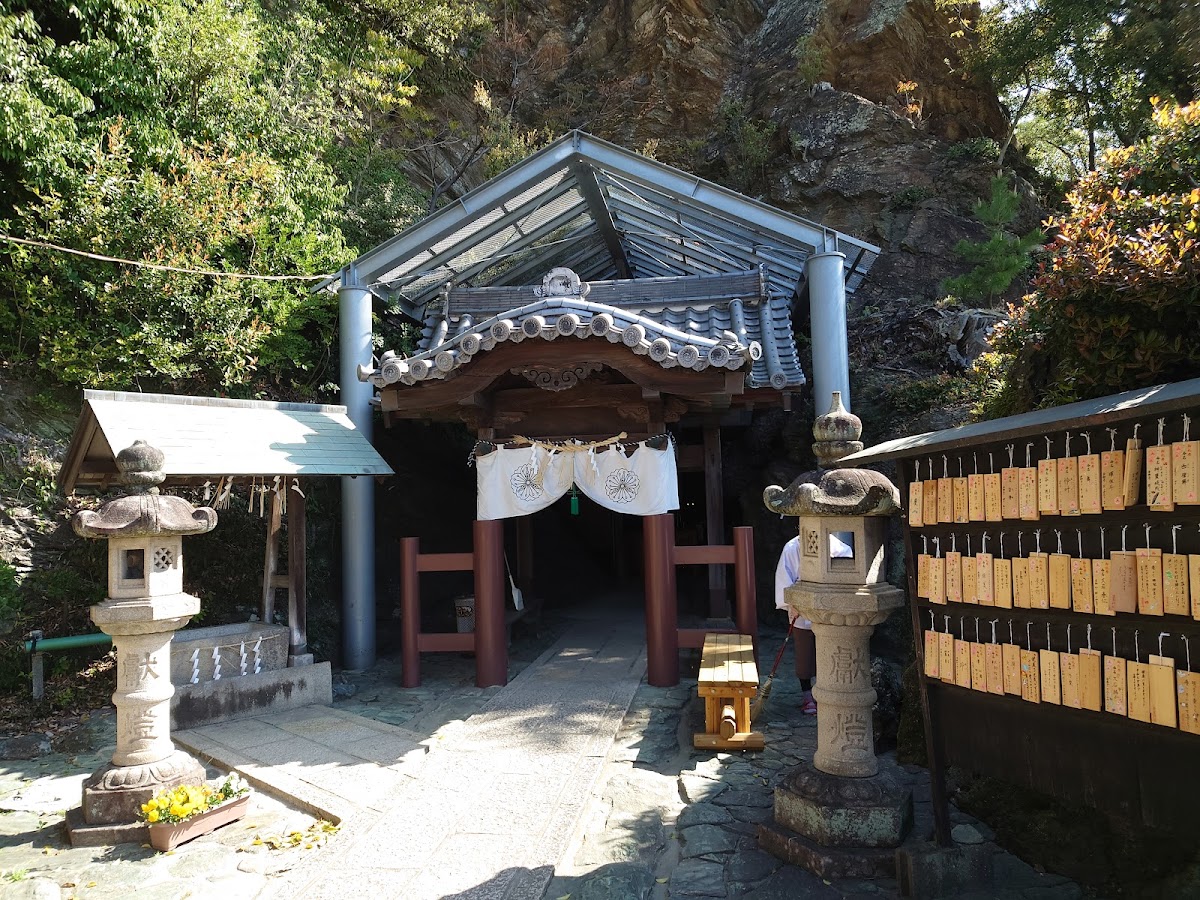
The three wells that gave Kimii-dera Temple its name continue to flow within the temple grounds.
Pure Water (Shōjōsui) is the lowest well and is believed to purify the mind and body. Willow Water (Yōryūsui) is located midway up the mountain and is believed to have healing properties. Auspicious Water (Kisshōsui) is the highest well and is revered as water that brings good fortune. These springs of water have been selected as one of the “100 Best Waters of Japan” by the Ministry of the Environment, and the pure water continues to flow to this day. When you visit, please be sure to taste these famous springs.
The Great Thousand-Armed Eleven-Faced Kannon Statue
The Great Thousand-Armed Eleven-Faced Kannon Statue, consecrated in 2008, is one of the largest wooden standing Kannon statues in Japan. Standing approximately 12 meters tall, this Kannon statue is enshrined in the “Tenkuden” (Sky Hall) on the temple grounds, and its majestic presence overwhelms visitors.
The view from the Tenkuden is also magnificent, offering a spectacular panoramic view of Wakayama Bay. The Great Thousand-Armed Eleven-Faced Kannon Statue has become a new symbol of faith at Kimii-dera Temple and is beloved by many.
Famous Cherry Blossom Spot: Earliest Blooming in the Kinki Region
Famous for its Early-Blooming Cherry Blossoms
Kimii-dera Temple is known as one of Wakayama Prefecture’s leading cherry blossom viewing spots. One particularly noteworthy feature is the early blooming of the cherry blossoms. Kimii-dera Temple’s cherry blossoms are known as the earliest blooming in the Kinki region, and are such a significant indicator of spring’s arrival that it’s said, “When the cherry blossoms at Kimii-dera Temple bloom, spring has arrived.”
Every year, the blossoms reach their peak from late March to early April, with approximately 500 Somei Yoshino cherry trees in full bloom on the temple grounds. Visitors can enjoy the cherry blossoms from various angles, including the rows of cherry trees along the stone steps, the collaboration of the pagoda and the blossoms, and the scenery of the cherry blossoms against the backdrop of Wakayama Bay.
Cherry Blossom Blooming Information
The official Kimii-dera Temple website updates its cherry blossom blooming information annually. Detailed information, from blooming forecasts to full bloom and the beginning of petals falling, is provided, making it very convenient when planning your visit.
Due to the large number of tourists during cherry blossom season, early morning or weekday visits are recommended. Additionally, illuminations are sometimes held, allowing visitors to enjoy the magical atmosphere of the cherry blossoms at night.
The Breathtaking Scenery of Waka-no-ura and Cherry Blossoms
The charm of the cherry blossoms at Kimii-dera Temple lies not only in the beauty of the blossoms themselves, but also in their collaboration with the breathtaking scenery of Waka-no-ura. Located on the slopes of Mount Nagusa, the cherry blossoms offer panoramic views of Waka-no-ura Bay, Wakayama city, and even Awaji Island in the distance, truly deserving of the title “treasure trove of breathtaking scenery.”
The spring scenery created by the cherry blossoms against the backdrop of Waka-no-ura, a designated Japan Heritage site, deeply moves visitors.
Visiting Information: Visiting Hours, Fees, and Estimated Time Required
Visiting Hours and Fees
Visiting Hours: 8:00 AM – 5:00 PM (Main Hall Reception Hours)
Admission Fee:
- Adults: 400 yen
- Elementary and Junior High School Students and those 70 years and older: 200 yen
- Currently, visiting on foot is free (as of 2025)
Cable Car Operating Hours: 8:30 AM – 4:30 PM
Estimated Time Required for Visiting
The time required for visiting Kimii-dera Temple varies depending on the method of worship and individual interests, but the following is a general guideline.
- If climbing the stone steps on foot: Approximately 60-90 minutes
- If using the cable car: Approximately 45-60 minutes
- If visiting during cherry blossom season or enjoying photography: 90-120 minutes
If you want to leisurely explore the temple grounds, taste the Mitsui spring water, and enjoy the view, we recommend allocating at least 90 minutes.
Points to Note When Visiting
- There are 231 stone steps, so comfortable shoes are recommended.
- Goshuin (temple stamps) are available at the main hall reception (8:00 AM – 5:00 PM).
- You can take Mitsui spring water home in plastic bottles, etc.
- The view from the temple grounds is especially beautiful on a sunny day, so it’s a good idea to check the weather before visiting.
Access: By Train and Car
Access by Train
Approximately 10 minutes on foot from JR Kisei Main Line “Kimiidera Station”
Kimiidera Station is approximately 5 minutes from JR Wakayama Station on the Kisei Main Line. The temple is about a 10-minute walk from the station, with easy-to-follow directions and well-maintained signage.
- JR Wakayama Station to Kimiidera Station: Approximately 5 minutes
- Kimiidera Station to Kimiidera Temple: Approximately 10 minutes on foot (approximately 600m)
When using public transportation, the train is the most convenient and reliable method.
Access by Car
Approximately 20 minutes from Hanwa Expressway “Wakayama IC”
When visiting by car, it is approximately 20 minutes from the Wakayama IC on the Hanwa Expressway via National Route 42.
Parking Information
Kimiidera Temple has a parking lot for visitors.
- Parking Capacity: Approximately 50 cars
- Parking Fee: Paid (Please check on-site for details)
- Notes: It gets crowded during cherry blossom season and on weekends, so early arrival is recommended.
If the parking lot is full, you can use nearby paid parking lots, but it gets especially crowded during cherry blossom season, so you should consider using public transportation.
Nearby Tourist Spots: The Charms of Wakayama City
Wakayama Castle
Located about 15 minutes by car from Kimii-dera Temple, or about 30 minutes by train and bus, Wakayama Castle is a famous castle that flourished as the residence of the Kishu Tokugawa family. It offers many attractions, including views from the keep, beautiful gardens, and historical buildings. Visiting it together with Kimii-dera Temple will give you a deeper understanding of the history of Kishu.
Waka-no-ura
Waka-no-ura, which spreads out below Kimii-dera Temple, is a scenic spot that has been celebrated in poetry since the Manyo period. Designated as a Japan Heritage site, the area boasts numerous attractions, including Kataonami Beach, Tamatsushima Shrine, and Furō Bridge. After enjoying the panoramic view of Waka-no-ura from Kimii-dera Temple, a stroll along the coast is highly recommended.
Model Itineraries Around Kimii-dera Temple
Half-Day Course:
- Arrive at JR Kimii-dera Station (9:00)
- Visit Kimii-dera Temple (9:15-11:00)
- Stroll around Waka-no-ura (11:30-13:00)
- Lunch in Wakayama City
Full-Day Course:
- Visit Kimii-dera Temple (9:00-11:00)
- Stroll around Waka-no-ura (11:30-13:00)
- Lunch
- Visit Wakayama Castle (14:00-16:00)
- Sightseeing and Shopping in Wakayama City
Annual Events at Kimii-dera Temple
Main Annual Events
Kimii-dera Temple holds various religious events throughout the year.
- New Year’s Visit (January 1st-3rd): The temple is bustling with many visitors. – Setsubun Festival (February 3rd): Events such as bean-throwing are held.
- Cherry Blossom Festival (Late March to Early April): Various events are held to coincide with the cherry blossom season.
- Mizuko Kuyo Memorial Service (May): A memorial service for miscarried or stillborn babies is held.
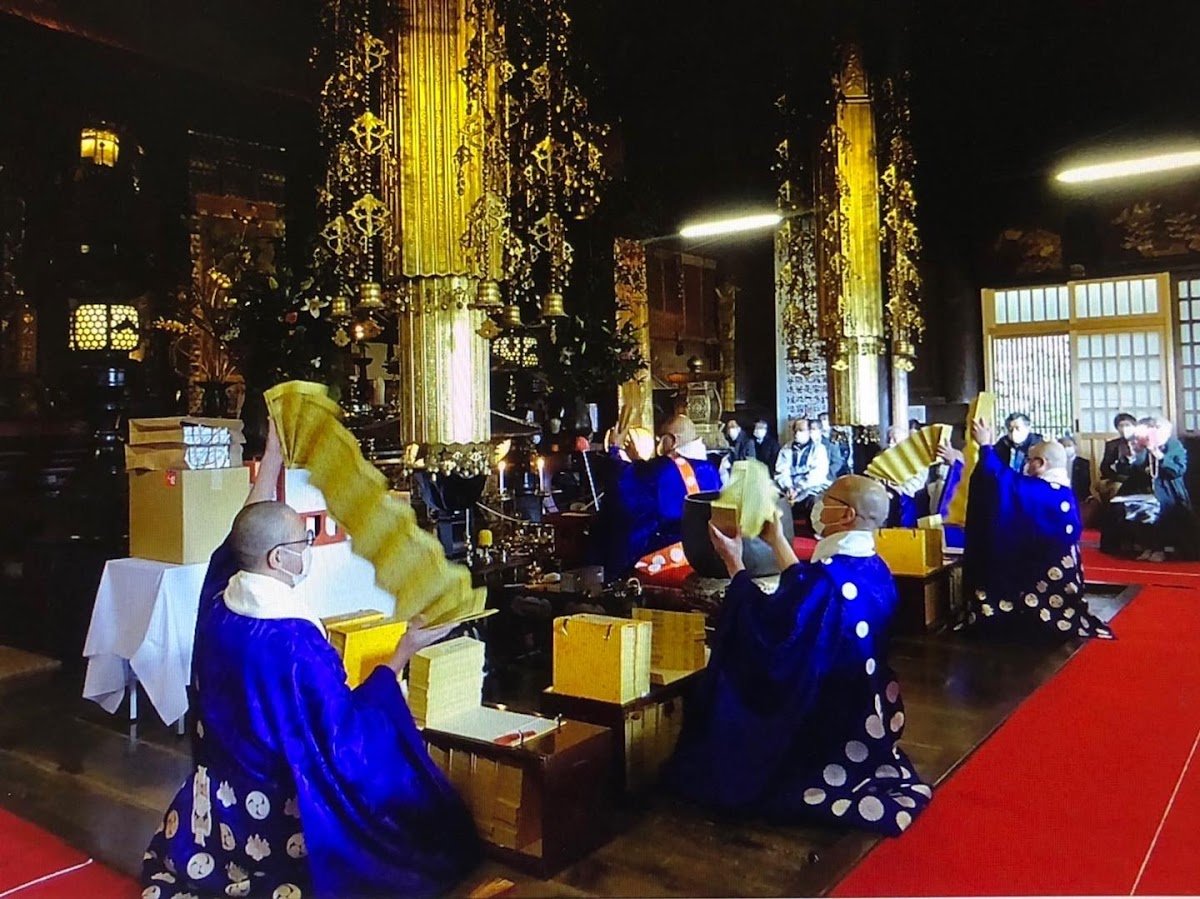
- Kannon Festival (18th of every month): A memorial service is held on the auspicious day of Kannon Bodhisattva.
Visiting on Special Days
As a pilgrimage site for the 33 Kannon temples of Saigoku, many pilgrims visit, especially on the 18th of every month, which is the auspicious day of Kannon Bodhisattva. The number of visitors also increases during the spring and autumn equinoxes and the Obon period.
Goshuin (temple stamps) and Pilgrimage at Kimii-dera Temple
Goshuin of the 33 Kannon Temples of Saigoku
Kimii-dera Temple, as the second temple of the 33 Kannon temples of Saigoku, offers goshuin to pilgrims. You can receive a Goshuin (temple stamp) at the main hall reception (8:00 AM – 5:00 PM).
Even if you don’t have your own Goshuincho (stamp book), you can purchase an original Goshuincho from Kimii-dera Temple. For those beginning the Saigoku Thirty-Three Kannon Pilgrimage, Kimii-dera Temple, the second temple on the pilgrimage route, is an important place to visit.
Pilgrimage Points
When undertaking the Saigoku Thirty-Three Kannon Pilgrimage, the distance from Nachisan Seiganto-ji Temple (the first temple) to Kimii-dera Temple is approximately 1 hour and 30 minutes by car, or about 2 hours by public transport. Many pilgrims proceed north from Nachisan to Kimii-dera Temple, and then to Kokawa-dera Temple (the third temple).
Cultural Properties and Treasures of Kimii-dera Temple
Important Cultural Properties
Kimii-dera Temple houses numerous valuable cultural properties that have been preserved and passed down through its long history. The temple treasures, including the principal image of the Eleven-Faced Kannon Bodhisattva, numerous Buddhist statues, ancient documents, and crafts, are carefully preserved.
Architectural Style Characteristics
The main buildings on the temple grounds, such as the gate tower, main hall, and pagoda, are valuable examples of Edo period architecture. The vermilion-painted pagoda, in particular, embodies the beauty of Japanese-style architecture and is considered a highly valuable structure from an architectural perspective.
Guidelines for Visiting Kimii-dera Temple
Visitor Manners
- Please remember to keep to the right on the stone steps.
- Quietly put your hands together in prayer at the main hall and offer your prayers with sincerity.
- Photography is permitted, but please be considerate of other visitors.
- When tasting the Mii-sui spring water, please handle the ladle carefully and keep it clean for the next person.
- Smoking is prohibited on the temple grounds.
Clothing and Items to Bring
- Comfortable Shoes: Since you will be climbing 231 stone steps, comfortable shoes such as sneakers are recommended.
- Drinks: Staying hydrated is especially important in the summer.
- Goshuincho (Stamp Book) (Pilgrims): Those undertaking the Saigoku Thirty-Three Kannon Pilgrimage should bring their stamp book.
- Camera: There are plenty of photo opportunities, including stunning scenery and cherry blossoms.
Summary: Experience the Charm of Kimii-dera Temple
Kimii-dera Temple is a temple with multifaceted charms, boasting a history of over 1250 years, religious significance as the second temple on the Saigoku Thirty-Three Kannon Pilgrimage, beauty as a famous cherry blossom viewing spot, breathtaking views overlooking Waka-no-ura, and the Mitsui Water, one of Japan’s 100 Famous Waters.
As you climb the 231 stone steps one by one, experience the world of Kimii-dera Temple, where history and nature, faith and culture are intertwined. With its cherry blossoms in spring, lush greenery in summer, vibrant autumn leaves, and tranquil winter solitude, Kimii-dera Temple displays a different face in each season, making it a fascinating place where you can discover something new no matter how many times you visit.
When you visit Wakayama, be sure to visit Kimii-dera Temple and enjoy the history, culture, and breathtaking scenery of Kishu.