Chikurinji Temple (Sakurai City, Nara Prefecture) Complete Guide | Important Cultural Property Yakushi Nyorai and Special Viewing Limited to 6 Times a Year
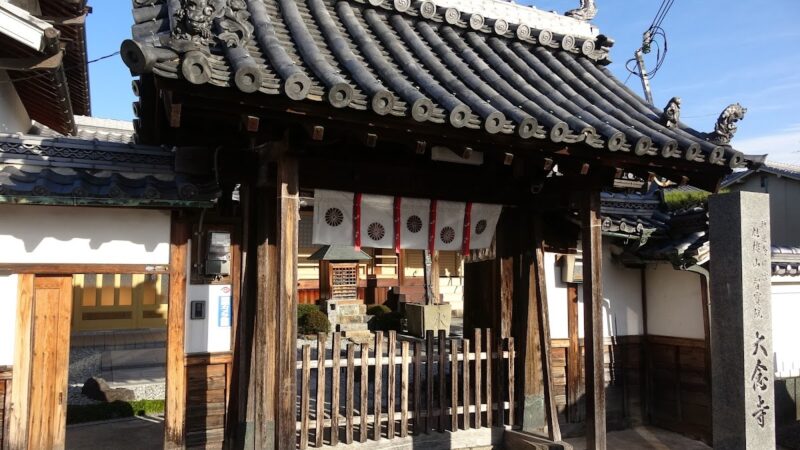
Located in the mountainous Kasa district of Sakurai City, Nara Prefecture, Chikurinji Temple is a tranquil ancient temple known only to a select few. Formerly called “Kasadera (Kasa-dera),” this temple is also known as the inner sanctuary of Hase-dera Temple and continues to protect precious Buddhist statues, including the important cultural property, the standing statue of Yakushi Nyorai. With its special Buddhist statues that can only be viewed six times a year, a place of worship carefully preserved by local residents, and legends related to Prince Shotoku and the monk Ryōben, Chikurinji Temple is full of many attractions.
History and Origins of Chikurinji Temple
Legends of its Founding and its Relationship to Prince Shotoku and the Monk Ryōben
Several legends remain regarding the founding of Chikurinji Temple. One theory suggests that it was founded by Prince Shōtoku (574-622) during the Asuka period, while another theory attributes its founding to Ryōben Sōjō (689-773), a high-ranking priest of the Nara period and the first abbot of Tōdai-ji Temple.
Ryōben Sōjō had a deep connection to the area around Mt. Kasayama and is said to have established a place of ascetic practice there. Mt. Kasayama has long been dotted with sacred sites that have been objects of worship, and Chikurin-ji Temple was one of them, serving as a center of mountain Buddhism.
From Kasadera (Kasadera) to Chikurin-ji
Chikurin-ji Temple, formerly known as “Kasadera” or “Kasadera,” was one of a group of temples spread throughout the Mt. Kasayama area. It is believed that the current name “Chikurin-ji” became established after the medieval period, along with changes in the temple’s influence.
According to Edo period records, several temples existed in the Kasayama area, each supporting local faith. Among them, Chikurin-ji Temple, in particular, was a center of Yakushi (Medicine Buddha) worship, attracting fervent devotion from local residents. ### Relationship with Hase-dera Temple – Its Role as an Inner Sanctuary
Chikurin-ji Temple is also known as the “inner sanctuary of Hase-dera Temple.” Located at the top of a mountain path from Hase-dera Temple, a major temple representing Sakurai City, it has long been considered a sacred site visited to deepen one’s faith after paying homage at Hase-dera.
While Hase-dera Temple is the center of Kannon worship, Chikurin-ji Temple has historically been a place of prayer for those seeking healing from illness and good health, embodying Yakushi worship.
Cultural Properties and Buddhist Statues of Chikurin-ji Temple
Important Cultural Property: Standing Statue of Yakushi Nyorai
Chikurin-ji Temple’s greatest treasure is a standing statue of Yakushi Nyorai (a nationally designated Important Cultural Property) created during the Heian period. The statue is approximately 120 centimeters tall and carved using the single-block wood carving technique.
The most distinctive feature of this Yakushi Nyorai is the depth and sharpness of the carving of its drapery. The statue retains strong elements of the early Heian period style, and the powerful and flowing depiction of the robes is overwhelming. The face is gentle yet dignified, possessing the typical beauty of Heian-period Buddhist statues.
The Yakushi Nyorai (Medicine Buddha) is depicted holding a medicine jar in his left hand and forming the Abhaya Mudra (gesture of fearlessness) with his right hand, and has been worshipped as a Buddha who saves people from illness and suffering.
Prefectural Designated Important Cultural Property: Standing Jizo Bodhisattva Statue
The storage facility also houses another standing Jizo Bodhisattva statue (Nara Prefecture Designated Important Cultural Property), created during the Kamakura period. This statue exhibits the realistic style of the Kamakura period and possesses a sculptural beauty that contrasts with that of the Yakushi Nyorai.
Jizo Bodhisattva has been an object of popular faith as a Buddha who travels through the six realms to save sentient beings. The standing Jizo Bodhisattva statue at Chikurinji Temple can be considered a historical witness to the prayers of the local people.
Structure and Preservation Environment of the Storage Facility
The storage facility, built behind the main hall, is designed to protect these precious Buddhist statues from wind, rain, and humidity. Appropriate management is in place to protect the cultural properties from the high humidity characteristic of mountainous regions.
The storage facility is usually kept under strict security and is only opened on six special viewing days per year. This limited access makes the encounter with the Buddhist statues all the more special.
Highlights of the Main Hall and Temple Grounds
Appearance and Architectural Style of the Main Hall
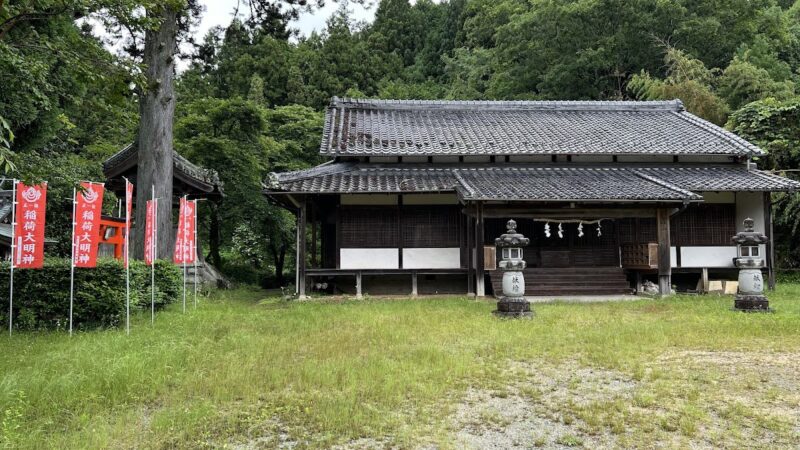
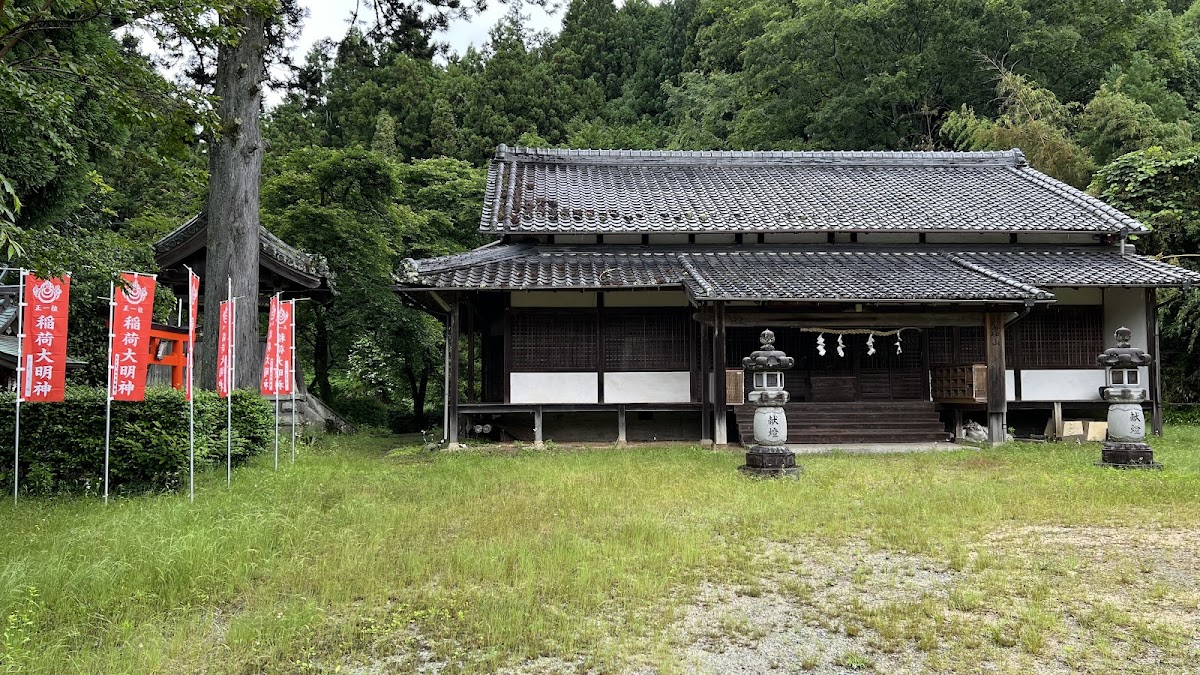
The main hall of Chikurinji Temple is a simple wooden building constructed on the mountainside. While lacking elaborate decorations, the wood grain, having withstood years of wind and snow, possesses a profound character.
The principal image is enshrined inside the main hall, where daily religious services are performed. The sound of chanting resonates amidst the tranquility of the mountains, evoking a sense of ancient religious practice.
Natural Environment and Seasonal Scenery of the Temple Grounds
As its name suggests, Chikurinji Temple is surrounded by a bamboo grove. The rustling of bamboo leaves in the wind creates a tranquil space that makes you forget the hustle and bustle of the city.
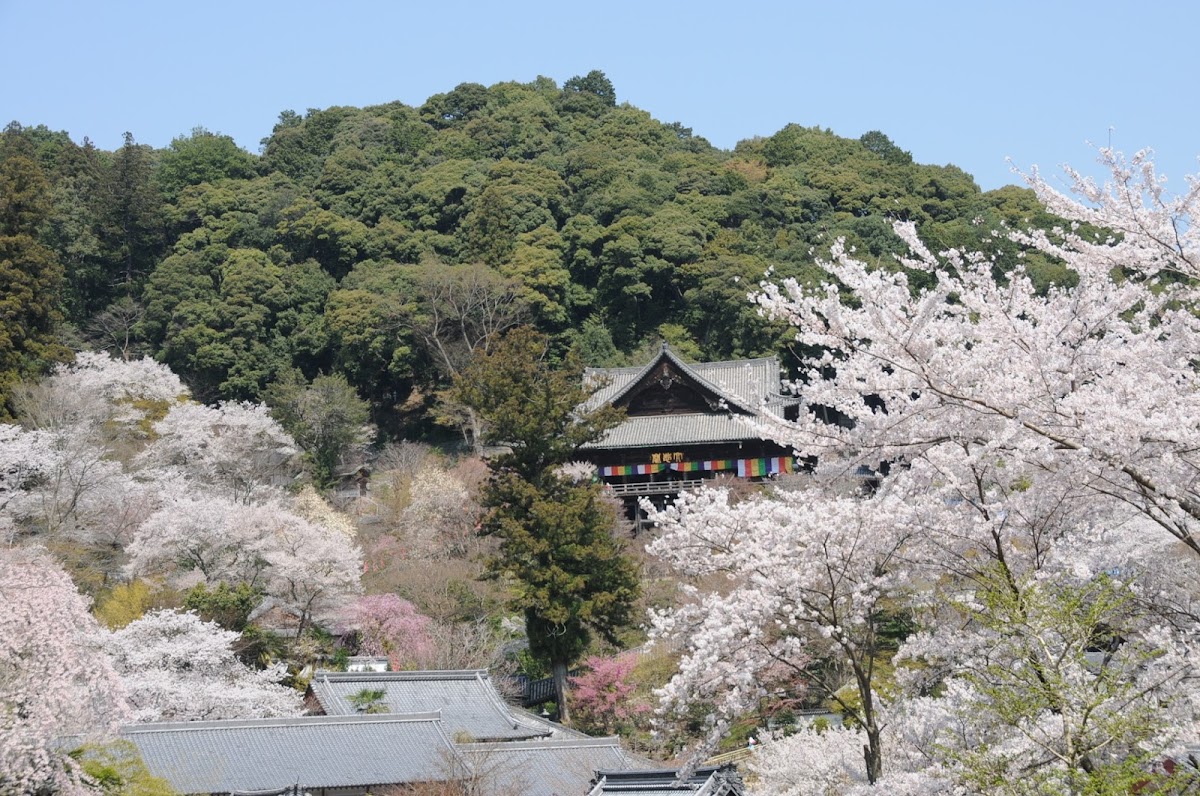
In spring, mountain cherry blossoms bloom; in summer, the grounds are enveloped in deep green; in autumn, the mountains are colored with autumn leaves; and in winter, the temple stands quietly amidst the snowy landscape. Enjoying the beauty of nature in every season is one of Chikurinji Temple’s charms.
Maintenance Activities by Local Residents
Chikurinji Temple is carefully maintained by the residents of approximately 60 households in the Kasa district. It is rare in modern times for a temple to be maintained and managed primarily by a local community rather than belonging to a large temple organization.
On the six special viewing days each year, local residents work together to prepare and welcome visitors. This community-wide approach to faith preserves the original form of traditional Japanese temple culture.
Kasayama Kojin Grand Festival and Annual Events
History and Significance of the Kasayama Kojin Grand Festival
The special viewing at Chikurinji Temple is deeply connected to the Kasayama Kojin Grand Festival held at Kasayama Kojin Shrine. Kasayama Kojin is worshipped as the god of fire and hearths, and grand festivals are held three times a year: January 28th, April 28th, and September 28th.
Kojin worship is a unique form of faith linked to Shugendo (mountain asceticism), and Kasayama has long been a training ground for Shugendo practitioners. On the day of the grand festival, many worshippers climb the mountain, and Buddhist statues are specially displayed at Chikurinji Temple.
Special Viewing on Yakushi Festival Days
Special viewings are also held on April 8th (Hanamatsuri), August 14th (Obon), and September 8th, which are festival days for Yakushi Nyorai (Medicine Buddha). April 8th, in particular, is the Buddha’s birthday, and combined with the devotion to Yakushi Nyorai (the Medicine Buddha), attracts many visitors.
August 14th, during the Obon period, the faith of local people praying for ancestral veneration and recovery from illness is strongly evident.
Summary of the 6 Limited Public Viewing Days per Year
The days when you can view the Buddha statues at Chikurinji Temple are as follows:
Kasayama Kojin Grand Festival
- January 28th
- April 28th
- September 28th
Yakushi Festival
- April 8th
- August 14th
- September 8th
The admission fee is 300 yen, and the temple is open from morning until evening. However, this may change due to weather or local circumstances, so it is recommended to check in advance.
How to Access Chikurinji Temple
Access by Public Transportation
Using the Kintetsu Osaka Line
- Get off at Kintetsu Hase-dera Station
- Approximately 40-50 minutes on foot from the station (mountain path)
- Or approximately 10 minutes by taxi
The route from Hase-dera Station to Chikurinji Temple involves climbing a mountain path and is quite long. For those who are not confident in their physical fitness or have limited time, using a taxi is convenient.
Using the Bus
The Sakurai City Community Bus operates, but the number of buses is limited, so it is important to check the timetable in advance. A short walk is also required from the nearest bus stop.
Access by Private Car and Parking
Route by Car
- Approximately 30 minutes from the Nishimeihan Expressway “Tenri IC” via National Route 169
- From National Route 165, take the prefectural road to the Kasa area
Parking Information
There is a parking lot for Kasayama Arashijinja Shrine near Chikurinji Temple, and it is a few minutes’ walk from there to Chikurinji Temple. However, congestion is expected on the day of the grand festival, so please try to arrive early.
The mountain road has some narrow sections, so please drive with caution. Especially in winter, there is a possibility of icy roads, so it is recommended to use snow tires and check the weather forecast.
Walking Route from Hase-dera Temple
If you are walking from Hase-dera Temple to Chikurin-ji Temple, the route is as follows:
- Pass through the temple town of Hase-dera
- Proceed along the prefectural road towards Kasa
- Enter the mountain path and follow the signs to ascend
- Go to Chikurin-ji Temple via Kasayama Kōjin Shrine
This route is approximately 3-4 kilometers long and involves continuous uphill walking, so it is important to wear comfortable shoes and clothing. It is also a popular hiking course where you can enjoy the natural scenery of the mountains along the way.
Recommended Nearby Spots
Kasayama Kōjin Shrine
Located very close to Chikurin-ji Temple, Kasayama Kōjin Shrine is an ancient shrine counted as one of Japan’s three great Kōjin shrines. As a center of Kojin worship, the devotion to the god of fire and hearth remains strong, and many people from the food and beverage industry and those involved in cooking visit the temple.
Numerous stone lanterns are dedicated within the temple grounds, testifying to the depth of the faith. On the day of the grand festival, a Goma fire ritual is performed, attracting many worshippers.
Hase-dera Temple
Hase-dera Temple, known as the “Temple of Flowers,” is the head temple of the Buzan branch of the Shingon sect. Its principal image, a standing eleven-faced Kannon Bodhisattva statue, is one of the largest wooden Buddha statues in Japan, standing over 10 meters tall, exuding an overwhelming presence.
With flowers blooming throughout the seasons—peonies in spring, hydrangeas in early summer, and autumn leaves—it truly lives up to its reputation as the “Temple of Flowers.” A traditional pilgrimage route involves visiting Hase-dera Temple and then extending the journey to Chikurin-ji Temple.
Murō-ji Temple
Murō-ji Temple, known as “Women’s Kōya,” is the head temple of the Murō-ji branch of the Shingon sect, located south of Sakurai City. Its five-story pagoda, a national treasure, is considered one of the smallest and most beautiful pagodas in Japan, and its harmonious blend with the surrounding mountain scenery is breathtaking.
It’s about a 30-minute drive from Chikurin-ji Temple, making it an ideal stop on a tour of Nara’s mountain temples.
Tanzan Shrine
Tanzan Shrine, located on Tōnomine in Sakurai City, is dedicated to Fujiwara no Kamatari. Its thirteen-story pagoda (an important cultural property) is known as the world’s only wooden thirteen-story pagoda, and offers particularly stunning views during the autumn foliage season.
It is also a historically important sacred site, believed to be the location where Prince Naka no Ōe (later Emperor Tenji) and Fujiwara no Kamatari discussed the Taika Reforms.
Abe Monjuin Temple
Abe Monjuin Temple, one of Japan’s three most important Monju temples, attracts worshippers from all over the country seeking academic success. The main image, a statue of Monju Bodhisattva riding a lion, is designated a National Treasure, and its size and beauty are truly awe-inspiring.
It is located near the city center of Sakurai, about a 20-minute drive from Chikurinji Temple.
Guidelines and Precautions for Visiting the Temple
Clothing and Items to Bring
Since Chikurinji Temple is located in the mountains, the following preparations are recommended:
- Comfortable walking shoes (trekking shoes or athletic shoes)
- Appropriate clothing for the season (insect repellent in summer, warm clothing in winter)
- Drinking water (especially in summer)
- Rain gear (mountain weather is unpredictable)
- Camera (however, photography may be prohibited inside the storage rooms)
Visiting Manners
- Maintain silence and avoid disturbing other visitors
- Follow the instructions of staff regarding photography inside the storage rooms
- Do not touch the Buddha statues
- Eating and drinking are strictly prohibited in the main hall and storage rooms
- Always take your trash with you
Consideration for the Community
Chikurinji Temple is a temple protected by the local residents. Please observe the following points:
- Walk quietly when passing through residential areas
- No street parking allowed
- Remember to greet local residents
- Do not trespass on private property
The Charm and Significance of Visiting Chikurinji Temple
Encountering the Beauty of the Heian Period in Silence
The greatest charm of Chikurinji Temple is the opportunity to encounter Heian period Buddhist statues in a quiet, unspoiled environment. The limited six-times-a-year public viewing only makes the encounter with the statues special, enhancing the value of each unique experience.
The sharp, deep carvings of the drapery on the standing Yakushi Nyorai statue, a designated Important Cultural Property, possess a power and beauty that cannot be conveyed in photographs. When you actually stand before it, you will feel the high level of skill of the Heian period Buddhist sculptors and the weight of the faith that has been preserved for over a thousand years.
A Living Form of Local Faith
Unlike large-scale tourist temples, Chikurinji Temple is supported by the local community. Here, the traditional relationship between Japanese temples and local communities is still alive and well.
Visiting on a special viewing day, you’ll see local people preparing and guiding visitors. This scene teaches us that Buddhism is not merely a tourist attraction, but a faith deeply rooted in people’s lives and passed down through generations.
As a Sacred Site of Mountain Buddhism
The Kasayama area has long been considered a sacred site of mountain Buddhism. Visiting Chikurinji Temple is also about experiencing the history of Shugendo and mountain worship.
Climbing the mountain path and facing the Buddha statues in the tranquility surrounded by bamboo groves will provide an opportunity to step away from the hustle and bustle of modern life and reflect on oneself.
Basic Information about Chikurinji Temple
Official Name: Jubusen Chikurinji Temple
Location: 2340 Kasa, Sakurai City, Nara Prefecture
Phone Number: 0744-48-8556
Sect: Shingon Buddhism (details unknown)
Principal Image: Yakushi Nyorai (Medicine Buddha)
Founding: Asuka or Nara period (tradition)
Founder: Prince Shotoku or Bishop Ryoben (tradition)
Cultural Properties:
- Standing Statue of Yakushi Nyorai (Nationally Designated Important Cultural Property, Heian period)
- Standing Jizo Bodhisattva Statue (Nara Prefecture Designated Important Cultural Property, Kamakura Period)
Viewing Hours: Only on 6 special viewing days per year (Normally, only the temple grounds are freely accessible)
Admission Fee: 300 yen (on special viewing days)
Parking: Kasayama Arashijinja Shrine parking lot available
Access: Approximately 40 minutes on foot from Kintetsu Hase-dera Station, or approximately 10 minutes by taxi
Summary
Nestled quietly in the mountains of Sakurai City, Nara Prefecture, Chikurinji Temple is a little-known but renowned temple housing a standing Yakushi Nyorai statue, an Important Cultural Property. Its rarity (only 6 viewing days per year), the warmth of its preservation by local residents, and its history of faith dating back to the Heian period give this small temple great value.
Visiting it along with Hase-dera Temple and Kasayama Arashijinja Shrine will allow you to experience the depth of Nara’s mountain worship and the diversity of Japanese Buddhist culture. Visiting on a special viewing day and experiencing the tranquility of Heian-period Buddhist statues will surely create a lasting memory.
Escape the hustle and bustle of the city, listen to the sound of the wind in the bamboo grove, and connect with a form of faith that has been passed down for over a thousand years—a visit to Chikurinji Temple promises such a special time.