Shiogama Shrine (Tottori Prefecture, Tottori City) Complete Guide | The History and Charm of “Inaba no Michinoku” Located on Omokageyama Mountain
Shiogama Shrine (Shiogama Jinja), located in the Omokage district of Tottori City, is a rare shrine in the Inaba region, having received a divided spirit from the renowned Shiogama Shrine in Miyagi Prefecture. It is affectionately known as “Inaba no Michinoku” by the local people and is revered as a deity of safe childbirth and industrial prosperity. This article provides a detailed introduction to Shiogama Shrine, including its history, enshrined deities, blessings, access methods, and the rich nature and historical sites of Omokageyama Mountain.
Basic Information about Shiogama Shrine
Location: 1-chome, Omokage, Tottori City, Tottori Prefecture (formerly Omokage Village, Okui)
Deities Enshrined: Shiotsuchi-no-Oji-no-Kami, Takemikazuchi-no-Kami, Futsunushi-no-Kami, Susanoo-no-Mikoto
Shrine Rank: Revered Shrine
Founded: March 28, 1889
Annual Festival: Held annually in spring and autumn
Benefits: Safe childbirth, industrial development, maritime safety, fishing prosperity, business success
Shiogama Shrine is located at the foot of Mt. Omokage, one of the three mountains of Inaba, and together with Mt. Omokage (108 meters above sea level), it serves as a place of worship and relaxation for the citizens of Tottori.
The History and Origins of Shiogama Shrine
Circumstances of its Founding
Shiogama Shrine was founded on March 28, 1889 (Meiji 22). Kisaburo Tanaka, who lived in Okui, Omokage Village at the time, invited a divided spirit from Shiogama Shrine (present-day Shiogama City, Miyagi Prefecture), a national shrine known as the Ichinomiya (first-ranked shrine) of Mutsu Province and the protector of the Tohoku region, and established it as Omokageyama Honmiya.
The reason for inviting a divided spirit of Shiogama Shrine to Inaba, far from the Tohoku region, is thought to be due to Kisaburo Tanaka’s deep faith and his wish for the development of local industries. Shiogama Shrine has been widely worshipped in the Tohoku region since ancient times as a god of maritime safety, fishing prosperity, and safe childbirth, and the desire to bring its divine blessings to Inaba was evident.
Shrine Mergers and Development
In April 1909 (Meiji 42), the Okui Shrine (enshrining Susanoo-no-Mikoto), located in Okui, Shiogama Village, and the Shinmura Shrine (enshrining Susanoo-no-Mikoto), located in Shinmura, were merged. This merger strengthened Shiogama Shrine’s role as the guardian shrine of the region, attracting a wider range of worshippers.
Susanoo-no-Mikoto is known as the god of protection against misfortune, disease, and agriculture. In addition to Shiogama Shrine’s role as a sea god, it came to play a role as a shrine protecting all aspects of life in the region.
As “Inaba no Michinoku”
Shiogama Shrine is affectionately known as “Inaba no Michinoku.” This shrine derives its name from the fact that it enshrines a divided spirit of Shiogama Shrine, a renowned shrine in Michinoku (Mutsu), the ancient name for the Tohoku region. Despite being located in the Inaba region, it has been revered by local residents as a special shrine where one can receive the divine blessings of the Tohoku deities.
Deities and Benefits
Main Deity
Shiotsuchi-no-Oji-no-Kami
Shiotsuchi-no-Oji-no-Kami is known in Japanese mythology as the god who bestowed knowledge of salt production and navigation upon people. As the god of the sea and salt, he is considered the guardian deity of those involved in fishing, salt production, and shipping, and is also worshipped as the god of safe childbirth.
Takemikazuchi-no-Kami
Takemikazuchi-no-Kami is a warrior god who played an active role in the myth of the transfer of the land, and is also known as the god of thunder and swords. He is believed to bring good fortune in competitions, good luck, and protection from evil.
Futsunushi-no-kami
Futsunushi-no-kami, along with Takemikazuchi-no-kami, is a warrior god who played an active role in the transfer of the land, and is worshipped as the god of swords and navigation.
Susanoo-no-Mikoto
Susanoo-no-Mikoto, the enshrined deity of the combined Okui Shrine and Shinmura Shrine, is a heroic god known for slaying Yamata-no-Orochi, and is widely worshipped as the god of protection against misfortune, eradication of disease, agriculture, and matchmaking.
Main Benefits
- Safe Childbirth: Shiotsuchi-no-Okina-no-Kami is especially revered as the god of safe childbirth, and pregnant women and their families visit to pray for a safe delivery.
- Industrial Development: Prayers can be made for the development of all industries, including fishing, salt production, agriculture, and commerce.
- Maritime Safety: The shrine attracts worshippers from the fishing industry who pray for safe voyages and abundant catches.
- Protection from Misfortune and Good Fortune: Through the divine virtues of Takemikazuchi-no-Kami, Futsunushi-no-Kami, and Susanoo-no-Mikoto, the shrine offers protection from misfortune and good fortune.
- Family Safety: As the guardian shrine of the region, it protects the peace and prosperity of families.
Highlights of the Shrine Grounds
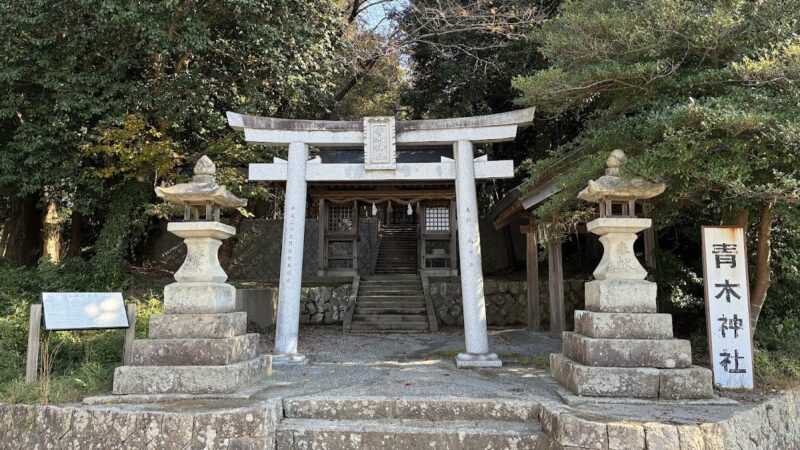
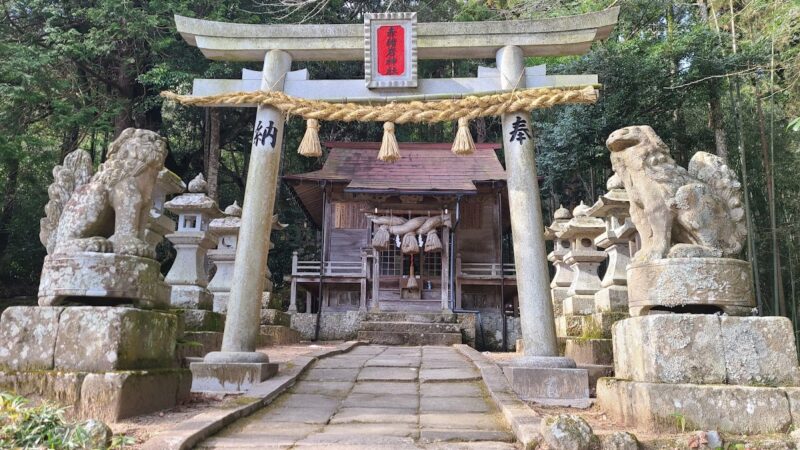
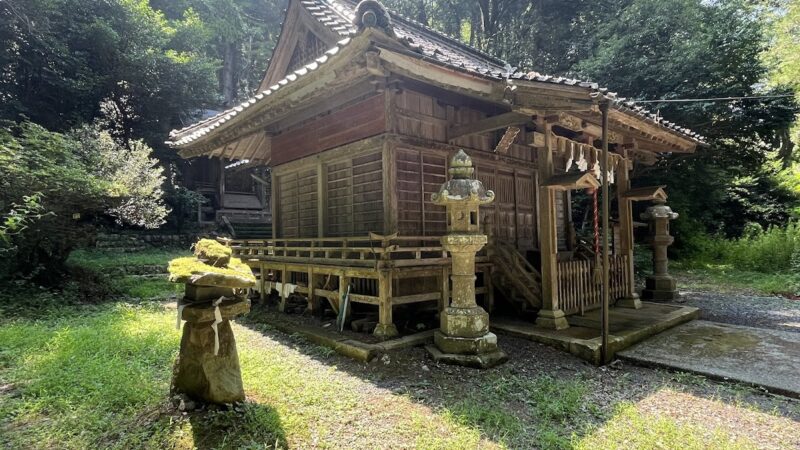
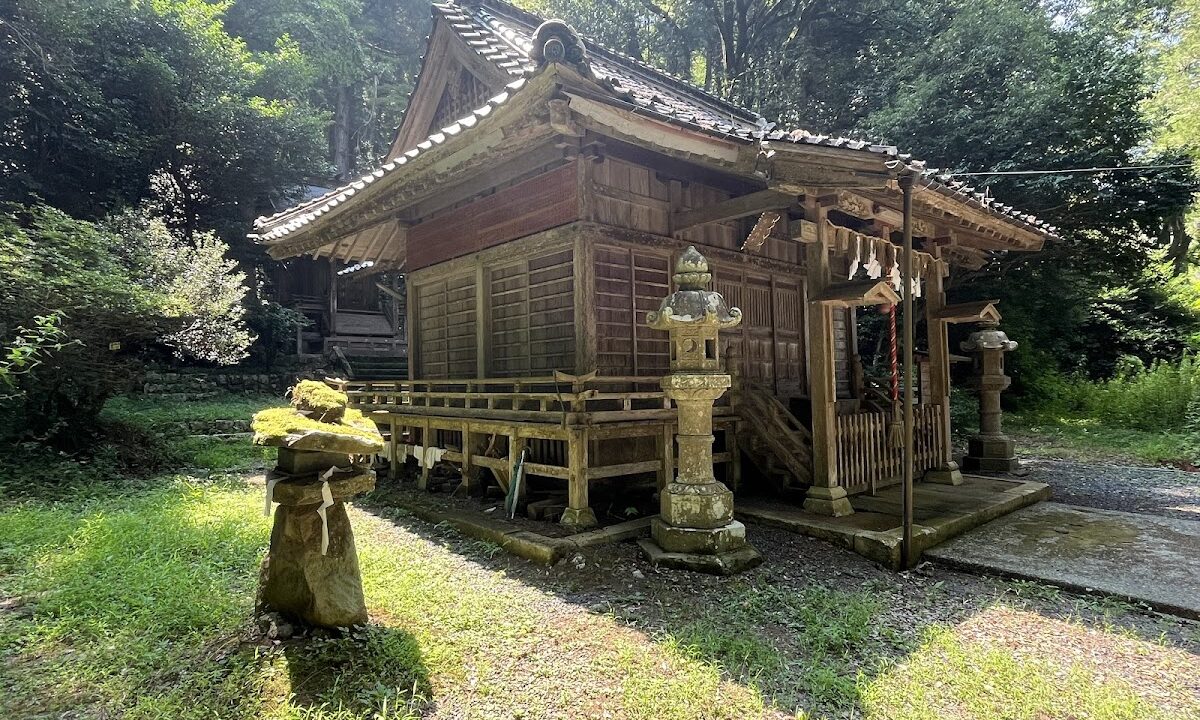
Main Hall and Worship Hall
The main hall of Shiogama Shrine is located at the foot of Omokageyama Mountain and is enveloped in a tranquil atmosphere. The temple grounds are well-maintained, and you can feel the history that has been carefully preserved by the local residents.
In front of the main hall, there is a space for worshippers to offer their prayers with heartfelt devotion, allowing them to worship while experiencing the changing seasons.
Natural Environment of the Temple Grounds
The temple grounds are home to many ancient trees, and the cherry blossoms are particularly beautiful in spring. Although Omokageyama is a low mountain with an elevation of 108 meters, it is blessed with abundant nature, and you can see the city of Tottori from the temple grounds.
It is a place where you can find peace of mind by worshipping in a tranquil environment, and it is popular not only with local residents but also with tourists visiting Tottori City.
Historical Sites and Nature of Omokageyama
One of the Three Mountains of Inaba
Omokageyama, along with Koshikiyama and Imakiyama, is one of the famous mountains of the Inaba region known as the “Three Mountains of Inaba.” Despite its low elevation of 108 meters, this mountain has been an object of worship since ancient times, and many historical sites and legends remain.
The Inaba Three Mountains are located surrounding the site of the Inaba Provincial Government and are an important geographical feature that tells the history of the Inaba region from ancient to medieval times.
Main Historical Sites of Omokageyama
Kyozuka Tateiwa Daigongen and Bishamonten Triad at Shorenji Temple
There is a sutra mound said to have been built by Eshin Sozu (Genshin), and it is worshipped as Tateiwa Daigongen. Furthermore, Shorenji Temple enshrines the Bishamonten Triad, preserving traces of Buddhist culture to this day.
Hoseiji Temple on Kumoyama
Hoseiji Temple, the family temple of the Shimoikeda family who served as chief retainers of the Tottori Domain, is located on Omokageyama. It is an important historical site that shows the fusion of samurai culture and Buddhist faith during the Edo period.
The Legend of Sakuradani and the Mausoleum of Emperor Chokei
Omokageyama Mountain is home to legends concerning Emperor Chokei of the Nanboku-cho period, and Sakuradani is said to be the site of Emperor Chokei’s mausoleum. Regardless of its historical accuracy, it offers a glimpse into the historical romance of the region.
The Legend of Yaobikuni
Omokageyama Mountain also has a legend concerning Yaobikuni, known for her immortality. As one of the many Yaobikuni legends found throughout Japan, it is of great folkloric interest.
The Legend of the Filial Fox, Okojoro
Omokageyama Mountain also has a legend of a filial fox, a folktale deeply rooted in the hearts of the local people.
Omokage Deai-michi (Walking Trail)
Omokageyama Mountain has a well-maintained walking trail called “Omokage Deai-michi,” making it easy for beginner hikers and families to enjoy a stroll. Stairs are provided, allowing for a safe climb to the summit.
Tamon Cedar
Near the entrance to the walking trail stands the Tamon Cedar, over 300 years old. This giant tree is one of Tottori Prefecture’s 100 Famous Trees, and its majestic presence overwhelms visitors. Its trunk circumference reaches several meters, allowing you to feel the vitality nurtured over many years.
View from Omokageyama
From near the summit of Omokageyama, you can enjoy a panoramic view of Tottori city and the Tottori Plain. Especially on clear days, you can see as far as the Sea of Japan and the Tottori Sand Dunes, making it an excellent viewpoint to experience the geography of the Inaba region.
You can enjoy hiking while appreciating the changing seasons: cherry blossoms in spring, fresh greenery in early summer, and autumn leaves in fall.
Access to Shiogama Shrine
Access by Public Transportation
From JR Tottori Station
Take a local bus from JR Tottori Station and get off at the “Omokage” or “Okui” bus stop. It’s about a 5-10 minute walk from there. Since bus service is limited, it’s recommended to check the timetable in advance.
Access by Car
From Tottori City Center
It’s about a 10-15 minute drive from Tottori City center. From National Route 53, head towards the Omokage area and follow the signs.
From the Tottori Expressway
It’s about a 15-minute drive from the Tottori Interchange.
Parking
There is some parking space near the shrine, and a parking lot for hikers of Mt. Omokage is also available. However, space is limited, so it’s recommended to consider using public transportation.
Nearby Facilities
Omokage District Community Center
Near Shiogama Shrine is the Omokage District Community Center, where you can obtain local information. Restrooms are also available.
Inaba Manyo Historical Museum
Located about a 10-minute drive from Omokageyama, the Inaba Manyo Historical Museum features exhibits on the ancient history of the Inaba region and the Manyoshu (Collection of Ten Thousand Leaves). Visiting in conjunction with a visit to Shiogama Shrine will allow you to gain a deeper understanding of the history and culture of the Inaba region.
Etiquette and Manners for Visiting a Shrine
Basic Etiquette for Visiting a Shrine
- Bow before passing through the torii gate: Before entering the sacred area, bow before the torii gate.
- Purify yourself at the water basin: Purify your left hand, then your right hand, then your mouth, and finally your left hand.
- Walk along the edge of the path: The center of the path is considered the path of the gods, so walk along the edge.
- Pray in front of the main hall: Pray using the two bows, two claps, and one bow method.
- Exit quietly: After praying, quietly exit the shrine grounds, and turn around and bow after passing through the torii gate.
Attire and Manners for Visiting a Shrine
When visiting a shrine, please dress in clean clothing. It is advisable to avoid extremely revealing clothing and overly casual footwear such as sandals.
If you plan to stroll along the walking trails of Omokageyama, please prepare comfortable shoes and clothing that allows for easy movement. Don’t forget to take appropriate precautions against the cold and sunburn depending on the season.
Annual Events and Festivals
Shiogama Shrine holds its Spring and Autumn Grand Festivals every year. These are important events where local residents gather to pray for the maintenance of the shrine and the prosperity of the community.
At the Grand Festivals, a celebratory feast (naorai) is held after the Shinto rituals, fulfilling a role as a community event. You can check the festival dates by contacting the Tottori Prefectural Shrine Association or the local Omokage District Community Center.
Relationship between Shiogama Shrine and Miyagi Prefecture Shiogama Shrine
Shiogama Shrine in Tottori City was founded by inviting a divided spirit from Shiogama Shrine (the Ichinomiya of Mutsu Province) located in Shiogama City, Miyagi Prefecture. The main shrine, Shiogama Shrine, has been worshipped as the guardian deity of the Tohoku region since before the Nara period, and has attracted fervent devotion, especially as a god of maritime safety, fishing prosperity, and safe childbirth.
During the Meiji era, amidst industrial development and regional development throughout Japan, the fact that people sought the divine blessings of Shiogama Shrine even in the distant Inaba region demonstrates the depth of faith and desire for a better life of the people at that time.
Even today, the Shiogama Shrine in Tottori City maintains a spiritual connection with the main shrine while fostering unique beliefs and culture of the Inaba region.
Nearby Tourist Attractions
Inaba Provincial Government Ruins
Near Omokageyama lies the ruins of the Inaba Provincial Government, the political and cultural center of the ancient Inaba Province. Archaeological excavations have confirmed remains dating from the Nara to Heian periods, making it an important historical site for understanding the history of the ancient San’in region.
Koshikiyama and Imakiyama
Koshikiyama and Imakiyama, the remaining two mountains of the Inaba Three Mountains, are also popular hiking destinations. There are even courses that allow you to visit all three mountains in one day, offering a fulfilling mountain hike despite their relatively low altitude.
Tottori City Center
Tottori city center is about a 15-minute drive away, providing easy access to cultural facilities such as Tottori Castle Ruins, Jinpukaku, and the Tottori Prefectural Museum. Numerous restaurants serving Tottori’s famous seafood and Tottori beef are also available.
Tottori Sand Dunes
The Tottori Sand Dunes, one of Japan’s largest sand dunes, are about a 30-minute drive from Shiogama Shrine. Visitors can enjoy the magnificent scenery of the dunes and learn about their formation at the Sand Dune Center.
Community Engagement and the Present
Since its founding in the Meiji era, Shiogama Shrine has served as a spiritual center and community hub for the people of the Omokage district. It continues to be carefully preserved by local residents, who regularly conduct cleaning activities and organize festivals.
In today’s society, characterized by a declining birthrate and an aging population, passing on local traditional culture and beliefs to future generations is a crucial issue. Due to its historical value and role in the community, Shiogama Shrine is also attracting attention as a cultural property of Tottori City.
Community activities in cooperation with the Omokage District Community Center and nature conservation activities on Mount Omokage are also being carried out, promoting community development centered around the shrine.
Best Season to Visit
Spring (March-May)
Spring is the season when the cherry blossoms on Mount Omokage are in full bloom. Many visitors come to enjoy the cherry blossoms when they are in full bloom in the shrine grounds and along the walking paths. The fresh greenery is also beautiful, allowing visitors to enjoy worship and hiking in the refreshing air.
Summer (June-August)
Summer is a season of lush greenery and pleasant shade. However, temperatures and humidity are high, so remember to stay hydrated to prevent heatstroke. Visiting in the cooler hours of early morning or evening is recommended.
Autumn (September-November)
Autumn is a beautiful season for autumn foliage, with the entire Omokageyama mountain painted in shades of red and yellow. The weather is mild, making it an ideal time for hiking. The Autumn Grand Festival is also held, allowing you to experience the atmosphere of a local festival.
Winter (December-February)
In winter, the air is clear, and the view from the mountaintop is especially beautiful. While snow may accumulate, it is a relatively easy mountain to hike due to its low elevation, and you can visit in a sacred atmosphere enveloped in silence.
Summary
Shiogama Shrine, located on Omokageyama Mountain in Tottori City, has been cherished by the local people as “Inaba no Michinoku,” having received a divided spirit from a renowned shrine in Miyagi Prefecture. It is revered as a deity of safe childbirth and industrial prosperity, and has served as a spiritual pillar of the region since its founding in the Meiji era.
The rich natural beauty of Omokageyama Mountain, numerous historical sites, and well-maintained walking trails make it an attractive spot for enjoying nature walks alongside worship. As one of the three mountains of Inaba, it is also a place where you can experience the history and culture of the Inaba region, which has continued since ancient times.
When visiting Tottori City, be sure to visit Shiogama Shrine, calm your mind in its tranquil grounds, and experience the nature and history of Omokageyama Mountain. The peaceful time away from the hustle and bustle of the city will refresh your mind and body.
For telephone inquiries or detailed information, please contact the Tottori Prefectural Shrine Association or the Omokage District Community Center. You can also check Tottori City tourist information from the top page.