Inaba Shrine (Tottori City, Tottori Prefecture) Complete Guide | History, Deities, Blessings, and Access Information
Located in Tachikawa-cho, Tottori City, Tottori Prefecture, Inaba Shrine is a historical shrine deeply connected to the origin of the name of Inaba Province. Known for its blessings of abundant harvests and matchmaking, it has been affectionately known to local residents as “Inaho Daimyojin” and “Inaba Ten.” This article provides detailed information you should know before visiting Inaba Shrine, including its history, enshrined deities, blessings, highlights within the grounds, and access methods.
Basic Information about Inaba Shrine
Location: 5-chome, Tachikawa-cho, Tottori City, Tottori Prefecture
Deities Enshrined:
- Ukanomitama-no-kami
- Ōnamuchi-no-mikoto
- Yakamihime-no-mikoto
Annual Festival Date: July 9th
Shrine Rank: Former Village Shrine
Inaba Shrine is located adjacent to the west side of Inabayama Elementary School, nestled in a quiet residential area. The shrine grounds are well-maintained, and it remains a center of local faith, attracting many worshippers.
History and Origins of Inaba Shrine
Origin of Founding and Ancient Legends
The founding date of Inaba Shrine is unknown, but it is a historical shrine that has been called “Inaho Daimyōjin,” “Inaba Daimyōjin,” or “Inaba Ten” since ancient times.
The following record remains in the “Inaba-shi” (History of Inaba):
“Inaho Daimyojin… When Minister Takeuchi descended to this province, he enshrined the banner he used to conquer the Three Kingdoms of Korea here. It is said that because of this, the name of the province, Inaba, was changed to Inaba. It is also said that in the past, anyone appointed as the governor of this province would always first visit and pay their respects at this shrine.”
According to this description, the origin of the shrine is said to be that Takeuchi no Sukune enshrined the banner he used during his conquest of the Three Kingdoms of Korea here. From this story, the tradition remains that the characters for “Inaba” were changed to “Inaba,” indicating that this shrine is deeply connected to the origin of the name of Inaba Province.
Reverence of Successive Provincial Governors
Since ancient times, it has been revered as the guardian deity of Inaba Province, and it is said that successive governors of Inaba Province would always visit and pay their respects at Inaba Shrine upon taking up their post. This indicates that Inaba Shrine was not merely a local shrine, but was positioned as an important shrine responsible for the protection of the entire Inaba Province.
Reconstruction in the Edo Period
In 1847 (Koka 4), the shrine suffered a major disaster when a large typhoon caused the shrine buildings to collapse. However, in June of the same year, Ikeda Yoshiyuki, the lord of the Tottori Domain, made a donation, and the shrine buildings were rebuilt. The fact that the lord himself made the donation shows how important Inaba Shrine was to the Tottori Domain.
This rebuilt shrine building still welcomes visitors as the central structure of Inaba Shrine. It also possesses value as a valuable cultural asset that conveys the architectural style of the late Edo period.
Deities and Benefits
Ukanomitama-no-kami
Ukanomitama-no-kami is a god of grain and food that appears in Japanese mythology. In the Kojiki, he is recorded as the child deity of Susanoo-no-Mikoto and Kami-Oichihime.
Benefits:
- Abundant harvest
- Business prosperity
- Industrial development
- Food safety
Since the time when agriculture was the main industry, he has attracted the faith of people praying for a bountiful harvest. Even today, many worshippers visit to pray for business prosperity and stability in their lives.
Ōnamuchi-no-Mikoto
Ōnamuchi-no-Mikoto is another name for Ōkuninushi-no-Mikoto and is a deity known as the principal deity of Izumo Taisha Shrine. He is famous for his union with Yagami-hime in the myth of the White Rabbit of Inaba.
Benefits:
- Matchmaking
- Marital Harmony
- Family Safety
- Healing from Illness
- National Development
Especially widely worshipped as a god of matchmaking, the number of young people seeking good relationships is increasing.
Yakami-hime no Mikoto
Yakami-hime no Mikoto is a beautiful princess goddess from Yakami District, Inaba Province (present-day eastern Tottori Prefecture), and the goddess who married Ōkuninushi no Mikoto in the myth of the White Rabbit of Inaba. As a goddess deeply connected to the Inaba region, she is particularly beloved by the local people.
Benefits:
- Matchmaking
- Success in Love
- Beauty and Attractiveness
- Protection of Women
By being enshrined together with Ōkuninushi no Mikoto, the benefits of marital harmony and successful relationships are further emphasized.
Highlights of the Shrine Grounds
Main Hall and Worship Hall
Rebuilt in 1847 (Koka 4) through a donation by Ikeda Yoshiyuki, the shrine buildings retain the characteristics of late Edo period shrine architecture. The worship hall is a magnificent wooden structure, welcoming visitors with a solemn atmosphere.
The main hall is located behind the worship hall and maintains a traditional shrine architectural style. Regular maintenance keeps it in good condition, giving it a sense of historical weight.
Subsidiary Shrines and Stone Monuments
Several subsidiary shrines are enshrined within the grounds, each embodying local faith. Stone monuments and memorials telling the history of the shrine are also scattered throughout, illustrating the long history of Inaba Shrine.
Approach and Torii Gate
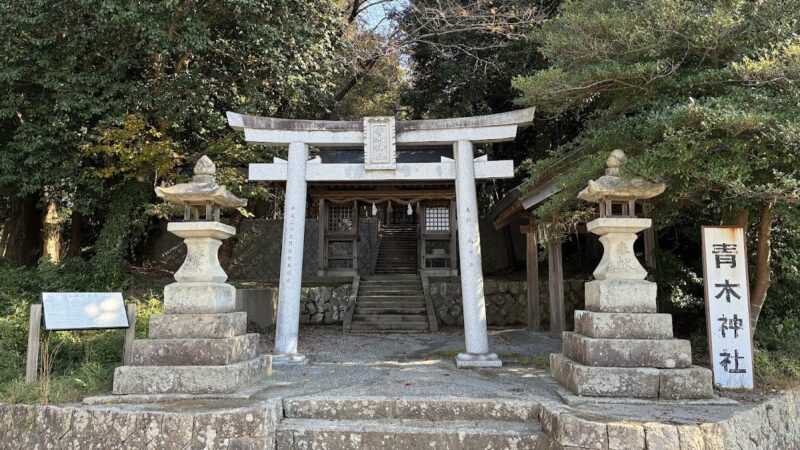
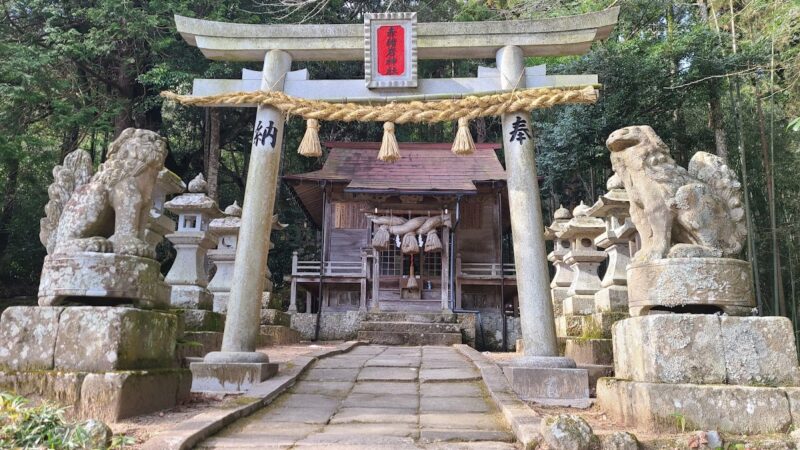
Despite being located in a residential area, passing through the torii gate envelops you in a tranquil atmosphere. The approach is well-maintained, allowing visitors to enjoy the changing seasons while praying.
Annual Events and Festivals
Annual Festival (July 9th)
The most important festival of Inaba Shrine is the annual festival, held every year on July 9th. Local residents gather to express gratitude to the shrine’s deities and pray for a bountiful harvest and the prosperity of the community.
The annual festival involves solemn Shinto rituals and serves as an important opportunity to pass on local traditions to future generations.
Other Annual Events
- New Year’s Visit (January 1st-3rd): Bustling with worshippers praying for happiness in the new year.
- Setsubun Festival (around February 3rd): Prayers for protection from evil and for good fortune.
- Autumn Festival: A festival to express gratitude for the harvest.
Access to Inaba Shrine
Access by Train
From JR Tottori Station:
- Walking: Approximately 28 minutes (approximately 2.2 km)
- Taxi: Approximately 8 minutes
If walking from Tottori Station, proceed through the city center towards Tachikawa-cho. You can enjoy the scenery of Tottori City along the way.
Access by Bus
If using a local bus from Tottori Station, take a bus bound for Tachikawa-cho, get off at the nearest bus stop, and walk for a few minutes. Please check the Tottori City public transportation website for detailed timetables.
Access by Car
From Tottori IC on the Tottori Expressway: Approximately 15 minutes
While there is limited parking space around the shrine, congestion is expected during events such as festivals. We recommend using public transportation.
Address and Map
5-chome, Tachikawa-cho, Tottori City, Tottori Prefecture 680-0061
The shrine is located adjacent to the west side of Inabayama Elementary School; using the school as a landmark will make it easier to find. Since the surrounding area is residential, please be mindful of quietness when visiting.
Nearby Tourist Attractions
Inabayama
Inabayama, the origin of the name of Inaba Shrine, is a gracefully shaped mountain with an elevation of approximately 248m. Located in Kofu-cho, Tottori City, it has long been a beloved symbol of the region.
During the Heian period, Ariwara no Yukihira composed the poem “On an autumn night when the wind blows down from Mount Inaba, cherry blossoms fall like snow” in the Hyakunin Isshu (One Hundred Poets, One Poem Each), which is also known for this poem (although there is a theory that this poem refers to a different mountain).
From the summit, you can enjoy a panoramic view of the Tottori Plain, the Sea of Japan, and the Chugoku Mountains, and in spring, the rows of cherry trees create a beautiful landscape. A hiking trail is maintained from Ube Shrine, making it a popular hiking course.
Ube Shrine
Located at the foot of Mount Inaba, Ube Shrine is a prestigious shrine that has been revered since ancient times as the Ichinomiya (first-ranked shrine) of Inaba Province. It enshrines Takenouchi no Sukune as its main deity and is known for its blessings of longevity and good fortune.
It also has deep historical ties to Inaba Shrine, and many people visit both shrines together.
Sightseeing in Tottori City
From Inaba Shrine, if you head back towards Tottori Station, you’ll find yourself with easy access to Tottori City’s representative tourist spots, such as Tottori Castle Ruins, Jinpukaku, and the Tottori Sand Dunes.
Manners and Points for Visiting a Shrine
Etiquette for Visiting a Shrine
- Bow before passing through the torii gate: As a sign of respect before entering the sacred area.
- Purify yourself at the water basin: Purify your left hand, right hand, and mouth in that order.
- Worship at the main hall: Two bows, two claps, and one bow is the basic form.
- Worship at subsidiary shrines: After visiting the main shrine, also pay your respects at the subsidiary shrines.
- Bow upon leaving: After passing through the torii gate, turn around and bow.
Points to Note When Visiting a Shrine
- The shrine grounds are adjacent to a residential area, so please refrain from loud conversations.
- Photography is permitted, but please be considerate of other worshippers.
- During festivals and other events, please respect the local community’s customs.
- Always take your trash with you and keep the shrine grounds clean.
Inaba Shrine and the History of Inaba Province
The Origin of the Place Name “Inaba”
The legend recorded in the history of Inaba Shrine, stating that “the characters for ‘Inaba’ were changed to ‘Inaba’,” is an interesting story related to the origin of the place name Inaba Province.
“Inaba” literally means rice leaves, a word symbolizing rice cultivation. In this region, where rice cultivation flourished since ancient times, it is believed that the spelling “Inaba” became established, linked to the mythical event of Takenouchi no Sukune surrendering the banner for the conquest of the Three Kingdoms of Korea.
The Legend of Takenouchi no Sukune and the Conquest of the Three Kingdoms
Takenouchi no Sukune is a legendary figure appearing in Japanese mythology and ancient history, a loyal retainer said to have served five emperors from Emperor Keiko to Emperor Nintoku. There is a legend that he lived for over 300 years, and he is worshipped throughout Japan as a symbol of longevity.
The Conquest of the Three Kingdoms refers to Empress Jingu’s expedition to the Korean Peninsula, and Takenouchi no Sukune is said to have accompanied this expedition. According to the legends of Inaba Shrine, the shrine’s origin lies in the enshrinement of the banner used in this conquest, demonstrating the deep connection between the Inaba region and the Yamato court.
Inaba Shrine: Present and Future
As a Center of the Local Community
Even today, Inaba Shrine functions as a spiritual anchor for the residents of Tachikawa Town and surrounding areas. Annual events, including the festival, provide important opportunities to deepen community bonds.
Children from the neighboring Inabayama Elementary School also visit the shrine as part of their local studies, utilizing it as a place to learn about local history and traditions.
Value as a Cultural Asset
The shrine building, rebuilt at the end of the Edo period, is a valuable cultural asset that conveys the architectural techniques and forms of faith of that time. Appropriate preservation and management are required to pass on this historical heritage to future generations.
Potential as a Tourism Resource
While tourism in Tottori City is centered around the Tottori Sand Dunes, historical shrines like Inaba Shrine are also important tourism resources. As a shrine connected to the origin of the name of Inaba Province, it has the potential to be an attractive spot for tourists interested in history and mythology.
Summary
Inaba Shrine is a historical and traditional shrine located in Tachikawa-cho, Tottori City, Tottori Prefecture. Revered since ancient times as “Inaho Daimyojin” and “Inaba Ten,” it has been positioned as an important shrine deeply connected to the origin of the place name Inaba Province.
The enshrined deities, Inakuradama-no-kami, Onamuchi-no-mikoto, and Yagami-hime-no-mikoto, are revered as gods who bring blessings of abundant harvests and matchmaking, and continue to attract many worshippers. The shrine building, rebuilt in 1847 through a donation from Ikeda Yoshiyuki, the lord of the Tottori domain, is a valuable cultural asset that preserves Edo period shrine architecture.
Located approximately 28 minutes on foot from JR Tottori Station, adjacent to the west side of Inabayama Elementary School, it maintains a solemn atmosphere amidst a quiet residential area. The surrounding area also boasts tourist attractions such as Mount Inaba and Ube Shrine, making it well worth visiting as part of a Tottori sightseeing trip.
If you wish to experience the history and culture of Inaba and pray for a bountiful harvest or a successful marriage, we highly recommend visiting Inaba Shrine. Spending time in quiet prayer at this place of worship, passed down through generations, will be a precious experience that allows you to forget the hustle and bustle of modern life.