Washimine Shrine (Tottori Prefecture) Complete Guide | The Charm of Adorable Komainu and a Historic Shrine
Washimine Shrine, located in Shikano-cho, Tottori City, Tottori Prefecture, is known as a historic shrine with a history dating back to the age of the gods. The adorable komainu (guardian lion-dogs) crafted by Kawaroku, a stonemason from Aoya, are a must-see and are beloved by visitors as a source of comfort. This article provides a detailed introduction to Washimine Shrine, including its history, highlights, and access information.
What is Washimine Shrine?
Washimine Shrine is a historic shrine located at 1061 Washimine, Shikano-cho, Tottori City, Tottori Prefecture. It enshrines Ōnamuchi-no-mikoto, also known as Yachihoko-no-kami, as its main deity. Situated at the foot of Mt. Washimine, it has long been a center of local faith.
The current shrine building was rebuilt in 1612 during the early Edo period by Kamei Masanori, the lord of Kano Castle, and boasts a history of over 400 years. Stone structures from the late Edo period remain on the grounds, and the shrine, with its high historical value, attracts worshippers from both within and outside Tottori Prefecture.
The Origins and History of Washimine Shrine
Legends from the Age of the Gods
According to the “Inaba-shi” (History of Inaba), the origins of Washimine Shrine date back to the age of the gods. There is a legend that Yachihoko-no-kami (Ōkuninushi-no-Mikoto) descended to this mountain riding on the Ame-no-Haguruma-Ōwashi (Heavenly Swinging Eagle) in search of a wife and concubine. Because of this connection, the mountain was named “Washimine” (Washimine), and it is said that a shrine dedicated to Ōkuninushi-no-Mikoto was founded.
Ōkuninushi-no-Mikoto is a central deity in Izumo mythology and is widely worshipped as the god of nation-building and matchmaking. Washimine Shrine has been revered since ancient times as a sacred place where this great god descended. ### Changes in the Shrine Buildings
The Washimine Shrine’s buildings have a history of moving locations over time.
- At the time of founding: Located on the summit of Washimine Mountain
- 809 (Daido 4): The first shrine building was constructed at Okanmuri-dake
- 1317 (Bunpo 1): The shrine building was moved to Nakaozaki at the foot of the mountain
- 1572 (Genki 3): The shrine building was rebuilt by the Mori clan
- 1612 (Keicho 17): Kamei Masanori, lord of Kano Castle, rebuilt the shrine building at its current location
The reasons for moving from the mountaintop to the foot of the mountain are thought to be to improve the convenience of worship and to address the maintenance and management of the shrine buildings. In particular, the 1612 rebuilding was a full-scale development by the lord of the Kano domain and forms the basis of the current shrine building layout.
Changes in the Shrine’s Name
Washimine Shrine has undergone changes in its name throughout its long history. Originally known as “Shikanu Shrine Washimine Daimyojin,” in May 1869 (Meiji 2), the name Shikanu Shrine was abolished by official order, and the shrine was renamed “Washimine Shrine.”
This name change was part of the Meiji government’s reform of the shrine system, a period when shrine consolidation and reorganization were progressing nationwide.
Must-See Komainu (Guardian Lion-Dogs) by the Extraordinary Stone Sculptor “Kawaroku”
About Kawaroku
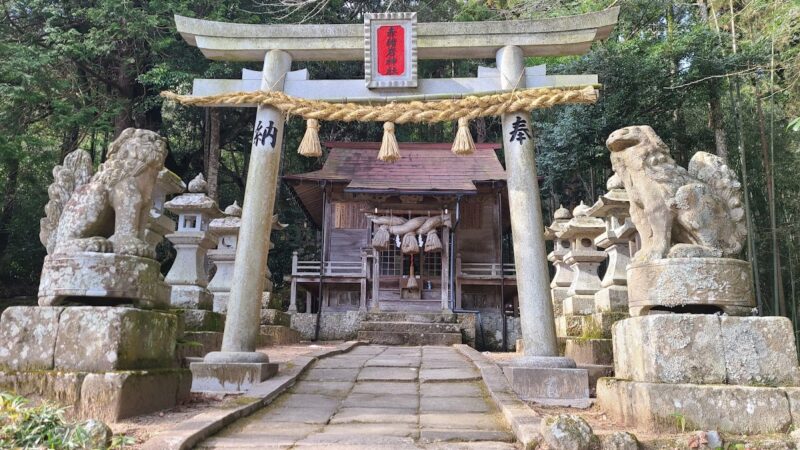
One of the biggest highlights of Washimine Shrine is the pair of guardian lion-dogs (komainu) enshrined on the shrine grounds. These guardian lion-dogs (komainu) were created by Kitagawara Jukawaroku, also known as Ozaki Rokurobei, a stonemason from Aotani, in the first year of the Man’en era (1860) during the late Edo period.
Jukawaroku was a stonemason who was active in the late Edo period, leaving behind numerous stone sculptures mainly in the Inaba region (present-day eastern Tottori Prefecture). His works are known not only for their high level of technical perfection but also for their unique expressiveness and artistry, and he is still highly regarded today as a “rare stone sculptor.”
Characteristics of the Adorable Guardian Lion-Dogs
The guardian lion-dogs at Washimine Shrine possess a unique charm that differs from the typical image of guardian lion-dogs.
Morphological Characteristics:
- Modeled after the Japanese Chin, a native Japanese breed of pet dog.
- Rounded, plump body shape.
- Short legs and adorable face.
- Meticulously carved fur details.
While traditional guardian lion-dogs express dignity and strength, Kawaroku’s guardian lion-dogs are characterized by their approachable and endearing style. Visitors are said to smile and feel soothed by their adorable expressions.
Guardian lion-dogs modeled after the Japanese Chin are rare nationwide, and these masterpieces, showcasing Kawaroku’s creativity and technical skill, are highly valued as cultural assets.
Points to Appreciate the Guardian Lion-Dogs
When you visit Washimine Shrine, be sure to take a close look at the guardian lion-dogs.
- Front View: A gentle, smiling, and serene face.
- Side View: A well-balanced combination of a plump body and short legs.
- Detailed Sculpture: The meticulous craftsmanship extends to the finest details, such as the fur and claws.
- Difference in Expressions: As a pair representing A and Un, each statue displays a different expression.
Photography is permitted, so we recommend capturing the charm of the guardian lions from various angles.
Washimine Shrine Grounds and Highlights
Zuishinmon Gate
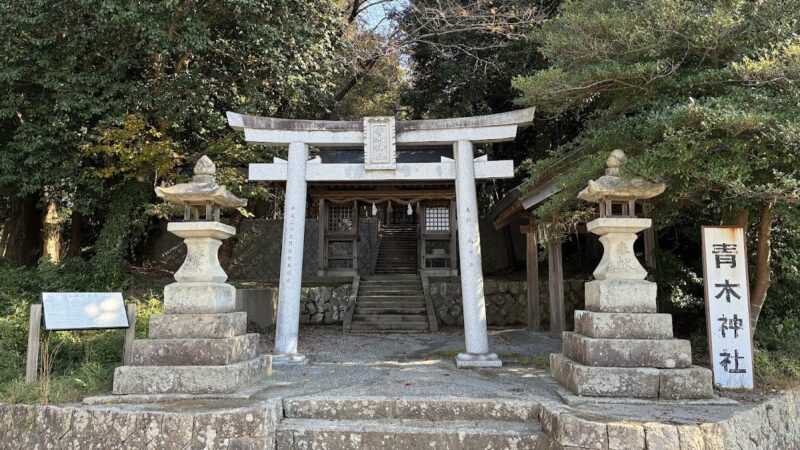
The first thing you see as you proceed along the approach is the Zuishinmon Gate. It’s a relatively recently rebuilt structure, and a pleasant woody scent fills the air as you approach. On either side of the gate are guardian deities (Zuishin), serving as the entrance to the sacred area.
Passing through the Zuishinmon Gate leads you into the shrine grounds, enveloped in a sacred atmosphere.
Water Basin
After passing through the Zuishinmon Gate, you’ll find a water basin for purifying yourself before worship. The purification fountain at Washimine Shrine is kept spotlessly clean, with beautiful spring water flowing from it.
As a matter of proper etiquette for worship, please purify your hands and mouth at the purification fountain before proceeding to the main shrine.
Main Shrine and Worship Hall
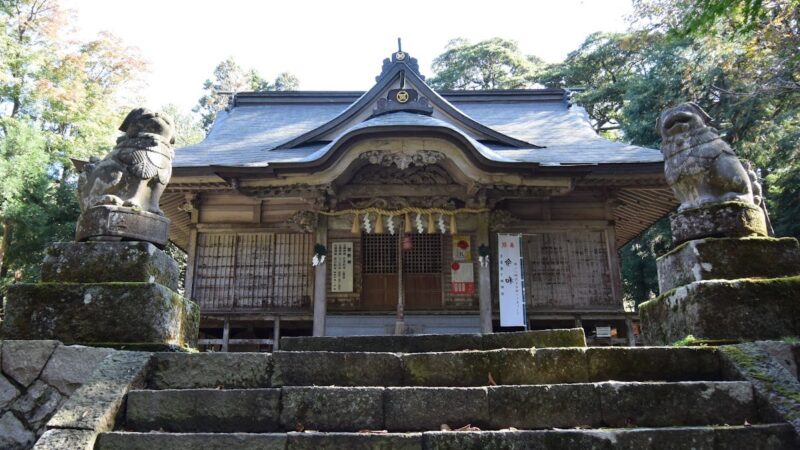
Rebuilt in 1612 by Kamei Masanori, the shrine buildings are valuable structures that preserve the architectural style of the early Edo period. Standing before the worship hall, you can feel the solemn atmosphere emanating from over 400 years of history.
The main shrine enshrines the principal deity, Ōkuninushi-no-Mikoto, and is believed to bring blessings for matchmaking, family safety, and business prosperity.
Nature of the Shrine Grounds
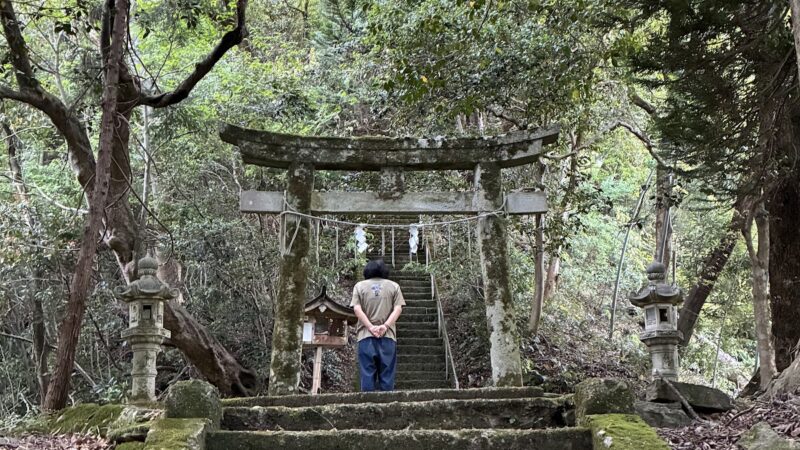
Washimine Shrine grounds are surrounded by abundant nature. Especially in autumn, the maple trees along the approach to the shrine and within the grounds turn a beautiful crimson, delighting visitors.
The shrine grounds, which show different expressions in each season, are a fascinating space where you can discover something new no matter how many times you visit.
Goshuin (Shrine Seal) Information
About the Issuance of Goshuin
Washimine Shrine offers goshuin. While the shrine office may be unattended, pre-written goshuin may be available inside the entrance.
Features of the Goshuin:
- Ink calligraphy of “Washimine Shrine”
- Shrine seal
- Simple yet powerful calligraphy
When receiving a goshuin, please remember to pay the offering fee. Generally, it is around 300 to 500 yen.
About Goshuincho (Goshuin Stamp Book)
We recommend checking with Washimine Shrine upon your visit regarding the availability of their original goshuincho. Please consider visiting as part of a goshuin pilgrimage to shrines in Tottori Prefecture.
The Legend of Washimine Shrine and Mt. Daisen
Washimine Shrine has an interesting legend concerning a conflict with Mt. Daisen, known as a sacred mountain.
The *Inaba-shi* (History of Inaba Province) records stories of a rivalry between Mt. Washimine and Mt. Daisen for divine power, as well as legends surrounding Mt. Tateyama. These traditions are believed to reflect the state of mountain worship in ancient times and the power dynamics between regions.
Mt. Daisen was a sacred mountain in Hoki Province (present-day western Tottori Prefecture), and Mt. Washimine was a sacred mountain in Inaba Province (present-day eastern Tottori Prefecture), both revered in their respective regions. The legends of their “rivalry” are not merely myths, but valuable historical documents that tell the story of regional identity and the history of faith.
Nearby Tourist Attractions
Mouke Shrine (Mōke Jinja)
Located relatively close to Washimine Shrine is Mouke Shrine, known as the “Mouke Shrine” (meaning “successful business”), which is believed to bring good fortune in business and wealth, attracting many worshippers from within and outside the prefecture.
Visiting both Washimine Shrine and Mouke Shrine will enhance your shrine pilgrimage. ### Kano Castle Ruins
The ruins of Kano Castle, where Kamei Masanori, who rebuilt the Washimine Shrine, served as lord, are one of the highlights. Currently, the site is maintained as Kano Castle Ruins Park and is known as a famous cherry blossom viewing spot.
Kano Hot Springs
Kano Town also has hot spring facilities, allowing visitors to relax and unwind in the hot springs after visiting the shrine. It’s a popular tourist route where you can enjoy the region’s history and nature.
Basic Information
Location and Contact Information
Address: 1061 Washimine, Shikano-cho, Tottori City, Tottori Prefecture 689-0405
Phone Number: Please contact the Tottori Prefectural Shrine Association or the Tottori City Tourism Association.
Visiting Hours
Visiting Hours: Open 24 hours
Shrine Office: May be unattended
The shrine grounds are always open, but if you wish to receive a Goshuin (shrine stamp) or have prayers performed at the shrine office, it is recommended to contact them in advance.
Admission Fee and Parking
Admission Fee: Free
Parking: Available (Free)
Parking spaces for visitors are available near the shrine grounds. However, spaces are limited, so please be considerate of others during busy times.
Access Information
Access by Public Transportation
Nearest Station: JR San’in Main Line, Hamamura Station
Approximately 15 minutes by car from Hamamura Station. You will need to take a bus or taxi from the station, but since the number of services is limited, we recommend checking the timetable in advance.
Access by Car
From central Tottori City: Approximately 30 minutes
From Tottori IC on the Tottori Expressway: Approximately 40 minutes
Access is via National Route 9 and then a prefectural road. Entering “Washimine Shrine” or the address into your car navigation system will guide you to the correct route.
Map
Washimine Shrine is located at the innermost part of the Shikano-cho settlement. Since the surrounding area is mountainous, we recommend using a map app or car navigation system for first-time visitors.
Searching for “Washimine Shrine Tottori” on Google Maps will provide accurate location information and route guidance.
Manners and Precautions for Visiting a Shrine
Proper Way to Visit a Shrine
- When passing through the torii gate: Bow before entering the shrine grounds.
- How to walk along the approach to the shrine: Walk along the sides, as the center is considered the path of the gods.
- How to purify yourself at the water basin:
- Hold the ladle in your right hand and purify your left hand.
- Switch the ladle to your left hand and purify your right hand.
- Switch the ladle back to your right hand, receive water in your left hand, and rinse your mouth.
- Finally, stand the ladle upright and purify the handle.
- Worship at the main hall: Bow twice, clap twice, and bow once.
Regarding Photography
Photography is generally permitted on the shrine grounds, but please note the following:
- Refrain from taking photos inside the main hall.
- Be considerate of other worshippers.
- Avoid using tripods during crowded times.
- When posting on social media, be mindful of location information.
Attire
While there are no specific dress code requirements, please be mindful of the sacred nature of the place and dress cleanly and respectfully. As the shrine is located in a mountainous area, appropriate cold weather protection and insect repellent are necessary depending on the season.
Best Season to Visit Washimine Shrine
Spring (March-May)
This is the season of fresh greenery; the trees in the shrine grounds are budding, and the air is refreshing. The pleasant weather makes it ideal for visiting.
Summer (June-August)
The lush green grounds create a cool and refreshing atmosphere. However, this is also a season with many insects, so don’t forget insect repellent.
Autumn (September-November)
This is the most recommended season. The maple trees along the approach to the shrine and within the grounds turn beautiful autumn colors, offering a spectacular view. The best time to see the autumn leaves is usually from early to mid-November.
Winter (December to February)
While the shrine amidst a snowy landscape has its own charm, caution is necessary due to icy roads. Check the weather and road conditions before visiting during the winter months.
Benefits of Washimine Shrine
The main deity, Ōkuninushi-no-Mikoto (Ōnamuchi-no-Mikoto), is worshipped as a god who brings various blessings.
Main Blessings:
- Matchmaking: Fulfillment of love, prayer for good relationships
- Family Safety: Health and happiness of the family
- Business Prosperity: Success in business, business prosperity
- Abundant Harvest: Abundant agricultural harvests
- Healing from Illness: Recovery of health
- Protection from Evil: Protection from disaster
The shrine is particularly famous for its blessings in matchmaking, attracting many couples and those seeking good relationships.
Annual Events
Washimine Shrine holds various Shinto rituals throughout the year. For details on major events, please contact the Tottori Prefectural Shrine Association or the local tourism association.
Major Annual Events (Examples of Typical Shrines):
- New Year’s Day Festival (January 1st): A festival celebrating the New Year
- Spring Grand Festival: A prayer for a bountiful spring harvest
- Summer Purification Ceremony (June 30th): A Shinto ritual to purify oneself of the impurities accumulated over the past six months
- Autumn Grand Festival: A harvest thanksgiving festival for autumn
- Year-End Purification Ceremony (December 31st): A Shinto ritual to purify oneself of the impurities accumulated over the past year
During festivals, local people gather, and traditional Shinto rituals are performed.
Cultural Value of Washimine Shrine
Washimine Shrine is a shrine of high historical and cultural value.
Architectural Value
The shrine building, rebuilt in 1612, is a valuable structure that conveys the characteristics of early Edo period shrine architecture. The shrine buildings, maintained for over 400 years, speak to the deep faith of the local people.
Value as a Stone Artifact
The guardian lion-dogs (komainu) created by Kawaroku are recognized as a masterpiece showcasing the stone carving techniques and artistry of the late Edo period, and possess cultural value. They are one of the representative works of the stonemasonry culture of the Inaba region.
Folkloric Value
They also have value as valuable historical materials that convey local folk beliefs and myths, such as legends from the age of the gods and legends of conflicts with Mount Oyama.
Summary
Washimine Shrine is a historic shrine with a history dating back to the age of the gods, and its adorable guardian lion-dogs, created by Kawaroku, a stonemason from Aotani, are a charming spot that soothes visitors.
Highlights of Washimine Shrine:
- Deep History: A history spanning over 1200 years and traditions dating back to the age of the gods.
- Kawaroku Komainu (Guardian Dogs): Masterpiece stone sculptures with adorable expressions.
- Beautiful Grounds: Natural beauty throughout the seasons, especially the autumn foliage.
- Peaceful Environment: A tranquil setting for worship in the mountains.
- Easy Access: Approximately 30 minutes from central Tottori City.
When visiting Tottori Prefecture, be sure to visit Washimine Shrine. You’ll find peace of mind amidst the solemn atmosphere of this historic shrine and the charm of the Kawaroku Komainu. Combining a visit with nearby Mōke Shrine and Shikano Onsen (hot springs) will enhance your Tottori sightseeing experience.
Washimine Shrine is a place where you can connect with Japan’s spiritual culture, which has continued since the age of the gods, and find the peace of mind we need in modern times.