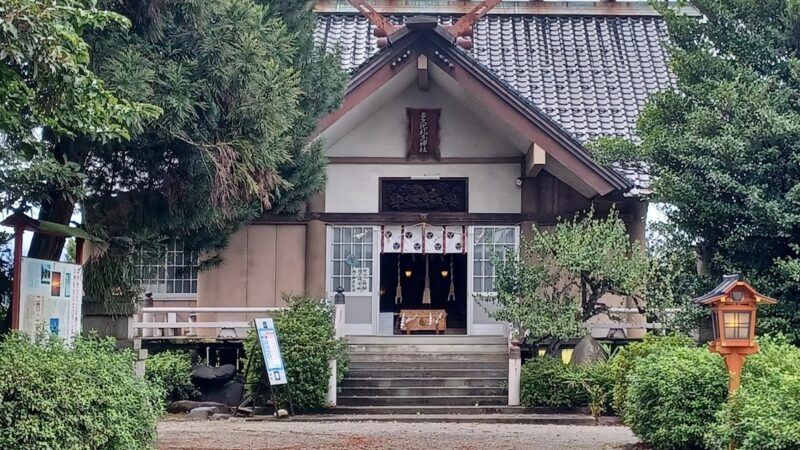
Complete Guide to Takuhireshi Shrine (Toyama Prefecture): History of Shionomiya, Goshuin (Shrine Seal), and Access Information
Takuhireshi Shrine, located in Shio, Toyama City, Toyama Prefecture, is an ancient shrine affectionately known as “Shionomiya” (Salt Shrine). Deeply connected to ancient salt production traditions, this shrine is listed in the Engishiki Jinmyocho (a list of shrines compiled in the Heian period) and is known as one of Toyama Prefecture’s most representative historical shrines. This article provides a detailed introduction to Takuhireshi Shrine, from its founding history and enshrined deities to its highlights, goshuin information, and access methods.
History and Founding Legend of Takuhireshi Shrine
Founding Story in the First Year of the Hakuhō Era
According to shrine tradition, Takuhireshi Shrine was founded in the first year of the Hakuhō era (672 AD). During the reign of Emperor Tenmu, a man named Hayashi no Sukune Mikaki was traveling up the Jinzu River by boat when a white-haired old man suddenly appeared. It is said that this old man told him, “There is a spring near the pine trees on the riverbank, and its water is saltwater.”
Following the old man’s words, Hayashi no Sukune Mikaki found the spring and boiled the water, and indeed, salt was produced. Realizing that the white-haired old man was an incarnation of the Kunitama-no-kami (national spirit god) and that this was a divine oracle telling him to “develop this land,” Hayashi no Sukune Mikaki built a shrine to enshrine this god, which is considered the beginning of Takuhireshi Shrine.
Ancient Salt Production and the Origin of Place Names
The place name “Shio” (salt) still remains in the former Osawano town of Toyama City. This name originates from the fact that salt was produced in this area in ancient times. The fact that salt was produced in an inland area far from the sea is a fascinating historical fact when considering ancient logistics and industries.
The discovery of salt springs led to the development of this region as a salt-producing area, giving rise to the place name “Shio” (salt). The legend that Hayashi Mikaki, guided by Shiotsuchi no Oji, discovered the salt springs and used them to produce salt demonstrates the close connection between the region’s industrial history and Shinto shrine worship.
Positioning as a Shikinaisha (Shrine Listed in the Engishiki)
Takuhireshi Shrine is one of the Shikinaisha (shrines listed in the Engishiki) in Etchu Province. During the Meiji era, it was identified as the Shikinaisha Takuhireshi Shrine and its name was changed to its current name. However, there are several other shrines that are considered candidates for the Shikinaisha Takuhireshi Shrine, leaving room for historical debate.
Its former shrine rank was Gosha (village shrine), and it has long been revered as an important center of local faith. Located in Shio, Toyama City, Toyama Prefecture, our shrine is a valuable cultural heritage site that conveys a history of faith that has continued since ancient times.
Deities and Divine Virtues
Main Deities
The main deities of Takuhireshi Shrine are the following three:
Hikohodemi-no-Mikoto
A mythological figure known as Yamasachihiko, famous for the legend of his visit to the sea god’s palace. He is worshipped as the god of agriculture, fishing, and maritime safety.
Toyotamahime-no-Mikoto
The consort of Hikohodemi-no-Mikoto and known as the daughter of the sea god. She is revered as the goddess who brings safe childbirth, child-rearing, and the blessings of the sea.
Shiotsuchi-no-Oji-no-Kami
The white-haired old man who appears in the founding legend is believed to be this god. He is worshipped as the guardian deity of salt production, navigation, and fishing, as well as the god of wisdom and guidance.
Divine Virtues
The divine virtues of Takuhireshi Shrine are diverse:
- Industrial Development: Derived from ancient salt production, it is believed to bestow blessings of prosperity in industry and business.
- Maritime Safety and Navigation: Through the divine virtues of Shiotsuchi-no-Okina-no-Kami, it is believed to ensure the safety of ships and protect fishing.
- Safe Childbirth and Child-Rearing: Through the divine virtues of Toyotama-hime-no-Mikoto, it is believed to grant blessings for fertility, safe childbirth, and child-rearing.
- Good Fortune and Prosperity: From the divine oracle of regional development by the incarnation of Kunidama-no-Kami, it provides guidance in new ventures and life-changing moments.
- Granting of Wisdom: From the legend of the old man who revealed the location of the salt spring, it is believed to improve wisdom and learning.
Highlights of the Shrine Grounds
Shrine Buildings and Architecture
The shrine buildings of Takuhireshi Shrine exude a sacred atmosphere surrounded by a quiet forest. Visitors pass through the torii gate and proceed along the approach to reach the solemn main hall. One of the unique features of our shrine is that you can approach the main sanctuary, close to the deity, to receive prayers.
The shrine is surrounded by abundant nature, allowing you to enjoy the beauty of each season. The beauty of the grounds is particularly striking during the seasons of fresh greenery and autumn leaves.
Sacred Horse Statue and Torii Gate
A magnificent statue of a sacred horse is enshrined on the grounds, welcoming visitors. Sacred horses have been considered important since ancient times as the sacred messengers of the shrine. The torii gate serves as the entrance to the sacred area, purifying the hearts of worshippers.
Water Basin and Wind Chimes
At the water basin, you can purify your body and mind before praying. Depending on the season, wind chimes are displayed, and when the wind blows, their refreshing sound resonates throughout the grounds. The sound of these wind chimes soothes the hearts of visitors and further enhances the sacred atmosphere.
Relationship with the Jinzu River
Takubi Reishi Shrine is located on the banks of the Jinzu River, and its founding legend is deeply intertwined with the river. Every year, the shrine holds a Shinto ritual called “Kawahara Oharai” (Great Purification Ceremony at the Riverbank) on the nearby Jinzu River, continuing the tradition of expressing gratitude to nature.
This ritual demonstrates the deep connection between the shrine and nature, especially water, and is a valuable event that conveys a form of faith that has continued since ancient times.
Goshuin (Shrine Seal) Information
About the Issuance of Goshuin
Goshuin are available at Takubi Reishi Shrine. Goshuin are popular among many visitors as proof of their visit to the shrine and as a memento of their trip.
When requesting a goshuin, it is customary to first pay your respects at the main hall before requesting one at the shrine office. You can bring your own goshuin book or receive a pre-printed goshuin.
Features of the Goshuin (Shrine Seal)
The Goshuin of Takuhireishi Shrine features the shrine’s name and date of visit written in ink, along with the shrine’s seal. Its simple yet dignified design reflects the prestige of a Shikinaisha (a shrine listed in the Engishiki, an ancient Japanese legal code).
Annual Events and Festivals
Main Festivals
Takuhireishi Shrine holds various festivals throughout the year:
Annual Grand Festival
This is the most important festival of the year, where local people gather to pray for the prosperity of the shrine and the peace of the community.
Kawahara Daioharae (Great Purification Ceremony at the Riverbank of the Jinzu River)
This special Shinto ritual takes place on the riverbank of the Jinzu River, expressing gratitude to nature and purifying oneself of impurities. This ritual is an important event demonstrating the deep connection between the shrine and the Jinzu River.
Hatsumode (First Shrine Visit of the New Year)
Many worshippers visit the shrine in the New Year to pray for safety and prosperity throughout the year.
Individual Prayers
Takubi Reishi Shrine also accepts individual prayers. A key feature is that you can receive prayers at your own pace without worrying about others. You can approach the main shrine and offer a sacred branch (tamagushi) and pray.
We offer prayers for various occasions, including safe childbirth, first shrine visit for a newborn, Shichi-Go-San (children’s festival), protection from evil, and business prosperity.
Access Information
Basic Information
Location
690 Shio, Toyama City, Toyama Prefecture 939-2184
Nearest Station
Higashi-Yao Station, JR Takayama Line
Access by Public Transportation
The nearest station is Higashi-Yao Station on the JR Takayama Line, but since it’s a distance from the station to the shrine, we recommend taking a taxi. Alternatively, you can take a bus from Toyama Station.
From the central area of Toyama City, you can take a local bus towards Osawano and walk from the nearest bus stop.
Access by Car
From Central Toyama City
Take National Route 41 south towards Osawano for approximately 20 minutes.
From the Hokuriku Expressway
Approximately 25 minutes from the Toyama Interchange via National Route 41.
Parking
The shrine has a parking lot for visitors, making it convenient to access by car.
Nearby Tourist Attractions
Other Shikinaisha Shrines in Toyama City
When visiting Takuhireishi Shrine, why not also visit other Shikinaisha shrines in Toyama City?
Usaka Shrine
An ancient shrine listed in the Engishiki Jinmyocho (a list of shrines compiled in the Heian period), and one of Toyama City’s representative shrines.
Obota Shrine
Known as a Shikinaisha shrine in Toyama City, it attracts local devotion.
Hie Shrine
A shrine revered as the guardian shrine of Toyama City.
Hayahoshi Shrine
It has been worshipped as a local guardian deity since ancient times.
Nature of the Jinzu River
The Jinzu River flows around the shrine, offering a chance to enjoy abundant nature. A stroll along the river is especially recommended during the fresh greenery of spring and the vibrant autumn foliage.
Historical Walks in the Osawano Area
The former Osawano town area retains old streetscapes and historical buildings. When visiting Takuhireishi Shrine, you can also enjoy exploring the surrounding historical area.
Manners and Points for Visiting a Shrine
Basic Worship Etiquette
- Bow Before Passing Through the Torii Gate: Before entering the sacred area, compose yourself and bow.
- Walk Along the Edge of the Path: The center of the path is considered the path of the gods.
- Purify at the Water Basin: Purify your hands and mouth before praying.
- Two Bows, Two Claps, One Bow: In front of the main shrine, bow twice, clap twice, and finally bow once.
Photography
Photography is generally permitted on the shrine grounds, but it may be restricted inside the main shrine or during religious ceremonies. Please check before taking photos or follow the instructions on the signs.
A Quiet Environment for Worship
Takuhireishi Shrine is located in a relatively quiet environment, making it an attractive place for a peaceful visit. You can escape the hustle and bustle of the city and have time to quietly connect with the gods.
About the Name of Takuhireshi Shrine
Meaning of “Takuhireshi”
There are several theories regarding the origin of the shrine’s name, “Takuhireshi.” One theory suggests a connection to “takununo,” indicating a possible link to ancient textiles and fabrics.
Takukununo was a fabric made from the bark of trees such as paper mulberry (kozo), and in ancient times, it was a high-quality fabric used in Shinto rituals and for the clothing of nobles. Research is being conducted on the possibility that takununo was produced in this region, and that the shrine’s rituals were related to fabric.
The Issue of Which Shrine is the Shikinaisha (Shrine Listed in the Engishiki)
Regarding the “Takuhireshi Shrine” listed in the Engishiki Jinmyocho (a list of shrines compiled in the Heian period), there are other candidate shrines besides the current shrine in Shio, Toyama City. Identifying ancient shrines is not always definitive due to changes in place names, shrine names, and differing traditions.
However, Takuhireishi Shrine in Shio, Toyama City, is considered the most likely candidate due to its location, traditions, and history of local faith.
Position in Toyama Prefecture’s Shrine Culture
Shikinaisha Shrine of Etchu Province
Takuhireishi Shrine, as one of the Shikinaisha shrines of Etchu Province (present-day Toyama Prefecture), occupies an important position in Toyama Prefecture’s shrine culture. Shrines listed in the Engishiki Jinmyocho (a list of shrines compiled in the Heian period) indicate that they were already recognized by the imperial court and held a high status.
There are several other Shikinaisha shrines in Toyama Prefecture, including Usaka Shrine, Obota Shrine, and Shiratori Shrine, and these shrines are indispensable for understanding the history and culture of Toyama Prefecture.
Center of Local Faith
Takuhireishi Shrine has gathered the faith of local people as a local shrine. Its founding tradition, deeply connected to the local industry of salt production, indicates that the shrine functioned not merely as a religious facility, but as the center of the local community.
Even today, shrines play a role in strengthening community ties through local festivals and annual events.
Attractiveness as a Power Spot
Mysterious Founding Legend
The founding legend, in which a white-haired old man (an incarnation of the Kunidama-no-kami) appeared and revealed the location of the salt spring, is highly mystical and captivates the hearts of many worshippers. This story can be said to symbolize the Japanese faith culture that believes in unseen forces and divine guidance.
Harmony with Nature
Nestled on the banks of the Jinzu River and surrounded by abundant nature, Takuhireishi Shrine is attracting attention as a power spot where one can feel the energy of nature. In particular, the Great Purification ritual held on the riverbank has deep meaning as a ceremony that embodies the harmony between nature, humanity, and the gods.
Prayer in Silence
The fact that one can worship in a quiet environment with few people is also one of the attractions of Takuhireishi Shrine. Away from the hustle and bustle of the city, this space where one can quietly reflect on oneself and offer prayers to the gods is a precious place of healing for modern people.
Visitor Voices
Worship Experience
Many visitors highly appreciate the quiet and sacred atmosphere of Takuhireishi Shrine. Many comment on being able to “worship at a leisurely pace” and “approach the deities closely to offer prayers.”
In particular, the experience of being able to approach the main shrine and offer a tamagushi (sacred branch) is a special one rarely experienced at other shrines, leaving a lasting impression on visitors.
The Sound of Wind Chimes
Wind chimes, displayed around the purification fountain depending on the season, are popular with visitors. The refreshing sound they make as they sway in the breeze further enhances the atmosphere of the shrine and soothes the hearts of visitors.
Summary
Located in Shio, Toyama City, Toyama Prefecture, Takuhireishi Shrine is a shrine full of history and mystery, deeply connected to ancient salt production traditions. Since its founding in 672 AD (the first year of the Hakuhō era), this shrine has attracted the faith of the local people for over 1300 years.
Enshrining three deities—Hikohodemi-no-Mikoto, Toyotama-hime-no-Mikoto, and Shiotsuchi-no-Okina-no-Kami—this shrine, which offers diverse divine blessings including industrial development, maritime safety, safe childbirth and child-rearing, and good fortune, possesses both the prestige of a Shikinaisha (a shrine listed in the Engishiki, an ancient Japanese legal code) and a friendly, community-based atmosphere.
The tranquil environment on the banks of the Jinzu River, the abundant nature, the mystical founding legend, and the atmosphere conducive to heartfelt worship make Takuhireishi Shrine one of Toyama Prefecture’s leading power spots.
When you visit Toyama City, be sure to visit Takuhireishi Shrine and experience its ancient history of faith and sacred atmosphere. The time spent in quiet contemplation and offering prayers to the gods will surely be a memorable and precious experience.
Why not receive a Goshuin (temple/shrine stamp), stroll through the grounds, and listen to the sound of the Jinzu River while experiencing the profound depths of Japanese shrine culture? Takuhireishi Shrine is a special place that offers visitors a quiet sense of awe and peace of mind.