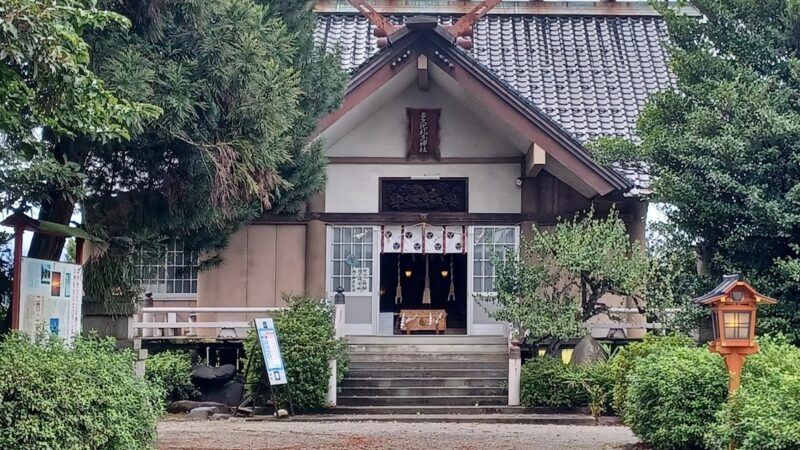
Kumano Shrine (Miyaho, Toyama City, Toyama Prefecture) Complete Guide | History, Blessings, and Access Information
Kumano Shrine, located in Miyaho, Toyama City, Toyama Prefecture, is a historical shrine deeply rooted in the community, and has long been revered by local people. This article provides detailed information you should know before visiting, including the origins and history of Kumano Shrine, its enshrined deities and blessings, highlights of the grounds, annual events, and access methods.
What is Kumano Shrine (Miyaho, Toyama City)?
Kumano Shrine is located in the Miyaho district of Toyama City and has been revered as the local guardian deity since ancient times. The place name Miyaho itself suggests a deep connection to the shrine, and it is an indispensable presence when discussing the history and culture of this region.
While there are several Kumano Shrines in Toyama City, the Miyaho Kumano Shrine has particularly strong ties to the local community, and the maintenance and preservation of the shrine and festivals by local residents continues to this day.
History and Origins of Kumano Shrine
Background of Founding
The founding of Kumano Shrine is said to have originated from the enshrinement of deities from the Kumano Sanzan shrines in Kii Province (present-day Wakayama Prefecture). Kumano faith spread throughout Japan from the Heian period to the Middle Ages, and many Kumano shrines were founded in the Hokuriku region.
The Kumano Shrine in Miyaho, Toyama City, is also thought to have taken root in the region as part of this spread of Kumano faith. From the Middle Ages to the early modern period, with the development of the Toyama Plain, there were many cases where Kumano Gongen was enshrined as the guardian deity of newly established villages.
Historical Connections to the Region
The Miyaho area is located slightly southeast of the center of Toyama City, and has long been a settlement centered on agriculture. Kumano Shrine has functioned as the local tutelary deity of this region, a place where people prayed for abundant harvests, family safety, and prosperity of descendants.
During the Edo period, it was under the control of the Toyama Domain, and the existence of Kumano Shrine can be confirmed in records from that era. Despite being affected by the Meiji-era separation of Shinto and Buddhism and the policy of consolidating shrines, it has been preserved to this day thanks to the deep faith of the local residents.
Changes Since the Modern Era
Since the Meiji era, with the development of the shrine system, Kumano Shrine was also reorganized into a modern shrine structure. During the Showa period, despite experiencing war damage and natural disasters, the shrine buildings were maintained and festivals were passed down through the efforts of the local people.
From the Heisei to the Reiwa era, while facing modern challenges such as depopulation and an aging population, the parishioners’ organization and local community are working together to maintain and manage the shrine.
Deities and Benefits
Main Deities
Kumano Shrine enshrines the gods of the Kumano Sanzan (Three Grand Shrines of Kumano). Generally, the following deities are enshrined at Kumano Shrine:
- Izanagi-no-Mikoto
- Izanami-no-Mikoto
- Hayatamao-no-Mikoto
- Kotosakao-no-Mikoto
These deities are the gods of creation in Japanese mythology, and are worshipped as gods who govern the source of life, matchmaking, and regeneration.
Expected Benefits
The main benefits you can expect at Kumano Shrine include the following:
Family Safety and Harmony
As Izanagi-no-Mikoto and Izanami-no-Mikoto are a married couple, they are believed to bring peace to the home and marital harmony.
Matchmaking and Successful Relationships
As the shrine enshrines the married couple from the creation myth, it is believed to bring good fortune in finding a partner.
Prayers for Conception and Safe Childbirth
Based on the myth of the birth of many gods, it is believed to grant blessings for fertility and safe childbirth.
Protection from Evil and Good Fortune
The gods of Kumano are believed to have the power to purify impurities and bestow new life force, thus granting blessings for protection from evil and improved luck.
Abundant Harvest and Business Prosperity
As the local guardian deity, the belief in praying for bountiful harvests and regional prosperity continues.
Highlights of the Shrine Grounds
Shrine Buildings
The shrine buildings of Kumano Shrine have a typical structure for a local shrine. The main hall and worship hall are at the center, surrounded by a torii gate and a purification fountain. While not large in scale, it is carefully maintained by local people, preserving a clean and tranquil atmosphere.
Nature on the Shrine Grounds
The shrine grounds feature ancient trees and seasonal flowers, allowing visitors to experience the beauty of nature throughout the seasons. Especially during the cherry blossom season in spring and the autumn foliage season, you can enjoy a quiet yet beautiful landscape.
Stone Monuments and Memorials
Within the shrine grounds, there are sometimes stone monuments and memorials that record the history of the shrine and local events. These are valuable resources for understanding the history of the region.
Annual Events and Festivals
Grand Festival
At Kumano Shrine, the Grand Festival is held every autumn. Local parishioners gather, and traditional Shinto rituals such as a portable shrine procession and Kagura (sacred dance) performances are sometimes held. The Grand Festival is an important event that reaffirms the unity of the local community.
New Year’s Events
From New Year’s Day to the third day of the year, worshippers visit for Hatsumode (first shrine visit of the year). Local people exchange New Year’s greetings and pray for safety and prosperity throughout the year.
Other Annual Events
- Spring Festival: Celebrating the arrival of spring and praying for a bountiful harvest
- Summer Purification Ceremony: A Shinto ritual to purify oneself of the impurities accumulated over the past six months
- Shichi-Go-San (7-5-3 Festival): A celebration of children’s growth
- Monthly Festival: Regular monthly rituals
Etiquette and Manners for Visiting a Shrine
Basic Etiquette for Visiting a Shrine
- Bow Before Passing Through the Torii Gate
Bow slightly before entering the sacred area.
- Walk Along the Edge of the Path
The center of the path is considered the path of the gods, so it is polite to walk along the edge.
- Purifying at the Water Basin
- Hold the ladle in your right hand and purify your left hand.
- Switch the ladle to your left hand and purify your right hand.
- Switch the ladle back to your right hand, receive water in your left hand, and rinse your mouth.
- Finally, hold the ladle upright and purify the handle.
- Worship at the Main Hall
- Quietly place your offering in the offering box.
- Ring the bell if there is one.
- Bow twice, clap twice, and bow once (bowing deeply twice, clapping twice, bowing deeply once).
- Bow Upon Exit
After exiting the torii gate, turn around and bow once.
Attire and Manners for Visiting the Shrine
Everyday clothes are acceptable, but clean and subdued attire is preferred. Avoid revealing or overly flashy clothing. Also, be quiet on the shrine grounds and remember to be considerate of other worshippers.
Access Information
Location
Address: Miyaho, Toyama City, Toyama Prefecture
Transportation Access
Access by Car
- Approximately 15-20 minutes from the Toyama IC on the Hokuriku Expressway
- Approximately 15 minutes by car from the center of Toyama City
- Parking: There may be some parking spaces on the shrine grounds or nearby (we recommend checking on-site for details)
Access by Public Transportation
- Accessible by Toyama Chihō Railway bus, and within walking distance from the nearest bus stop
- For specific routes and bus stops, we recommend checking the latest information on the Toyama Chihō Railway’s official website or timetable.
Visiting Hours
The shrine is generally open for worship 24 hours, but the hours of operation at the shrine office may be limited. If you wish to obtain a Goshuin (shrine stamp) or amulet, we recommend checking in advance.
Nearby Attractions
Tourist Spots in Toyama City
Why not visit other tourist spots in Toyama City in conjunction with your visit to Kumano Shrine? Toyama Castle Ruins Park
A historical park located in the heart of Toyama City, featuring a replica of Toyama Castle’s keep and a local history museum.
Fugan Canal Kansui Park
An urban park known as “the most beautiful Starbucks in the world,” offering enjoyable strolls along the canal.
Toyama Glass Art Museum
A museum that fuses modern architecture with Toyama’s glass art, its architectural beauty is a highlight.
Nearby Shrines and Temples
There are many other shrines and temples in Toyama City. If you have time, visiting several shrines such as Hie Shrine, Toyama Prefectural Gokoku Shrine, and Sogawa Hachimangu Shrine is recommended.
Connections with the Community
Parishioners’ Organization and Local Community
Kumano Shrine, as the tutelary shrine of the Miyaho district, plays a central role in the local community. The parishioners’ organization is responsible for the maintenance and management of the shrine and the operation of festivals, fostering intergenerational community bonds.
Collaboration with Local Events
Shrine festivals are positioned as important annual events in the community and are managed in cooperation with local organizations such as neighborhood associations and children’s associations. This contributes to the transmission of traditional culture to children and the promotion of interaction among local residents.
About Kumano Faith
What are the Kumano Sanzan?
The Kumano Sanzan, the center of Kumano faith, is the collective name for Kumano Hongu Taisha, Kumano Hayatama Taisha, and Kumano Nachi Taisha, all located in Wakayama Prefecture. They have been worshipped as a “sacred place of rebirth” since ancient times, and during the Heian period, pilgrimages by members of the imperial family and nobility became popular.
Spread Nationwide
In the Middle Ages, Kumano faith spread throughout Japan, and Kumano shrines were established in various locations. It is said that there are over 3,000 shrines nationwide that enshrine Kumano Gongen, and several Kumano shrines exist within Toyama Prefecture.
History of Shinto-Buddhist Syncretism
Kumano faith is known as a typical example of Shinto-Buddhist syncretism. Kumano Gongen originally had a unique form of worship that blended Buddhist and Shinto elements, but due to the Meiji-era separation of Shinto and Buddhism, it is now organized as a Shinto shrine.
Guidelines for Worship
Cherish Gratitude
When visiting a shrine, it is important not only to make wishes but also to express gratitude for daily safety and blessings. It is recommended to first offer gratitude, and then make your wishes.
Regular Visits
Visiting Kumano Shrine, the local guardian shrine, not only for New Year’s visits and annual festivals, but also on a daily basis fosters a deeper bond of faith. You can make the shrine a familiar presence by stopping by during a walk or visiting to report on important life events.
Contributing to Shrine Maintenance
Maintaining a shrine requires considerable effort and expense. Contributing to the shrine’s survival through offerings during visits and, if possible, by becoming a parishioner is also a form of faith.
Summary
Kumano Shrine in Miyaho, Toyama City, though not large in scale, is an important shrine with a deep-rooted history and faith in the community. Through the divine blessings of the Kumano deities, visitors can receive various blessings, including family safety, matchmaking, fertility, and protection from evil.
When visiting Toyama City, or if you live in the area, please consider visiting Kumano Shrine. The quiet grounds offer a peaceful moment of respite, allowing you to offer gratitude and prayers to the deities—a precious escape from the hustle and bustle of everyday life.
As the guardian shrine of the region, Kumano Shrine will continue to walk alongside the people of Miyaho. To pass on its history and traditions to future generations, the visits and understanding of many people are needed.