Tsushima Shrine (Okaya City, Nagano Prefecture) Complete Guide: History, Deities, and Access Information
Tsushima Shrine, located in Tenryu-cho, Okaya City, Nagano Prefecture, is a historic shrine with a magnificent main hall, quietly nestled within a residential area. It has long been cherished by the local people as Gozu Tenno Shrine and has been revered as a deity protecting against epidemics. This article provides a detailed overview of Tsushima Shrine, including its history, enshrined deities, architectural features, and helpful access information for visitors.
Basic Information on Tsushima Shrine
Location and Access
Location: 3-9, Tenryu-cho, Okaya City, Nagano Prefecture 394-0035
Postal Code: 394-0035
Tsushima Shrine is located in the residential area of Tenryu-cho, in the center of Okaya City. It is situated approximately 600 meters east of Okaya Station on the JR Chuo Main Line and is accessible on foot.
Access
- By Train: Get off at Okaya Station on the JR Chuo Main Line, approximately 8-10 minutes on foot.
- By Car: Approximately 10 minutes from Okaya Interchange on the Chuo Expressway.
- Parking: Due to the small size of the shrine grounds, we recommend using nearby public parking lots when visiting.
As the shrine is reached via narrow streets in a residential area, using a map app is convenient for first-time visitors. Despite the small size of the grounds, you will be surprised by the grandeur of the shrine buildings.
History and Origins of Tsushima Shrine
Founding and Origins
The founding date of Tsushima Shrine is unknown, but it has a history of being called “Gozu Tenno-sha” (Gozu Tenno Shrine) since ancient times. It is believed to have been established by inviting the deity from Tsushima Shrine (Tsushima Tenno), located in Tsushima City, Aichi Prefecture.
Tsushima Shrine in Aichi Prefecture has been known nationwide since ancient times as a deity that wards off epidemics, and the Tsushima Shrine in Okaya has inherited this faith and has been revered as a guardian deity of the region.
Construction during the Edo Period
A significant turning point in the history of Tsushima Shrine was the construction of the main hall (Hoden) during the mid-Edo period.
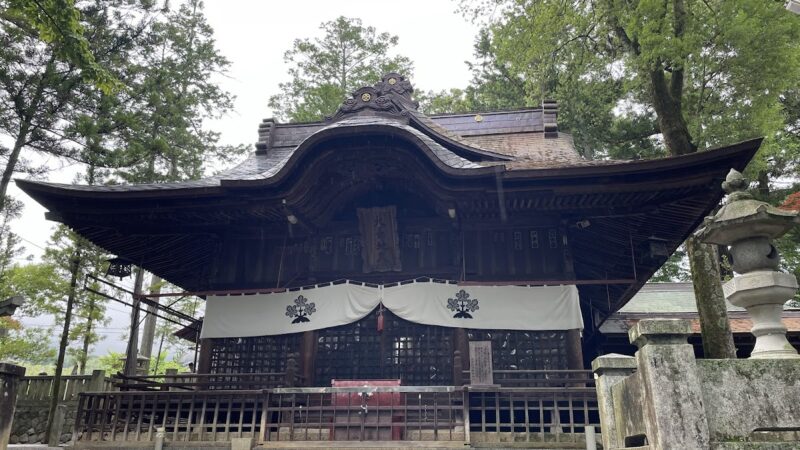
In 1769 (Meiwa 6), the Hoden was completed by the craftsman Watanabe Motoemon. This main hall is a valuable structure that conveys Edo period architectural techniques to the present day and is carefully preserved.
Renovation during the Taisho Period
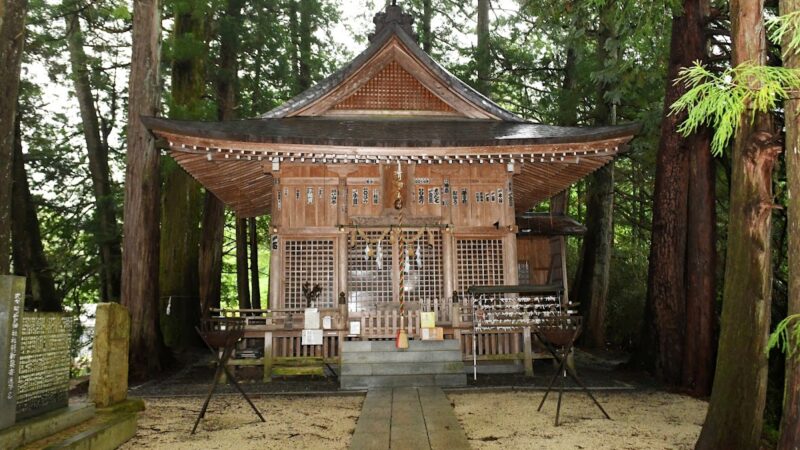
In 1920 (Taisho 9), the worship hall, shrine office, treasure house (Homzo), and water house (Temizuya) were completed. These buildings were constructed entirely of cypress wood using timber from the Kiso Imperial burial grounds, and the architectural style is a distinctive combination of Taisha-zukuri and Shinmei-zukuri.
The fact that such a magnificent building remains in the limited space of a residential area speaks volumes about the deep faith of the local people.
Deities and Divine Virtues
Main Deity: Takehayasusano-no-Mikoto
The deity enshrined at Tsushima Shrine is Takehayasusano-no-Mikoto. This deity is also known as Gozu Tenno and was widely worshipped as a Buddhist deity during the era of syncretism of Shinto and Buddhism.
Takehayasusano-no-Mikoto is known in Japanese mythology as a brave god who defeated Yamata no Orochi (the eight-headed serpent), and is believed to have the divine virtue of warding off evil and disaster.
Belief in Protection Against Epidemics
The most important belief at Tsushima Shrine is protection against epidemics. Since ancient times, Takehaya Susanoo-no-Mikoto (Gozu Tenno) has been revered as a god with the power to ward off epidemics, and especially during the Edo period, many people visited the shrine whenever an epidemic broke out.
Even today, worshippers visit to pray for good health and recovery from illness.
Other Divine Virtues
- Protection from Misfortune and Bringing Good Fortune: Wards off calamities and brings good fortune
- Family Safety: Protects the safety and peace of the family
- Business Prosperity: Development and prosperity of businesses
- Matchmaking: Brings good fortune in relationships (derived from the myth of Susanoo-no-Mikoto marrying Kushinadahime)
Architecture and Grounds of Tsushima Shrine
Features of the Main Hall (Hoden)
The main hall, built in 1769, is a valuable structure that preserves the architectural style of the mid-Edo period. The exquisite craftsmanship by the master craftsman Watanabe Motoemon demonstrates the high level of architectural technology of the time.
The unique style, a combination of Taisha-zukuri and Shinmei-zukuri architectural styles, is one of the architectural features of Tsushima Shrine. This combines the Izumo-style Taisha-zukuri and the Ise-style Shinmei-zukuri, two of Japan’s major shrine architectural styles, making it a historically interesting structure.
Worship Hall and Water Basin
Completed in 1920 (Taisho 9), the worship hall is built using luxurious materials: all cypress wood from the Kiso Imperial Forest. First-time visitors are often surprised to find such a magnificent worship hall in the middle of a residential area.
The water basin is similarly impressive, and many visitors wonder, “Why is there something so imposing in a residential area like this…?” This reflects the deep faith the local people have in this shrine and the history of its preservation.
Atmosphere of the Shrine Grounds
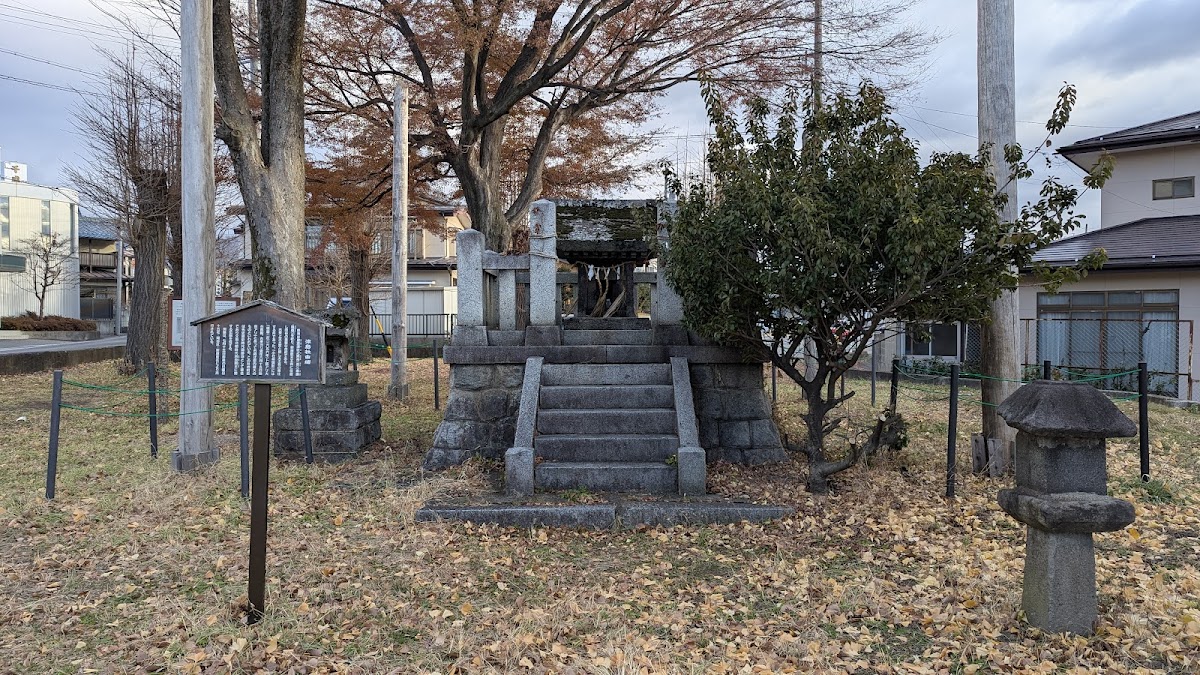
The grounds of Tsushima Shrine are not particularly large. Built in a limited space within a residential area, the land is small. However, the magnificent shrine buildings are neatly arranged within this small space, creating a serene and solemn atmosphere.
The approach to the shrine, reached via a narrow path, serves as an entrance to a special space far removed from the hustle and bustle of everyday life, allowing visitors to prepare themselves mentally.
Annual Events at Tsushima Shrine
Annual Festival
Tsushima Shrine holds various festivals throughout the year. The annual festival, in particular, is an important event where local people gather.
Prayers for Protection Against Epidemics
Tsushima Shrine, which has long been worshipped as a deity that protects against epidemics, sees a particularly strong demand for prayers related to health. Even during recent infectious disease outbreaks, many worshippers visited to pray for good health.
Nearby Shrines and Temples
Besides Tsushima Shrine, many other shrines are located within Okaya City, offering opportunities for shrine hopping.
Mishaguji Shrine
Location: Lakeside, Okaya City
A shrine dedicated to the Mishaguji faith, unique to the Suwa region. Many people visit this shrine along with Tsushima Shrine. Located on the shores of Lake Suwa, visitors can enjoy the waterside scenery while praying.
Jūgosha Shrine
Location: Honmachi, Okaya City
A shrine located in Honmachi, Okaya City, and is cherished as the guardian deity of the region.
Miyama Shrine
Location: Honmachi, Okaya City
Another important shrine in the Honmachi area.
Hiyoshi Shrine
Location: Minato, Okaya City
Located in the Minato area, it is a center of local faith.
Hamatenmangu Shrine
Location: Chuomachi, Okaya City
A Tenmangu shrine known as the god of learning.
Toyokawa Inari Shrine
Location: Sachimachi, Okaya City
This shrine is worshipped as a deity of business prosperity.
Visiting these shrines will allow you to gain a deeper understanding of Okaya City’s history and religious culture.
Points to Note When Visiting Tsushima Shrine
Etiquette for Worship
When visiting Tsushima Shrine, follow the general etiquette for visiting a shrine.
- Bow before passing through the torii gate.
- Purify your hands and mouth at the water basin.
- Bow twice, clap twice, and bow once in front of the main hall.
- Quietly leave the shrine grounds.
Suitable Time for Visiting
Since Tsushima Shrine is located in a residential area, it is recommended to visit during quiet times such as early morning or evening. Please be considerate of the surrounding residents and worship quietly.
Regarding Photography
Photography is generally permitted on the shrine grounds, but please be discreet inside the main hall and in sacred areas. Furthermore, consideration should be given to avoiding disturbing other worshippers.
History of Okaya City and Tsushima Shrine
Overview of Okaya City
Okaya City is located in the south-central part of Nagano Prefecture, on the western shore of Lake Suwa. It once prospered from the silk industry and was known nationwide as “Silk Okaya.” Currently, it continues to develop as an industrial city with a thriving precision machinery industry.
Religious Culture of the Suwa Region
The Suwa region, including Okaya City, is known for its unique religious culture. Suwa faith centered around Suwa Grand Shrine, and the Onshaguji faith, are just some of the unique forms of faith that still thrive in this region.
Tsushima Shrine, within this Suwa region’s religious culture, has played a specific role in warding off epidemics, making it an indispensable presence in the community.
Relationship between Tsushima Shrine and Tsushima Shrine in Aichi Prefecture
Main Shrine: Tsushima Shrine (Tsushima City, Aichi Prefecture)
The main shrine of Tsushima Shrine in Okaya City is Tsushima Shrine (Tsushima Tenno) located in Tsushima City, Aichi Prefecture. This shrine is the head shrine of the Tsushima faith, which is said to have approximately 3,000 shrines nationwide, and enshrines Takehaya Susanoo-no-Mikoto as its principal deity.
Spread of Tsushima Faith
Tsushima Shrines and Tsushima Shrines, which were established by inviting deities from Tsushima Shrine in Aichi Prefecture, exist throughout Japan. Especially during the Edo period, when epidemics frequently spread, the Tsushima faith spread nationwide as a deity that protected against disease.
Tsushima Shrine in Okaya City, Nagano Prefecture, was also established as part of this spread of Tsushima faith and has attracted the faith of local people.
Voices of Worshippers
A Mysterious Space in a Residential Area
Many worshippers express surprise at finding such a magnificent shrine in a residential area. Despite its small size, many visitors are impressed by the meticulously crafted architecture, from the grandeur of the shrine buildings to the imposing presence of the purification fountain.
Quiet Worship Environment
Many appreciate the quiet environment, maintained because it hasn’t been commercialized for tourism. The warm and peaceful atmosphere, characteristic of a shrine protected by the local community, is a major draw.
Attractions in Okaya City to Enjoy Alongside Tsushima Shrine
Lake Suwa
Okaya City is located on the western shore of Lake Suwa, offering opportunities for lakeside strolls. Lake Suwa is particularly beautiful at sunset, attracting many tourists.
Okaya Silk Museum
This museum allows visitors to learn about the history of “Silk Okaya.” You can discover the history and culture of Okaya, which prospered from the silk industry.
Toriidaira Yamabiko Park
Located on a hill in Okaya City, this park offers stunning panoramic views of Lake Suwa and the surrounding mountains.
Summary: The Charm of Tsushima Shrine
Located in Tenryu-cho, Okaya City, Nagano Prefecture, Tsushima Shrine is a venerable shrine with a history dating back to the Edo period and magnificent shrine buildings, despite being situated in a residential area.
- Dedicated to Takehaya Susanoo-no-Mikoto, a deity worshipped since ancient times as a protector against epidemics.
- The main hall, built in 1769, and the worship hall from the Taisho era still remain.
- A luxurious building constructed entirely of cypress wood from the Kiso Imperial burial grounds.
- A unique architectural style combining Taisha-zukuri and Shinmei-zukuri architectural styles.
- Easily accessible within walking distance of Okaya Station.
Despite its small grounds, the magnificent shrine buildings and solemn atmosphere leave a deep impression on visitors. Protected and cherished by the local community, Tsushima Shrine is a valuable presence that conveys the history and religious culture of Okaya City to the present day.
When visiting Okaya City, be sure to visit Tsushima Shrine and experience its history and tranquil atmosphere. You will receive divine blessings for protection against disease and misfortune, and you will also discover the charm of a place of worship that thrives within a residential area.