What is Shokoji Temple? A Complete Guide to the History, Characteristics, and Access of Shokoji Temples Nationwide
There are several temples named Shokoji throughout Japan. Each belongs to a different Buddhist sect and is a prestigious temple with its own unique history and cultural assets. This article provides a detailed explanation of the major Shokoji temples, including their historical background, temple features, cultural assets, and transportation access.
Table of Contents
- Shokoji Temple (Okaya City, Nagano Prefecture) – An Ancient Temple of the Shingon-shu Chizan School
- Shokoji Temple (Seika Town, Kyoto Prefecture) – A Temple of the Shinshu Otani School
- Shokoji Temple (Ishioka City, Ibaraki Prefecture) – One of the Five Great Temples of the Jodo School
- Shokoji Temple (Nada Ward, Kobe City) – Jodo Shinshu Honganji School
- Other Shokoji Temples
- Frequently Asked Questions
Shokoji Temple (Okaya City, Nagano Prefecture) – An Ancient Temple of the Shingon-shu Chizan School
History and Origin
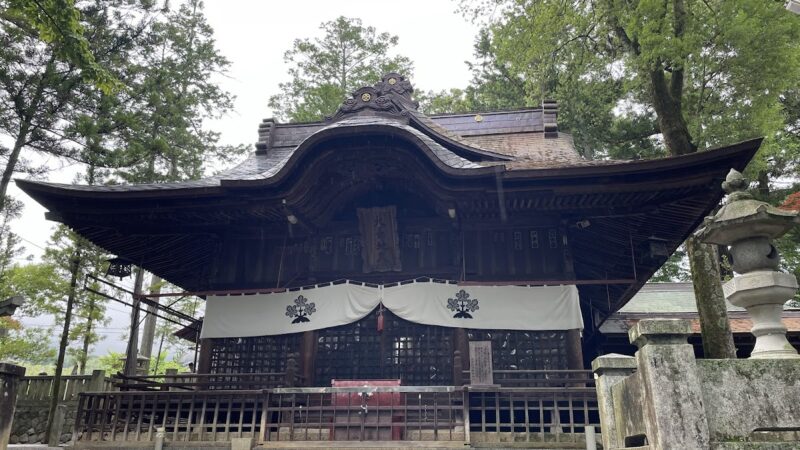
Located in Honmachi, Okaya City, Nagano Prefecture, Shokoji Temple, also known as Jokozan Ruriin Shokoji, is an ancient temple belonging to the Shingon-shu Chizan School with a history of over a thousand years. As the 11th temple of the Chubu Forty-Nine Yakushi Pilgrimage, it is a place of worship visited by many pilgrims. The temple’s founding dates back to the Heian period, and it was originally located in a mountainous area known as Yamadera (mountain temple). Around 1656 (Meireki 2), it relocated to its current location in Honmachi, Okaya City, and flourished as a center of local faith alongside the development of the castle town.
During the Edo period, it suffered two fires starting in 1766 (Meiwa 3), but was rebuilt each time. The current main hall was built in 1793 (Kansei 5) by the 18th head priest, Seigen, and is a valuable structure with over 200 years of history.
Impact of the Meiji Restoration and the Anti-Buddhist Movement
During the anti-Buddhist movement of the Meiji era, when nearby Jinguji temples were abolished, many of their cultural artifacts were moved to Shokoji Temple. In particular, valuable Buddhist statues such as the Thousand-Armed Kannon and Nio statues are still preserved at Shokoji Temple, playing an important role in protecting the region’s Buddhist culture.
Temple Buildings and Cultural Properties
Within the grounds of Shokoji Temple, the temple buildings, including the main hall (built in the late Edo period), the Yakushi-do (Medicine Buddha Hall), and the bell tower, are arranged around the main hall. The main hall is a building that showcases excellent wooden construction techniques, and houses the principal image, a statue of Yakushi Nyorai (Medicine Buddha).
Yakushi Nyorai is revered as the Buddha of healing illnesses and longevity, and the temple is a popular pilgrimage site for the 49 Yakushi temples of the Chubu region, attracting many pilgrims. Furthermore, the statue of Senju Kannon (Thousand-Armed Kannon), moved from Jinguji Temple, is believed to be a late Heian period work with intricate carving techniques, making it a culturally valuable artifact from an art history perspective.
Access
Address: 2-6-43 Honmachi, Okaya City, Nagano Prefecture
Access: Approximately 15 minutes on foot from Okaya Station on the JR Chuo Main Line, or approximately 10 minutes by car from Okaya Interchange
Parking: Visitor parking available on the temple grounds
Shokoji Temple (Seika-cho, Kyoto Prefecture) – A Shinshu Otani-ha Temple
History and Founder
Shokoji Temple, located in Seika-cho, Soraku-gun, Kyoto Prefecture, is a temple belonging to the Shinshu Otani-ha (Higashi Honganji-ha) sect. It is said to have been founded in 1680 by Shakujo Jojo. As a temple that transmits the teachings of Jodo Shinshu Buddhism, with Shinran Shonin as its founder, it has attracted the faith of the local community.
The head temple of the Shinshu Otani-ha is Higashi Honganji (Shinshu Honbyo), located in front of Kyoto Station, and Shokoji Temple, as a branch temple, performs Buddhist services and rituals based on the doctrines of Jodo Shinshu Buddhism.
Development and Improvement of Temple Grounds
Records show that in 1772 (Meiwa 9), the temple grounds were reclaimed and repaired. This was carried out as part of the temple’s development during the mid-Edo period and is a valuable historical document that speaks to the deep faith of the priests and followers at the time.
Characteristics of Jodo Shinshu Buddhism
Shokoji Temple, a temple of the Shinshu Otani sect, enshrines Amida Buddha as its principal deity and preaches attaining rebirth in the Pure Land through chanting the Nembutsu (invocation of Amida Buddha). In Jodo Shinshu Buddhism, priests are permitted to marry, and the position of chief priest is generally passed down through generations.
Access
Address: Seika-cho, Soraku-gun, Kyoto Prefecture
Access: Within walking distance from Hōsono Station on the JR Gakken Toshi Line or Shin-Hōsono Station on the Kintetsu Kyoto Line
Head Temple: Shinshu Honbyō (Higashi Honganji), Shimogyo-ku, Kyoto City
Shōkōji Temple (Ishioka City, Ibaraki Prefecture) – One of the Five Great Temples of the Jōdo Sect
Founding and Founder
Shōkōji Temple, located in Ishioka City, Ibaraki Prefecture, is a venerable temple belonging to the Jōdo sect, and its full name is Raidenzan Saikōin Shōkōji. It was founded in 1374 (Ōan 7) in Kanoko, Fuchūhei Village.
The founder was Hitachi Daijō Takamoto, and the first abbot was Ryōzen Shōnin. The Hitachi Daijō clan was a powerful samurai group in Hitachi Province, and Shōkōji Temple developed under their patronage.
One of the Five Great Temples of Hitachi Province
Later, during the time of Daijō Ukyō-daibu, the style of the seven-building temple complex was established, and Shōkōji Temple became a prestigious temple ranked as one of the five great temples among the 80 temples of Hitachi Province. A seven-building temple complex refers to a full-fledged temple style with seven buildings: the main hall, pagoda, lecture hall, bell tower, sutra repository, monks’ quarters, and refectory.
Cultural Properties and Historic Sites
The principal image is Amida Buddha, and it is the center of faith based on the doctrines of the Jōdo sect. Within the temple grounds is the cemetery of Matsudaira Harima-no-kami, a branch of the Mito Tokugawa family, which is designated as a historical site by Ishioka City. This cemetery has high historical value as a burial site of a daimyo family during the Edo period and is a valuable relic that conveys the stone carving techniques of that time.
History of the Former Nagoshi School
At the time of its founding, Shōkōji Temple belonged to the former Nagoshi school within the Jōdo sect. The Nagoshi branch was a branch of the Jodo sect founded by Nagoshi Mitsunori during the Kamakura period, characterized by its emphasis on strict precepts.
Access
Address: Ishioka City, Ibaraki Prefecture
Access: Walking distance or bus ride from Ishioka Station on the JR Joban Line
Cultural Property: Matsudaira Harima-no-kami’s grave (Ishioka City designated historical site)
Shokoji Temple (Nada Ward, Kobe City) – Jodo Shinshu Honganji Branch
Modern Founding
Shokoji Temple, located in Nada Ward, Kobe City, is also known as Onizukayama Shokoji and is a relatively new temple belonging to the Jodo Shinshu Honganji Branch (Nishi Honganji Branch). It was originally established in 1924 (Taisho 13) as a preaching hall near the present-day Suidosuji 1-chome, Nada Ward, Kobe City.
History of Relocation and Development
The original building stood until 1940 (Showa 15), but due to urban development accompanying the opening of the streetcar line, it was forced to relocate. In 1941 (Showa 16), a wooden main hall was built at the current location.
In 1947 (Showa 22), it received official permission from the Jodo Shinshu Honganji sect to use the name “Shokoji,” and was elevated from a preaching hall to a temple. During the turbulent post-war period, it played an important role as a spiritual center for the local people.
Modern Activities
Currently, Shokoji handles various Buddhist services, including wakes, funerals, ossuaries, communal graves, and memorial services. It also accepts requests for temple funerals, serving as a model for modern temple management in urban areas.
Access
Address: Nada-ku, Kobe City
Access: Within walking distance from the nearest station on the Hanshin Electric Railway or JR Kobe Line
Head Temple: Nishi Honganji (Honganji), Shimogyo-ku, Kyoto City
Other Shokoji Temples
Shokoji Temple (Sasebo City, Nagasaki Prefecture)
Shokoji Temple, also known as Ginkgo-zan Shokoji, is a temple belonging to the Shinshu Otani sect. It was founded in 1902 (Meiji 35) in what was then Shimogyo-cho, as a preaching hall for Shokoji Temple in Nagase-cho, Saga Prefecture, when Reverend Tanaka Senshin began his missionary activities.
In 1938 (Showa 13), it moved to its current location in Inari-cho, and the main hall was built through the efforts of Shokoji Temple in Saga and its followers. It serves as a base temple for the Shinshu Otani sect in northern Nagasaki Prefecture, supporting local faith.
Address: Inari-cho, Sasebo City, Nagasaki Prefecture
Sect: Shinshu Otani-ha
Characteristics of Shokoji Temples Nationwide
The name Shokoji has a Buddhist meaning of “shining light,” and is a particularly favored name among Pure Land Buddhist sects (Jodo-shu, Jodo Shinshu). It expresses the doctrine that the light of Amida Buddha illuminates and saves all sentient beings.
Shokoji temples throughout Japan continue to preserve Buddhist culture and contribute to their local communities, each while carving its own unique history in its respective region.
Guidelines for Visiting Shokoji Temples
Differences by Sect
When visiting a Shokoji temple, it is recommended to check which sect the temple belongs to beforehand. The worship rituals and chants differ between Shingon-shu, Jodo-shu, and Jodo Shinshu.
- Shingon Buddhism: Chant “Namu Daishi Henjo Kongo”
- Jodo Buddhism: Chant “Namu Amida Butsu”
- Jodo Shinshu Buddhism: Chant “Namu Amida Butsu,” but do not make wishes (the teaching of reliance on the power of others)
Temple Visiting Manners
Please pay attention to the following points as basic manners when visiting a temple:
- Bow at the main gate before entering the temple grounds
- Quietly join your hands in prayer and bow in the main hall
- Take photographs only in permitted areas
- Greet the head priest and temple staff politely
- Offer your donation quietly
Shokoji Temple and Local Culture
Temples and Local Communities
Shokoji temples throughout Japan have not only served as religious facilities but have also played a role as centers of local culture. During the Edo period, they served as educational institutions (terakoya), and since the Meiji era, they have functioned as hubs for local communities.
Protection of Cultural Properties
Examples of temples like Shokoji Temple in Okaya City, which took in cultural properties from other temples during the anti-Buddhist movement, hold significant meaning in the history of the protection of Buddhist cultural properties in Japan. Temples played a role as “refuges for cultural properties,” protecting the cultural heritage of their communities.
Role in Modern Times
Modern Shokoji Temples continue to uphold traditional Buddhist ceremonies and rituals while also offering new services that meet modern needs, such as columbariums and perpetual memorial services. Especially in urban areas, Shokoji Temples are implementing temple management strategies that address the challenges of nuclear families and the aging population.
Related Topics
Head Temples of Each Sect
- Shingon-shu Chizan-ha: Chishaku-in (Higashiyama-ku, Kyoto City), Naritasan Shinsho-ji (Narita City, Chiba Prefecture)
- Shinshu Otani-ha: Shinshu Honbyo Higashi Hongan-ji (Shimogyo-ku, Kyoto City)
- Jodo-shu: Chion-in (Higashiyama-ku, Kyoto City), Zojo-ji (Minato-ku, Tokyo)
- Jodo Shinshu Hongan-ji-ha: Hongan-ji Nishi Hongan-ji (Shimogyo-ku, Kyoto City)
Related Pilgrimage Sites
- Chubu Forty-Nine Yakushi Pilgrimage Sites (Shoko-ji Temple in Okaya City is the 11th temple)
- Pilgrimages to Jodo-shu and Shinshu Temples in Various Regions
References and External Links
Detailed information about Shoko-ji Temple can be found on the official websites of each temple, cultural property materials published by the municipalities where the temples are located, and temple directories of each sect. Before visiting, it is recommended to check the visiting hours and the schedule of religious services in advance.
Cultural property survey reports issued by local boards of education and cultural property protection divisions contain academic information about the buildings and cultural properties held by Shokoji Temple.
Summary
There are temples named Shokoji throughout Japan, each belonging to a different sect such as Shingon, Jodo, or Jodo Shinshu, and each has cultivated its own unique history and culture. From a thousand-year-old temple in Okaya City, Nagano Prefecture, to a modern temple in Nada Ward, Kobe City, each Shokoji reflects the characteristics of its era and region.
Visiting a temple is not merely sightseeing; it is a valuable opportunity to experience Japan’s history, culture, and the history of people’s faith. When visiting a Shokoji Temple, it is recommended to quietly offer your prayers while reflecting on the history that the temple has walked.