Hidaijinja Shrine (Koshu City, Yamanashi Prefecture) | Complete Guide to History, Deities, and Access
About Hidaijinja Shrine
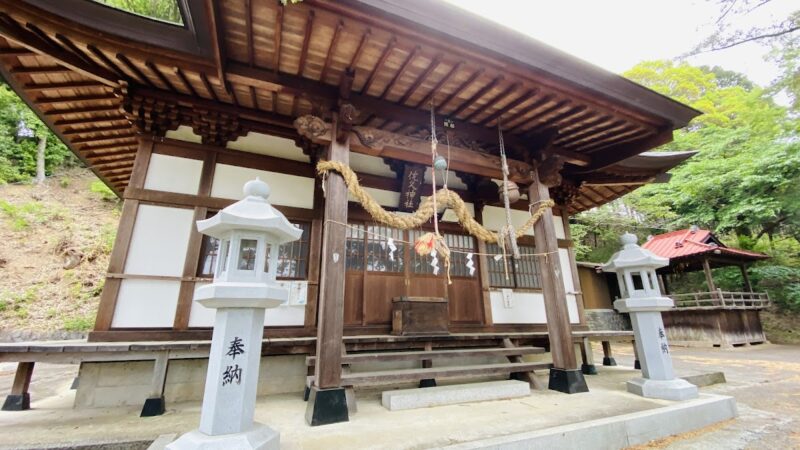
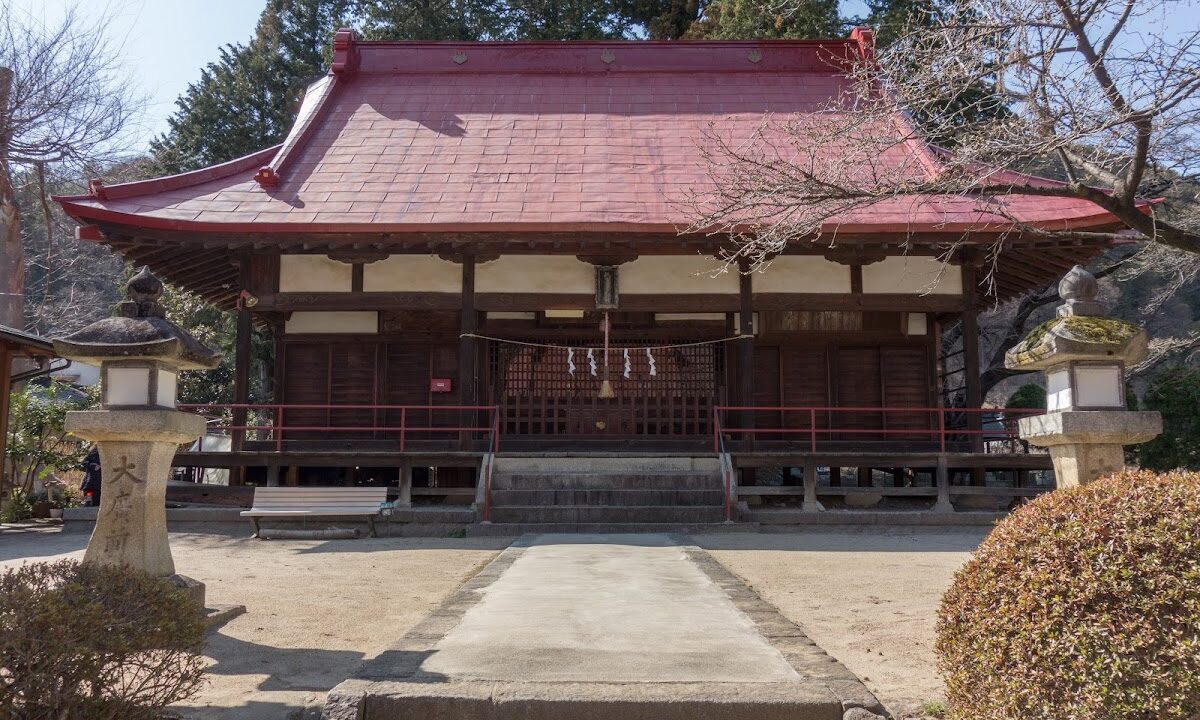
Hidaijinja Shrine is a Shinto shrine located at 3434 Shioyama Chino, Koshu City, Yamanashi Prefecture. As one of the 59 shrines in Koshu City, it is a historical shrine that has attracted the faith of the local community. It is registered under the corporate code “7090005003891” and ranks 4,166th nationwide.
Koshu City is located in the northeastern part of Yamanashi Prefecture and was formed on November 1, 2005 (Heisei 17) through the merger of Katsunuma Town, Yamato Village, and Shioyama City in Higashiyamanashi District. In this region, rich in nature and historical culture, Hidaijinja Shrine plays an important role as a spiritual center for the local residents.
Location and Basic Information of Hida Shrine
Address: 3434 Shioyama Chino, Koshu City, Yamanashi Prefecture 404-0041
The Shioyama Chino area is a historical settlement within Koshu City, surrounded by farmland and forests, creating a rich natural environment. It is believed that the unique religious practices and culture of this region are deeply connected to the origins of Hida Shrine.
History and Origins of Hida Shrine
Background of Founding
While the exact founding date of Hida Shrine is unclear due to limited existing historical records, it is presumed to be a very old shrine based on local elder traditions and its relationship with surrounding shrines.
The Shioyama area of Koshu City has long held an important position as the eastern region of Kai Province. During the Takeda clan’s era, this region was considered militarily and economically important, and many shrines and temples were protected. It is believed that Hida Shrine developed as a center of faith for the local residents within this historical context.
The Meaning of the Shrine Name “Hidai”
Several interpretations are possible for the unusual shrine name “Hidai.” The character “Hi” (飛) evokes images of the sky or high places, suggesting a connection to mountain worship or Tenjin (heavenly deity) worship. Furthermore, “Dai” (大) may represent the greatness of a deity or the status of the shrine.
While many shrines in Yamanashi Prefecture have unique names, “Hidai Shrine” is rare nationwide, suggesting a likely reflection of a region-specific form of worship or historical background.
Connection to the Community
In the Shioyama Chino district, Hidai Shrine has functioned not merely as a religious facility, but as a central hub for the local community. In this agriculturally prosperous region, it has been a place of worship passed down through generations, where people prayed for bountiful harvests, rain, and protection from disasters.
Deities and Divine Virtues
About the Deities
While detailed records of the deities enshrined at Tobi-dai Shrine are not publicly available, based on the characteristics of local shrines, it is possible that the following deities are worshipped:
- Local Guardian Deities: Deities who protect the region as local gods or tutelary deities
- Agricultural Deities: Deities who preside over abundant harvests
- Mountain Deities: Deities who protect the surrounding mountains
While Suwa worship, Hachiman worship, and Tenjin worship are widely seen in shrines in Yamanashi Prefecture, there is a possibility that Tobi-dai Shrine has its own unique form of worship.
Divine Virtues and Blessings
The following are some of the divine virtues believed to be obtained by visiting Hida Shrine:
- Abundant Harvest: Agricultural development and abundant harvests
- Family Safety: Health and safety of family members
- Regional Prosperity: Development and peace of the entire community
- Protection from Disaster: Protection from natural disasters and epidemics
These divine virtues have been particularly valued in agricultural communities.
Shrine Grounds and Highlights
Shrine Grounds Layout
The grounds of Hida Shrine are considered to exhibit the typical style of a local shrine in Yamanashi Prefecture. Typical Structure:
- Main Hall: The most sacred building where the enshrined deity is worshipped.
- Worship Hall: A place where worshippers offer prayers.
- Torii Gate: A symbolic structure marking the entrance to the sacred area.
- Water Basin: A place to purify oneself before worship.
- Shrine Office: A facility for managing and operating the shrine.
Natural Environment
The Shioyama Chino area is located in a mountainous region and surrounded by abundant nature. Plants of all seasons grow around the shrine grounds, and beautiful scenery can be enjoyed, especially during the fresh greenery of spring and the vibrant autumn foliage.
If ancient or giant trees exist on the shrine grounds, they are valuable artifacts that tell the history of the shrine and may be objects of worship as sacred trees.
Stone Monuments and Memorials
Like many shrines, there may be historical stone monuments and memorials at Tobi-Ojinja Shrine. These include:
- Renovation Memorial Monument
- List of Donors
- Records of Festivals
- Records of Historical Events
These inscriptions are valuable resources for understanding the history of the shrine and the surrounding area.
Annual Events and Festivals
Main Festivals
It is believed that various festivals are held throughout the year at Hida Shrine. A typical local shrine festival calendar would look like this:
Spring Festivals
- Spring Grand Festival: A festival celebrating the arrival of spring and praying for a bountiful harvest.
- Kinensai (Harvest Festival): An important festival praying for a good harvest.
Summer Festivals
- Natsukoshi no Harae (Summer Purification Ceremony): A ceremony to purify oneself of the impurities accumulated over the past six months.
- Summer Grand Festival: Potentially a lively local summer festival.
Autumn Festivals
- Autumn Grand Festival: The most important festival expressing gratitude for the harvest.
- Niinamesai (Harvest Festival): A ceremony offering the new harvest to the gods.
Winter Festivals
- Year-End Grand Purification Ceremony: A ceremony to purify oneself of the impurities accumulated over the year.
- Hatsumode (First Shrine Visit of the New Year): A visit to the shrine to welcome the new year.
Collaboration with the Community
Many festivals are held with the cooperation of local residents. The preparations are spearheaded by the parishioners’ representatives and local community associations, creating a space for intergenerational exchange.
The Shrine Culture of Koshu City and the Position of Hida Shrine
Overview of Shrines in Koshu City
There are a total of 59 shrines in Koshu City. This represents approximately 4.6% of the total number of shrines in Yamanashi Prefecture (1,275). Considering the city’s area and population, Koshu City’s shrine density is considered standard within Yamanashi Prefecture.
Relationship with Major Shrines
Besides Tobi-daijinja Shrine, many other shrines exist within Koshu City:
- Matsuo Shrine: One of the representative shrines in Koshu City
- Suwa Shrine: A center of Suwa worship
- Fushiki Shrine: An important local shrine
- Yasaka-daijinja Shrine: A shrine of Gion worship
- Hachiman Shrine: A shrine of Hachiman worship
- Shirahi Shrine: Worshipped as a god of longevity
These shrines, along with Tobi-daijinja Shrine, each possess their own unique history and beliefs, yet they are important elements in shaping the overall shrine culture of Koshu City.
Characteristics of Yamanashi Prefecture’s Shrine Culture
Yamanashi Prefecture’s shrine culture has the following characteristics:
- Takeda Faith: Many shrines are associated with the Takeda clan.
- Mount Fuji Faith: A belief system that considers Mount Fuji as the sacred object of worship.
- Mountain Worship: A belief system that regards mountains as sacred.
- Suwa Faith: Influence from Suwa Grand Shrine.
- Sericulture Faith: A belief system related to the once-thriving sericulture industry.
Hida Shrine may also have been influenced by these unique religious cultures of Yamanashi Prefecture.
Access and Visiting Information
Access by Public Transportation
Nearest Station: JR Chuo Main Line “Shioyama Station”
From Shioyama Station to Hida Shrine, you can access the shrine in the following ways:
- Taxi: Approximately 15-20 minutes by taxi from Shioyama Station
- Bus: Take a bus from Shioyama Station towards Chino (walk from the bus stop)
- Walking: Walking is not recommended due to the distance, but it takes about 1 hour for those who are physically fit.
Access by Car
Route from Major Roads:
- Chuo Expressway: Approximately 20-30 minutes from Katsunuma IC or Ichinomiya-Misaka IC
- National Route 20: From Shioyama city center, take the prefectural road to the Chino area
Parking: Depending on the size of the shrine, there may be a small parking space. Temporary parking may be provided during festivals.
Points to Note When Visiting
- Visiting Hours: Visiting during the daytime is generally recommended.
- Dress Code: There are no strict regulations, but please wear appropriate attire for a sacred place.
- Photography: Please respect any areas where photography is prohibited, such as inside the main hall.
- Manners: Please visit quietly and be considerate of other visitors.
Nearby Tourist Attractions
The Shioyama area of Koshu City has many attractions besides Hida Shrine:
- Erinji Temple: A famous temple associated with Takeda Shingen
- Kogakuji Temple: An ancient temple of the Rinzai sect
- Katsunuma Grape Hill, Koshu City: A wine and grape producing area
- Daibosatsu-rei Mountain: A popular spot for mountain climbing and hiking
- Shioyama Onsenkyo Hot Spring Village: Relax in the hot springs
By combining your visit to the shrine with these tourist attractions, you can experience the charm of Koshu City more deeply.
Etiquette and Manners for Visiting a Shrine
Basic Etiquette for Visiting a Shrine
There are traditional manners for visiting a shrine:
- Bow at the Torii Gate: Bow before passing through the torii gate to show respect for entering the sacred area.
- Walking the Path: Walk along the edge of the path, as the center is considered the path of the gods.
- Watering Procedure:
- Take the ladle with your right hand and cleanse your left hand.
- Switch the ladle to your left hand and cleanse your right hand.
- Switch the ladle back to your right hand, receive water in your left hand, and rinse your mouth.
- Finally, stand the ladle upright to cleanse the handle.
- Worship at the Main Hall:
- The basic procedure is two bows, two claps, and one bow.
- Quietly place your offering in the offering box.
- Ring the bell if there is one.
- Bow deeply twice.
- Clap your hands twice.
- Pray sincerely.
- Finally, bow once.
Regarding Goshuin (Shrine Seals):
Whether you can receive a Goshuin at Hida Shrine depends on the size and management system of the shrine. Smaller shrines may not have a resident priest. If you wish to receive a Goshuin, it is recommended to check in advance.
History and Culture of Koshu City
Formation of Koshu City
Koshu City is a relatively new city, formed in 2005 through the merger of Shioyama City, Katsunuma Town, and Yamato Village. However, the history of this region is very old, with traces of human habitation dating back to the Jomon period.
Connection with the Takeda Clan
During the Sengoku period, it was under the control of the Takeda clan and played an important role as a base for Takeda Shingen’s eastward expansion. Many temples and shrines, including Erinji Temple, developed under the patronage of the Takeda clan.
Grape and Wine Producing Area
Koshu City, especially the Katsunuma area, is known as one of Japan’s leading grape producing regions. Wine production began in the Meiji era, and today, many wineries exist, attracting tourists as the “birthplace of Japanese wine.”
History of Fruit Cultivation
Besides grapes, fruit cultivation of peaches, cherries, and other fruits is also thriving, making this region a core area of “Yamanashi, the Fruit Kingdom.” This rich agricultural sector forms the basis for the prayers for abundant harvests at local shrines, including the Hida Shrine.
Comparison with Other Shrines in Yamanashi Prefecture
Major Shrines in the Prefecture
Yamanashi Prefecture has 1,275 shrines, including some nationally famous ones:
- Takeda Shrine (Kofu City): One of the prefecture’s leading tourist shrines, dedicated to Takeda Shingen
- Asama Shrine (Fuefuki City): A center of Mount Fuji worship
- Yamanashi Prefecture Gokoku Shrine (Kofu City): A shrine dedicated to those who died in war
- Kitaguchi Hongu Fuji Asama Shrine (Fujiyoshida City): The starting point for climbing Mount Fuji
Unlike these large-scale shrines, Tobi-dai Shrine has its own unique value as a community-oriented shrine.
The Importance of Local Shrines
While large-scale tourist shrines are important, small, local shrines like Tobi-dai Shrine play an invaluable role in the following ways:
- Maintaining community cohesion
- Passing on traditional festivals
- Preserving local history and culture
- Serving as a spiritual anchor for residents
Modern Challenges Surrounding Shrines
Depopulation and Shrine Maintenance
Depopulation is progressing in the mountainous areas of Yamanashi Prefecture, making the maintenance and management of shrines a challenge. The decline in parishioners is making it difficult to continue festivals and maintain facilities in some cases.
Protection as Cultural Assets
It is important to protect historically valuable shrine architecture and rituals as cultural assets and pass them on to future generations. Cooperation from the government, local residents, and researchers is necessary.
Utilization as a Tourism Resource
On the other hand, efforts are being made to secure maintenance funds by utilizing shrines as local tourism resources and increasing the number of visitors. However, a balance must be struck so as not to compromise the sanctity of the shrine as a place of worship.
Message to Visitors
Significance of Visiting a Shrine
Visiting Tobi-Ojinja Shrine offers more than just sightseeing or making a wish; it has the following significance:
- Dialogue with History: Visiting a shrine with a long history allows you to reflect on the faith and lives of our ancestors.
- Harmony with Nature: Spend time becoming one with nature in the tranquil atmosphere of the shrine.
- Purification of the Mind: An opportunity to escape the hustle and bustle of everyday life and calm your mind.
- Understanding Local Culture: An entry point to gaining a deeper understanding of the history and culture of the land.
Contribution to the Community
Visiting a shrine also contributes to the community. Worship and offerings are used for the maintenance of the shrine, and patronage of surrounding shops and restaurants supports the local economy.
Continued Interest
By visiting not just once, but also in different seasons and participating in festivals, you can build a deeper relationship with the shrine.
Summary
Hida Shrine is a community-oriented shrine located in Shioyama Chino, Koshu City, Yamanashi Prefecture. As one of the 59 shrines in Koshu City, it has long been a center of faith for local residents.
Surrounded by abundant nature, the shrine grounds offer visitors a tranquil atmosphere, attracting worshippers seeking blessings for bountiful harvests, family safety, and other blessings. Hida Shrine holds an important place as part of the history and culture of Koshu City, and as an integral part of the shrine culture of Yamanashi Prefecture as a whole.
Access is convenient by taxi or car from Shioyama Station. Many tourist attractions are located nearby, including Erinji Temple and the Katsunuma Winery. When visiting, it is important to observe basic etiquette and show respect for this sacred place.
Despite facing challenges such as depopulation, Hida Shrine is preserved through the efforts of the local people. Its existence transcends mere religious significance; it symbolizes the history, culture, and bonds of the region.
When you visit Koshu City, be sure to stop by Tobi-daijinja Shrine, find peace of mind in its tranquil grounds, and experience the history and culture of this region.