Complete Guide to Sugata Tenjin Shrine (Yamanashi Prefecture) | Visiting the National Treasure “Tatenashi Armor” and the History of the Takeda Family
Sugata Tenjin Shrine, located in Shioyama Kami-Oso, Koshu City, Yamanashi Prefecture, is a venerable shrine with a history of over 1000 years. It houses the National Treasure “Kozakuragawa Odoshi Yoroi” (small cherry blossom leather-laced armor), commonly known as “Tatenashi no Yoroi” (Tatenashi armor), and has been revered as the guardian deity of the Kai Genji and Takeda families.
This article comprehensively explains everything you need to know before visiting Sugata Tenjin Shrine, including its history, cultural assets, highlights, festivals and events, and access methods.
History of Sugata Tenjin Shrine
Founding and the Kanda Myojin Era
Sugata Tenjin Shrine was founded in 842 AD (Jōwa 9), during the reign of Emperor Ninmyō. It is believed that the shrine’s origins lie in Fujiwara no Iseo, the then-governor of Kai Province, who, under imperial command, ordered Iitaka Hamanari, the Kai no Shōsakan (junior official), to construct it.
Initially, it was called “Kanda Myōjin” and enshrined Susanoo-no-Mikoto and his five sons and three daughters as its main deities. This suggests that it was already considered an important shrine in Kai Province at that time.
Enshrinement of Sugawara no Michizane and Changes in the Shrine’s Name
In 1004 (Kankō 1), by imperial command of Emperor Ichijō, Sugawara no Michizane, known as the god of learning, was enshrined alongside the main deities. Following this enshrinement, the shrine’s name changed from Kanda Myōjin to “Sugata Tenjin Shrine,” which it remains to this day.
By enshrining Sugawara no Michizane, the shrine began to attract worshippers seeking academic success and literary advancement, further strengthening its role as a spiritual pillar for the local people.
Deep Connections with the Kai Genji and Takeda Clan
An essential aspect of the history of Sugata Tenjin Shrine is its relationship with the Kai Genji and Takeda clans. Since Shinra Saburo Yoshimitsu, the ancestor of the Kai Genji, was appointed Governor of Kai Province, Sugata Tenjin Shrine has been revered as the guardian deity of the Kai Genji.
The Takeda clan, in particular, provided strong protection to the shrine for generations, and it is said that the head of the Takeda family himself visited the shrine during important festivals. Even during the time of Takeda Shingen, donations were made to the shrine and the shrine buildings were repaired, demonstrating its role as a spiritual pillar for the Takeda family.
The Shioyama region, located on the northeastern edge of the Kofu Basin, is a historically important area with a concentration of ancient temples such as Erinji and Kogakuji, and many temples and shrines that received protection from the Takeda clan remain. Sugata Tenjin Shrine also plays a central role in this area, contributing to the preservation of the region’s history and culture.
Cultural Properties | National Treasure “Tatenashi Armor” and Important Cultural Properties
National Treasure “Kozakuragawa Odoshi Yoroi (Tatenashi Armor)”
The greatest treasure of Sugata Tenjin Shrine is the “Kozakuragawa Odoshi Yoroi Kabuto Oosodetsuki,” a national treasure, commonly known as the “Tatenashi Armor.”
This armor is believed to have been made in the late Heian period and has been passed down through generations of the Takeda family as a symbol of their lineage, since Shinra Saburo Yoshimitsu, the ancestor of the Kai Genji clan. There are several theories about the origin of the name “Tatenashi,” but the most plausible one is that it means “wearing this armor eliminates the need for a shield to protect against arrows and swords.”
Kozakura-gawa-odoshi refers to armor laced (attached together with thread or leather straps) with leather (tanned leather) adorned with a pattern resembling scattered cherry blossoms. Combining elegant ornamentation with practicality, it holds a particularly important place in the history of Japanese armor.
Currently, the Tatenashi armor is on deposit at the Yamanashi Prefectural Museum and is not on public display at the Sugata Tenjin Shrine’s treasure house. However, it can be viewed in the Yamanashi Prefectural Museum’s permanent exhibition, so those who wish to see a national treasure up close are advised to visit the museum.
Other Important Cultural Properties
In addition to the Tatenashi armor, Sugata Tenjin Shrine houses several other treasures associated with the Takeda family. Many of these are not on public display, but they hold high academic value as valuable historical materials that convey the history and culture of the Takeda family. The shrine’s treasure house houses offerings and ancient documents from successive generations of the Takeda family, making them important historical materials for the study of Kai Province.
Highlights of Sugata Tenjin Shrine
Shrine Buildings and Grounds
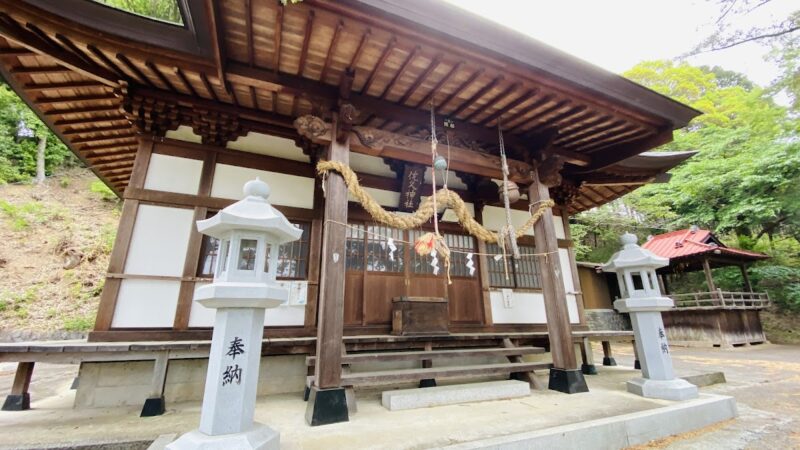
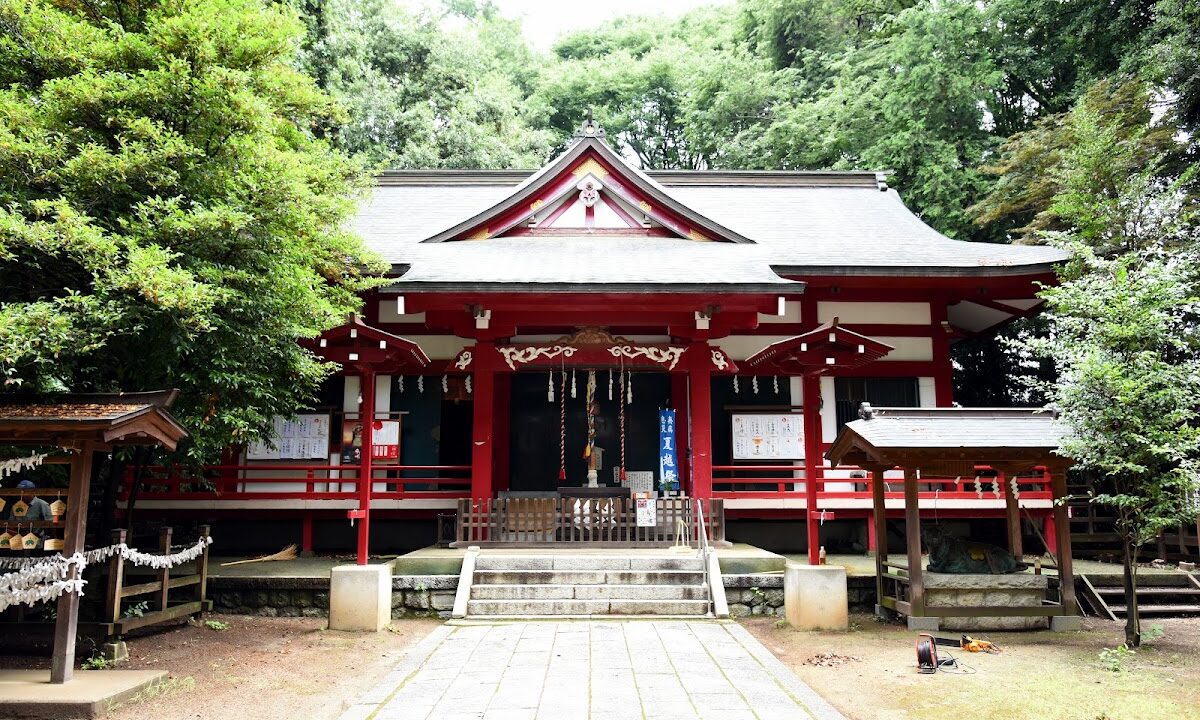
The shrine buildings of Sugata Tenjin Shrine have been rebuilt several times throughout its long history, but the current buildings still exhibit the beauty of traditional shrine architecture. The main hall has a simple yet robust construction, exuding a solemn atmosphere befitting a guardian deity of samurai families.
The grounds are enveloped in a tranquil atmosphere, and walking along the approach lined with ancient trees, you can feel the weight of a shrine with over a thousand years of history. The grounds are especially sacred in the early morning and at dusk, making these the ideal times for worship.
Historical Landscape of Shioyama
The Shioyama area of Koshu City, where Sugata Tenjin Shrine is located, is a treasure trove of history, with many temples and shrines associated with the Takeda family remaining. Nearby are Erinji Temple, known as the family temple of Takeda Shingen, and Kogakuji Temple, a renowned Rinzai Zen temple, making it a popular destination for tourists visiting temples and shrines.
Located on the northeastern edge of the Kofu Basin, this area offers beautiful views of Mount Fuji and the Southern Alps on clear days, allowing visitors to enjoy a harmonious blend of nature and history.
Tracing the Footsteps of the Takeda Family
When visiting Sugata Tenjin Shrine, reflecting on the history of the Takeda family while praying will deepen your appreciation. The history of the Tatenashi armor, passed down from Shinra Saburo Yoshimitsu to Takeda Shingen and then to Takeda Katsuyori, truly tells the story of the rise and fall of the Kai Takeda clan.
The shrine grounds also feature stone monuments and explanatory plaques indicating the Takeda family’s connection, making it a must-see for history buffs.
Festivals and Events
Annual Grand Festival
Sugata Tenjin Shrine holds an annual grand festival regularly. This is an important event where local parishioners and devotees gather to carry on the history and traditions of the shrine. The annual festival sometimes includes the dedication of Kagura (sacred dance) and the procession of the portable shrine, providing a valuable opportunity to experience local culture.
Prayers for Academic Success
As the shrine enshrines Sugawara no Michizane, many worshippers visit during exam season to pray for academic success and passing exams. Sugata Tenjin Shrine is particularly cherished by local students and their parents as the god of learning.
Annual Events
General shrine events such as New Year’s visits, Setsubun festivals, and Shichi-Go-San (a traditional rite of passage for children) are also held, demonstrating the shrine’s close connection to the lives of local residents. For detailed dates of each event, it is recommended to inquire with the shrine or the Koshu City Tourism Association in advance.
Basic Information
Location and Contact Information
Location: 1054 Shioyama Kamioso, Koshu City, Yamanashi Prefecture
Phone: Please inquire through the Koshu City Tourism Association (0553-32-2111)
Visiting Hours and Admission Fee
Visiting Hours: Grounds are freely accessible (visits are possible at all times)
Admission Fee: Free
Notes: The treasure house is not open to the public. The national treasure “Tatenashi Armor” is on permanent display at the Yamanashi Prefectural Museum.
Goshuin (Shrine Seal)
Sugata Tenjin Shrine also offers Goshuin. Those wishing to receive a Goshuin should inquire at the shrine office during their visit. However, since staff may be absent, it is recommended to contact the shrine in advance if you wish to be sure of receiving one.
Access by Transportation
Access by Train
Nearest Station: JR Chuo Main Line “Enzan Station”
Distance from Station: Approximately 2.5km
Travel Time: Approximately 30 minutes on foot, approximately 5 minutes by taxi
While it is possible to access the shrine on foot from Enzan Station, it is a bit of a distance, so using a taxi or rental car is more convenient. There is a taxi stand in front of the station, making it relatively easy to use.
Access by Car
Chuo Expressway: Approximately 15 minutes from Katsunuma IC
Parking: Parking space for visitors is available on the shrine grounds (limited number of spaces, so caution is advised during long holidays, etc.)
Access by car is the most convenient and is also suitable for visiting in conjunction with nearby tourist attractions. When using a car navigation system, please search for “Sugata Tenjin Shrine” or the address “1054 Enzan Kami-Oso, Koshu City.”
Combining with Nearby Tourist Attractions
When visiting Sugata Tenjin Shrine, we recommend combining your visit with the following nearby attractions:
- Erinji Temple (approximately 10 minutes by car): The family temple of Takeda Shingen. A temple with a beautiful garden and associated with the renowned Zen master Kaikawa Kokushi, famous for the saying, “If you extinguish all thoughts in your mind, even fire feels cool.”
- Kogakuji Temple (approx. 15 minutes by car): An ancient Rinzai Zen temple
- Yamanashi Prefectural Museum (approx. 20 minutes by car): Permanently exhibits the national treasure “Tatenashi Armor”
- Budou no Oka (approx. 10 minutes by car): A facility where you can enjoy Koshu wine and local specialties
Contact Information
For detailed information regarding visits to Sugata Tenjin Shrine and its events, please contact:
Koshu City Tourism Association
Phone: 0553-32-2111
Website: You can find the latest information on the Koshu City official tourism website
Yamanashi Prefectural Museum (Regarding the exhibition of the national treasure “Tatenashi Armor”)
Phone: 055-261-2631
Address: 1501-1 Narita, Misaka-cho, Fuefuki City, Yamanashi Prefecture
Manners and Precautions for Visiting a Shrine
Etiquette for Visiting a Shrine
When visiting Sugata Tenjin Shrine, please follow the general etiquette for visiting a shrine:
- Bow before passing through the torii gate
- Avoid walking in the center of the path (the center is considered the path of the gods)
- Cleanse your hands and mouth at the water basin
- Bow twice, clap twice, and bow once in front of the main hall
Photography
Photography is generally permitted on the shrine grounds, but it is considered good manners to refrain from taking pictures inside the shrine buildings or during Shinto rituals. Also, please be considerate of other visitors.
Attire
There are no specific dress code requirements, but modest attire that reflects the sacred nature of the place is desirable.
To Fully Enjoy the Charms of Sugata Tenjin Shrine
Learn About the History Before Visiting
To deeply appreciate the charms of Sugata Tenjin Shrine, it is recommended to acquire some basic knowledge about the history of the Kai Genji and Takeda families beforehand. Understanding the origins of the Tatenashi armor and its significance within the Takeda family will greatly enhance your experience during your visit.
Seasonal Expressions
Sugata Tenjin Shrine displays different expressions in each of the four seasons. Spring brings fresh greenery, summer offers deep green, autumn brings vibrant foliage, and winter presents a snowy landscape, making each season a delightful experience. The autumn foliage season, in particular, is beautifully colored, making it ideal for photography.
Enjoying Local Food Culture
The Shioyama region is known for its thriving fruit cultivation, including grapes and peaches, and is also a production area for Koshu wine. After your visit, we recommend stopping by local wineries and farmers’ markets to enjoy Yamanashi’s food culture.
Summary
Sugata Tenjin Shrine boasts a history of over 1000 years since its founding in 842 AD, and is a venerable shrine revered as the guardian deity of the Kai Genji and Takeda families. Sugata Tenjin Shrine houses precious cultural artifacts, including the national treasure “Tatenashi Armor,” and is an important place that conveys the history and culture of Yamanashi Prefecture to the present day.
With its tranquil grounds, Sugata Tenjin Shrine allows you to reflect on history and experience the glory and spirit of the Takeda family. When visiting Yamanashi Prefecture, be sure to stop by. Visiting it along with other historical sites in the Shioyama area will make for a more fulfilling historical exploration.
The history of Kai Province, the legacy of the Takeda family, and the story of the national treasure “Tatenashi Armor”—Sugata Tenjin Shrine is a place where the romance of Japanese history is condensed.