Complete Guide to Sakakiyama Inari Shrine (Morioka City, Iwate Prefecture) | History, Goshuin (Shrine Seals), and Highlights of Morioka Kaiun Shrine
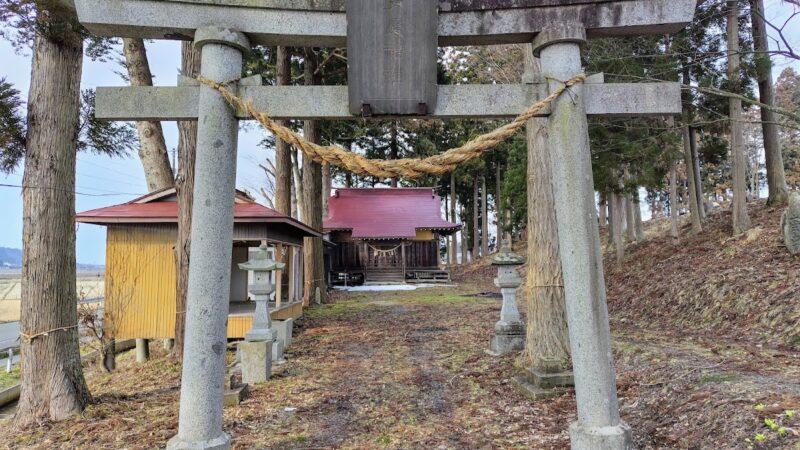
Sakakiyama Inari Shrine, located in the Kitayama district of Morioka City, Iwate Prefecture, is a historic shrine also known as “Morioka Kaiun Shrine.” It has a history of being designated as the guardian shrine for the development of Morioka City at the same time as the construction of Morioka Castle, and even today, the shrine grounds offer many attractions, including the scenic garden “Ryokufuen” and the “Shinji Pond.”
This article comprehensively introduces information you should know before visiting Sakakiyama Inari Shrine, from its history and highlights to goshuin information and access methods.
What is Sakakiyama Inari Shrine? | The Guardian Shrine Protecting Morioka City
Sakakiyama Inari Shrine was founded in 1597 (Keicho 2) by Nanbu Nobunao, the 26th head of the Nanbu clan. The shrine was named “Sakakiyama Inari Shrine” because it was enshrined in the Sakakiyama Kuruwa (enclosure) within Morioka Castle during its construction.
The main deity is Toyouke-no-Okami, worshipped as the god of abundant harvests and business prosperity. Lord Nanbu Nobunao designated it as the guardian shrine for the development of Morioka, staking the fate of his domain on it. Therefore, it can be said that this shrine has watched over the development and prosperity of Morioka.
The Common Name “Morioka Kaiun Shrine”
Sakakiyama Inari Shrine is also affectionately known as “Morioka Kaiun Shrine.” This is because, within its grounds, Sakakiyama Inari Shrine serves as the main shrine, and 14 (sometimes listed as 16) smaller shrines are enshrined there. These are collectively referred to as “Morioka Kaiun Shrine.”
“Kaiun” means “good fortune,” and the shrine is known as a power spot visited by many worshippers praying for financial luck, business prosperity, and good fortune.
History of Sakakiyama Inari Shrine | Relocation from Morioka Castle to its Current Location
From its Founding to the Morioka Domain Era
The history of Sakakiyama Inari Shrine dates back to the time of Minamoto no Yoshimitsu (Shinra Saburo Yoshimitsu), an ancestor of the Nanbu clan. Minamoto no Yoshimitsu revered “Sakakiyama Inari Daimyojin (Toyouke no Okami),” and when Lord Nanbu Nobunao built Morioka Castle in 1597 (Keicho 2), he enshrined it within the castle grounds, making it the guardian deity of the entire territory.
Throughout the Morioka Domain era, Sakakiyama Inari Shrine was deeply revered by the lord and his people as the guardian deity of the castle town. Because it was located within Morioka Castle, it can be said that the shrine has grown alongside the development of Morioka.
The Meiji Restoration and the Crisis of Abolition
Following the Meiji Restoration and reforms such as the separation of Shinto and Buddhism and the abolition of the feudal domains, Morioka Castle was abandoned, and Sakakiyama Inari Shrine was temporarily abolished. This was because it became difficult for the shrine to survive as a shrine located within Morioka Castle.
During this period, many shrines within castle grounds were forced to abolish or relocate, and Sakakiyama Inari Shrine was no exception.
Restoration in the Early Showa Period and Relocation to the Current Location
Although Sakakiyama Inari Shrine had been abolished, it was restored in the early Showa period thanks to the enthusiasm of local residents and believers. It was relocated from within Morioka Castle to its current location in the Kitayama district, and a new shrine area was developed.
The current location is in the Kitayama area, where many temples are located, at the end of a slope after climbing from the intersection of National Route 4 near the Kitayama Tunnel. After the restoration, the scenic garden “Ryokufuen” was also developed, and it remains a magnificent shrine area that adorns Morioka’s four seasons to this day.
Highlights of the Shrine Grounds | Scenic Garden and Shinji Pond
The grounds of Sakakiyama Inari Shrine boast not only historical buildings but also beautiful gardens and natural landscapes.
Scenic Garden “Ryokufuen”
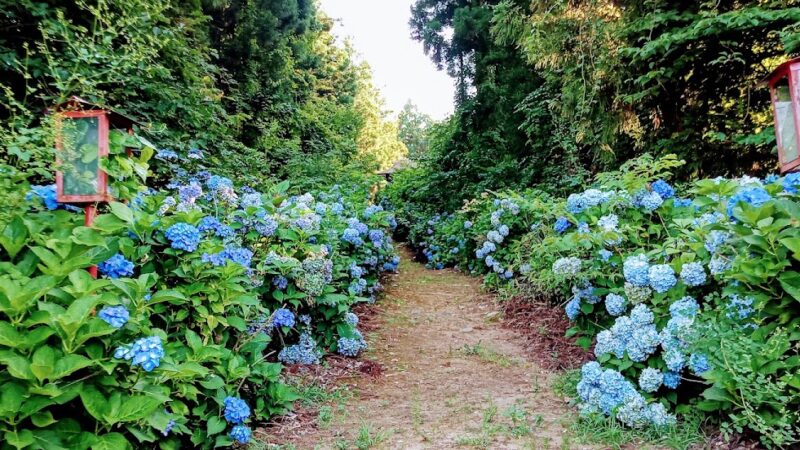
The “Ryokufuen” garden within the shrine grounds is a scenic garden with historical ties dating back to the Morioka Domain era. It is a beautiful garden incorporating the style of Japanese gardens, and is a rare example of a full-fledged garden for a shrine.
Ryokufuen displays different expressions throughout the seasons, offering a different atmosphere depending on the time of year: fresh greenery in spring, deep green in summer, autumn leaves in fall, and snowscapes in winter. Especially during the autumn foliage season, the entire forest within the shrine grounds turns red and yellow, attracting many worshippers and tourists.
Shinji Pond
At the center of Ryokufuen is a large pond called “Shinji Pond.” This pond was created in the shape of the kanji character for “heart,” employing traditional Japanese garden techniques.
A walking path surrounds the Shinji Pond, allowing visitors to enjoy the garden’s beauty from various angles as they circle the pond. The reflections of the trees and sky on the pond’s surface are truly picturesque.
As the heart of this majestic sacred site, showcasing the colors of the four seasons, the Shinji Pond is a must-see spot when visiting Sakakiyama Inari Shrine.
Cherry Blossom-Lined Approach
A row of cherry trees lines the approach to the shrine grounds, welcoming visitors with their full bloom in spring. Known as a famous cherry blossom viewing spot in Morioka City, it is bustling with locals during the cherry blossom season.
Walking through a tunnel of cherry blossoms along the approach is a unique charm of Sakakiyama Inari Shrine.
Subsidiary Shrines (14 Auxiliary Shrines)
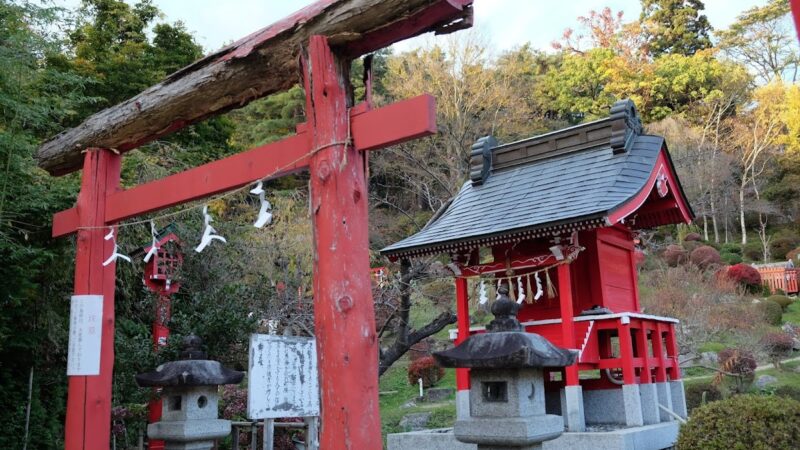
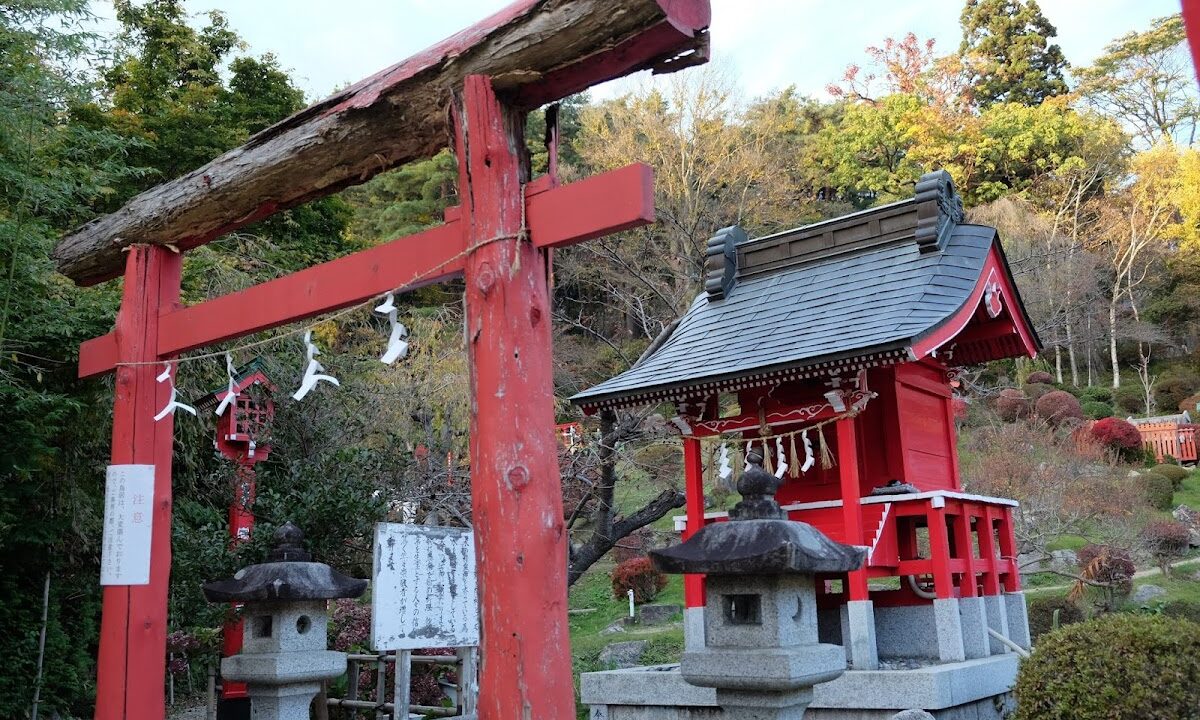
In addition to the main shrine, Sakakiyama Inari Shrine has 14 (or 16, according to some sources) subsidiary shrines of varying sizes. These shrines enshrine various deities, each believed to offer different blessings. A unique feature of Morioka Kaiun Shrine is that you can pray for overall good fortune and prosperity by visiting each shrine within the grounds.
Forests and Natural Landscape
Sakakiyama Inari Shrine, nestled on the slopes of Kitayama, is surrounded by abundant nature. The forests within the shrine grounds offer beautiful scenery throughout the seasons, creating a tranquil space far removed from the hustle and bustle of the city.
Especially during the autumn foliage season, the entire shrine grounds are dyed in vibrant autumn colors, making it one of the most popular autumn foliage spots in Morioka City.
Goshuin Information | Goshuin of Sakakiyama Inari Shrine
You can receive a goshuin (shrine stamp) at Sakakiyama Inari Shrine. Many visitors collect goshuin as proof of their visit or as a memento of their trip.
Features of the Goshuin
The goshuin of Sakakiyama Inari Shrine sometimes includes the shrine’s name along with its common name, “Morioka Kaiun Shrine.” Furthermore, different designs of goshuin (temple/shrine stamps) are sometimes given out depending on the season, so you can enjoy different goshuin depending on when you visit.
Goshuin Reception
Goshuin are available at the shrine office. After visiting the shrine, go to the shrine office, leave your goshuin book, and have it stamped. The offering fee is similar to that of most shrines, around 300 to 500 yen.
When receiving a goshuin, it is considered good manners to first visit the main shrine before going to the shrine office.
Benefits and the Charm of a Power Spot
Sakakiyama Inari Shrine, as its common name “Morioka Kaiun Shrine” suggests, is known as a power spot for good fortune and prosperity.
Main Benefits
- Good Fortune and Prosperity: As the name “Kaiun” (good fortune) suggests, it brings about an overall increase in luck.
- Increased Financial Luck: Business prosperity and success.
- Abundant Harvest: The blessings of agriculture and food from the divine grace of Toyouke-no-Okami.
- Family Safety: Health and peace for the family.
- Protection from Misfortune: Protection from disaster.
As a Power Spot for Financial Luck
Many visitors pray for financial luck and business prosperity, and a significant number come to pray for lottery winnings. Due to its history as a shrine established by Lord Nanbu Nobunao, who staked the fate of his domain on it, business owners and others praying for success in important decisions and ventures also visit.
As a shrine that brought development and prosperity to Morioka, its history of watching over the prosperity of the entire city has led to its modern-day worship as a power spot.
Access Information | How to Get to Sakakiyama Inari Shrine
Basic Information
- Location: 2-12-12 Kitayama, Morioka City, Iwate Prefecture
- Phone Number: Please check the shrine’s official information.
- Visiting Hours: Anytime during the day (Please check the shrine office’s reception hours).
- Parking: Available (Limited number of spaces, so be careful during busy times).
Access by Train
Approximately 11 minutes on foot from JR Yamada Line “Kami-Morioka Station”
From Kami-Morioka Station, head towards Kitayama, pass through the temple district of Kitayama, and go up the hill. There are signs along the way, making it a relatively easy route even for first-time visitors.
Access by Car
From National Route 4
From the intersection of National Route 4 near the Kitayama Tunnel, head up the hill towards Kitayama. The shrine is at the end of the road. If using a car navigation system, please search for “Sakakiyama Inari Shrine” or “2-12-12 Kitayama, Morioka City.”
Parking
There is parking space on the shrine grounds, but the number of spaces is limited. Especially during New Year’s visits, festivals, and the autumn foliage season, congestion is expected, so please consider using public transportation.
Annual Events and Festivals
Sakakiyama Inari Shrine holds various festivals and events throughout the year.
New Year’s Visit
Many worshippers visit the shrine for their first shrine visit of the new year. As a shrine for good fortune and prosperity, it is bustling with people praying for improved luck in the new year. It is especially crowded from January 1st to the 3rd, so it is recommended to visit with plenty of time to spare.
Annual Grand Festival
During the annual Grand Festival, Shinto rituals are performed, and the shrine grounds are enveloped in a solemn atmosphere. It is an important annual event for the local people.
Seasonal Festivals
In the spring cherry blossom season and the autumn foliage season, you can feel the solemnity of the sacred grounds along with the beauty of nature. Even without special festivals, it’s worth visiting to enjoy the changing scenery of the seasons.
Nearby Tourist Attractions | Temple and Shrine Tour in the Kitayama Area
The Kitayama area, where Sakakiyama Inari Shrine is located, is an area in Morioka City with a high concentration of temples.
Kitayama Temple District
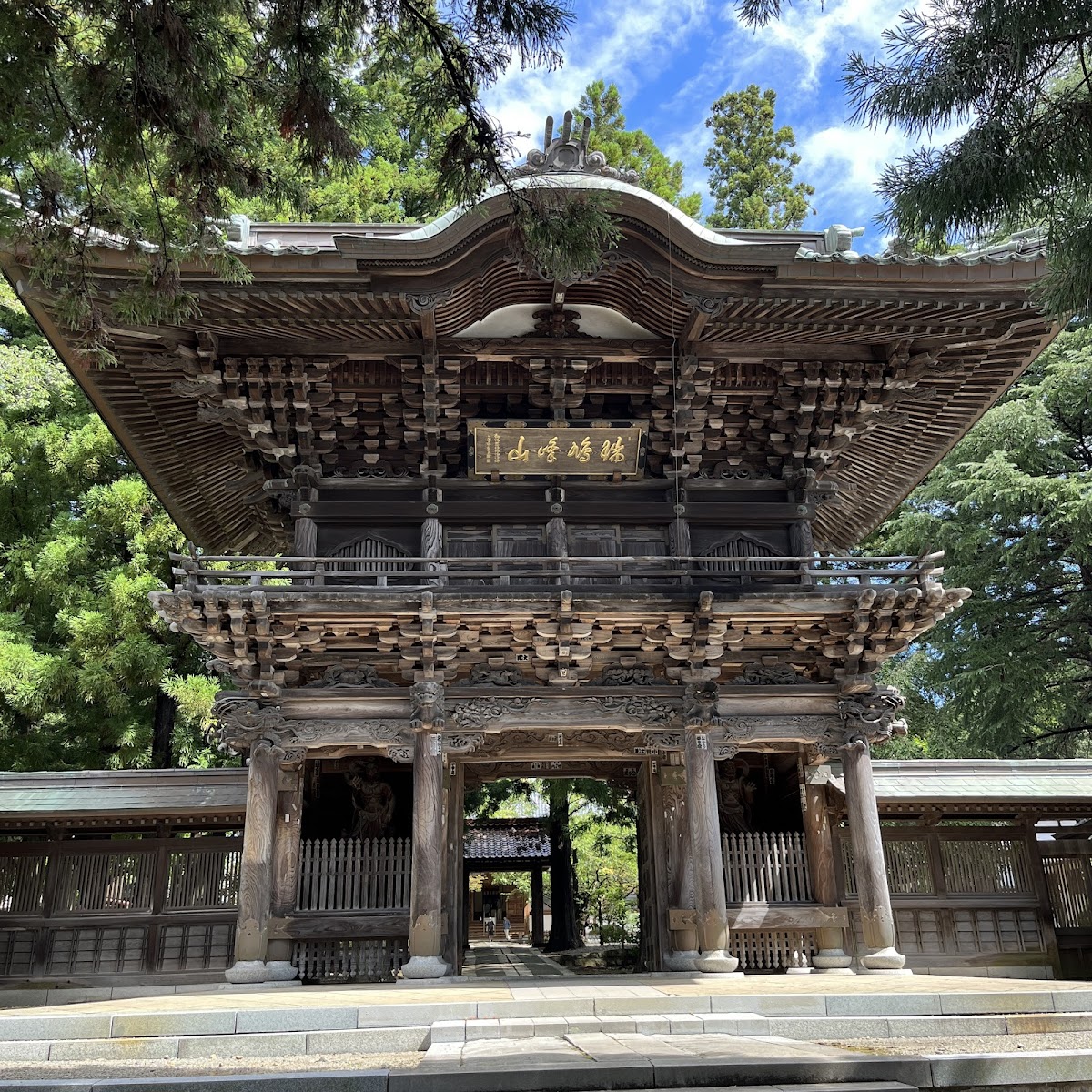
Many historical temples stand around Sakakiyama Inari Shrine. If you have time, it’s recommended to visit Sakakiyama Inari Shrine in conjunction with a temple tour of Kitayama.
Morioka Castle Ruins Park (Iwate Park)
The site of Morioka Castle, where Sakakiyama Inari Shrine once stood, is now developed as “Morioka Castle Ruins Park” (Iwate Park). While strolling through the park, where the stone walls remain, you can reflect on the history of Sakakiyama Inari Shrine.
Morioka City Center
Sakakiyama Inari Shrine is about a 10-minute drive from Morioka city center. You can also visit Morioka’s tourist attractions such as “Ishiwari-zakura” (Stone-Splitting Cherry Tree), “Morioka History and Culture Museum,” and “Morioka Hachimangu Shrine.”
Manners and Precautions for Visiting a Shrine
Basic Manners for Visiting a Shrine
- Bow before passing through the torii gate: This is a courtesy before entering the sacred area.
- Avoid walking in the center of the approach: The center is considered the path for the gods.
- Purify yourself at the water basin: Cleanse your hands and mouth before praying.
- Two bows, two claps, one bow: This is the basic way to pray at a shrine.
Photography
The beautiful scenery of the shrine grounds is a popular photo spot, but consideration must be given to avoid disturbing other visitors. Especially inside the main hall and during Shinto rituals, refrain from taking photos or obtain permission.
Clothing
There are no strict dress code regulations, but it is desirable to wear clothing appropriate for a sacred place. Especially when receiving prayers, avoid overly casual attire.
Summary of the Charms of Sakakiyama Inari Shrine
Sakakiyama Inari Shrine is a shrine with a history of over 400 years, beginning with the construction of Morioka Castle. After being abolished during the Meiji Restoration, it was rebuilt in the early Showa period and now continues to watch over the city of Morioka from its location in Kitayama.
Affectionately known as “Morioka Kaiun Shrine,” it attracts many visitors as a power spot for good fortune, prosperity, and increased wealth. Within the shrine grounds are the scenic garden “Ryokufuen” and “Shinji Pond,” where visitors can enjoy the beautiful scenery of each season.
When visiting Morioka, why not take some time to quietly pray in this majestic shrine where history and nature harmonize? You’re sure to feel the power of the shrine that has watched over the development and prosperity of Morioka.
Its convenient location, within walking distance of Kami-Morioka Station, is also a major attraction, making it easy to visit as part of your Morioka sightseeing. Enjoy receiving a Goshuin (temple stamp), strolling through Ryokufuen Garden, and visiting the subsidiary shrines within the temple grounds, while immersing yourself in the history and culture of Morioka.