Tsutsumishima Shrine (Iwate Prefecture) Complete Guide | History, Blessings, Access, and Festival Information
What is Tsutsumishima Shrine?
Tsutsumishima Shrine is a historical shrine located in Iwate Prefecture, attracting the faith of the local community. Affectionately known as “Tsutsumishima-sama” by local residents, it has long been revered as the guardian deity of the region.
The name “Tsutsumishima” is thought to originate from the fact that this area was once an island-like geographical feature surrounded by rivers and bodies of water. While there may be multiple Tsutsumishima Shrines within Iwate Prefecture, each is a place of worship deeply intertwined with the history of its region.
Characteristics of Tsutsumishima Shrine
The main characteristics of Tsutsumishima Shrine are as follows:
- Community-based shrine: The center of local residents’ tutelary deity worship
- Connection with water: Historical relationship with waterfronts inferred from the place name
- Traditional festivals: Annual events supporting the local community
- Natural environment: Shrine grounds surrounded by the rich nature of Iwate
History and Origins of Tsutsumishima Shrine
History of Founding
While the exact founding date of Tsutsumishima Shrine is unclear due to the loss of ancient documents, local elders’ traditions and local historical materials suggest that it has been a center of local faith since at least the Edo period.
Iwate Prefecture was under the rule of the Nanbu clan from ancient times, and during the feudal period, shrines dedicated to tutelary deities were established in each region. Tsutsumishima Shrine is thought to have developed as a spiritual pillar of the region within this historical context.
Changes Since the Meiji Era
The Meiji-era separation of Shinto and Buddhism and the policy of consolidating shrines had a significant impact on shrines throughout Japan. It’s possible that Tsutsumishima Shrine underwent a reorganization of its rank and improvements to its grounds during this period.
Even as times changed from Showa to Heisei and then to Reiwa, the shrine was preserved thanks to the deep faith of the local residents, and it continues to this day.
Deities and Divine Virtues
Main Deities
While the deities enshrined at Tsutsumishima Shrine may vary depending on the shrine’s history and local traditions, the following deities are generally believed to be worshipped:
- Ōnamuchi-no-Mikoto: God of national development
- Sukunahikona-no-Mikoto: God of medicine and hot springs
- Ukanomitama-no-Mikoto: God of abundant harvests
- Sarutahiko-no-Mikoto: God of opening paths
These deities have been worshipped in prayer for regional development, agricultural progress, and the safety and prosperity of the residents.
Divine Blessings and Virtues
The main blessings believed to be bestowed by visiting Tsutsumishima Shrine are as follows:
Abundant Harvest and Business Prosperity
The shrine enjoys deep faith from local residents praying for the development of agriculture and commerce, with many visiting to pray for a bountiful harvest and business success.
Family Safety and Good Health
Many visitors pray for the health and peace of their families, and the shrine is especially bustling with families during the New Year’s visit.
Protection from Misfortune and Protection from Unfavorable Directions
Prayers for protection from misfortune at life’s turning points, and protection from unfavorable directions during construction and relocation are also offered.
Traffic Safety
As a deity protecting the safety of the community, the shrine also accepts blessings for cars and prayers for traffic safety.
Matchmaking and Prosperity of Descendants
Prayers for successful matchmaking, fertility, and safe childbirth are also offered.
Highlights of the Shrine Grounds
Main Hall and Worship Hall
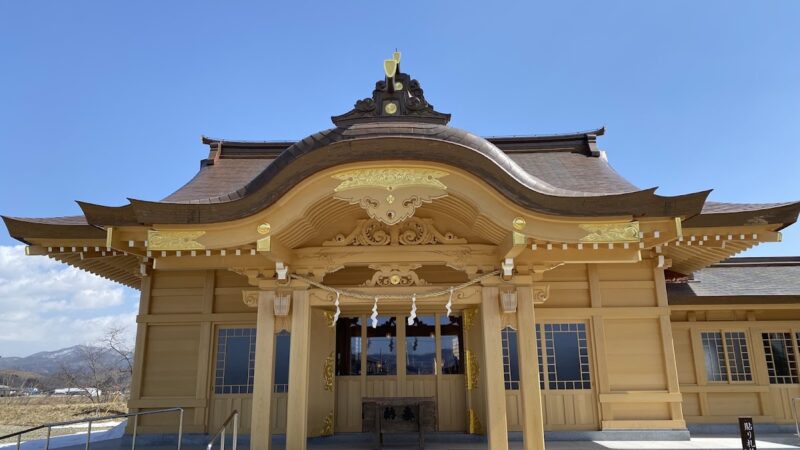
The main hall of Tsutsumishima Shrine is built in the traditional style of shrine architecture and serves as the center of local faith. Daily worship and prayers are performed in the worship hall, creating a solemn atmosphere.
The architectural style exhibits characteristics of traditional shrine architecture in Iwate Prefecture, featuring a simple yet dignified construction that makes full use of wood.
Shrine Office
The shrine office handles the distribution of goshuin (shrine stamps) and amulets, as well as prayer requests. Visitors can also inquire about the shrine’s history and annual events at the shrine office.
Subsidiary Shrines
Several subsidiary shrines (sessha/massha) may be enshrined around the main hall. These enshrine deities deeply connected to the region’s history and beliefs, and it is recommended to visit them along with the main hall.
Sacred Trees and Nature
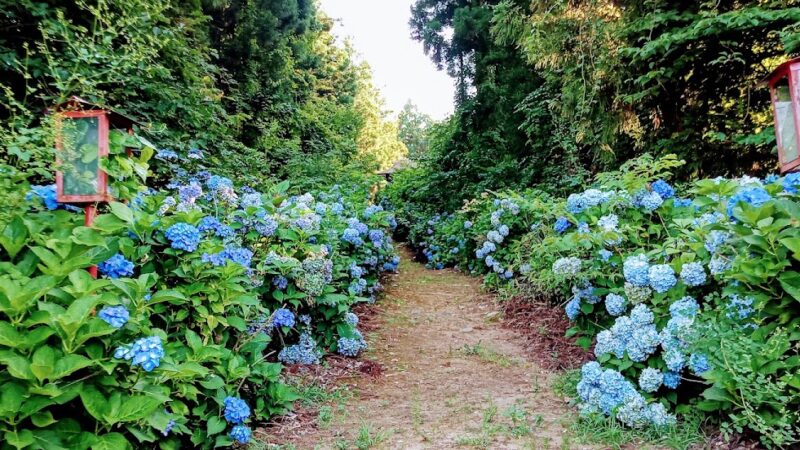
Surrounded by the rich nature of Iwate, the grounds of Tsutsumishima Shrine feature ancient sacred trees and seasonal flowers. In particular:
- Spring: Cherry blossoms and fresh greenery adorn the shrine grounds.
- Summer: A refreshing space enveloped in deep green.
- Autumn: Beautiful autumn leaves delight visitors.
- Winter: A tranquil atmosphere amidst a snowy landscape.
The shrine grounds, displaying different expressions in each season, offer peace of mind to visitors.
Annual Events and Festivals
Grand Festival
The Grand Festival, the most important festival of Tsutsumijima Shrine, is the most formal festival held once a year to honor the shrine’s deity. Many shrines hold it in spring or autumn.
The Grand Festival includes:
- Shinto rituals (recitation of prayers, offering of sacred branches, etc.)
- Dedication of Kagura and dance performances
- Participation by local residents
- Naorai (post-ceremony feast)
These events serve as an important opportunity to deepen the bonds of the local community.
New Year’s Visit and Festival
As the new year begins, many worshippers visit shrines for their first shrine visit of the year. From New Year’s Day to the third day, the shrines are bustling with people praying for family safety, good health, business prosperity, and more.
At the New Year’s Festival, Shinto rituals are performed to pray for peace and prosperity throughout the year, with representatives of the parishioners and local community members in attendance.
Spring and Autumn Grand Festivals
Many shrines hold grand festivals twice a year, in spring and autumn:
Spring Grand Festival
A festival is held to pray for a bountiful harvest, coinciding with the start of agricultural work.
Autumn Grand Festival
A festival to give thanks for the harvest and pray for a good harvest the following year. A Shinto ritual offering of the new grain to the gods is also performed.
Summer Festivals
In some regions, festivals are held in the summer. These festivals are an opportunity to pray for the healthy growth of children and to deepen community bonds.
Monthly Festival
A monthly festival (tsukinami-sai) is held on a fixed day each month to pray for daily peace and the well-being of the community.
Goshuin (Shrine Seals) and Other Items
Goshuin (Shrine Seals)
Tsutsumishima Shrine may offer goshuin. Goshuin are cherished as proof of worship and as a symbol of connection with the shrine.
Guidelines for Receiving a Goshuin (Shrine Stamp):
- Receive the Goshuin after completing your prayers.
- Prepare your Goshuincho (stamp book).
- Check the shrine office’s reception hours.
- Prepare the offering fee (for the Goshuin).
Amulets and Lucky Charms
Tsutsumishima Shrine is believed to offer a variety of amulets and lucky charms:
- Exorcism Amulet: For those in their unlucky year or those wishing for protection from misfortune.
- Traffic Safety Amulet: For safe driving and accident-free driving.
- Academic Success Amulet: For students and those taking exams to improve their academic performance.
- Health Amulet: For those wishing for recovery from illness or maintaining good health.
- Matchmaking Amulet: For those seeking a good match.
- Family Safety Amulet: For those wishing for peace and well-being for their family.
These amulets are meant to help you feel the protection of the gods close at hand.
Talismans and Divine Charms
Divine talismans (ofuda) for enshrining in your home shrine are also available. By enshrining the deity in a household altar, you can receive divine protection for your home.
Etiquette and Manners for Visiting a Shrine
Basic Etiquette for Visiting a Shrine
The basic flow of visiting a shrine is as follows:
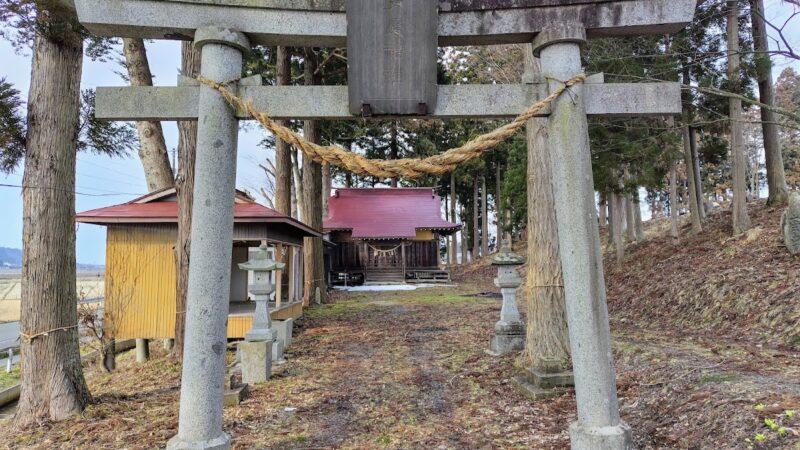
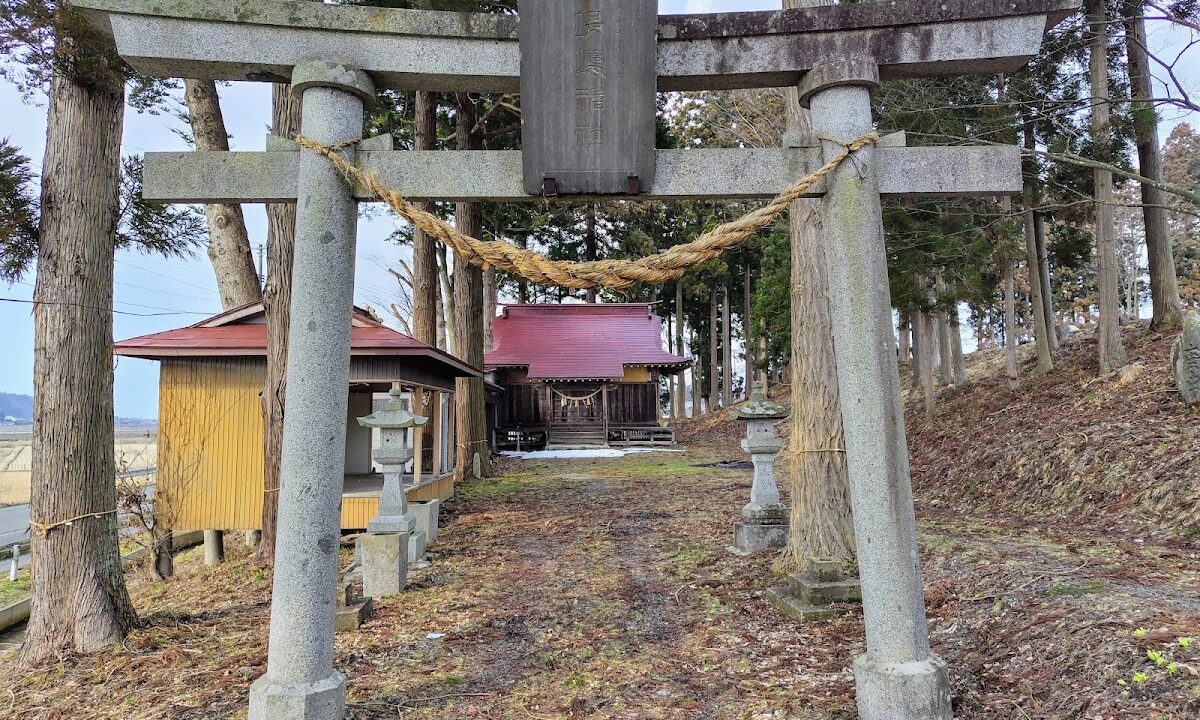
1. Passing Through the Torii Gate
Bow before the torii gate before entering the shrine grounds. The torii gate is the entrance to the sacred area, and it is a sign of respect.
2. Purifying at the Water Basin
Purify your body and mind at the water basin (temizuya/chozuya):
- Hold the ladle in your right hand and wash your left hand.
- Switch the ladle to your left hand and wash your right hand.
- Switch the ladle back to your right hand, receive water in your left hand, and rinse your mouth.
- Rinse your left hand.
- Hold the ladle upright, let the water flow down the handle, and return it to its original place.
3. Walking Along the Path
The center of the path is considered the path of the gods, so it is polite to walk along the side.
4. Worship at the Main Hall
Worship is performed using the following ritual: two bows, two claps, and one bow:
- Place an offering in the offering box
- Ring the bell (if present)
- Bow deeply twice (two bows)
- Clap your hands twice in front of your chest (two claps)
- Pray sincerely
- Bow deeply once (one bow)
5. Worship at Subsidiary Shrines
It is considered desirable to worship at the subsidiary shrines and smaller shrines within the grounds, in addition to the main hall.
Attire for Visiting the Shrine
Unless you are receiving a special prayer, everyday attire is acceptable for visiting the shrine. However, please note the following:
- Wear clean clothing.
- Avoid overly revealing clothing.
- Remove hats and sunglasses in front of the main hall.
- Formal attire is recommended if receiving a prayer.
Photography Etiquette
Regarding photography on the shrine grounds:
- Photography inside the main hall is generally prohibited.
- Be considerate of other visitors.
- Refrain from taking photos during Shinto rituals.
- Do not take photos in areas where photography is prohibited.
Access Information
Location
We recommend confirming the exact location of Tsutsumishima Shrine in advance. Since there may be multiple shrines with the same name in Iwate Prefecture, please be sure to check before visiting.
Access by Car
Many shrines in Iwate Prefecture are easily accessible by car:
- Use local roads from the nearest interchange
- Enter the shrine name or address into your car’s navigation system
- Check parking availability in advance
Parking
There may be parking available for visitors on the shrine grounds or nearby. Temporary parking may also be available during festivals.
Access by Public Transportation
Train
You will need to walk, take a bus, or take a taxi from the nearest station. Railway lines in Iwate Prefecture:
- JR Tohoku Main Line
- JR Yamada Line
- JR Kamaishi Line
- IGR Iwate Galaxy Railway
- Sanriku Railway Rias Line
Bus
Local bus routes may operate. Since the number of buses may be limited, it is recommended to check the timetable in advance.
Taxi
It is also possible to take a taxi from the nearest station or bus stop.
Important Notes Regarding Access
- Snowfall in Winter: Iwate Prefecture experiences snowfall in winter, so snow road precautions are necessary when visiting during this time.
- Road Conditions: Roads may be narrow in mountainous or suburban areas.
- Opening Hours: Please check the shrine office’s opening hours in advance.
- Crowds During Festivals: Crowds are expected during major festivals such as the annual grand festival.
Nearby Tourist Attractions
The Charms of Iwate Prefecture
When visiting Tsutsumishima Shrine, you can also enjoy the rich nature and historical sites of Iwate Prefecture.
Natural Scenery
- The breathtaking scenery of the Sanriku Coast
- The plateau beauty of Hachimantai
- The scenic beauty of Genbikei and Geibikei Gorge
- The idyllic scenery of Koiwai Farm
History and Culture
- Hiraizumi World Heritage Site (Chusonji Temple, Motsuji Temple, etc.)
- Morioka Castle Ruins Park
- Tono Folk Tale Village
- Miyazawa Kenji Memorial Museum
Hot Springs
- Hanamaki Onsenkyo
- Oushuku Onsen
- Tsunagi Onsen
- Geto Onsen
Local Specialties and Gourmet Food
Local flavors to try when visiting Iwate Prefecture:
- Wanko Soba: A Morioka specialty
- Morioka Reimen: Chewy noodles and refreshing soup
- Jajamen: One of Morioka’s three famous noodle dishes
- Maesawa Beef: Iwate’s proud brand of beef
- Nanbu Senbei: A traditional local confectionery
- Sanriku Seafood: Fresh seafood
Points to Note When Visiting Tsutsumishima Shrine
Best Time to Visit
Spring (April-June)
Beautiful fresh greenery and pleasant weather. This is also the time of the Spring Grand Festival.
Summer (July-August)
Enjoy the coolness of the lush green grounds. A summer festival may also be held.
Autumn (September-November)
Beautiful autumn foliage and the Autumn Grand Festival. A time to express gratitude for the harvest.
Winter (December-March)
The tranquil atmosphere amidst the snowy landscape is appealing. The shrine is bustling with many visitors during the New Year’s visit period.
Estimated Time Required for Visit
For a normal visit, allow approximately 30 minutes to 1 hour. If you wish to receive prayers or stroll leisurely through the grounds, more time will be required.
Useful Items to Bring
- Goshuincho (stamp book) (if you wish to receive a Goshuin stamp)
- Hatsuhoryo (offering money, Goshuin fee, amulet fee, etc.)
- Camera (if you wish to photograph the shrine grounds)
- Comfortable walking shoes (if there are stairs or slopes on the shrine grounds)
- Warm clothing (winter) or sun protection (summer)
The Faith of Tsutsumishima Shrine and the Local Community
Ujiko Organization and Local Community
Tsutsumishima Shrine is supported by a ujiko (parishioner) organization as the local guardian deity. Ujiko are local residents who believe in the shrine’s guardian deity and cooperate in the maintenance and management of the shrine and the operation of festivals.
Main roles of the ujiko organization:
- Cleaning and maintenance of the shrine grounds
- Planning and operation of festivals
- Financial support for the shrine
- Preservation of traditional events
Involvement with Local Events
Tsutsumishima Shrine’s festival is positioned as an important annual event in the community. Through festivals:
- Intergenerational exchange is fostered
- Local traditional culture is passed down
- Community bonds are strengthened
- Local identity is nurtured
In this way, shrines are not merely places of worship, but play an important role in supporting the local community.
The Role of Shrines in Modern Times
Even in today’s world of increasing urbanization and depopulation, local shrines like Tsutsumishima Shrine play a vital role:
A Place of Spiritual Support
In today’s stressful society, shrines are places where people can find peace of mind.
Preservation of Traditional Culture
Through festivals and religious ceremonies, local traditional culture is passed down to future generations.
A Community Hub
It functions as a place where local residents gather and interact.
Coexistence with Nature
The rich natural environment within the shrine grounds is a valuable green space amidst increasing urbanization.
The Significance of Visiting Shrines
Why Visit Shrines?
Visiting shrines has various meanings:
Expression of Gratitude
We express our gratitude to the gods for the peace and blessings we receive in our daily lives.
Prayer
We pray to the gods for various wishes, such as the health of our family, the success of our business, and finding a good partner.
Purification of the Mind
We can escape the hustle and bustle of everyday life and find peace of mind in the quiet shrine grounds.
Connection with Tradition
We can connect with the faith and culture passed down from our ancestors.
What You Gain Through Shrine Visits
Through shrine visits, we can gain the following:
- Peace of Mind: Finding peace of mind in the tranquil shrine grounds
- Renewed Resolve: Reaffirming our goals before the gods
- Gratitude: A feeling of gratitude for the ordinary things in everyday life
- Connection with Nature: Experiencing the seasons through the nature on the shrine grounds
- Connection with the Community: An opportunity to learn about the history and culture of the region
Summary: Visiting Tsutsumishima Shrine
Tsutsumishima Shrine, located in Iwate Prefecture, is a shrine that conveys the local faith and history to the present day. It has long been revered by local residents as a spiritual center and as their guardian deity.
It is believed to offer various blessings, including abundant harvests, family safety, protection from evil, and traffic safety, and attracts many visitors throughout the year. Especially during the annual festival and New Year’s visits, local people gather and traditional festivals are held.
Tsutsumishima Shrine is located in Iwate Prefecture and is a shrine that conveys the local faith and history to the present day. Nestled amidst the abundant nature of Iwate Prefecture, the shrine grounds showcase the beauty of each season, offering peace and tranquility to visitors. When visiting, it is important to observe basic etiquette and approach the deities with reverence.
Before visiting Tsutsumishima Shrine, we recommend checking the location, office hours, and access information in advance. Combining your visit with other attractions in Iwate Prefecture, such as its rich natural beauty, historical sites, hot springs, and local cuisine, will make your trip even more fulfilling.
As a shrine deeply rooted in the community, Tsutsumishima Shrine will continue to walk hand in hand with the local community. By experiencing its history and traditions and offering quiet prayers, you will find renewed vitality and a sense of gratitude in your daily life.
We sincerely pray that your visit to Tsutsumishima Shrine will be fruitful and rewarding.