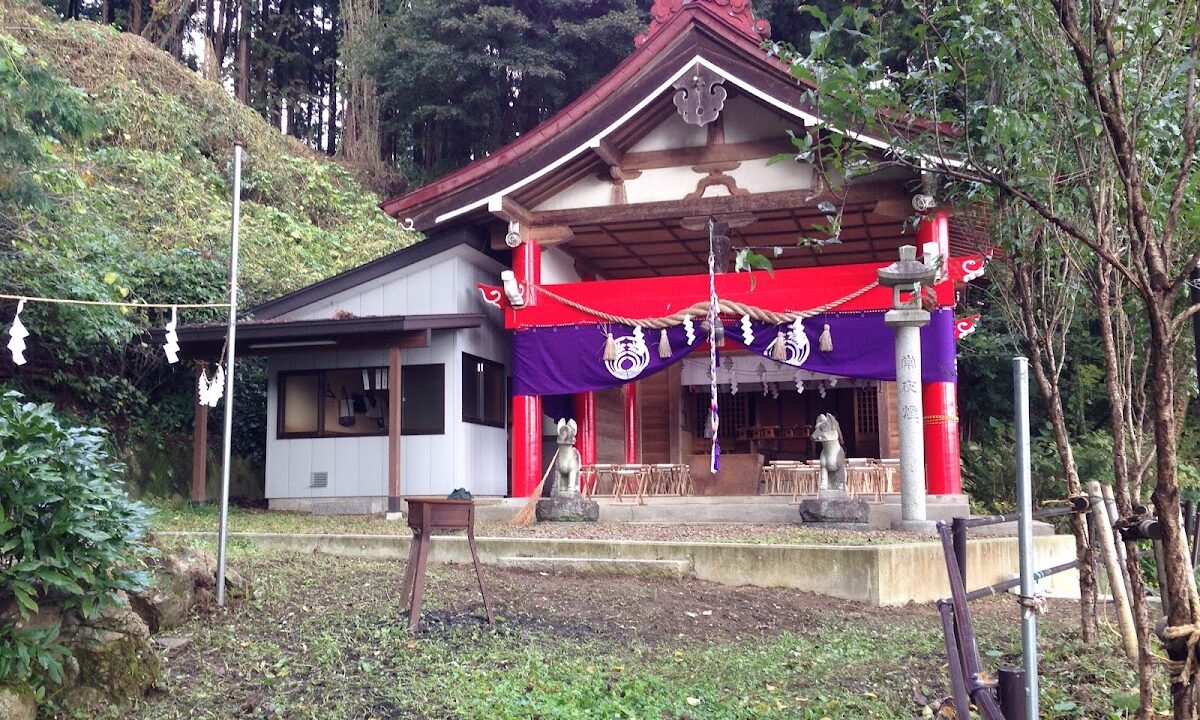
Iwatani Inari Shrine (Morioka City, Iwate Prefecture) Complete Guide | History, Deities, Goshuin (Shrine Seal), and Access Information
Iwatani Inari Shrine, located in the Yamagishi district of Morioka City, Iwate Prefecture, is a historic shrine that has been revered by the local people for over 300 years since the Edo period. Known for its diverse blessings, including business prosperity, abundant harvests, family safety, academic success, and matchmaking, the shrine is bustling with many worshippers during its annual Spring Grand Festival on May 9th. This article provides a detailed overview of Iwatani Inari Shrine, including its history, deities, annual events, goshuin information, and access methods.
Basic Information on Iwatani Inari Shrine
Iwatani Inari Shrine is located at 80 Zenjinsawashita, Yamagishi, Morioka City, Iwate Prefecture, and is cherished by local residents as the guardian deity of the Yamagishi area.
Location and Contact Information
- Address: 80 Zenjinsawashita, Yamagishi, Morioka City, Iwate Prefecture 020-0401
- Nearest Station: Within walking distance of Yamagishi Station on the JR Tohoku Main Line
- Parking: Available (for worshippers)
The Yamagishi area is located in the eastern part of Morioka City, a quiet residential area where nature harmonizes. The shrine serves as a central presence in the local community, a spiritual anchor for the residents.
History and Founding of Iwaya Inari Shrine
The history of Iwaya Inari Shrine dates back to the mid-Edo period. It was founded on June 10, 1710 (Hoei 7), by the 32nd Lord Nanbu Toshimoto.
Deep Relationship with the Nanbu Domain
Lord Nanbu Toshimoto is known as the lord of the Morioka Domain and was a wise ruler who devoted himself to the promotion of industry and the stability of the people’s lives within his territory. The founding of Iwatani Inari Shrine is believed to have been intended to pray for the development of the Yamagishi region and the stability of the lives of its residents.
The Nanbu Domain prioritized agricultural policies centered on rice cultivation, and it is thought that they prayed for the development of agriculture in the region by enshrining Inari, the god who presides over abundant harvests. Furthermore, with commercial development in mind, the shrine also came to be revered as a god of business prosperity.
A Faith That Continues for Over 300 Years
Even now, more than 300 years after its founding, Iwatani Inari Shrine continues to attract unwavering devotion as the guardian deity of the Yamagishi region. The history of the shrine, which has walked hand in hand with the development of the region, can be said to be the history of the Yamagishi district itself.
From the turbulent times before and after the war, through the period of rapid economic growth, and up to the present day, it has continued to exist as a spiritual support for the local residents.
Deities and Blessings
Two deities are enshrined at Iwatani Inari Shrine.
Ukanomitama-no-Mikoto
Ukanomitama-no-Mikoto is a deity worshipped nationwide as the principal deity of Inari shrines. “Uka” means grain or food, and “tama” represents spirit. Therefore, he is revered as the spirit of food and the god of grain.
Benefits of Ukanomitama-no-Mikoto:
- Abundant harvests
- Business prosperity
- Industrial development
- Abundance of clothing, food, and shelter
- Family safety
In agricultural societies, food is the source of life, and Ukanomitama-no-Mikoto was an important deity supporting the foundation of life. Even today, he is revered by many business owners and entrepreneurs as a god of business prosperity and success.
Takeminakata-no-Mikoto
Takeminakata-no-Mikoto is a deity known as the principal deity of Suwa Grand Shrine and is a son of Okuninushi-no-Mikoto. He is revered as a god of martial prowess, as well as a god of agriculture and hunting.
Benefits of Takeminakata-no-Mikoto:
- Long-lasting military fortune
- Improved luck in competitions
- Academic success
- Finding a partner
- Fulfillment of all wishes
By enshrining Takeminakata-no-Mikoto together with Inari-no-Kami, this form of worship seeks protection in both the sense of stability in life and spiritual strength.
Comprehensive Benefits of Iwatani Inari Shrine
The combined power of the two enshrined deities is believed to provide the following diverse benefits at Iwatani Inari Shrine:
- Business Prosperity: Development of businesses, prosperity of stores
- Abundant Harvest: Abundant crops, blessings of food
- Family Safety: Health and peace of the family
- Academic Success: Passing exams, improvement of academic ability
- Matchmaking: Success in finding a good partner, smooth interpersonal relationships
- Fulfillment of Food, Clothing, and Shelter: Stability and abundance in all aspects of life
Spring Grand Festival and Annual Events
Various Shinto rituals are performed at Iwatani Inari Shrine throughout the year.
Spring Grand Festival (May 9th)
The Spring Grand Festival, held annually on May 9th, is the most important annual event at Iwatani Inari Shrine. On this day, many parishioners and worshippers gather, and the shrine is enveloped in the most lively atmosphere of the year.
Contents of the Spring Grand Festival:
- Shinto rituals and ceremonies
- Kagura performance (held depending on the year)
- Volunteer activities by local residents
- Hospitality for worshippers
The Spring Grand Festival is more than just a religious event; it is a valuable opportunity for the Yamagishi community to come together. It plays an important role in deepening community bonds and passing on traditions to the next generation.
Other Annual Events
- Hatsumode (First Shrine Visit of the New Year, January 1st-3rd): Bustling with worshippers praying for happiness in the new year.
- Setsubun Festival (Around February 3rd): Prayers for protection from evil and for good fortune.
- Natsukoshi no Harae (Summer Purification Ceremony, End of June): Purification of the impurities accumulated over the past six months and prayers for good health for the remaining half of the year.
- Autumn Harvest Thanksgiving Festival (Around November): Gratitude for a bountiful harvest.
- Year-End Grand Purification Ceremony (December 31st): Purification of the impurities accumulated over the year.
Goshuin (Shrine Seal) Information
Information regarding Goshuin at Iwatani Inari Shrine should be confirmed in advance.
Regarding the Reception of Goshuin (Shrine Seals)
Please note the following points if you wish to receive a Goshuin, as some shrines do not offer this service at all times:
- Reception Hours: Reception may be available during events such as the annual festival.
- Contact Information: We recommend contacting the Yamagishi District Neighborhood Association Federation.
- Manners: A Goshuin is not merely a commemorative stamp, but proof of your visit. Please be sure to offer your prayers before receiving your Goshuin.
Regarding Goshuincho (Shrine Seal Books)
It is customary to bring your own Goshuincho when receiving a Goshuin. We recommend checking before your visit whether the shrine has its own original Goshuincho.
Highlights of the Shrine Grounds
The grounds of Iwatani Inari Shrine offer various points of interest that evoke a sense of history and faith.
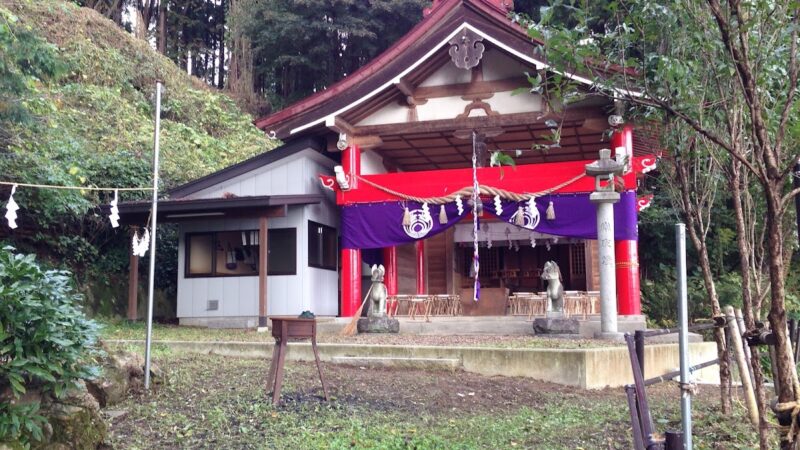
Main Hall and Worship Hall
Since its founding in the Edo period, it has undergone several restorations to reach its current form. The simple yet dignified architectural style speaks to the deep faith of the local people.
Komainu (Guardian Dogs) and Torii Gate
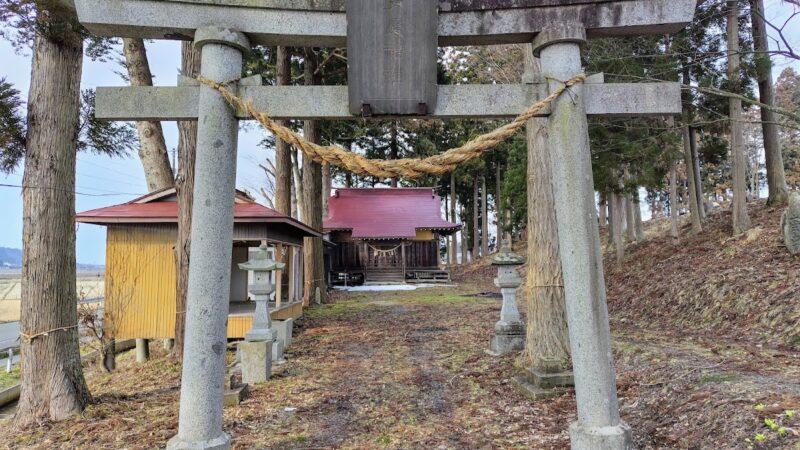
A vermilion torii gate, a symbol of Inari shrines, stands along the approach to the shrine, welcoming visitors. The guardian dogs have withstood the elements for many years, protecting the sacred grounds.
Nature within the Shrine Grounds
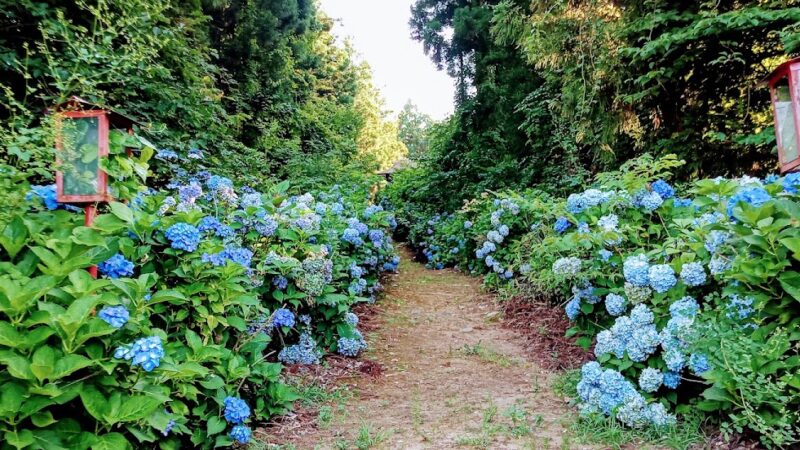
The abundant nature surrounding the shrine displays different expressions throughout the seasons. Fresh greenery in spring, deep green in summer, vibrant autumn leaves, and snowscapes in winter—you can enjoy a different beauty each time you visit.
Access Information
Here’s how to access Iwatani Inari Shrine.
Access by Train
From JR Tohoku Main Line “Yamagishi Station”:
- Approximately 15-20 minutes on foot
- Approximately 5 minutes by taxi
Yamagishi Station is located a few stops north of Morioka Station, making it relatively easy to access.
Access by Car
From Morioka City Center:
- Approximately 20-30 minutes via National Route 4
- Approximately 30 minutes from Morioka IC on the Tohoku Expressway
Car Navigation Settings:
- Address: 80 Zenjinsawashita, Yamagishi, Morioka City, Iwate Prefecture
- Search for “Iwaya Inari Shrine” in a map app
Parking Information
Parking is available for visitors, but congestion is expected during events such as the Spring Grand Festival. Please consider using public transportation.
Manners and Etiquette for Visiting Shrines
When visiting a shrine, please observe the following basic manners.
Basic Etiquette for Visiting a Shrine
- Bow before passing through the torii gate: This shows respect for entering the sacred area.
- Avoid walking in the center of the path: The center is considered the path of the gods.
- Purify yourself at the water basin: Purify your left hand, then your right hand, then your mouth.
- Worship at the main hall: Two bows, two claps, and one bow is the basic ritual.
Etiquette Specific to Inari Shrines
At Inari shrines, respect is also shown to the fox statues, which are considered messengers of Inari. If you find a fox statue on the shrine grounds, it is good to give a slight bow to it as well.
Nearby Tourist Attractions
Here are some nearby attractions you might want to visit when you come to Iwatani Inari Shrine.
Major Shrines and Temples in Morioka City
- Morioka Hachimangu Shrine: A grand shrine known as the guardian shrine of Morioka.
- Sakurayama Shrine: A shrine famous for its Eboshi Rock.
- Hoonji Temple: An ancient temple known for its Five Hundred Arhats.
Tourist Attractions in Morioka
- Morioka Castle Ruins Park (Iwate Park): Famous for its cherry blossoms.
- Ishiwari-zakura (Stone-Splitting Cherry Tree): A cherry tree that blooms by splitting a giant granite rock.
- Morioka Handmade Village: A facility where you can experience traditional crafts.
Around the Yamagishi District
The Yamagishi district is a nature-rich area, perfect for strolling. You can enjoy the rural scenery and the natural beauty of the satoyama (traditional Japanese rural landscape).
Connection with the Community
Iwaya Inari Shrine is not merely a religious facility, but the core of the Yamagishi community.
Collaboration with the Yamagishi District Neighborhood Association Federation
The Yamagishi District Neighborhood Association Federation is primarily responsible for the maintenance and management of the shrine and the operation of its events. Thanks to the cooperation of local residents, a tradition spanning over 300 years has been preserved and passed down.
Hub for Community Events
Shrine events, including the Spring Grand Festival, provide valuable opportunities for local residents to gather and interact. Especially in rural areas with aging populations, the importance of such places to deepen community bonds is increasing.
Passing on to the Next Generation
Activities are also undertaken to pass on the history and traditions of the shrine to local children, playing a crucial role in the continuation of local culture.
The Charm of Iwatani Inari Shrine
The charm of Iwatani Inari Shrine lies in its deep history and the faith deeply rooted in the community.
Serene Atmosphere
Located in a quiet environment away from the hustle and bustle of the city, it offers a space where one can pray with a calm heart. It allows one to forget the busyness of daily life and have time to reflect on oneself.
Presence as a Guardian Deity of the Community
Having watched over the Yamagishi area for over 300 years, the shrine has become an integral part of the community’s identity. It is a source of pride and a spiritual anchor for the residents.
Diverse Blessings
From business prosperity to academic success and matchmaking, this shrine offers a wide range of blessings, attracting people with various wishes. Many also visit at important life milestones, making it a shrine deeply rooted in the lives of local residents.
Points to Note When Visiting
Here are some points to keep in mind when visiting Iwatani Inari Shrine.
Attire
While no special attire is required for shrine visits, please dress cleanly and modestly. Avoid revealing clothing and sandals.
Photography
Photography is generally permitted within the shrine grounds, but consideration is needed, such as refraining from taking photos inside the main hall or during religious ceremonies. Please be mindful of other visitors.
Visiting in Winter
Iwate Prefecture is a snowy region, so adequate cold-weather gear and non-slip shoes are necessary for winter visits. Please be especially careful on snowy paths within the shrine grounds.
Crowds During Events
Crowds are expected during the Spring Grand Festival and New Year’s visits. We recommend visiting with plenty of time to spare.
Summary
Iwaya Inari Shrine, located in Yamagishi, Morioka City, Iwate Prefecture, has been revered as the guardian deity of the region for over 300 years since its founding in 1710. It enshrines two deities, Ukanomitama-no-Mikoto and Takeminakata-no-Mikoto, and is known for its diverse blessings, including business prosperity, abundant harvests, family safety, academic success, and matchmaking.
The Spring Grand Festival, held annually on May 9th, is the largest event in the region and an important opportunity to deepen the bonds of the Yamagishi community. The tranquil atmosphere and peaceful environment for worship provide a valuable healing space in modern society.
Its convenient location, within walking distance of JR Yamagishi Station, is another attractive feature. When sightseeing in Morioka, be sure to visit Iwaya Inari Shrine and experience the tranquil atmosphere of this historic shrine and the deep-rooted faith of the community. If you wish to receive a Goshuin (shrine stamp), it is recommended to check the availability in advance.
Iwaya Inari Shrine is a precious place that conveys the history and culture of the region to the present day, and it is a shrine that provides peace of mind and renewed energy to those who visit.