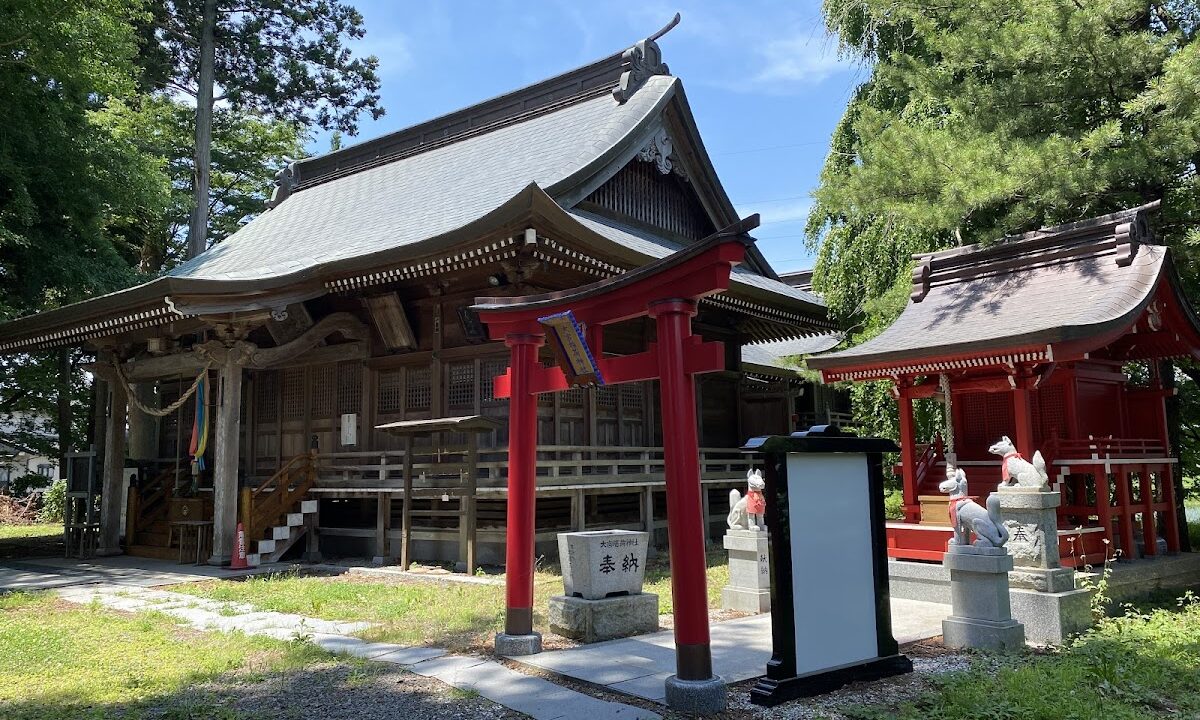
Omiya Shrine (Morioka City, Iwate Prefecture) Complete Guide | 1220 Years of History, Goshuin (Shrine Seals), and Access Information
Omiya Shrine, located in Omiya, Motomiya, Morioka City, Iwate Prefecture, is the oldest shrine in Iwate Prefecture, founded in 802 AD (Enryaku 21). Its origins lie in Sakanoue no Tamuramaro’s subjugation of the Emishi people, and it is a historically significant shrine that enshrines a divided spirit of the Outer Shrine of Ise Grand Shrine, making it beloved by the local community. This article provides detailed information useful for visiting Omiya Shrine, including its history, cultural assets, goshuin (shrine seals), and access methods.
Basic Information about Omiya Shrine
Official Name: Omiya Shrine (Ōmiya Jinja)
Address: 51 Ōmiya, Honmiya, Morioka City, Iwate Prefecture 020-0866
Phone Number: 019-635-1229
Deity Enshrined: Toyouke-no-Ōkami (Deity enshrined at the Outer Shrine of Ise Grand Shrine)
Founded: Enryaku 21 (802) or Daidō 2 (807)
Divine Blessings: Abundant harvests, business prosperity, good fortune, matchmaking, safe childbirth, health and longevity, financial luck
Omiya Shrine is known as the oldest shrine in Iwate Prefecture, and as of 2024, it has been enshrined for over 1220 years. The place name of the Honmiya district in Morioka City is also said to originate from this Omiya Shrine.
History
Origin of the Shrine and Sakanoue no Tamuramaro
The founding of Omiya Shrine dates back to the early Heian period, specifically to the subjugation of the Emishi people. During the Enryaku era (782-806), a powerful local clan named Takamaru in Takizawa-go (present-day Morioka City) defied the imperial court’s orders. Therefore, Emperor Kanmu commanded Sakanoue no Tamuramaro, the Seii Taishogun (Commander-in-Chief of the Expeditionary Force against the Barbarians), to subdue them.
In 802 (Enryaku 21), Sakanoue no Tamuramaro established a camp in Nakano-go Shibuya (present-day Omiya, Motomiya, Morioka City) and pacified Takamaru. To commemorate this victory and to pray for the protection of the Oshu region and a bountiful harvest, the shrine is said to have originated from the enshrinement of a divided spirit from the Outer Shrine (Toyouke Daijingu) of Ise Grand Shrine.
One theory suggests it was founded on September 16, 807 (Daido 2), but in any case, it is certain to be the oldest shrine in Iwate Prefecture, founded in the early Heian period.
Deep Connection to Ise Grand Shrine
The most distinctive feature of Omiya Shrine is that it enshrines a divided spirit of the Outer Shrine of Ise Grand Shrine. Toyouke-no-Okami is enshrined at the Outer Shrine of Ise Grand Shrine as the god who presides over the meals of Amaterasu-Omikami, and is widely worshipped as the guardian deity of agriculture, industry, and clothing, food, and shelter.
The fact that Sakanoue no Tamuramaro invited a divided spirit of Ise Grand Shrine to the Oshu region held significant meaning as a prayer for the development and peace of the area. Therefore, since its founding, Omiya Shrine has attracted deep faith from local residents as a guardian deity of abundant harvests and business prosperity.
Relationship with Shiwa Castle
In 803 (Enryaku 22), Sakanoue no Tamuramaro built Shiwa Castle in the northern part of Morioka City. This ancient fortified settlement played a crucial role as a base for managing the Ezo region. Omiya Shrine is believed to have functioned as the guardian deity of Shiwa Castle.
Shiwa Castle was the northernmost fortified settlement in Mutsu Province at the time, and Omiya Shrine served as its spiritual pillar, a source of comfort for samurai and settlers. Even today, Shiwa Castle Ancient Park exists in Morioka City, and together with Omiya Shrine, it preserves the history of the region.
Transition from the Medieval to the Early Modern Period
From the Heian period onward, Omiya Shrine continued to attract worshippers as a central shrine in the region. In the medieval period, it was revered by local samurai groups, and in the early modern period, it received the patronage of the Morioka Domain.
During the Edo period, it became the principal guardian shrine of the Honmiya district, deeply rooted in the lives of the local residents. Festivals praying for bountiful harvests and the dedication of Kagura (sacred dance and music) were actively held, and it functioned as a center of regional culture.
History Since the Meiji Era
Following the Meiji-era separation of Shinto and Buddhism, Omiya Shrine was elevated to the rank of a village shrine. Since then, it has continued to attract the faith of many people as the local guardian deity.
Notably, it is also known as the guardian deity of Takashi Hara, who served as Prime Minister of Japan. Hara was from Morioka City and is said to have deeply revered Omiya Shrine.
Even today, Omiya Shrine maintains its traditions as the oldest shrine in Iwate Prefecture, while also engaging in various activities as a central hub for the local community. It actively participates in modern community service activities, such as hosting family-friendly restaurants.
Cultural Assets
Omiya Shrine preserves numerous valuable cultural assets that have been passed down through its long history.
Omiya Kagura (Morioka City Designated Intangible Folk Cultural Property)
Omiya Kagura is a sacred dance passed down at Omiya Shrine and is designated as an Intangible Folk Cultural Property by Morioka City. Its history dates back to the founding of the shrine, and it is said to have been established between the Enryaku era and the third year of the Daido era (808 AD) by a family of Shinto priests who accompanied Sakanoue no Tamuramaro, the Shogun, on his journey to Oshu.
Omiya Kagura is a traditional performing art that fuses Shinto rituals and performing arts, and is performed with the purpose of offering to the gods and praying for a bountiful harvest and peace in the region. Its performances retain ancient and elegant movements, and it is valued as a precious cultural asset that conveys the form of Kagura from the Heian period.
It is still performed at the shrine’s annual festivals and is carefully passed down by the local people. As a Kagura with historical backing, it occupies an important position in the history of folk performing arts in Iwate Prefecture.
Taga Kagura
At Omiya Shrine, Taga Kagura is also passed down alongside Omiya Kagura. Taga Kagura is also a Kagura that has been passed down in the region since ancient times, and, along with Omiya Kagura, is an important intangible cultural asset of the shrine. These Kagura dances are not only performed during shrine festivals, but are also showcased at various local events, playing a crucial role in the transmission of traditional culture and the formation of regional identity.
Waniguchi (Crocodile Gong)
Omiya Shrine preserves an ancient Waniguchi. A Waniguchi is a Buddhist or Shinto implement hung from the eaves of shrines and temples, which worshippers ring by pulling a rope. The Waniguchi at Omiya Shrine is considered to have high historical value due to its shape and inscription.
Other Cultural Assets
Stone monuments and lanterns from the Edo period and later remain on the shrine grounds, telling the story of the shrine’s long history. The shrine buildings and torii gates are also carefully preserved as historically valuable structures.
Highlights of the Shrine Grounds
Shrine Building
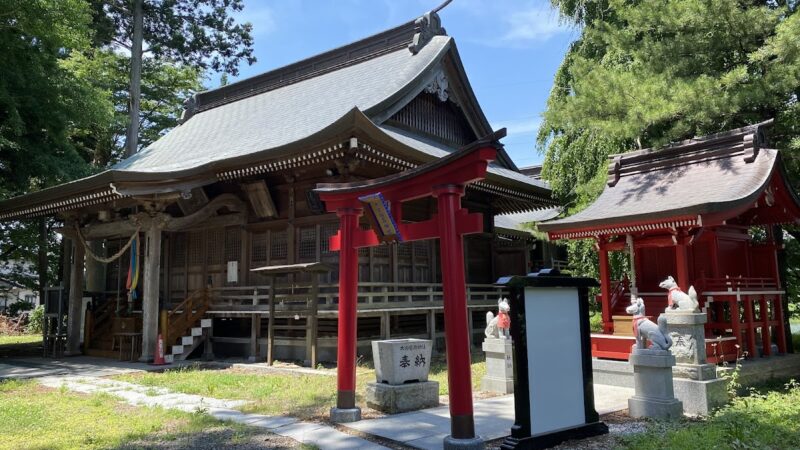
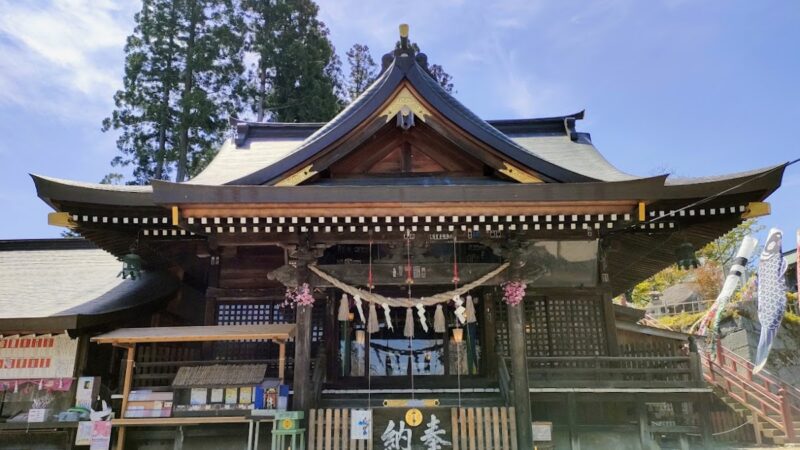
The shrine building of Omiya Shrine exhibits the traditional style of shrine architecture, creating a solemn atmosphere. The main shrine enshrines Toyouke-no-Okami, a divided spirit of the Outer Shrine of Ise Grand Shrine, and worshippers pray for abundant harvests and business prosperity.
The worship hall is a place where worshippers offer their prayers, and a pure atmosphere permeates the area. The architectural style of the shrine reflects the techniques and aesthetic sensibilities cultivated over a long history.
Torii Gate
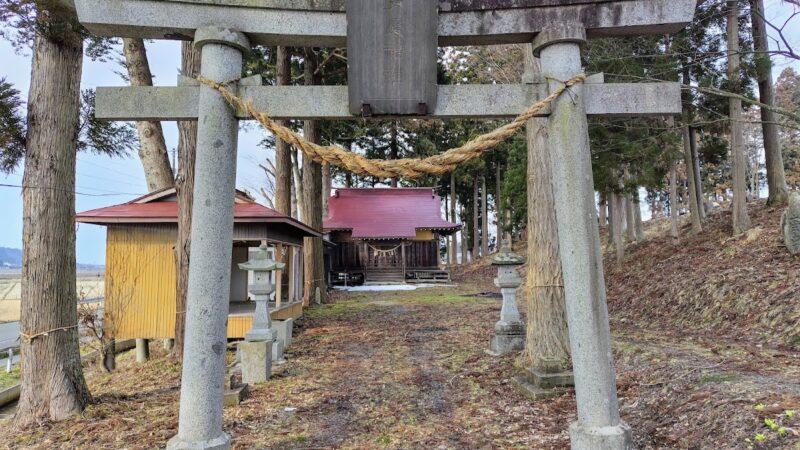
A magnificent torii gate stands at the entrance to the shrine grounds. The torii gate is a boundary separating the sacred realm from the secular world, and passing through it purifies the mind and body and shows respect to the gods. The torii gate of Omiya Shrine is cherished as a warm welcome to worshippers.
Shrine Precincts
In addition to the main shrine, several subsidiary shrines are enshrined within the grounds of Omiya Shrine. These shrines enshrine deities with various divine virtues, fulfilling the diverse wishes of worshippers.
Natural Environment
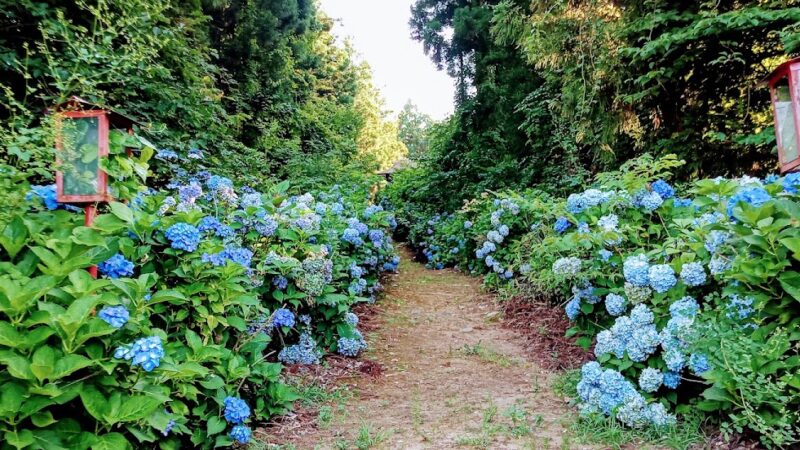
The shrine grounds are surrounded by abundant nature, allowing visitors to enjoy the beautiful scenery of each season. Cherry blossoms in spring, fresh greenery in summer, autumn leaves in fall, and snowscapes in winter—each season presents a different face. Visiting the shrine while feeling the presence of nature in its tranquil grounds allows for peace of mind and refreshment.
Goshuin (Shrine Seal) and Goshuincho (Shrine Seal Book)
About Goshuin
Omiya Shrine offers goshuin as proof of worship. A goshuin is a valuable record, featuring the shrine’s name and date of visit written in ink, and stamped with the shrine’s seal.
Goshuin Issuance Hours: During the shrine office’s opening hours (please inquire with the shrine for details)
Offering Fee: Generally around 300-500 yen (may change, please confirm during your visit)
Goshuin are not only a memento of your visit, but also an important way to deepen your connection with the shrine. When receiving a Goshuin (temple/shrine stamp), it is customary to first complete your prayers and then receive the stamp at the shrine office.
Goshuincho (Stamp Book)
Omiya Shrine also offers its own original Goshuincho (stamp book) (availability may vary depending on stock). Featuring a design unique to Iwate Prefecture’s oldest shrine, the Goshuincho is a popular memento of your visit.
Goshuincho are cherished by many visitors as an item that enhances the enjoyment of visiting shrines. Omiya Shrine’s Goshuincho features a dignified design befitting a shrine that enshrines a divided spirit of the Outer Shrine of Ise Grand Shrine.
Annual Events and Festivals
Omiya Shrine holds various festivals and events throughout the year.
Annual Grand Festival
The Annual Grand Festival, held every autumn, is Omiya Shrine’s most important festival. It is a festival to give thanks for a bountiful harvest and pray for the prosperity of the region, with performances of Omiya Kagura and Taga Kagura. Many local residents attend, creating a lively atmosphere.
New Year’s Visit
Many worshippers visit the shrine for their first shrine visit of the year. They pray for safety and prosperity throughout the year and for happiness in the new year. The shrine is especially crowded from New Year’s Day to the third day of the year.
Other Events
Traditional seasonal events such as the Setsubun Festival, the Summer Purification Ceremony, and the Shichi-Go-San prayer ceremony are also held. Furthermore, modern activities contributing to the local community, such as the Family Interaction Cafeteria, are also undertaken.
Access
Access by Train and Bus
Nearest Station: JR Morioka Station
From Morioka Station to Omiya Shrine, take a bus or taxi.
Bus Access:
- Take an Iwate Kotsu bus from Morioka Station Bus Terminal.
- Get off at a bus stop such as “Honmiya” or “Omiya Shrine” (approximately 15-20 minutes).
- A few minutes’ walk from the bus stop.
Taxi Access:
- Approximately 15 minutes by taxi from Morioka Station.
- Fare approximately 2,000-2,500 yen.
Access by Car
From Tohoku Expressway:
- Approximately 15 minutes from Morioka IC via National Route 4.
Parking: There is a parking lot for visitors on the shrine grounds (spaces are limited, so please be aware of congestion).
Address: 51 Omiya, Honmiya, Morioka City, Iwate Prefecture 020-0866
Car Navigation Setting: Searchable using the phone number “019-635-1229”.
Nearby Tourist Attractions
The following tourist attractions are located near Omiya Shrine.
- Shiwa Castle Ancient Park: A park that recreates the remains of an ancient castle built by Sakanoue no Tamuramaro.
- Morioka City Center: Morioka Castle Ruins Park, Morioka Hachimangu Shrine, etc.
- Mount Iwate: A beautiful mountain that is a symbol of Iwate Prefecture.
Visiting these spots in conjunction with a visit to Omiya Shrine will allow you to gain a deeper understanding of Morioka’s history and culture.
Manners for Visiting Shrines
When visiting a shrine, please observe the following basic manners.
How to Pass Through a Torii Gate
Bow before passing through the torii gate. The torii gate is the entrance to the sacred area, and it is important to show respect. Since the center of the approach is considered the path of the gods, it is polite to walk along the side.
How to Purify Yourself at the Water Basin
- Hold the ladle in your right hand and purify your left hand.
- Switch the ladle to your left hand and purify your right hand.
- Switch the ladle back to your right hand, receive water in your left hand, and rinse your mouth.
- Finally, stand the ladle upright and purify the handle.
How to Worship at the Main Hall
- Stand in front of the offering box and bow slightly.
- Gently place your offering in the box.
- If there is a bell, ring it.
- Bow twice, clap twice, bow once (bowing deeply twice, clapping twice, bowing deeply once).
- Gently recite your wish in your heart.
Divine Virtues of Omiya Shrine
Toyouke-no-Okami, the enshrined deity of Omiya Shrine, is believed to possess the following divine virtues:
Abundant Harvest
As the guardian deity of agriculture, Toyouke-no-Okami is believed to bring abundant harvests. This shrine offers blessings to farmers and all those involved in food production.
Business Prosperity
As a guardian deity of industrial and commercial development, it offers divine blessings for business prosperity. Many worshippers visit to pray for business success and company development.
Good Fortune and Financial Luck
It is believed to offer divine blessings for opening up good fortune and increasing financial luck. People visit when starting something new or when praying for financial abundance.
Matchmaking and Safe Childbirth
It also offers divine blessings for matchmaking and safe childbirth. Many people visit to pray for marriage and childbirth.
Health and Longevity
It is believed to offer protection for good health and longevity. Many worshippers pray for the health of their families.
Omiya Shrine and Hara Takashi
Hara Takashi (1856-1921), who served as Prime Minister of Japan, was from Morioka City and revered Omiya Shrine as his family’s guardian deity. Takashi Hara, known as the “commoner prime minister,” made a significant contribution to the development of party politics in Japan.
The connection between Takashi Hara and Omiya Shrine holds great significance in the region’s history. Omiya Shrine, with its deep ties to such a historically important figure, is a source of local pride.
Social Media & Official Information
Omiya Shrine actively engages in modern information dissemination.
Official Website: https://oomiyajinjya.jp/
Official Instagram: @omiyajinjya
Official Twitter: (Account available)
These social media accounts share the latest information about the shrine, event announcements, and seasonal scenery of the grounds. We recommend checking the latest information before your visit.
Community Contribution Activities
Omiya Shrine not only fulfills its role as a traditional shrine but also focuses on modern community contribution activities.
Family Interaction Cafeteria
The shrine regularly holds a “Family Interaction Cafeteria.” This event brings together local children and families to enjoy a meal together and is highly regarded as an activity that strengthens community bonds.
Preservation of Local Culture
Through activities to preserve Omiya Kagura and Taga Kagura, the shrine also plays a role in passing on local traditional culture to the next generation. Opportunities for local children to learn Kagura are also provided.
Summary
Omiya Shrine, founded in 802 AD (Enryaku 21), is the oldest shrine in Iwate Prefecture, boasting a history of over 1220 years. It originates from Sakanoue no Tamuramaro’s conquest of the Emishi people and is a historically significant shrine that enshrines a divided spirit of the Outer Shrine of Ise Grand Shrine.
It preserves valuable cultural assets, including Omiya Kagura, and attracts people’s faith with its diverse divine blessings, including abundant harvests, business prosperity, good fortune, and matchmaking. It is located in Omiya, Motomiya, Morioka City, and is accessible by bus or taxi from JR Morioka Station.
The shrine also offers Goshuin (stamped seals), making it popular with those who enjoy visiting shrines. While preserving tradition, Omiya Shrine also engages in modern community service activities, making it one of Iwate Prefecture’s leading shrines and beloved by many visitors.
When you visit Morioka, be sure to visit Omiya Shrine, the oldest shrine in Iwate Prefecture, and experience its long history and solemn atmosphere.
Frequently Asked Questions (FAQ)
Q1: When was Omiya Shrine founded?
A1: Omiya Shrine is said to have been founded in 802 (Enryaku 21) or 807 (Daido 2), making it the oldest shrine in Iwate Prefecture. It began when Sakanoue no Tamuramaro, the Shogun, invited a divided spirit from the Outer Shrine of Ise Grand Shrine during his campaign against the Emishi people.
Q2: Can I get a Goshuin?
A2: Yes, Omiya Shrine offers Goshuin. Please visit the shrine office during its opening hours and then inform them of your intention to make a donation. The offering fee is approximately 300 to 500 yen (this may change, so please confirm during your visit).
Q3: How do I get to the shrine from Morioka Station?
A3: From Morioka Station, take a local bus for about 15-20 minutes and get off at the “Honmiya” or “Omiya Jinja-mae” bus stop. It’s a few minutes’ walk from there. By taxi, it’s about 15 minutes and costs approximately 2,000 to 2,500 yen. By car, it’s about 15 minutes from the Morioka Interchange, and there is parking available on the shrine grounds.
Q4: What kind of divine blessings does the shrine offer?
A4: The enshrined deity of Omiya Shrine, Toyouke-no-Okami, is believed to bestow blessings such as abundant harvests, business prosperity, good fortune, financial luck, matchmaking, safe childbirth, and health and longevity. The shrine is particularly revered by those involved in agriculture and commerce.
Q5: What is Omiya Kagura?
A5: Omiya Kagura is a sacred dance passed down at Omiya Shrine and is a designated intangible folk cultural property of Morioka City. It is said to have been founded around the Enryaku era to the 3rd year of the Daido era (808 AD) by a family of Shinto priests who accompanied Sakanoue no Tamuramaro, and is a valuable cultural asset that preserves the form of Kagura from the Heian period.
Q6: Is there parking available?
A6: Yes, there is a parking lot for visitors on the shrine grounds. However, the number of spaces is limited, so please be aware of congestion during festivals and other events.
Q7: When is the annual festival held?
A7: The annual festival is held every autumn. The exact dates may vary from year to year, so please check the official website or social media for the latest information. Omiya Kagura and Taga Kagura are performed at the festival.
Q8: What is the relationship with Sakanoue no Tamuramaro?
A8: When Sakanoue no Tamuramaro, the Shogun, pacified this area during his campaign against the Emishi in 802 AD, he invited a divided spirit from the Outer Shrine of Ise Grand Shrine and founded Omiya Shrine. The shrine also functioned as the guardian deity of Shiwa Castle and became a spiritual pillar for the development of Oshu.
Q9: What is the Family Interaction Cafeteria?
A9: It is one of the community service activities held by Omiya Shrine, an event where local children and families gather to enjoy meals together. It is held regularly as an activity to deepen the bonds of the local community. Please contact the shrine for details.
Q10: Is there any connection to Hara Takashi?
A10: Yes, Hara Takashi (1856-1921), who served as Prime Minister, was from Morioka City and revered Omiya Shrine as his tutelary shrine. Omiya Shrine is known as a shrine with deep connections to important historical figures.