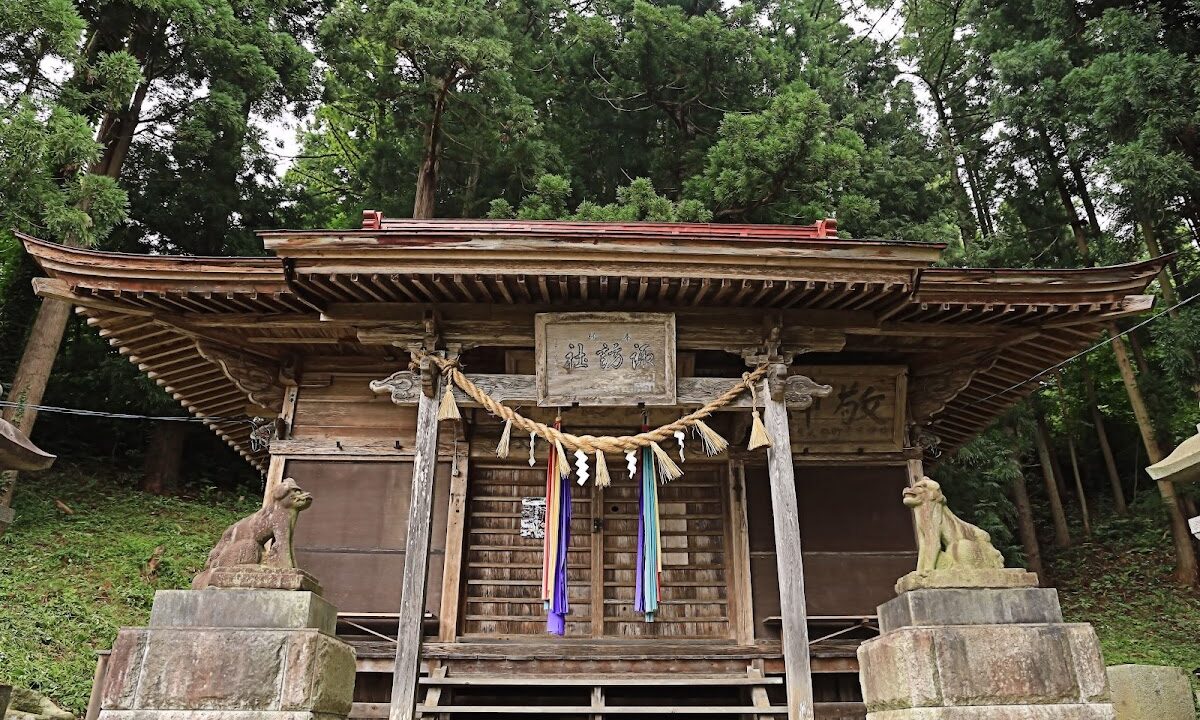
Suwa Shrine (Kado-cho Suma, Morioka City, Iwate Prefecture) Complete Guide | History, Deities, and Access Information
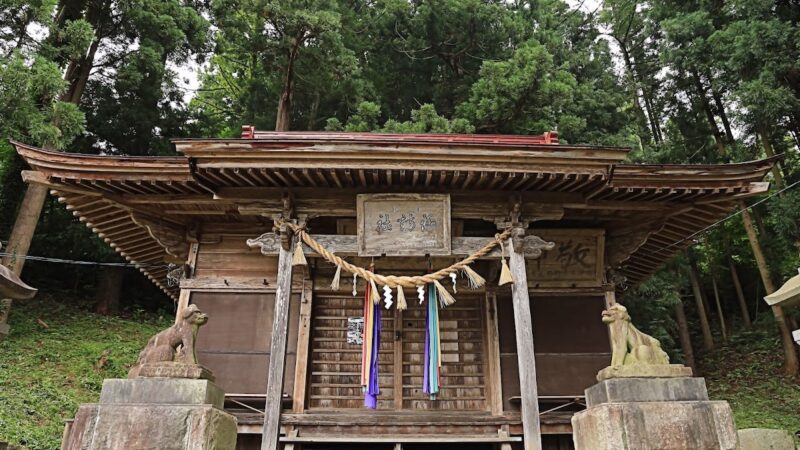
Suwa Shrine, located in Kado-cho Suma, Morioka City, Iwate Prefecture, is a venerable shrine with a history of over 800 years, dating back to the late Heian period. Established after Minamoto no Yoritomo’s pacification of Oshu, it continues to attract the faith of local people, with visitors coming to pray for bountiful harvests and family safety. This article comprehensively introduces useful information for visitors, including the detailed history of Suwa Shrine, the divine virtues of its enshrined deities, annual events such as festival dates, and specific access methods.
Basic Information on Suwa Shrine
Location
Address: 10 Kado-cho Suma, Morioka City, Iwate Prefecture 020-0823
Phone Number: 019-623-9574
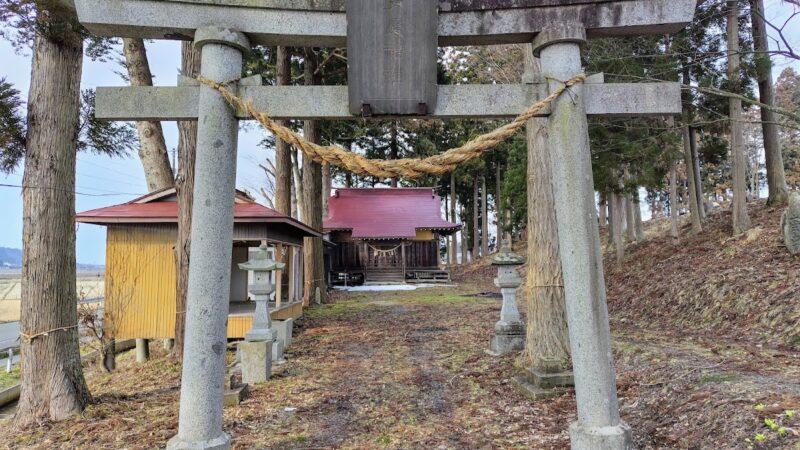
Located in the Kado district in southern Morioka City, Suwa Shrine is a quietly situated shrine within a residential area. The current location of the shrine is southwest of the center of Morioka City, and it is cherished as a spiritual center for the local residents.
Deity and Divine Virtues
Deity: Takeminakata-no-Mikoto
Takeminakata-no-Mikoto is a god of exceptional martial prowess, known as the deity enshrined at Suwa Grand Shrine in Shinano Province (present-day Nagano Prefecture). He is a son of Okuninushi-no-Mikoto and is known for his bravery in the transfer of power in Izumo Province.
Main Divine Virtues:
- Abundant Harvests and Protection of Agriculture: As the guardian deity of water, it protects the prosperity of agriculture, including rice cultivation.
- Protection from Wind and Rain: As the god who controls the weather, it protects the region from wind and rain disasters.
- Family Safety: It watches over the health and peaceful lives of families.
- Health and Longevity: As the god who protects the source of life, it bestows longevity and good health.
- Prosperity of Commerce and Industry: It supports the development of the local economy and the success of businesses.
- Good Fortune and Prosperity: It brings good fortune and blessings in all aspects of life.
The divine virtues of Suwa Shrine are vast and boundless. Due to its nature as the guardian deity of water, it is revered by many worshippers today as a god who protects the source of life and the foundation of livelihood.
History and Origins of Suwa Shrine
Circumstances of Founding
The founding of Suwa Shrine dates back to November, Bunji 5 (1189). This year was a significant turning point in Japanese history, known as the year of the downfall of the Fujiwara clan of Hiraizumi in Oshu.
In Bunji 5, Minamoto no Yoritomo defeated the Oshu Fujiwara clan and brought the entire Oshu region under his control. Afterward, in the process of distributing the Oshu territory, Yoritomo promoted the establishment of shrines that would become centers of faith in various locations. Suwa Shrine in Kado, Morioka City, was also established and enshrined during this period as a divided spirit of Kami-Suwa Shrine in Suwa County, Shinano Province (present-day Suwa Grand Shrine Upper Shrine).
Connection to Suwa Grand Shrine in Shinano Province
Our shrine is a shrine that enshrines a divided spirit of Kami-Suwa Shrine, located in Suwa County, Shinano Province (present-day Nagano Prefecture). Suwa faith spread throughout Japan from the medieval period onward, primarily among the samurai class, and several Suwa shrines were established within Iwate Prefecture.
The arrival of Suwa faith, originally a belief of eastern samurai, to Iwate with the establishment of Minamoto no Yoritomo’s rule over Oshu reflects the political and cultural conditions of the time. To this day, Suwa shrines continue to convey the region’s history as a bond of faith connecting Shinano and Iwate.
Over 800 Years of Community Connections
Even now, more than 800 years after its founding, Suwa shrine remains cherished by local residents as the guardian deity of the Kado district. During the Edo period, under the rule of the Nanbu clan, it was revered as a god protecting local agriculture, and even after the Meiji Restoration, it has continued to attract unwavering devotion despite changes in the shrine system.
Annual Festival and Events
Annual Festival Date
Annual Festival Date: August 22nd
The annual festival of Suwa Shrine is held every year on August 22nd. The annual festival is the most important ceremony for the shrine, a Shinto ritual in which gratitude is offered to the enshrined deity for the past year and prayers are offered for the peace and prosperity of the community. Even today, local parishioners and devotees gather to perform the traditional festival.
Other Annual Events
In addition to the annual festival, Suwa Shrine holds various Shinto rituals throughout the year:
- Saitansai (January 1st): Celebrating the New Year and praying for peace throughout the year
- Kinensai (February): A grand spring festival praying for a bountiful harvest and the development of industry
- Natsukoshi no Oharae (June 30th): A Shinto ritual to purify oneself of sins and impurities accumulated over the past six months
- Niinamesai (November 23rd): Offering new grain to the gods and expressing gratitude for the harvest
- Toshikoshi no Oharae (December 31st): Purifying oneself of sins and impurities accumulated over the year and preparing for the New Year
Access Information
Nearest Station/Railway Access
The nearest station to Suwa Shrine by rail is:
Iwate-Iioka Station (JR Tohoku Main Line)
- Approximately 39 minutes on foot (approx. 3.2 km)
- Approximately 10 minutes by taxi
Senbokucho Station (JR Tohoku Main Line)
- Approximately 40 minutes on foot (approx. 3.2 km)
- Approximately 10 minutes by taxi
From Morioka Station, all the nearest stations are close by, so it is more convenient to take a bus or taxi from Morioka Station.
Access by Bus
Mon-2-chome Bus Stop
- Approximately 6 minutes on foot to Suwa Shrine (approx. 445 m)
- Morioka City Loop Bus and other services are available
Mon-2-chome bus stop is the nearest bus stop and is within walking distance. If taking a bus from Morioka Station, take a bus bound for Mon and get off at Mon-2-chome.
Access by Car
From Morioka Station: Approximately 15 minutes (approx. 6 km)
From Morioka South Interchange: Approximately 10 minutes (approx. 4 km)
When accessing by car, the most common route is to head south on National Route 4 from central Morioka towards the Kado district. Parking is available around the shrine, but on days when congestion is expected, such as festival days, we recommend using public transportation.
Address and Map Information
10 Suma, Kado, Morioka City, Iwate Prefecture 020-0823
You can confirm the exact location by entering “Suwa Shrine, Morioka City, Kado” or the above address into your car navigation system or smartphone map app. Detailed location information is also available on map services such as Google Maps.
Information on Visiting the Shrine
Visiting Hours
Suwa Shrine is generally open for visits throughout the day. However, if you wish to receive a Goshuin (temple/shrine stamp) or request various prayers at the shrine office, please contact us in advance by phone (019-623-9574).
Shrine Visit Etiquette
Please observe basic shrine visit etiquette and visit with a reverent heart:
- Bow before passing through the torii gate
- Purify your body and mind at the water basin
- Purify your left hand, then your right hand, rinse your mouth, and finally purify the handle of the ladle.
- Etiquette in front of the main hall
- The basic form is two bows, two claps, one bow (two bows, two claps, one bow).
- Worship in silence
- Be quiet within the shrine grounds and remember to be considerate of other worshippers.
About Prayers
Suwa Shrine accepts various prayers:
- Family Safety
- Business Prosperity
- Exorcism
- Traffic Safety
- Prayer for Success in Exams
- Prayer for Safe Childbirth
- First Shrine Visit (Omiyamairi)
- Shichi-Go-San (7-5-3 Festival)
If you wish to have a prayer ceremony, we recommend making a reservation by phone in advance.
Differences from Other Suwa Shrines in Morioka City
There are several Suwa Shrines in Morioka City, Iwate Prefecture. The Suwa Shrine in Suma, Kado, Morioka City introduced in this article and the Suwa Shrine in Kanesawa, Kamikazuma, Morioka City (postal code 020-0855) are different shrines, so please carefully check the address when visiting or having prayers performed.
The Suwa Shrine in Suma, Kado, has a clear history, having been founded in 1189 (Bunji 5), and is characterized by its historical background related to Minamoto no Yoritomo’s pacification of Oshu.
Suwa Shrine Network in Iwate Prefecture
In addition to the Suwa Shrine in Morioka City, there are several other Suwa Shrines in Iwate Prefecture, including the Suwa Shrine in Kitakami City (Osuwa-san) and the Suwa Shrine in Kuji City.
The Suwa Shrine in Kitakami City is particularly famous, known for its traditional Hibuse Matsuri (fire prevention festival), a grand festival featuring paraded floats. The Suwa Shrine in Kuji City has a legend related to Minamoto no Yoshitsune and Hatakeyama Shigetada. The story goes that Hatakeyama Shigetada, ordered to kill Yoshitsune, felt pity for Yoshitsune’s escape and deliberately missed his target with an arrow, instead sticking it into the trunk of a pine tree in the shrine grounds.
These Suwa Shrines, each with its own unique history and tradition, form a network of Suwa faith, with the Shinano Province Suwa Grand Shrine as its head shrine. Even today, Suwa faith is preserved as an important part of local culture throughout Iwate Prefecture.
Suwa Shrines and Local Communities
Role as a Guardian Deity
The Suwa Shrine serves as the guardian deity of the Kado district, playing a spiritual role in the local community. It continues to watch over the healthy growth of local children and functions as a place for important life rituals for families. By visiting shrines at important life milestones such as a baby’s first shrine visit, Shichi-Go-San (a traditional rite of passage for children), exorcism, and weddings, local residents experience a sense of connection across generations and pass on traditional culture to the next generation.
Community Exchange Through Festivals
Annual events, including the annual festival on August 22nd, are valuable opportunities for local residents to gather together. Through preparations for the festivals and service on the day itself, bonds between residents deepen, fostering a sense of community unity.
In modern society, where the weakening of local communities is a concern, shrines continue to play an important role as traditional places for community exchange.
Characteristics of Suwa Faith and the Spread of Divine Virtues
God of Water and Agriculture
The deity enshrined at Suwa Grand Shrine, Takeminakata-no-Mikoto, has been revered as the guardian deity of water since ancient times. Water management is vital to Japanese agriculture, especially rice cultivation, and Suwa Shrines have attracted the faith of farmers praying for bountiful harvests.
Iwate Prefecture remains a region with a thriving agricultural industry, and the Suwa Shrine’s role as a water deity is deeply intertwined with the local economy.
Character as a War God
Takeminakata-no-Mikoto is also known as a god of exceptional martial prowess, and from the medieval period onward, he attracted the faith of the samurai class. The Suwa Shrine in Morioka City, established after Minamoto no Yoritomo’s pacification of Oshu, also follows this tradition of war god worship.
As a god who bestows strength to overcome life’s difficulties, such as good fortune in competitions, protection from evil, and family prosperity, many worshippers still visit the shrine today.
God Protecting All Aspects of Life
The divine blessings of Suwa Shrine extend beyond agriculture and military fortune to encompass all aspects of life, including family safety, health and longevity, prosperity in commerce and industry, and good fortune. As a god who protects the source of life, it is revered in modern society as a shrine that fulfills a wide range of wishes.
Summary: The Significance of Visiting Suwa Shrine
Located in Suma, Kado, Morioka City, Iwate Prefecture, Suwa Shrine is a historic shrine that has attracted the faith of local people for over 800 years since its founding in 1189. Enshrined as a divided spirit from the Kami-Suwa Shrine in Shinano Province, the shrine has fulfilled diverse wishes, including bountiful harvests, family safety, and prosperity in commerce and industry, through the vast divine virtues of Takeminakata-no-Mikoto.
Even today, annual events, including the annual festival on August 22nd, are held, and the shrine functions as a spiritual pillar of the local community. Its convenient location, accessible by bus or taxi from Morioka Station and just a 6-minute walk from the Kado 2-chome bus stop, is also a major draw.
When visiting, take some time to calm your mind in the tranquil grounds, feel the weight of the faith woven over 800 years of history, and experience the divine virtues of the enshrined deity. Suwa Shrine is an important cultural heritage site in Iwate Prefecture, connecting the past, present, and future.