Inari Shrine (Iwate-cho, Iwate-gun, Iwate Prefecture) Complete Guide | History, Deities, and Access Information
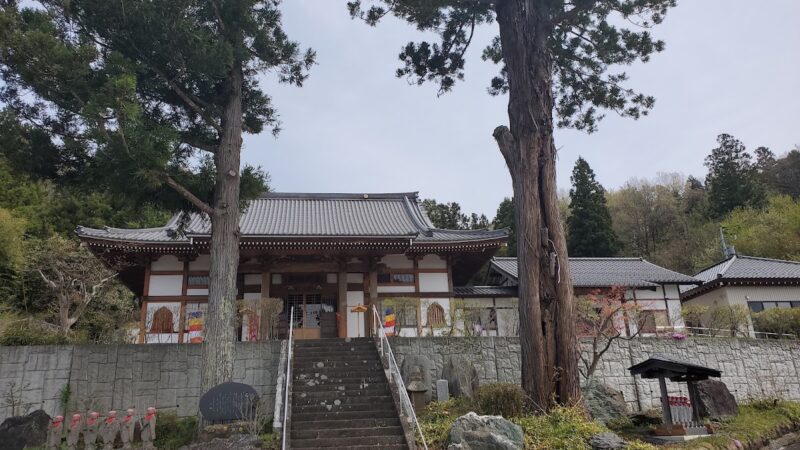
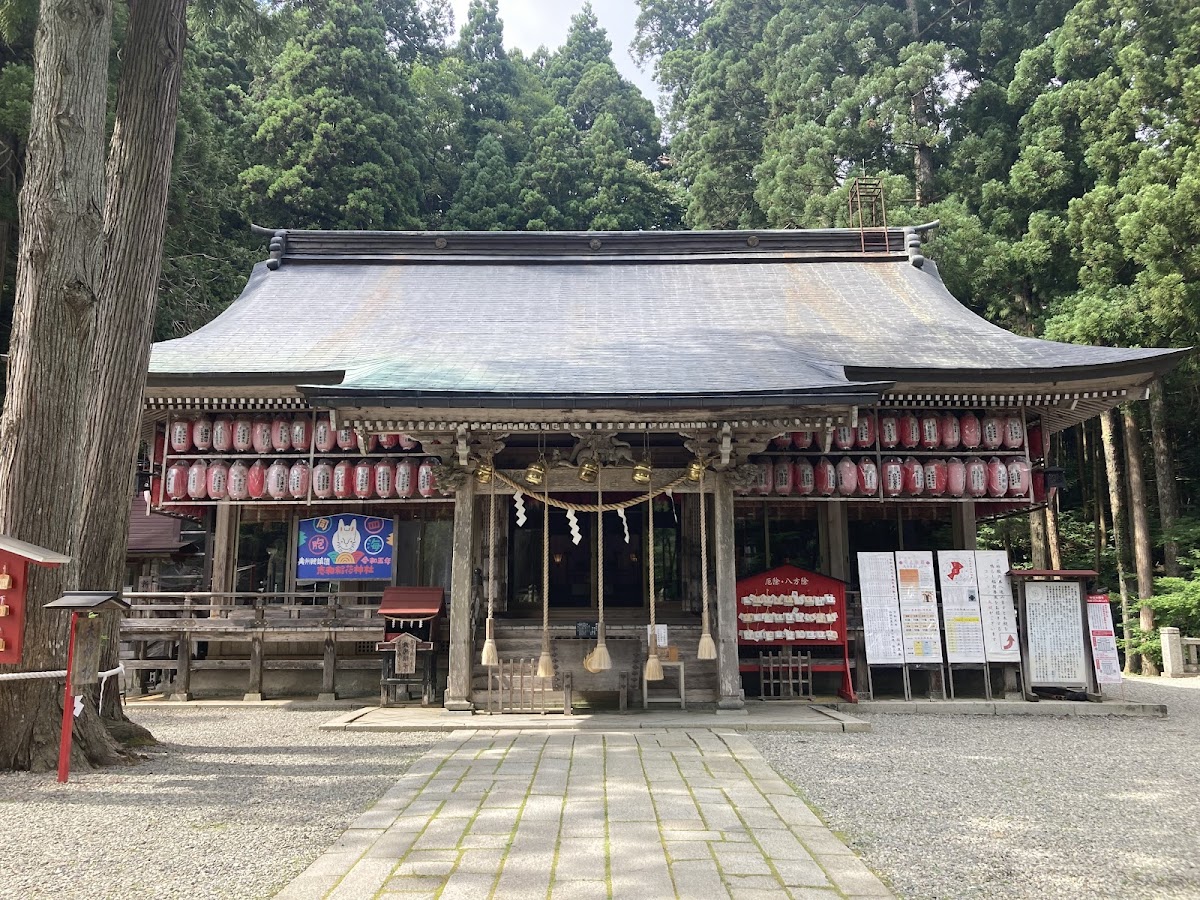
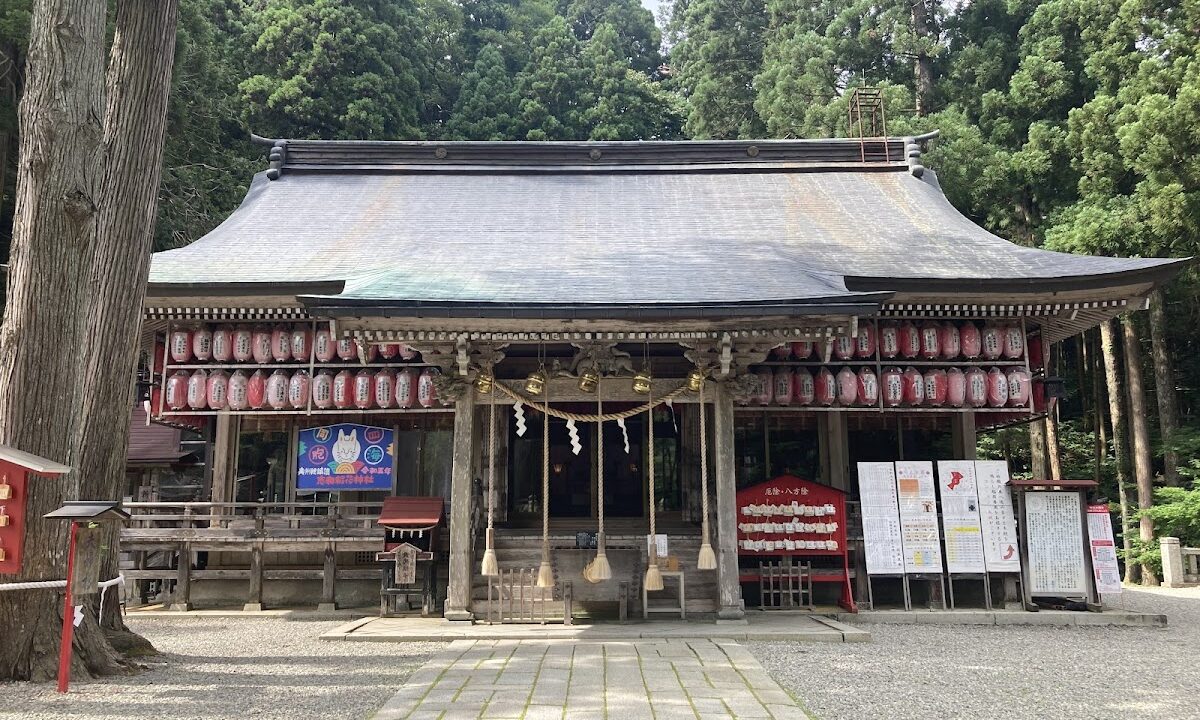
Located in the Numakunai district of Iwate-cho, Iwate-gun, Iwate Prefecture, the Inari Shrine is a venerable shrine boasting a history of approximately 460 years. Established during the Kyoroku era (1528-1531) by Kawamura Jibu Hidesato, this shrine has been a guardian deity of the Numakunai-cho area since its founding and remains cherished by many worshippers.
This article provides a detailed introduction to the Inari Shrine in Iwate-cho, from its historical background and enshrined deities to its festival dates and detailed access information, from a locally rooted perspective.
Basic Information about Inari Shrine
Shrine Name and Location
Shrine Name: Inari Shrine
Location: 5-5, 11th Ward, Numakunai, Iwate-cho, Iwate-gun, Iwate Prefecture 028-4301
Phone Number: 0195-62-5003 (Priest’s Residence) / 0195-78-8200
Inari Shrine is located in the Numakunai district, the central area of Iwate-cho, and is a central shrine in the region, within walking distance of JR Iwate Numakunai Station. Situated within a residential area, it is a beloved presence deeply integrated into the lives of local residents.
Deity Enshrined
The deity enshrined at Inari Shrine is Ukanomitama-no-Mikoto.
Ukanomitama-no-Mikoto is a god of grains and food appearing in Japanese mythology, and is widely worshipped throughout Japan as the principal deity of Inari shrines. Believed to bring blessings such as abundant harvests, business prosperity, and family safety, the Inari Shrine has long been revered by the local people in the Numakunai district, where agriculture flourished.
The fox, considered a messenger of Inari, is also revered as a guardian of agriculture because it exterminates rats that damage crops.
Annual Festival Date
Annual Festival Date: October 2nd
The annual festival is the most important annual event for the shrine and is held every year on October 2nd. This festival, held in conjunction with the autumn harvest season, is an important Shinto ritual to give thanks for the year’s bountiful harvest and to pray for a good harvest in the coming year. Local residents gather, and traditional rituals are solemnly performed.
History and Origins of Inari Shrine
Founding History
The founding of Inari Shrine dates back approximately 460 years to the Kyoroku era (1528-1531). According to tradition, the Kawamura Jibu Hidesato clan, one of the six families of Tawara Tōta Hidesato (Tawara Tōta Hidesato), moved from their temporary castle in Shirakake (near present-day Midō-Obaraki, Iwate-machi, on the mountainside southeast of the Tohoku Main Line) carrying their tutelary deity, Inari Daimyōjin, and built their castle on Shiroyama, about half a ri (approximately 2 km) down along the Kitakami River.
At that time, they enshrined an Inari shrine on the plain at the foot of the castle and, at the same time, founded Numakunai town. In other words, the Inari shrine is deeply intertwined with the very origins of Numakunai town.
Tawara Tōta Hidesato and the Kawamura Clan
Tawara Tōta Hidesato (Tawara Tōta Hidesato) was a military commander of the mid-Heian period, also known as Fujiwara Hidesato. He is a heroic figure known for the legend of slaying a centipede, and his descendants were widely distributed, mainly in the Tohoku region.
The Kawamura clan, a branch of the Fujiwara clan of the Hidesato lineage, was a powerful samurai family in the Iwate region during the medieval period. The fact that Kawamura Jibu Hidesato revered Inari Daimyojin as his tutelary deity and established a shrine alongside his new castle speaks to the deep faith in Shinto and Buddhism prevalent in the samurai society of that time.
Origin of the Place Name Numakunai
The place name Numakunai is believed to originate from the fact that there was once a swamp in this area, and a shrine (miya) was located nearby. Since the founding of the Inari Shrine coincided with the town’s development, it’s possible that this “miya” refers to the Inari Shrine.
Historical Changes
From the Sengoku period to the Edo period, the Inari Shrine functioned as a spiritual pillar for the Numakunai region, which was under the control of the Nanbu clan. Even after the Meiji-era separation of Shinto and Buddhism and post-war religious reforms, the shrine’s rituals have continued to this day, supported by the fervent faith of the local residents.
Historical Changes
From the Sengoku period to the Edo period, the Inari Shrine functioned as a spiritual pillar for the Numakunai region, which was under the control of the Nanbu clan. Despite the Meiji-era separation of Shinto and Buddhism and post-war religious reforms, the shrine’s rituals have continued to this day, supported by the fervent faith of the local residents. The current Inari Shrine, while possessing historical significance, is a friendly and accessible shrine open to the community, serving as a place of worship for important life events such as New Year’s visits, Shichi-Go-San (a traditional rite of passage for children), and exorcisms.
How to Access Inari Shrine
Nearest Station and Train Access
Nearest Station: JR Tohoku Shinkansen/IGR Iwate Galaxy Railway “Iwate-Numakunai Station”
Distance from Station: Approximately 1.2-1.9 km
Walking: Approximately 15-24 minutes on foot from Iwate-Numakunai Station
Exit the station and head southwest, passing through the town of Numakunai towards the shrine. The route is relatively flat and quiet, passing through a residential area.
Advantages of Train Access
Iwate-Numakunai Station is a stop on the Tohoku Shinkansen, providing good access from Tokyo and Aomori. Furthermore, the IGR Iwate Galaxy Railway is also accessible, making it convenient for day trips from Morioka.
Nearest Bus Stop and Route
Nearest Bus Stop: “Omachi” Bus Stop
Distance from Bus Stop: Approximately 194m (approximately 3 minutes on foot)
The bus stop is very close to the shrine, and using the bus significantly reduces walking time. Local buses operating within Iwate Town stop at the “Omachi” bus stop, so it is recommended to check the timetable in advance.
Access by Car
Expressway: Approximately 10-15 minutes from the Tohoku Expressway “Nishine IC” or “Numakunai IC”
Parking: While there is limited space around the shrine, it is recommended to check in advance whether there is a dedicated parking lot for visitors. Congestion is expected during festivals and other events, so please consider using public transportation.
Access Information
- During winter (December to March), there is a possibility of snow and ice, so adequate cold weather gear and non-slip shoes are necessary for access on foot.
- Bus services may be limited, so please check the timetable in advance.
- When searching with a car navigation system, please enter the address “5-5, 11th Ward, Numakunai, Iwate-cho, Iwate-gun, Iwate Prefecture” or the phone number.
Manners and Etiquette for Visiting the Shrine
Basic Etiquette for Visiting the Shrine
When visiting an Inari shrine, please observe the following basic etiquette.
- Bow before passing through the torii gate: As a sign of respect before entering the sacred area, bow before the torii gate.
- Purifying your body and mind at the water basin:
- Hold the ladle in your right hand and purify your left hand.
- Switch the ladle to your left hand and purify your right hand.
- Switch the ladle back to your right hand, receive water in your left hand, and rinse your mouth.
- Finally, hold the ladle upright and purify the handle.
- Worship at the main hall:
- Quietly place your offering in the offering box.
- Ring the bell if there is one.
- Perform the two bows, two claps, and one bow ritual (bowing deeply twice, clapping twice, and bowing deeply once).
- Upon leaving: Turn around and bow once after exiting the torii gate.
Customs specific to Inari shrines
At Inari shrines, foxes are considered messengers of the gods. If there are fox statues on the grounds, treat them with respect. There is also a custom of offering fried tofu and inari sushi, but proper disposal and handling are necessary, so it is recommended to check with the shrine beforehand.
Places to Visit Alongside Nearby Tourist Attractions
Historical and Cultural Facilities in Iwate Town
Ishigami-no-Oka Art Museum: An open-air sculpture museum in Iwate Town where you can enjoy art in a natural setting. It’s particularly famous for its lavender garden, which features a beautiful field of purple flowers in early summer.
Iwate Town Historical and Folk Museum: A facility where you can learn about the history and folk culture of Iwate Town. It exhibits the region’s history from the Jomon period onwards, and is also useful for understanding the historical background of Inari shrines.
Nearby Shrines and Temples
Kitayama Shrine: Another historical shrine located within Iwate Town, attracting local devotion.
Shiwa Inari Shrine: Another Inari shrine located in Shiwa Town, Iwate District, a famous shrine sometimes considered one of Japan’s three or five great Inari shrines. Visiting this shrine along with the Inari shrines in Iwate Town is also recommended as part of an “Inari pilgrimage.”
Nature & Leisure Spots
Kitakami River: The Kitakami River, which appears in the founding legend of the Inari Shrine, is a major river representing Iwate Prefecture. Enjoy strolling along the riverbanks and fishing.
Iwadō Lake: An artificial lake located in the southern part of Iwate Town, popular for smelt fishing and camping. Ice fishing for smelt is available in winter.
Gourmet & Local Products
Iwate Tankaku Beef: Tankaku beef, a specialty of the northern Iwate Prefecture region including Iwate Town, is a high-grade brand of beef characterized by the delicious flavor of its lean meat.
Nanbu Senbei: A traditional Iwate Prefecture confectionary, available for purchase around the Numakunai area.
Historical Background of Iwate Town and Numakunai
Development of Numakunai
Numakunai has a history of approximately 460 years, having been established around the same time as the founding of the Inari Shrine. During the Edo period, it flourished as part of the Nanbu Domain and functioned as a post town on the Oshu Kaido road.
After the Meiji era, it developed as a transportation hub with the opening of the railway. Currently, it is the center of Iwate Town, boasting a Tohoku Shinkansen station, and is a hub for commercial and administrative functions.
Characteristics of Iwate Town
Iwate Town is located in the northern inland area of Iwate Prefecture and is a region where agriculture and livestock farming thrive. It is particularly known for raising short-horned cattle and cultivating highland vegetables. Many Jomon period ruins have also been discovered, indicating that people have lived in this land since ancient times.
Inari Faith and Local Society
Spread of Inari Faith
Inari faith is a folk belief that spreads throughout Japan. In agricultural societies, it was widely worshipped as an object of prayer for abundant harvests. Since the Edo period, with the development of commerce, it has also been revered as a god of business prosperity, and it is said that there are currently about 30,000 Inari shrines throughout Japan.
The Role of Inari Shrines in Iwate Town
Iwate Town’s Inari Shrine, with its history dating back to its founding during the town’s development, has become more than just a religious facility; it’s an integral part of the community’s identity. Annual events, including the festival, serve as opportunities to strengthen community bonds and foster intergenerational exchange.
Significance in Modern Times
In rural cities facing depopulation and an aging population, shrines play a crucial role in preserving local history and traditions. Iwate Town’s Inari Shrine is gaining attention as a spiritual anchor for local residents and as a tourist attraction.
Recommended Visiting Seasons
Visiting Throughout the Year
While Inari Shrines are open year-round, each season offers its own unique charm.
Spring (April-June): A beautiful season of fresh greenery following the snowmelt. The mild climate makes it ideal for visiting.
Summer (July-August): The lush grounds create a refreshing atmosphere. However, it can get hot during the day, so don’t forget to stay hydrated.
Autumn (September-November): Autumn, including October when the annual festival is held, is the most recommended time to visit, as the autumn foliage is beautiful. A solemn atmosphere befitting the harvest season permeates the air.
Winter (December-March): The shrine amidst the snowscape has a fantastical beauty. It is especially crowded with many visitors during the New Year’s visit period. However, be sure to dress warmly and watch your step.
Special Events
New Year’s Visit (January 1st-3rd): Many visitors come to pray for happiness in the new year.
Annual Festival (October 2nd): The most important festival of the year is held. It is a valuable opportunity to witness traditional Shinto rituals.
Visitor Voices and Experiences
For locals, Inari Shrine is a familiar presence they have cherished since childhood. The shrine has a deeply rooted tradition of visiting at significant life events such as Shichi-Go-San (a traditional rite of passage for children), Hatsumode (the first shrine visit of the New Year), and exorcisms, and is deeply cherished as the “guardian deity of the community.”
Visitors have commented that they were able to find peace of mind in the quiet and tranquil atmosphere, and that it is a historic shrine where one can feel the weight of history.
Contact Information and Latest Updates
For detailed information regarding visits and the latest event schedule, please contact the following:
Phone Number: 0195-62-5003 (Priest’s Residence) / 0195-78-8200
Information about Inari Shrine is also available from the Iwate Town Hall and the Iwate Town Tourism Association.
Iwate Town Hall: 0195-62-2111 (Main Number)
Summary: Inari Shrine, a Preservation of Iwate Town’s History
Located in Iwate Town, Iwate District, Iwate Prefecture, the Inari Shrine is a historic shrine that has attracted the faith of local people for approximately 460 years since its founding during the Kyoroku era (1528-1531).
The enshrined deity, Uga-Inadama-no-Mikoto, is believed to bring blessings of abundant harvests and business prosperity, and many worshippers visit the shrine for its annual festival on October 2nd. Its history, intertwined with the founding of Numakunai Town, can be considered the very identity of the region.
Its convenient location, within walking distance of JR Iwate-Numakunai Station, is another attractive feature. When visiting Iwate Town, be sure to visit this historic Inari Shrine, find peace in its tranquil grounds, and experience the region’s history and culture.
The surrounding area also boasts attractive tourist spots such as the Ishigami-no-Oka Art Museum and Iwadō Lake, allowing you to fully enjoy the charms of Iwate Town in conjunction with a visit to the Inari Shrine.