Morisaki Inari Shrine (Iwate Prefecture) Complete Guide: History, Benefits, and Access Information
Morisaki Inari Shrine, located in Iwate Prefecture, is a historic shrine beloved by the local community. This article provides a detailed introduction to Morisaki Inari Shrine, including its history, enshrined deities, benefits, worship methods, and access information.
About Morisaki Inari Shrine
Morisaki Inari Shrine is an Inari shrine located in Iwate Prefecture, and has long been a center of local faith. There are said to be over 30,000 Inari shrines nationwide, widely known as deities of business prosperity and abundant harvests.
Morisaki Inari Shrine is one such shrine, having watched over the lives of local residents for generations. It is affectionately known as “Morisaki’s Inari-san” by locals, and is a shrine that sees a constant stream of daily visitors.
Characteristics of Inari Shrines
The following are some of the characteristics of Inari shrines:
- Vermilion Torii Gate: The vermilion torii gate, a symbol of Inari shrines, is a distinctive feature.
- Fox Statues: Statues of foxes, the divine messengers of Inari, are placed throughout the shrine grounds.
- Benefits for Business Prosperity: Many worshippers visit the shrine to pray for business prosperity and success.
- Prayers for Abundant Harvest: The belief in praying for a bountiful harvest remains strong.
History and Origins of Morisaki Inari Shrine
History of Founding
While detailed records of the exact founding date of Morisaki Inari Shrine are lacking, local oral traditions and legends suggest that it has been worshipped as a guardian deity of the region since ancient times.
Iwate Prefecture has long been a region with thriving agriculture, and Inari worship was central to the faith of farmers praying for abundant harvests. It is believed that Morisaki Inari Shrine developed as a shrine deeply intertwined with the agricultural culture of the region. ### Connection with the Community
Morisaki Inari Shrine has played a central role in the local community. Various festivals and events are held throughout the year, and it functions as a place for local residents to interact.
Especially during the annual festival, many worshippers visit, and the entire community is filled with energy. These traditions have been passed down through generations and are carefully preserved even today.
Deities and Blessings
Deities
The deity enshrined at Morisaki Inari Shrine is Ukanomitama-no-kami, the principal deity of Inari shrines. Ukanomitama-no-kami is a god of grain appearing in Japanese mythology and is worshipped as the god who presides over all food.
“Uka” is an archaic word meaning grain or food, and the deity has been deeply revered since ancient times as the god of food, which is essential for sustaining life.
Main Benefits
The main benefits that can be received at Morisaki Inari Shrine include the following:
Business Prosperity and Success
This is a representative benefit of Inari shrines. Those who run businesses or manage companies visit to pray for business prosperity and development. Many shop owners and company executives also visit.
Abundant Harvest and Bountiful Crop
As a deity of agriculture, the shrine offers the benefit of praying for an abundant harvest and bountiful crops. It is particularly revered by those engaged in agriculture, and many farmers visit before planting and during harvest season.
Family Safety
The shrine also offers the benefit of family safety, praying for the health and safety of family members and peace within the home. Local residents visit regularly to pray for the happiness of their families.
Good Fortune and Prosperity
The shrine also offers the benefit of good fortune and prosperity, believed to open up opportunities and invite good luck. Many people visit this shrine at significant life events or when starting something new.
Protection from Evil and Misfortune
It is believed to offer protection from evil and misfortune. Those in their unlucky years or those praying for personal safety visit this shrine.
Highlights of the Shrine Grounds
Main Hall
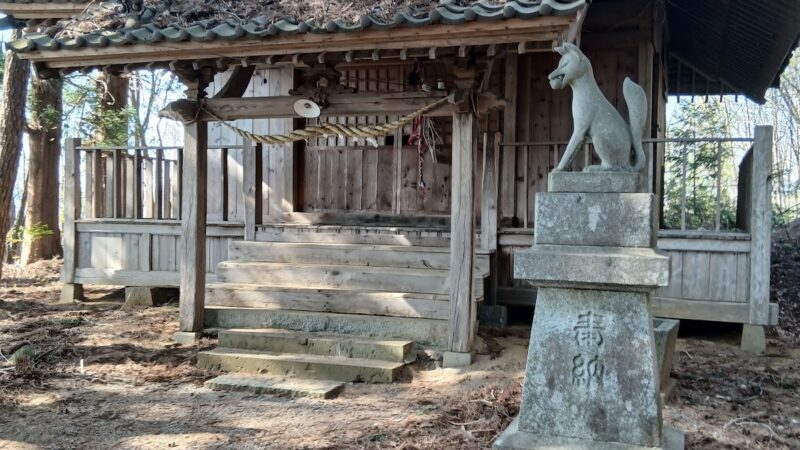
The main hall of Morisaki Inari Shrine boasts a traditional shrine architectural style, reflecting the region’s history. Visitors pray in front of the main hall using the customary two bows, two claps, and one bow.
Torii Gate
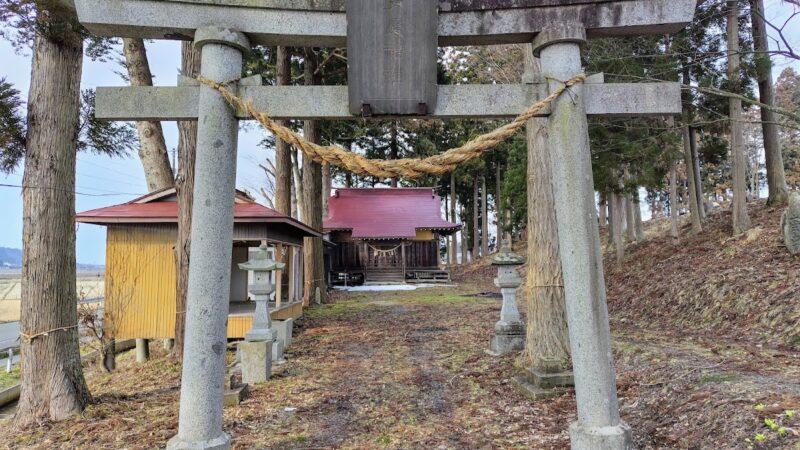
The vermilion torii gate, characteristic of Inari shrines, welcomes visitors. The torii gate marks the entrance to the sacred area, and it is considered polite to bow slightly when passing through it.
Fox Statues
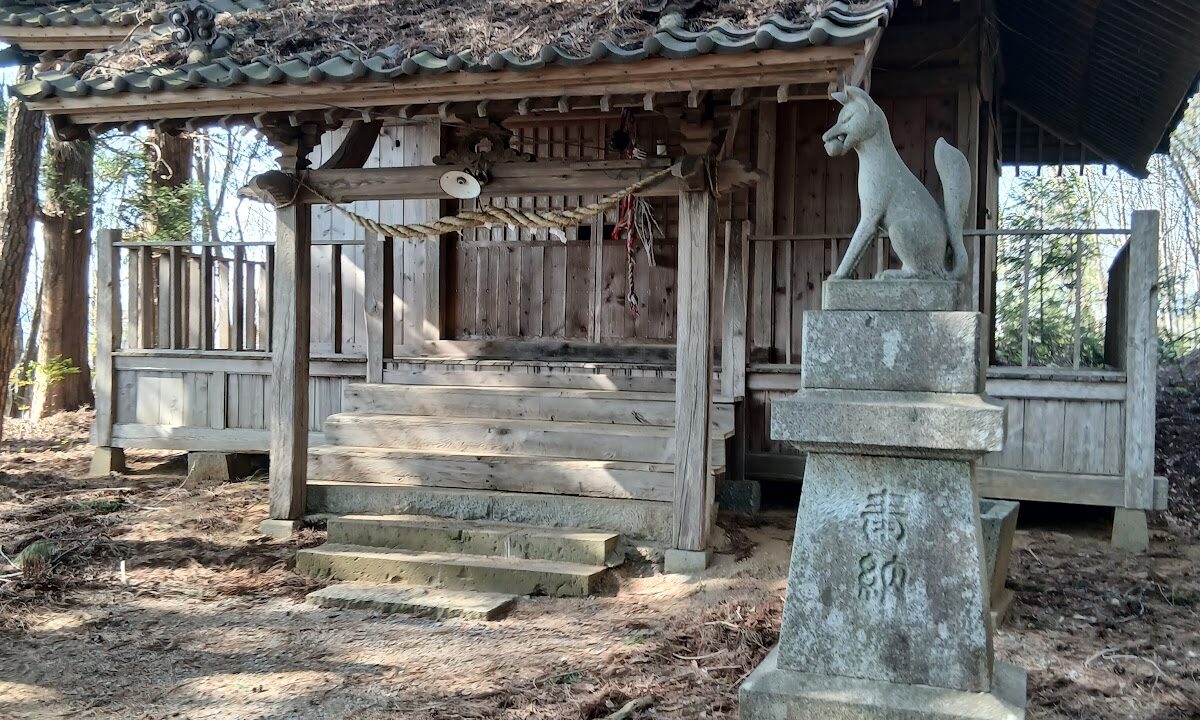
Statues of foxes, considered messengers of the gods, are placed throughout the shrine grounds. Foxes at Inari shrines are revered as messengers of the gods and watch over visitors.
Water Basin
Before praying, there is a water basin for purifying your body and mind. It is fundamental to visiting a shrine to purify yourself using the correct water basin procedure before praying.
How to Visit a Shrine and Etiquette
Basic Shrine Visit Etiquette
Here’s a guide to the basic etiquette for visiting a shrine:
- Bow before passing through the torii gate: Bow as a greeting before entering the sacred area.
- Walk along the edge of the path: The center of the path is considered the path of the gods, so walk along the edge.
- Purify yourself at the water basin: Purify your hands and mouth at the water basin.
- Pray in front of the main hall: Pray using the two bows, two claps, and one bow method.
- Bow again when leaving: Turn around and bow before leaving the torii gate.
Water Basin Etiquette
The correct water basin etiquette is as follows:
- Take the ladle in your right hand and purify your left hand.
- Switch the ladle to your left hand and purify your right hand.
- Take the ladle again in your right hand, receive water in your left hand, and rinse your mouth.
- Purify your left hand once more.
- 6. Place the ladle upright and pour water over the handle to purify it.
Return the ladle to its original position.
Etiquette for Offering Money
Offering money is a way of expressing gratitude. There are no rules regarding the amount, but it is important to offer it sincerely. Place the money quietly in the offering box, and if there is a bell, ring it before praying.
Annual Events and Festivals
Annual Festival
Morisaki Inari Shrine holds various festivals throughout the year. The annual festival is the most important Shinto ritual and is bustling with many worshippers. The annual festival may include the performance of Kagura (sacred dance) and the procession of the portable shrine.
First Shrine Visit of the New Year
During the first shrine visit of the new year, many worshippers visit to pray for safety and prosperity in the new year. It is especially crowded from New Year’s Day to the third day of the year.
Setsubun Festival
During Setsubun in February, events such as bean-throwing may be held. This traditional event, believed to ward off evil spirits and invite good fortune, is cherished by the local community.
Other Events
Various Shinto rituals and events are held according to local traditions and seasons. We recommend checking the detailed schedule in advance.
Access Information
Location
For the exact address of Morisaki Inari Shrine, we recommend checking the latest information before visiting. It is located in Iwate Prefecture and is a well-known shrine among local residents.
Access by Public Transportation
If using public transportation, it is recommended to check the route from the nearest station or bus stop in advance for a smoother experience. Bus services may be limited in some areas, so we recommend checking the timetable.
Access by Car
If accessing by car, please enter the shrine name or address into your car navigation system. We recommend checking the availability of parking in advance.
Parking Information
The availability and capacity of parking vary depending on the size of the shrine. Especially during festivals, congestion is expected, so we recommend visiting with plenty of time to spare.
Points to Note When Visiting a Shrine
Regarding Attire
While there are no specific dress code requirements for visiting a shrine, it is advisable to dress appropriately, respecting the sacred nature of the place. Avoid overly revealing or overly casual clothing.
Regarding Photography
Photography rules vary by shrine. Some areas prohibit photography, so check signs and notices, and if unsure, inquire at the shrine office. Please be considerate of other visitors.
Regarding Pets
Pet policies vary by shrine. Generally, animals are restricted from entering sacred areas, so it is recommended to check in advance.
Visiting Hours
Shrines are generally recommended to be visited during the daytime. Avoid visiting at night and visit during daylight hours. Shrine office hours are limited, so special attention is needed if you wish to obtain a Goshuin (shrine stamp) or amulet.
Nearby Tourist Attractions
The Charms of Iwate Prefecture
Iwate Prefecture is a region blessed with abundant nature and rich history and culture. When visiting Morisaki Inari Shrine, you can enjoy a more fulfilling trip by also visiting nearby tourist attractions.
Other Shrines and Temples
Iwate Prefecture has many historical shrines and temples. There are also temples registered as World Heritage Sites, such as Chuson-ji Temple and Motsu-ji Temple in Hiraizumi, where you can experience Japanese history and culture.
Natural Scenery
Iwate Prefecture is also a treasure trove of nature. You can enjoy beautiful mountains, clear rivers, and scenery that changes with the seasons. The beauty of nature is especially striking during the autumn foliage season and the fresh green season.
Hot Springs
Iwate Prefecture has many hot springs. It is recommended to relax and soothe your fatigue in a hot spring after visiting the shrine. You can also enjoy dishes made with local ingredients at local hot spring inns.
About Inari Worship
History of Inari Worship
Inari worship is one of the most widely practiced beliefs in Japan. Its origins are ancient, and it has developed in close connection with rice cultivation culture.
The name “Inari” is believed to originate from “Inenari” (rice harvest), and it is thought to have begun as a belief in praying for a bountiful rice harvest. Over time, it came to be worshipped not only as a god of agriculture but also as a god of business prosperity.
Inari Shrines Nationwide
There are said to be over 30,000 Inari shrines throughout Japan, with the head shrine being Fushimi Inari Taisha in Kyoto. Each Inari shrine in a region has developed uniquely, intertwined with the history and culture of its respective area.
Foxes and Inari Beliefs
There are various theories as to why foxes are considered divine messengers at Inari shrines. One theory suggests that foxes were revered as guardians of agriculture because they prey on mice that damage crops, while another suggests that the fox’s color resembles the color of rice.
However, the foxes at Inari shrines are not ordinary foxes, but sacred “Shinko” (divine foxes), messengers of the gods.
Goshuin (Shrine Seals) and Amulets
About Goshuin
Goshuin are seals given as proof of visiting a shrine. While collecting goshuin has become a popular hobby in recent years, they are originally meant to be cherished as proof of worship.
When receiving a goshuin, it is proper etiquette to complete your prayers first before visiting the shrine office. Bring your goshuincho (stamp book) and make your request politely. The offering (fee) is the specified amount.
Amulets and Talismans
Shrines offer various amulets and talismans. You can choose an amulet according to your wishes, such as business prosperity, family safety, or traffic safety.
Amulets should be worn at all times or placed in an important location. Their effect is said to last for one year, and it is customary to return them to the shrine the following year and receive a new one.
Coexistence with the Community
Center of the Local Community
Morisaki Inari Shrine is not merely a place of worship, but also serves as a central hub for the local community. Through festivals and events, interaction among local residents deepens, strengthening community bonds.
Preservation of Traditional Culture
Shrines also play an important role in passing on local traditional culture to future generations. Preparing for and running festivals provides opportunities for younger generations to learn about local history and culture.
Contribution to Regional Development
Visitors to the shrine also contribute to the local economy. By using local shops and purchasing local specialties during their visits, they contribute to the revitalization of the community.
Mindset for Worship
Gratitude
The foundation of shrine worship is gratitude. Express gratitude for daily peace and health, and pray for future happiness. It’s important to express gratitude first, rather than just making requests.
Purity of Heart
Shrines are sacred places. When visiting a shrine, it is important to approach it with a calm and pure heart. Escape the hustle and bustle of everyday life and offer your prayers in a peaceful state of mind.
Continuous Faith
Rather than a single visit, regular visits deepen your connection with the deities. The fact that it is a local shrine that you can visit regularly is one of the charms of Morisaki Inari Shrine.
Summary
Morisaki Inari Shrine is a historic Inari shrine located in Iwate Prefecture. It is believed to offer various blessings, including business prosperity, abundant harvests, and family safety, and is cherished by the local people.
When visiting, it is important to observe proper etiquette and manners, and to approach with a grateful heart. Furthermore, visiting it in conjunction with nearby tourist spots will allow you to experience the charm of Iwate Prefecture more deeply.
Shrines are important places that convey the history and culture of a region. By visiting Morisaki Inari Shrine, you can experience traditional Japanese faith and culture and find peace of mind. Why not visit it at least once?
As a shrine deeply rooted in the community, it will undoubtedly continue to be cherished by many people. We hope that visiting the shrine will provide an opportunity to rediscover the beauty of traditional Japanese culture.