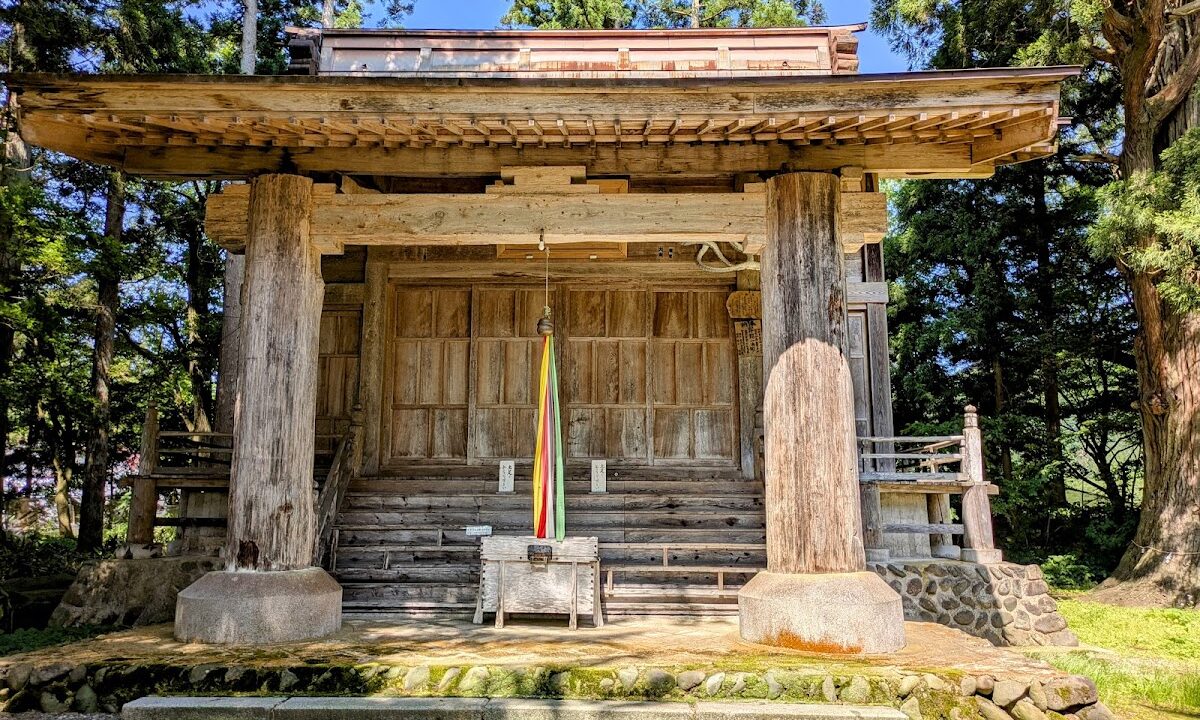
Taga Shrine (Shizukuishi-cho, Iwate-gun, Iwate Prefecture) Complete Guide | History, Deities, Access, and Highlights Explained in Detail
Taga Shrine, located in Gomyojin, Shizukuishi-cho, Iwate-gun, Iwate Prefecture, is a historical shrine with deep ties to the descendants of the Seiwa Genji clan, and where the legend of a sacred sword brought from Omi Province (present-day Shiga Prefecture) is still passed down today. This article provides a detailed explanation from a local Iwate perspective, covering everything from the history of Taga Shrine, its enshrined deities, highlights within the grounds, access methods, and information on its annual festival.
Basic Information on Taga Shrine
Taga Shrine is located in Gomyojin, Shizukuishi-cho, Iwate-gun, Iwate Prefecture, and has long been cherished as a center of local faith.
Location and Contact Information
- Address: 30-45, Gomyojin, Shizukuishi-cho, Iwate-gun, Iwate Prefecture 020-0581
- Contact Information: 019-634-1220 (Priest’s Residence)
- Nearest Station: Approximately 15 minutes by car from Iwate-Iioka Station on the JR Tazawako Line
- Parking: Available (for visitors)
Deities Enshrined
Taga Shrine enshrines the following two deities:
- Izanagi-no-Okami
- Izanami-no-Okami
These two deities are known as creator gods who gave birth to the land of Japan and many gods, and are believed to bestow blessings such as marital harmony, matchmaking, longevity, and protection from evil.
Annual Festival
The annual festival is held every year on September 9th, with local people gathering to perform Shinto rituals.
The History and Origins of Taga Shrine
The history of Taga Shrine begins with its deep connection to the Seiwa Genji clan and the Taga Grand Shrine of Omi Province. According to ancient texts, its founding dates back to the early Kamakura period.
The Legend of the Sacred Sword from Omi Province
Ancient texts record the following legend:
“Sasaki Saburo Moritsuna, a descendant of the Seiwa Genji clan, ruled Omi Province and always fought carrying the sacred sword of Taga Shrine, achieving success each time. However, when Minamoto no Yoritomo and Yoshitsune fell out, Moritsuna entrusted the sacred sword of Taga Shrine to Kimura Tarosaburo, a member of his family who was loyal to Yoshitsune, and secretly sent him to Oshu.”
According to this legend, Kimura Tarosaburo arrived in Shizukuishi carrying the sacred sword of Omi Myojin (Taga Shrine) on his back, and in 1207 (Shogen 1), he built a shrine and enshrined the sacred sword. This is considered the origin of the present-day Taga Shrine.
History of the Seiwa Genji and Sasaki Clan
Sasaki Moritsuna was a warrior from the Sasaki clan of Omi Province who played an active role in the Genpei War. The Sasaki clan, as the guardians of Omi Province, had a deep faith in Taga Shrine. The story of a family sympathetic to Minamoto no Yoshitsune fleeing to Oshu during the historical turning point of the conflict between Minamoto no Yoshitsune and Minamoto no Yoritomo, and taking a sacred sword with them as a token of their faith, evokes a sense of historical romance.
History of Local Faith
The very name of Shizukuishi-cho Gomyojin, “Gomyojin,” is a word representing a deity, indicating that this area has been recognized as a sacred place since ancient times. For over 800 years, Taga Shrine has attracted the faith of the people of Shizukuishi-cho, playing an important role as a place of prayer for abundant harvests, family safety, and protection from evil.
Highlights of the Shrine Grounds
The grounds of Taga Shrine offer various points of interest that tell the story of its long history.
Shrine Buildings
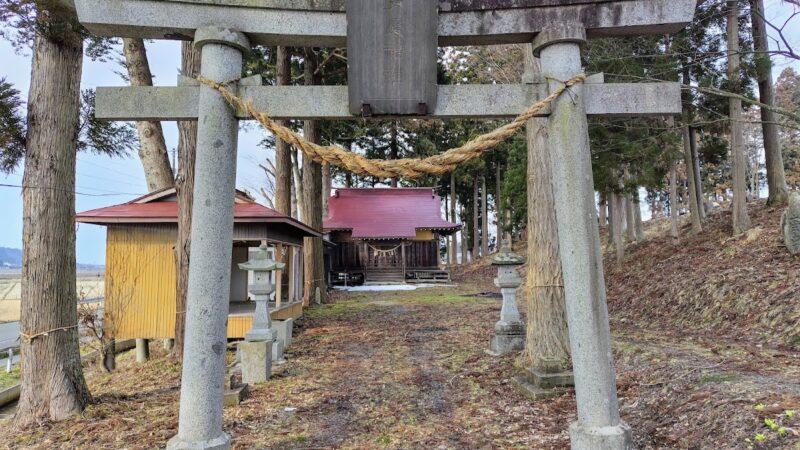
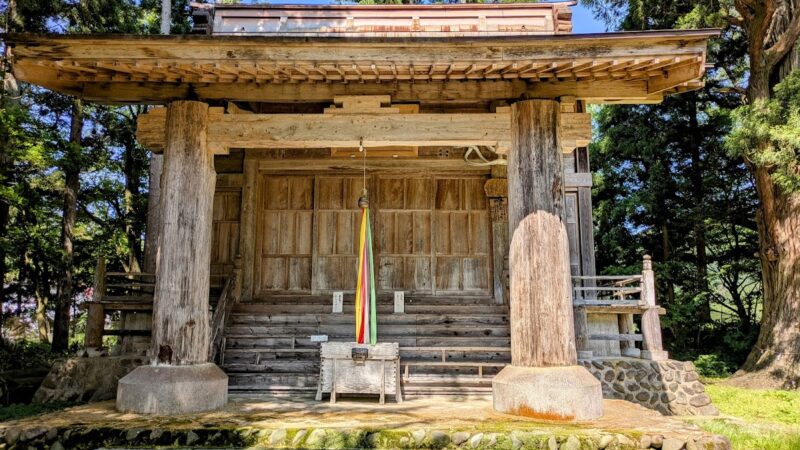
The current shrine buildings follow traditional shrine architectural styles. Izanagi-no-Okami and Izanami-no-Okami are enshrined in the main hall, creating a solemn atmosphere.
Ancient Cedar Trees and the Nature of the Shrine Grounds
Ancient cedar trees, estimated to be several hundred years old, stand tall within the shrine grounds, telling the story of the shrine’s long history. These giant trees have been cherished by the local people as symbols of the sacred area and as objects of nature worship. The cedar groves covering the grounds create a tranquil atmosphere, allowing visitors to feel a sacred air.
Stone Monuments and Memorials
Stone monuments commemorating past renovations and other events are erected within the shrine grounds, demonstrating how much the local people have cherished the shrine.
Seasonal Scenery
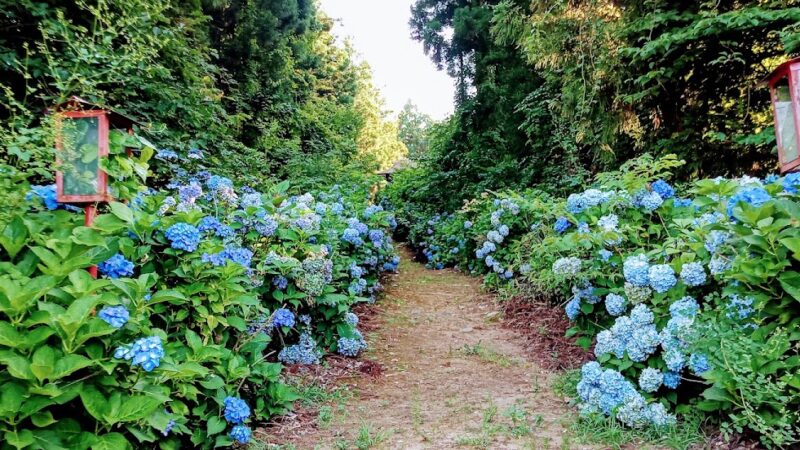
In spring, the grounds are adorned with fresh greenery; in summer, with deep green leaves; in autumn, with vibrant autumn foliage; and in winter, with snowscapes. The beautiful nature of each season colors the shrine grounds. The contrast between the ancient cedar trees and the autumn leaves is particularly magnificent during the fall foliage season.
Divine Virtues and Blessings of Taga Shrine
Izanagi-no-Okami and Izanami-no-Okami, enshrined at Taga Shrine, are creator gods in Japanese mythology who gave birth to the land and the gods, and are worshipped as deities associated with the origin of life.
Main Divine Virtues
- Matchmaking and Marital Harmony: Known as a divine couple, it bestows blessings for successful relationships and marital harmony.
- Longevity and Longevity: A belief in the deity of life, praying for long life.
- Protection from Evil and Disaster: Power to protect against all kinds of calamities.
- Family Safety: Protecting the health and happiness of the family.
- Abundant Harvest: Aspect as a guardian deity of agriculture.
- Fertility and Safe Childbirth: A belief in the deity of life creation.
Taga Taisha Shrine in Omi Province, known as “O-Taga-san,” is said to be the origin of the word “O-Taga-shaku” (tadpole), and is particularly famous for its belief in longevity and longevity. Taga Shrine in Shizukuishi Town has inherited this lineage, receiving various wishes from the local people.
Access Information
Detailed directions to Taga Shrine are provided below.
Access by Train
- Get off at Iwate-Iioka Station on the JR Tazawako Line
- Approximately 20 minutes from Morioka Station to Iwate-Iioka Station
- Approximately 15 minutes by taxi or 50 minutes on foot from the station
- Get off at Harukiba Station on the JR Tazawako Line
- Approximately 10 minutes by taxi from the station
Access by Car
- Approximately 30 minutes from central Morioka City via National Route 46
- Approximately 25 minutes from Morioka IC on the Tohoku Expressway via National Route 46
- Approximately 10 minutes by car from central Shizukuishi Town
Car Navigation Settings
- Address: 30-45 Gomyojin, Shizukuishi-cho, Iwate-gun, Iwate Prefecture
- Phone Number: 019-634-1220 (Priest’s Residence)
Parking Information
There is parking space for visitors on the shrine grounds. During events such as annual festivals, congestion is expected, so it is recommended to visit with plenty of time to spare.
Manners and Etiquette for Visiting
Here are some basic manners for visiting Taga Shrine.
Basic Etiquette for Visiting
- Bow before passing through the torii gate: Bow slightly before entering the sacred area.
- Purify yourself at the water basin: Purify your left hand, then your right hand, then your mouth.
- Walk along the edge of the path: The center is considered the path of the gods.
- Two bows, two claps, one bow: Place your offering, bow twice, clap twice, and bow once.
Attire for Visiting
Everyday clothes are acceptable, but it is desirable to wear clothing that reflects the sacred nature of the place. For formal events such as annual festivals, slightly more formal attire is appropriate.
Regarding Photography
Photography is generally permitted within the shrine grounds, but it is considered good manners to refrain from taking photos inside the main hall or during Shinto rituals. If unsure, please check with the head priest.
Nearby Tourist Attractions
Here are some nearby tourist attractions in Shizukuishi Town that you might want to visit when you come to Taga Shrine.
Koiwai Farm
Located about 20 minutes by car from Taga Shrine, this is one of Japan’s largest private comprehensive farms. You can enjoy interacting with animals and fresh dairy products on its vast grounds.
Shizukuishi Ski Resort & Amihari Onsen
This resort area at the foot of Mt. Iwate offers skiing in winter and mountain climbing and hiking in summer. Day trips to Amihari Onsen are also possible, allowing you to relax and unwind after your visit to the shrine.
Oushuku Onsen
Located about 15 minutes by car from Taga Shrine, this hot spring resort boasts a history of over 450 years. Many inns line the streets, offering both overnight stays and day trips to the hot springs.
Iwate Prefectural Gosho Lake Wide Area Park
This park, spread around Gosho Lake, offers enjoyment of nature throughout the seasons. Cycling and boating are also popular activities.
Sightseeing in Morioka City
It’s about a 30-minute drive from Taga Shrine to the center of Morioka City. There are numerous historical and cultural attractions, such as Morioka Castle Ruins Park, Iwate Bank Red Brick Building, and Morioka Hachimangu Shrine.
Nearby Shrines and Temples
Besides Taga Shrine, there are other shrines and temples worth visiting in Shizukuishi Town and the surrounding area.
Shrines in Shizukuishi Town
- Shizukuishi Hachimangu Shrine: A shrine revered as the guardian shrine of Shizukuishi Town.
- Takizawa Shrine: A shrine that has been cherished as a local guardian deity since ancient times.
Major Shrines in Morioka City
- Morioka Hachimangu Shrine: The largest shrine in Morioka City, attracting many worshippers during the New Year’s visit.
- Sakurayama Shrine: Located adjacent to the Morioka Castle ruins, a shrine associated with the Nanbu clan.
- Iwate Gokoku Shrine: A shrine dedicated to the spirits of those who died in war from Iwate Prefecture.
Annual Events and Festivals
Taga Shrine holds various Shinto rituals throughout the year.
Annual Festival (September 9th)
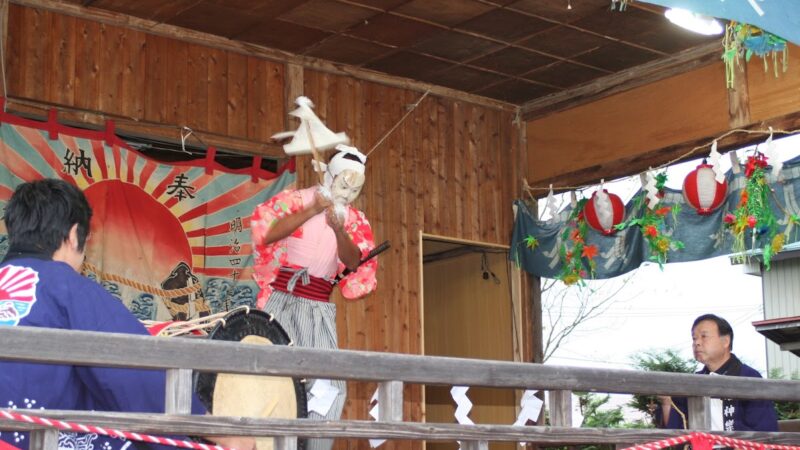
This is the most important festival of Taga Shrine, held annually on September 9th. Local people gather, and a celebratory feast (naorai) is sometimes held after the rituals. Prayers are offered for a bountiful harvest, family safety, and the prosperity of the community.
Other Annual Events
- New Year’s Day Festival: A Shinto ritual praying for happiness in the new year.
- Spring Festival: Celebrating the arrival of spring and praying for a bountiful harvest.
- Summer Purification Ceremony: A Shinto ritual to cleanse away the impurities accumulated over the past six months.
- Autumn Festival: A Shinto ritual expressing gratitude for the harvest.
- Year-End Purification Ceremony: Cleansing away the impurities of the past year and preparing for the new year.
For specific dates and details, please contact the chief priest’s residence (019-634-1220).
Cultural Assets and Traditions of Taga Shrine
Taga Shrine possesses numerous tangible and intangible cultural assets.
Legend of the Sacred Sword
The sacred sword, said to have been brought from Omi Province in the first year of the Jogen era (1207), is the most important legend of Taga Shrine. It is uncertain whether this sacred sword is still kept at the shrine, but the story, which has been passed down for over 800 years, has become part of the region’s historical identity.
Ancient Cedar Trees on the Shrine Grounds
The ancient cedar trees towering on the shrine grounds are estimated to be several hundred years old and are living witnesses to the shrine’s long history. Local people have revered these giant trees as sacred trees and have carefully protected them.
Oral History
The history and legends of Taga Shrine, passed down orally by local people in addition to written records, can be considered a valuable intangible cultural asset of Shizukuishi Town.
History of Shizukuishi Town and Taga Shrine
Shizukuishi Town is located almost in the center of Iwate Prefecture, a town rich in nature spreading across the southern foothills of Mount Iwate.
Origins of Shizukuishi Town
The name Shizukuishi is said to originate from the drops of water dripping from Mount Iwate. Agriculture and forestry have flourished since ancient times, and in recent years, tourism has also developed. ### Characteristics of the Gomyojin District
As its name suggests, the Gomyojin district, where Taga Shrine is located, has long been recognized as a sacred place. Situated in a rural area, it boasts a tranquil rural landscape.
Relationship with the Nanbu Domain
During the Edo period, Shizukuishi was part of the Nanbu Domain. Taga Shrine, under the protection of the Nanbu Domain, functioned as a center of local faith.
Visitor Feedback and Reviews
The following are some comments from people who have visited Taga Shrine:
A Serene Atmosphere
“The shrine grounds are quiet, and a sacred atmosphere permeates the area surrounded by ancient cedar trees. It’s a place where you can forget the hustle and bustle of the city and find peace of mind.”
Historical Romance
“I felt a sense of historical romance in the legend that a sacred sword was brought here from Omi Province. It allows you to reflect on the Genpei War era of the Kamakura period.”
A Shrine Rooted in the Community
“I felt that this shrine is cherished by the local people. The well-maintained grounds convey the love of the parishioners.”
Natural Beauty
“I visited in autumn, and the contrast between the autumn leaves and the ancient cedar trees was beautiful; it was a perfect place for photography.”
Recommended Plan for Visiting Taga Shrine
We propose a model plan for sightseeing in Shizukuishi, centered around Taga Shrine.
Day Trip Plan
Morning
- Departure from Morioka Station (approx. 30 minutes by car)
- Visit to Taga Shrine (30 minutes to 1 hour stay)
- Lunch and sightseeing at Koiwai Farm (2-3 hours)
Afternoon
- Day trip to Oushuku Onsen (1-2 hours)
- Shopping and sightseeing in Morioka city
- Return to Morioka Station
One-Night, Two-Day Plan
Day 1
- Arrival at Morioka Station
- Visit to Taga Shrine
- Stroll around Gosho Lake
- Overnight stay at Oushuku Onsen or Amihari Onsen
Day 2
- Sightseeing at Koiwai Farm
- Purchase local specialties at a direct sales store in Shizukuishi town
- Sightseeing in Morioka city (Morioka Castle Ruins, Morioka Hachimangu Shrine, etc.)
- Return to Morioka Station
Inquiries about Taga Shrine
For inquiries regarding Taga Shrine, please contact the following:
- Telephone: 019-634-1220 (Priest’s Residence)
- Reception Hours: Weekdays 9:00 AM – 5:00 PM (approximate)
Notes on Inquiries
- We may not be able to respond during Shinto rituals or memorial services.
- We recommend checking the dates of annual festivals and special events in advance.
- If you wish to visit as a group, we recommend contacting us in advance.
- If you wish to receive a prayer, advance reservations may be required.
Shizukuishi Town’s Local Products and Gourmet Food
When visiting Taga Shrine, be sure to enjoy Shizukuishi Town’s local products and gourmet food.
Shizukuishi Beef
A leading brand of beef from Iwate Prefecture, characterized by its fine marbling and tender texture. It can be enjoyed at restaurants in town.
Dairy Products
Dairy farming, including Koiwai Farm, is thriving, and fresh milk, yogurt, and cheese are popular.
Local Sake
Iwate Prefecture is a renowned sake-producing region, and high-quality local sake is produced around Shizukuishi.
Agricultural Products
Fresh agricultural products such as highland vegetables and fruits can be purchased at roadside stations and direct sales outlets.
Summary
Taga Shrine, located in Gomyojin, Shizukuishi-cho, Iwate-gun, Iwate Prefecture, is a shrine with a history of over 800 years, said to have been founded in 1207 (Shogen 1) when a sacred sword was brought from Omi Province. The shrine is steeped in the historical romance of the descendants of the Seiwa Genji and the Sasaki clan, and enshrines Izanagi-no-Okami and Izanami-no-Okami, offering divine blessings for matchmaking, longevity, and protection from evil.
Hundreds of years old cedar trees stand tall within the shrine grounds, creating a tranquil and sacred atmosphere. The annual festival is held on September 9th, attracting the faith of the local people.
Access is approximately 30 minutes by car from central Morioka City, or about 15 minutes by taxi from Iwate-Iioka Station on the JR Tazawako Line. The surrounding area boasts many attractive tourist spots, including Koiwai Farm, Oushuku Onsen, and Gosho Lake, making it an ideal place to visit as part of a Shizukuishi sightseeing trip.
Taga Shrine offers a chance to experience history, nature, and the warm faith of the local people. When visiting Iwate Prefecture, we highly recommend a visit. In its tranquil grounds, you can spend a precious time reflecting on its 800-year history.