Complete Guide to Kanasago Shrine (Akita City, Akita Prefecture) | History Related to the Satake Clan and Blessings for Beauty and Matchmaking
Kanasago Shrine, located in Kanasago-cho, Hodono, Akita City, is a historic shrine established by the Satake clan, the lords of the Akita domain, who invited the deity from Hitachi Province (present-day Ibaraki Prefecture). With a history of over 400 years, it is known for its blessings related to beauty, matchmaking, and sewing, and has attracted particular reverence from young women. This article provides a thorough explanation of Kanasago Shrine’s detailed history, enshrined deities, blessings, access methods, and points to consider when visiting.
History and Origins of Kanasago Shrine
The Satake Clan’s Transfer to Akita and the Enshrinement of Kanasago Gongen
The history of Kanasago Shrine begins with the transfer of Lord Satake Yoshinobu to Akita in 1602 (Keicho 7). The Satake clan was a prosperous family of Sengoku daimyo in Hitachi Province (Ibaraki Prefecture), and after the Battle of Sekigahara, they were transferred to Akita by order of Tokugawa Ieyasu. During this transfer of domain, Lord Satake Yoshinobu invited the Kanasago Gongen, which his family had revered as their guardian deity for generations, to the Akita region. Initially enshrined within Rokugo Castle, the residence of his father, Satake Yoshishige, it became a watchful presence, watching over the Satake clan’s development in their new home.
History of the Relocation in Kubota Castle Town
In 1604 (Keicho 9), with the construction of Kubota Castle (present-day Senshu Park), the Kanasago Shrine was relocated to the temple town (present-day Asahikita district) in the castle town. During this period, the shrine held an important position as the guardian deity of the domain, attracting many worshippers.
Later, in 1710 (Hoei 7), it moved to its current location in Hodono Kanasago-cho. For over 300 years since this relocation, it has continued to attract the faith of the local people in the same location. Records show that the domain granted it 100 koku of temple land and provided generous protection.
400 Years of Ties with Ibaraki Prefecture
Within the grounds of Kanasago Shrine stands the “Monument of Ties,” commemorating the 400-year-long relationship between Ibaraki and Akita Prefectures. The Kanasago Shrine in Hitachi Province (Hitachiota City, Ibaraki Prefecture), the birthplace of the Satake clan, and the Kanasago Shrine in Akita Prefecture, both symbolize the exchange between the two prefectures, conveying a historical connection to the present day.
This historical background goes beyond mere shrine history, serving as a valuable example of cultural exchange and historical continuity between regions.
Deities and Blessings
Main Deity
The deities enshrined at Kanasago Shrine are as follows:
Ōnamuchi-no-Mikoto
Ōnamuchi-no-Mikoto, also known as Ōkuninushi-no-Mikoto, is known as the god of nation-building. He is believed to bestow a wide range of blessings, including matchmaking, business prosperity, and abundant harvests, and is a god who protects all aspects of people’s lives.
Takemikazuchi-no-Mikoto
Takemikazuchi-no-Mikoto, famous as the principal deity of Kashima Shrine, is revered as a god of war, but is also known for his blessings of good fortune in competitions and protection from evil. This is one of the reasons why the Satake clan, as a samurai family, revered him.
Sarutahiko-no-Mikoto
Sarutahiko-no-Mikoto, known as the god of opening paths, is a deity who guides people in the right direction on the path of life. Many people visit this shrine when starting a new chapter or at a turning point in their lives.
Shrines Enshrined Together
Since the Meiji era, the following shrines have been enshrined together at Kanasago Shrine:
- Shinmei-sha (Former Asahikawa Village, Haranomachi)
- Kuzuryu-sha (Teramachi)
These enshrinements have further strengthened Kanasago Shrine’s character as the guardian shrine of the region.
Benefits for Beauty and Matchmaking
The most distinctive benefits of Kanasago Shrine are beauty, matchmaking, and improvement in sewing skills. From the Edo period through the Meiji and Taisho eras, the following items were distributed during festivals:
- Needle: As a charm for Japanese and Western sewing
- Rouge: As a charm for beauty
- Face Powder: As a charm for beauty
Many young women visited the shrine seeking these items, and it was widely known as the “Bride Selection Festival.” At that time, for women seeking good fortune in marriage, dressing beautifully and honing their sewing skills were important factors leading to successful marriage proposals.
Even today, many visitors come to pray for beauty and good fortune in marriage, and the shrine is cherished in the community as a place that grants women’s wishes.
Access to Kanasago Shrine
Basic Information
Location: 36 Kanasago-cho, Hodono, Akita City, Akita Prefecture
Nearest Station and Access:
- Approximately 19 minutes on foot (approx. 1.5 km) from JR Ou Main Line, Akita Station
- Approximately 16 minutes on foot (approx. 1.3 km) from JR Ou Main Line, Izumigai Asahikawa Station
Akita Station is the central station of Akita Prefecture and also the departure and arrival station for the Shinkansen “Komachi,” making it easily accessible from outside the prefecture. The path from the station to the shrine is flat, allowing you to enjoy the scenery of Akita city while walking.
Access by Bus
If using the bus from Akita Station, you can use Akita Chuo Kotsu bus routes. Take a bus bound for Hodono, get off at the nearest bus stop, and arrive in a few minutes on foot. Bus frequency varies depending on the time of day, so it is recommended to check the timetable in advance.
Access by Car and Parking
If visiting by private car, it’s about a 15-minute drive from the Akita Chuo Interchange on the Akita Expressway. The area around the shrine is a residential neighborhood, and some roads are quite narrow, so careful driving is necessary.
Regarding parking, due to the size of the shrine, there is no large dedicated parking lot, but there is space available for visitors. During busy periods such as New Year’s, it’s advisable to consider using public transportation.
Highlights of the Shrine Grounds
Shrine Buildings and Atmosphere
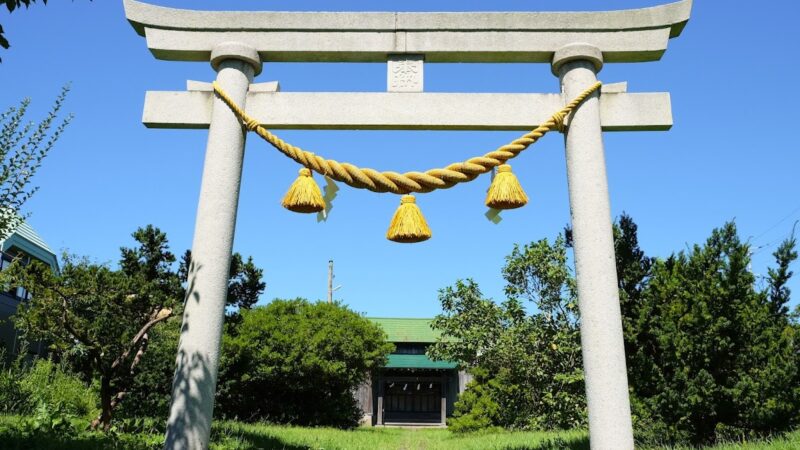
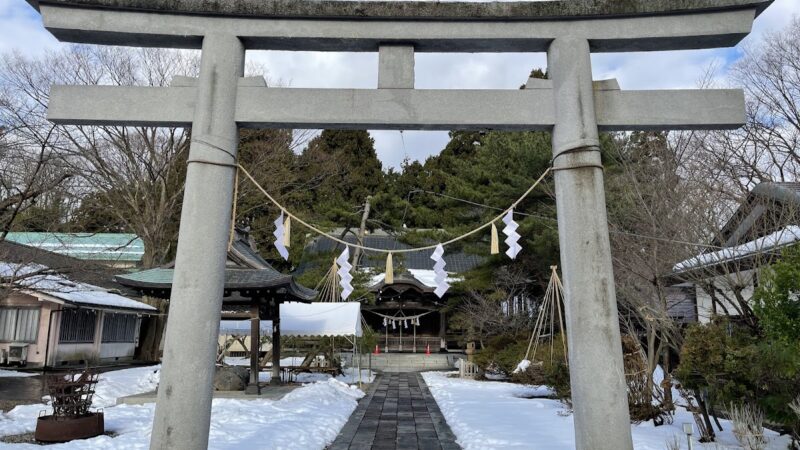
Despite being located in the heart of Akita city, the grounds of Kanasago Shrine are enveloped in a tranquil atmosphere. The shrine buildings maintain the traditional style of shrine architecture while being meticulously maintained.
The grounds are not particularly large, but this makes them feel more approachable, and you can sense that it is a shrine deeply integrated into the lives of the local people. Visitors are mainly locals, and you can also see people visiting regularly.
Monument of Connection
The “Monument of Connection,” erected in the middle of the shrine grounds, is a stone monument commemorating the 400-year historical connection between Ibaraki and Akita prefectures. It is an important monument that demonstrates how the historical event of the Satake clan’s relocation laid the foundation for cultural exchange between the two prefectures.
Standing before this monument, one can reflect on the feelings of the people who moved to distant lands 400 years ago, and the faith that allowed them to cherish and protect the gods of their homeland.
Seasonal Scenery
Kanasago Shrine displays different expressions throughout the four seasons.
Spring: The cherry blossoms in the shrine grounds bloom, and the fresh greenery is beautiful. Visitors can feel the arrival of spring while praying.
Summer: The lush green grounds create a cool and refreshing atmosphere.
Autumn: The autumn leaves color the grounds, giving a sense of Akita’s short autumn.
Winter: The snow-covered grounds are enveloped in silence, further enhancing the solemn atmosphere. The snow-covered path to the shrine has few footprints, creating a mystical winter scene.
Points and Etiquette for Visiting a Shrine
Basic Etiquette for Visiting a Shrine
By observing the basic etiquette for visiting a shrine, you can offer a more heartfelt prayer:
- Bow before the Torii Gate: Before entering the shrine grounds, bow before the Torii gate.
- Purify yourself at the Water Basin: Purify your left hand, then your right hand, then your mouth.
- Walk along the edge of the path: The center is considered the path of the gods.
- Etiquette in front of the Main Hall: The basic procedure is two bows, two claps, and one bow.
About Goshuin (Shrine Seals)
Goshuin can be obtained at Kanasago Shrine. Currently, it is also possible to obtain electronic goshuin, providing a digital-friendly way to record your visit.
Goshuin are proof of your visit, not merely collectibles. The meaning deepens when you receive the offering after a heartfelt visit to the shrine.
Festivals and Events
Kanasago Shrine holds various festivals throughout the year. Especially during the annual grand festival, traditional Shinto rituals are performed, and local people gather.
Festival dates can be confirmed on the Akita Prefectural Shrine Association website or by contacting the shrine directly. Attending a festival will allow you to more deeply experience the history and faith of the shrine.
Nearby Tourist Attractions
Senshu Park (Kubota Castle Ruins)
Senshu Park, within walking distance of Kanasago Shrine, is the site of Kubota Castle, the residence of the Satake clan. This place, deeply connected to the history of Kanasago Shrine, is a representative tourist spot in Akita City and is also known as a famous cherry blossom viewing spot.
The park also has a facility exhibiting materials related to the Satake clan, which helps to understand the historical background of Kanasago Shrine more deeply.
Shrine Pilgrimage in Akita City
There are many other shrines in Akita City besides Kanasago Shrine. Visiting shrines with unique histories and blessings, such as Hirata Shrine, dedicated to Hirata Atsutane, and Taiheizan Miyoshi Shrine, the general guardian shrine of Akita, allows you to gain a deeper understanding of Akita’s history and culture.
Around Akita Station
Around Akita Station, there are numerous restaurants where you can enjoy Akita’s famous dishes, such as kiritanpo and Hinai chicken. Enjoying Akita’s cuisine after visiting the shrine is highly recommended.
Guidelines for Visiting Kanasago Shrine
A Shrine Rooted in the Community
Kanasago Shrine is not a large-scale tourist shrine, but rather a shrine deeply rooted in the lives of the local people. When visiting, please respect that it is a place of worship for the local community and strive to worship quietly.
A Visit to Experience History
More than 400 years ago, people who migrated from distant lands carefully protected the gods of their homeland. This faith has been passed down to the present day, and it remains a spiritual anchor for many people.
When visiting Kanasago Shrine, be sure to reflect on its history as you offer your prayers. You will surely realize how the historical event of the Satake clan’s relocation gave rise to a culture and faith that continues to resonate with us today.
Wishes for Beauty and Good Relationships
Kanasago Shrine has long been known for its blessings related to beauty and matchmaking. Even today, these wishes remain of interest to many people. Why not take this opportunity to visit with a sincere heart and reflect on your own inner beauty and the mindset that attracts good relationships?
Summary: The Charm of Kanasago Shrine
Located in Kanasago-cho, Hodono, Akita City, Kanasago Shrine is a venerable shrine with a historical background related to the Satake clan’s relocation to Akita. For over 400 years, it has continued to attract the faith of people in Akita, far from Hitachi Province.
Known for its blessings related to beauty, matchmaking, and improved sewing skills, this shrine, particularly revered by women, possesses a friendly, community-oriented atmosphere while simultaneously exuding a deep sense of history and tradition.
Its convenient location, within walking distance of Akita Station, is another attractive feature. When visiting Akita, be sure to stop by Kanasago Shrine and pay your respects to the deities who, along with the Satake clan, have taken root in the land of Akita. By experiencing the 400-year-old story of the connection between Ibaraki and Akita prefectures, you will feel the weight of history and the depth of people’s faith.
With its grounds that show different expressions in each season, its carefully preserved shrine buildings, and the warm faith of the local people, Kanasago Shrine has a quiet and heartwarming charm that sets it apart from large-scale tourist shrines. We highly recommend visiting it as part of a shrine tour to experience Akita’s history and culture.