Iyataka Shrine (Akita Prefecture) Complete Guide | History, Deities, Goshuin (Shrine Seal), and Access Information
Iyataka Shrine, located within Senshu Park in Akita City, Akita Prefecture, is a shrine dedicated to Hirata Atsutane, known as one of the Four Great Scholars of National Learning. Known for its blessings of academic success and business prosperity, it attracts many worshippers from both within and outside Akita Prefecture. This article provides a detailed explanation of Iyataka Shrine, from its history and enshrined deities to its goshuin (shrine seal), prayer services, and access methods.
What is Iyataka Shrine?
Iyataka Shrine is located within Senshu Park (the former site of Kubota Castle), a symbol of Akita City, and was founded during the Meiji era. The name “Iyataka” means “to reach ever higher,” praising the academic virtues and achievements of the enshrined deity.
Located in the lush green environment of Senshu Park in the heart of Akita City, its convenient location makes it easy to visit while sightseeing. It’s also known as a famous cherry blossom viewing spot in spring, attracting many visitors during the season.
About the Deity
Hirata Atsutane-no-Mikoto
Hirata Atsutane (1776-1843), the principal deity of Yatako Shrine, was a scholar of Japanese classics and Shintoism in the late Edo period. Born into a family of Akita domain samurai, he inherited the academic lineage of Motoori Norinaga after his death and, as one of the “Four Great Scholars of Japanese Classics,” had a significant influence on the history of Japanese thought.
Hirata Atsutane dedicated himself to the revival and development of Shintoism, leaving behind numerous writings. His scholarship is known as “Hirata National Learning” or “Restoration Shinto,” and is said to have influenced the Sonno Joi (Revere the Emperor, Expel the Barbarians) ideology of the late Edo period. He is revered as the god of learning due to his outstanding scholarship.
Sato Nobuhiro-no-Mikoto
Sato Nobuhiro (1769-1850), enshrined here, was a statesman and agricultural scholar from Akita Prefecture. A disciple of Hirata Atsutane, he left behind works in a wide range of fields, including agriculture, economics, and military affairs.
Sato Nobuhiro is known for his works such as “Keizai Yoroku” (Essential Records of Economics) and “Nosei Honron” (Treatise on Agricultural Policy), and as a thinker of industrial development, he influenced the modernization after the Meiji Restoration. Therefore, Yataka Shrine is revered not only as a god of learning, but also as a god of business prosperity and industrial development.
History of Yataka Shrine
Circumstances of its Founding
The history of Yataka Shrine dates back to Meiji 14 (1881). The origins of Hirata Shrine lie in the establishment of the “Hirata Shrine” in Yabase, Akita City, by volunteers including Jinzaemon Kotani, a disciple of Hirata Atsutane, to honor their teacher’s achievements.
Initially, it was primarily a private shrine, but due to the significant influence of Hirata’s National Learning, it gradually gained widespread devotion.
Renaming to Yataka Shrine
In 1909 (Meiji 42), the Akita Prefectural Education Association became the parent organization of the shrine, and it was relocated to Nakadori 4-chome, Akita City. At this time, Sato Nobuhiro was enshrined alongside the deity, and the shrine’s name was changed to “Yataka Shrine.” This dignified name reflects the exceptionally high academic virtues of the two enshrined deities.
Relocation to Senshu Park
Later, Yataka Shrine was relocated to its current location within Senshu Park. The current shrine building is a renovated version of the former Hachiman Shrine, a historically valuable structure built during the Edo period.
Senshu Park is the site of Kubota Castle (Akita Castle), the former residence of the Satake clan of the Akita Domain. By being located in this historical site, Yataka Shrine has become a symbolic presence of Akita’s history and culture.
Benefits and Faith
Yataka Shrine is widely revered for the following benefits:
Academic Achievement and Success in Exams
In honor of Hirata Atsutane’s outstanding scholarship, it is best known as the god of learning. Students and those preparing for exams visit the shrine to pray for success in their studies. It is especially crowded during exam season.
Business Prosperity and Industrial Development
In honor of Sato Nobuhiro’s economic philosophy, the shrine is also revered for its benefits in business prosperity and success in ventures. Many local business owners and shopkeepers visit the shrine to pray for business prosperity, and it enjoys deep reverence from business people throughout Akita Prefecture.
Protection from Misfortune and Good Fortune / Family Safety
The shrine also offers prayers for protection from misfortune, good fortune, and family safety, as is common at shrines. Many visitors come to the shrine at important life events and during unlucky years.
Matchmaking
Located in the beautiful setting of Senshu Park, the shrine is also believed to bring good fortune in matchmaking. Couples are often seen visiting the shrine.
About Goshuin (Shrine Seals)
Goshuin (shrine seals) are available at Yataka Shrine. Goshuin are popular as proof of visit and as a memento of shrine pilgrimages.
Characteristics of Goshuin
The goshuin at Yataka Shrine features the shrine’s name written in ink and stamped with the shrine’s seal. It is characterized by a simple yet dignified calligraphy style, reflecting the scholarly atmosphere befitting a shrine dedicated to Hirata Atsutane.
Receiving Goshuin (Shrine Seals)
Goshuin are available at the shrine office. After your visit, please go to the shrine office, present your goshuin book, and make your request. The offering fee is the same as at most shrines.
Reception hours are the same as the shrine’s opening hours, but they may not be able to accommodate requests during religious ceremonies or events. Therefore, if you want to be sure to receive a goshuin, it is recommended to check in advance.
About Prayers and Rituals
At Yataka Shrine, you can receive prayers for various milestones in your life.
Main Prayer Services
- Exorcism Prayer: Prayer for protection from misfortune and good fortune for those in their unlucky years
- 60th Birthday Celebration: Prayer for longevity for those reaching their 60th birthday
- Success Prayer: Prayer for academic success and passing exams for students
- Business Prosperity: Prayer for business prosperity and success
- Family Safety: Prayer for the health and safety of the family
- Traffic Safety: Prayer for car blessing and traffic safety
- First Shrine Visit: Prayer for the healthy growth of a baby
- Shichi-Go-San (7-5-3 Festival): Prayer for the healthy growth of children
Shinto Wedding Ceremony
Yataka Shrine also holds Shinto wedding ceremonies. You can have a traditional Shinto ceremony in the beautiful setting of Senshu Park. It is a popular choice for a dignified wedding ceremony where you can feel the history and culture of Akita.
How to Apply for a Prayer
If you wish to have a prayer, it is recommended that you make a reservation by phone in advance. While same-day registration may be possible in some cases, it may not be possible depending on the schedule of Shinto rituals. Therefore, if you wish to be sure to receive prayers, making a reservation is recommended.
Annual Events and Festivals
Yataka Shrine holds various festivals and events throughout the year.
Main Annual Events
- Saitansai (January 1st): A festival celebrating the New Year
- Hatsumode: The first three days of the New Year are bustling with many worshippers
- Setsubunsai (February): Setsubun rituals such as bean-throwing
- Spring Grand Festival: The grand spring festival
- Autumn Grand Festival: The grand autumn festival
- Shichi-Go-San (November): Celebrating the growth of children
- Oharai-shiki (June and December): A Shinto ritual to purify sins and impurities every six months
About Hatsumode
Yataka Shrine is a popular Hatsumode spot in Akita City. Due to its excellent location in Senshu Park, the shrine attracts many visitors for Hatsumode (first shrine visit of the New Year) during the first three days of the year. As it is dedicated to the god of learning, it is particularly popular with students preparing for exams and their families.
Due to expected crowds during the Hatsumode period, it is recommended to allow ample time for your visit.
Basic Information
Address and Contact Information
- Address: 1-16 Senshu Park, Akita City, Akita Prefecture 010-0876
- Telephone: Available on the official website or through the Akita Prefectural Shrine Association
- Official Website: http://www.iyataka-jinja.jp/
Opening Hours
While the shrine grounds are generally open for free worship, the shrine office is only open during daytime hours. If you wish to receive a Goshuin (shrine stamp) or prayers, it is recommended to check the opening hours in advance.
Admission Fee
Worship is free. A donation is required for prayers.
Access Methods
Yataka Shrine is located within Senshu Park in the heart of Akita City, making it easily accessible.
Access by Train
- From JR Akita Station: Approximately 13-15 minutes on foot from the West Exit
- The route from Akita Station to Senshu Park is flat and passes through the central urban area of Akita City. Signage is well-maintained, so you should arrive without getting lost.
Access by Bus
If using Akita Chuo Kotsu buses, the nearest stop is Senshu Park Entrance bus stop. It’s just a few minutes by bus from Akita Station.
Access by Car
- From Akita Chuo IC on the Akita Expressway: Approximately 16 minutes
- Head towards the center of Akita City and aim for Senshu Park. Searching for “Senshu Park” or “Yataka Shrine” on your car navigation system is convenient.
Parking
There are several paid parking lots around Senshu Park. Parking is available for park visitors, but it can get full during peak seasons such as cherry blossom season and New Year’s visits, so consider using public transportation.
About Senshu Park
Senshu Park, where Yataka Shrine is located, is built on the site of Kubota Castle, the former residence of the Satake clan of the Akita Domain.
Highlights of Senshu Park
- Kubota Castle Corner Turret: A restored castle structure
- Satake Museum: A museum where you can learn about the history of the Akita Domain
- Famous Cherry Blossom Spot: Selected as one of Japan’s Top 100 Cherry Blossom Spots
- Autumn Leaves: Enjoy beautiful autumn foliage
When visiting Yataka Shrine, we recommend also enjoying a stroll through Senshu Park. The park boasts beautiful nature throughout the seasons and is a popular place of relaxation for Akita citizens.
Nearby Tourist Spots
Many of Akita City’s major tourist spots are located around Yataka Shrine. ### Akita City Folk Performing Arts Museum (Neburi-Nagashi Museum)
This facility offers exhibits and hands-on experiences related to the Kanto Festival. You can learn about Akita’s traditional culture.
Akita Prefectural Museum of Art
Located near Senshu Park, this museum houses numerous works by Tsuguharu Fujita.
Akita City Red Brick Museum
A beautiful museum housed in a Western-style building from the Meiji era. You can learn about Akita’s history and culture.
Around Akita Station
Within walking distance of Akita Station, there are plenty of souvenir shops and restaurants. Many establishments offer Akita specialties such as kiritanpo and Hinai chicken.
Manners and Points for Visiting a Shrine
Basic Worship Etiquette
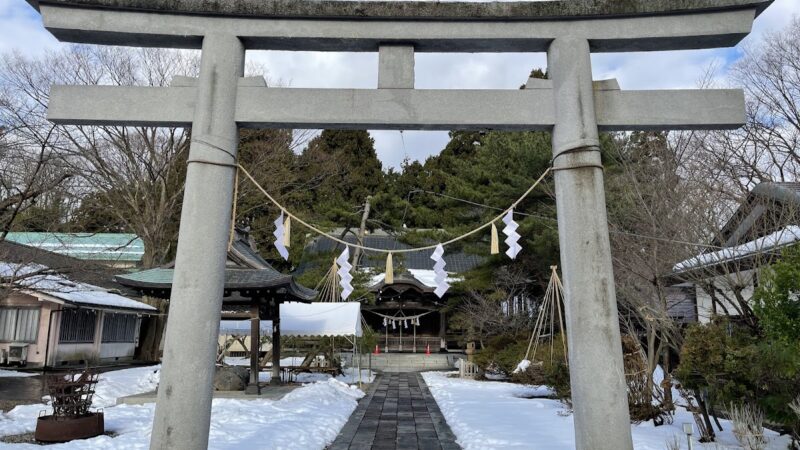
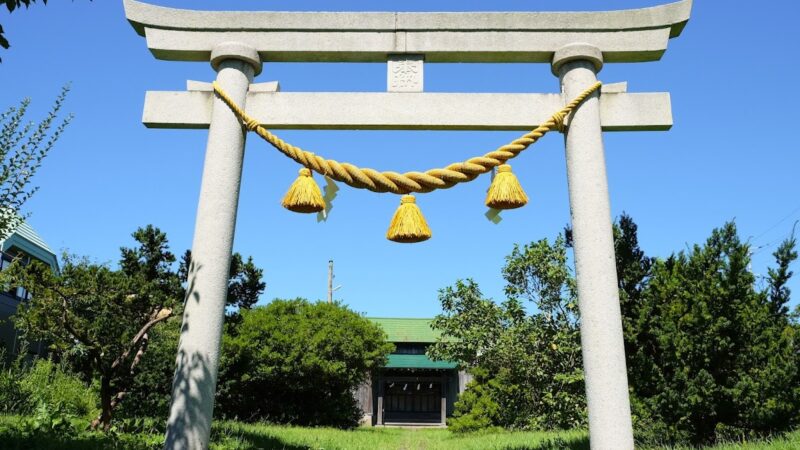
- Bow before passing through the torii gate.
- Purify your hands and mouth at the water basin.
- Bow twice, clap twice, and bow once in front of the main hall.
- Walk quietly within the shrine grounds.
Attire for Visiting a Shrine
Casual clothing is acceptable, but if you are receiving prayers, somewhat formal attire is preferable.
Photography
Photography is generally permitted within the shrine grounds, but please refrain from taking pictures during prayers or Shinto rituals. Also, remember to be considerate of other worshippers.
Recommended Time to Visit
- Spring (Late April to Early May): The cherry blossom season, when Senshu Park is at its most beautiful.
- Autumn (October to November): Beautiful autumn foliage and pleasant weather.
- New Year’s Visit (January 1st to 3rd): Ideal for New Year’s prayers.
- Before Exam Season (December to January): Many people visit to pray for success in exams.
The Charm of Yataka Shrine
The greatest charm of Yataka Shrine is that it is a historic shrine dedicated to Hirata Atsutane, a great scholar whom Akita is proud of. Shrines that enshrine such a historically important figure as one of the Four Great Scholars of National Learning are rare nationwide, and it enjoys a firm following as the god of learning.
Furthermore, its location in Senshu Park, a symbolic place in Akita City, is also a major attraction. The tranquil environment surrounded by the greenery of the historic park provides a space where one can visit with peace of mind, even in an urban area. The shrine buildings, dating back to the Edo period, possess significant historical value and also serve as a cultural heritage site for Akita Prefecture.
Shrine Culture of Akita Prefecture
Besides Yataka Shrine, Akita Prefecture boasts many other historically significant shrines. These include Taiheizan Miyoshi Shrine, Hiyoshi Hachiman Shrine, and Mayama Shrine, each with its own unique beliefs and history.
Yataka Shrine, while relatively new, having been founded in modern times, has established a unique position due to the importance of its enshrined deity and its clear character as a god of learning.
When visiting Akita Prefecture, a tour of shrines, including Yataka Shrine, will be one of the highlights of your trip.
Summary
Yataka Shrine is a representative shrine of Akita Prefecture, dedicated to the scholar of Japanese classics, Hirata Atsutane, and the statesman, Sato Nobuhiro. This shrine attracts worshippers seeking various blessings, including academic success, passing exams, and business prosperity. Its convenient location in Senshu Park in the heart of Akita City makes it easily accessible for tourists.
With its excellent accessibility (approximately 15 minutes on foot from JR Akita Station), the beautiful natural surroundings of Senshu Park, and the historical value of its Edo-period shrine buildings, Yataka Shrine boasts many attractions. When visiting Akita Prefecture, be sure to pay your respects.
This shrine warmly welcomes all visitors, from students preparing for exams and business owners hoping for success to those interested in Akita’s history and those seeking quiet solace.