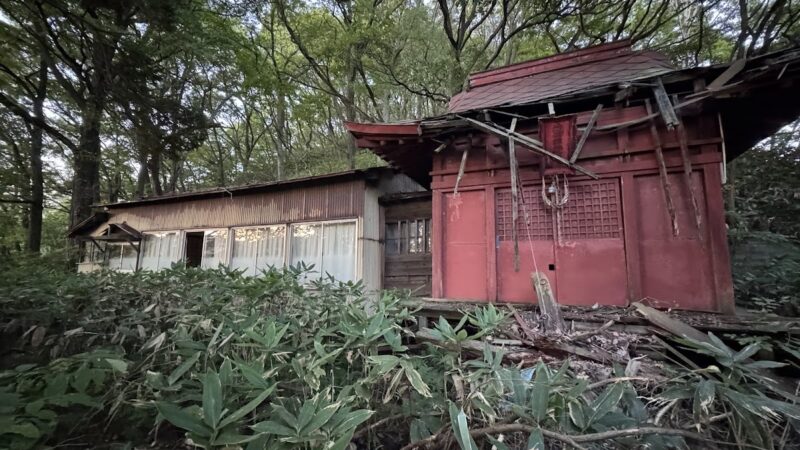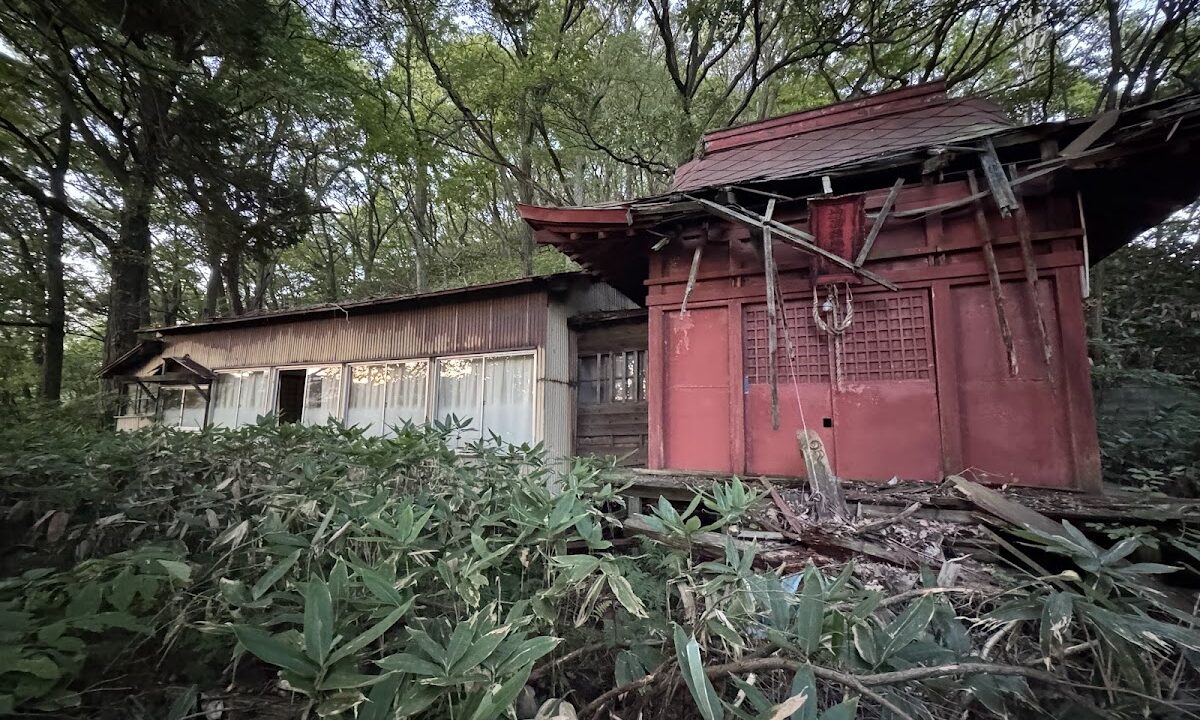
Inari Shrines (Akita Prefecture, Kazuno City & Kosaka Town, Kazuno District) Complete Guide | Location, Access, and Surrounding Information Summary
In Kazuno City and Kosaka Town in Kazuno District, located in northern Akita Prefecture, several Inari shrines are scattered throughout the area. Inari worship is widespread throughout Japan, and the deity has long been revered as a god of business prosperity and abundant harvests. This article provides a detailed explanation of the locations, access methods, and surrounding information for Inari shrines in the Kazuno region of Akita Prefecture.
What are Inari Shrines? | Inari Worship Spreading Nationwide
Inari shrines are one of the most numerous types of shrines in Japan. They consistently rank high in the nationwide ranking of shrines with the same name, with an estimated 30,000 or more shrines throughout the country. The main deity is Ukanomitama-no-kami, widely worshipped as a god of agriculture and commerce.
In Akita Prefecture, numerous shrines exist, ranking highly among prefectures, and Inari shrines hold a significant position in the city/town/village rankings. The Kazuno region has a long history of mining and agriculture, leading to the establishment of Inari shrines to pray for the region’s prosperity.
Basic Information on Inari Shrines
Several Inari shrines exist in Kazuno City and Kosaka Town, Kazuno District, Akita Prefecture. Each shrine has its own unique history and characteristics, and is an object of worship for local residents. Here, we provide detailed basic information on major Inari shrines.
Inari Shrine (Terasaka, Hanawa, Kazuno City)
Location: 88 Terasaka, Hanawa, Kazuno City, Akita Prefecture
Postal Code: 〒018-5201
Regional Characteristics: The Hanawa district is located in the center of Kazuno City and has flourished as a transportation hub since ancient times. This Inari shrine is cherished as a place to pray for the commercial development of the region and the peace and well-being of its residents. The Hanawa district is known for its traditional festival, “Hanawa Bayashi,” one of the three major festivals of the Tohoku region. Held every August, this festival is a religious ceremony for the Kōinari Shrine, featuring magnificent floats parading through the town. The Inari Shrine in the Hanawa district plays an important role within this regional cultural context.
Inari Shrine (Kamiyashiki, Towada Suehiro, Kazuno City)
Location: 29 Kamiyashiki, Towada Suehiro, Kazuno City, Akita Prefecture
Postal Code: 〒018-5337
Regional Characteristics: The Towada district is close to Lake Towada and blessed with a rich natural environment. This Inari Shrine has been worshipped as the guardian deity of the local industry, primarily agriculture.
The Towada district is located on the border of Akita and Aomori prefectures and is known as a gateway to Lake Towada tourism. For local residents, this Inari Shrine is an important place to pray for a bountiful harvest and family safety.
Inari Shrine (Hachimantai, Kazuno City, Akita Prefecture)
Location: 58 Hachimantai, Kazuno City, Akita Prefecture
Postal Code: 〒018-5141
Regional Characteristics: The Hachimantai area is located in a plateau region adjacent to Hachimantai National Park. Agriculture thrives here, taking advantage of the cool climate, and this Inari Shrine is revered as the guardian deity of local agriculture.
Inari Shrine (Otarube, Kosaka Mine, Kosaka Town, Kazuno District, Akita Prefecture)
Location: 57 Otarube, Kosaka Mine, Kosaka Town, Kazuno District, Akita Prefecture
Postal Code: 〒017-0202
Regional Characteristics: Kosaka Town is a mining town that prospered from the Meiji era to the Showa era due to the Kosaka Mine. This Inari Shrine is believed to have been built to pray for the safety and prosperity of the mine.
The Kosaka Mine was once known as one of Japan’s leading producers of copper, silver, and gold, and was called “the greatest mine in the Orient.” Mine workers and their families visited the Inari Shrine to pray for safety during dangerous underground work and for the mine’s prosperity. Even today, it remains in the region as an important cultural asset that tells the history of the mine.
Map of the area around the Inari Shrine
The Inari Shrines in Kazuno City and Kosaka Town, Kazuno District, are scattered in different areas. Using a map app or car navigation system is convenient for accessing each shrine.
Access to the Hanawa area
The Hanawa area is located in the center of Kazuno City, and the nearest station is Kazuno-Hanawa Station on the JR Hanawa Line. The city center is within walking distance of the station, making the Inari Shrine relatively easy to access.
Main Access Methods:
- Approximately 15 minutes on foot from JR Hanawa Line “Kazuno-Hanawa Station”
- Approximately 10 minutes by car from Tohoku Expressway “Kazuno-Hachimantai IC”
- Approximately 2 hours by car from Akita City
Access to Towada-Suehiro Area
The Towada-Suehiro area is located in the northern part of Kazuno City, towards Lake Towada. It is located along National Route 103, making it easily accessible by car.
Main Access Methods:
- Approximately 20 minutes by car from JR Hanawa Line “Kazuno-Hanawa Station”
- Approximately 30 minutes by car from Lake Towada
- National Route 103 is convenient
Access to Hachimantai Area
The Hachimantai area is located in the southwestern part of Kazuno City, towards Hachimantai. It is close to the entrance to the Hachimantai Aspite Line and is located on a tourist route.
Main Access Methods:
- Approximately 25 minutes by car from JR Hanawa Line “Kazuno-Hanawa Station”
- Approximately 20 minutes by car from Tohoku Expressway “Kazuno-Hachimantai IC”
- Close to the entrance of the Hachimantai Aspite Line
Access to the Kosaka Mine Area
Kosaka Town is located north of Kazuno City, and the Kosaka Mine Area is situated a short distance from the town center.
Main Access Methods:
- Approximately 15 minutes by car from JR Hanawa Line “Towada-Minami Station”
- Approximately 10 minutes by car from Tohoku Expressway “Kosaka IC”
- Approximately 5 minutes by car from the center of Kosaka Town
List of Nearby Shrines
In addition to Inari shrines, there are many other shrines in Kazuno City and Kosaka Town, Kazuno District. Visiting local temples and shrines will allow you to gain a deeper understanding of the region’s history and culture.
Major Shrines in Kazuno City
Sakiwai Inari Shrine
- Location: Shinden-cho, Hanawa, Kazuno City, Akita Prefecture
- Features: Known as the guardian shrine of the Hanawa district, it is the central shrine of the “Hanawa Bayashi” festival. The Hanawa Bayashi festival, held annually on August 19th and 20th, is registered as one of the UNESCO Intangible Cultural Heritage “Mountain, Float, and Procession Festivals,” with 10 gorgeously decorated floats parading through the town.
Ohirumemuchi Shrine
- Location: Hachimantai, Kazuno City, Akita Prefecture
- Features: Known for its Dainichido Bugaku dance, this shrine offers Bugaku, a nationally designated Important Intangible Folk Cultural Property, every year on January 2nd.
Karamatsu Shrine
- Location: Towada, Kazuno City, Akita Prefecture
- Features: A shrine revered as the god of safe childbirth and child-rearing. ### Major Shrines in Kosaka Town, Kazuno District
Kosaka Shrine
- Location: Kosaka, Kosaka Town, Kazuno District, Akita Prefecture
- Features: Located in the center of Kosaka Town, it is revered as the guardian deity of the region.
Shrines around Korakukan
- Kosaka Town has the Korakukan, a theater from the Meiji era, and several small shrines are scattered around it. You can enjoy visiting the shrines along with cultural assets that tell the story of its history as a prosperous mining town.
Comparison with Inari Shrines Nationwide
The head shrine of all Inari shrines nationwide is Fushimi Inari Taisha in Kyoto. Many Inari shrines throughout Japan were established by inviting deities from Fushimi Inari Taisha, and the Inari shrines in the Kazuno region of Akita Prefecture are thought to belong to a similar lineage.
Referring to the complete list of Buddhist temples and the complete list of shrines, there are numerous temples and shrines in Akita Prefecture, maintaining a certain density in terms of the number of shrines per capita and per area. The Kazuno region is characterized by its religious practices deeply intertwined with its history of mining and agriculture.
Frequently Asked Questions about Inari Shrines in Kazuno City, Akita Prefecture
Q1: How many Inari shrines are there in Kazuno City?
There are Inari shrines in several areas of Kazuno City, including the Hanawa, Towada Suehiro, and Hachimantai districts. While this article introduces three major Inari shrines, there are many more places of Inari worship if smaller shrines are included.
Q2: What is the relationship between Hanawa Bayashi and Inari shrines?
Hanawa Bayashi is a traditional festival held annually in August as a festival of Kō Inari Shrine. Kō Inari Shrine is the guardian shrine of the Hanawa district and a central figure in the region’s Inari worship. The Inari shrines in the Hanawa district are thought to be deeply connected to this festival culture.
Q3: What is the best time to visit an Inari shrine?
Visiting Inari shrines is possible throughout the year, but the busiest times are during the New Year’s visit (January), the spring festival (April-May), and the autumn harvest festival (October-November). August, when the Hanawa Bayashi festival is held, is also an ideal time for shrine visits, as the entire area is enveloped in a festive atmosphere.
Q4: Does the Inari Shrine at Kosaka Mine retain any history of the mine?
Located in Otarube, Kosaka Mine, the Inari Shrine was a place of worship for mine workers and their families during the mine’s prosperous period. Even today, it remains an important cultural heritage site that conveys the history of the mine, preserving the memory of the region. Kosaka town has many Meiji-era buildings, such as the Korakukan theater and the Kosaka Mine office, and visiting them along with the Inari Shrine will allow you to gain a deeper understanding of the mining town’s history.
Q5: Is it accessible by car? Is there parking?
All Inari shrines are accessible by car. However, depending on the size of the shrine, there may not be a dedicated parking lot. In the central Hanawa district, it is recommended to use public parking lots or follow street parking rules when visiting shrines. Shrines in the Towada Suehiro, Hachimantai, and Kosaka Mine districts are located relatively far out, so parking spaces are often available around the shrines.
Using a Smartphone
Smartphones are extremely convenient tools for modern shrine visits. They can be used for various purposes, such as map apps, navigation functions, and shrine information searches.
Using Map Apps
By entering the address of each Inari shrine into map apps such as Google Maps or Yahoo! Maps, you can check the route and travel time from your current location.
Example Addresses to Enter:
- “88 Terasaka, Hanawa, Kazuno City, Akita Prefecture”
- “29 Kamiyashiki, Towada Suehiro, Kazuno City, Akita Prefecture”
- “57 Otarube, Kosaka Mine, Kosaka Town, Kazuno District, Akita Prefecture”
Using QR Codes
By scanning QR codes placed on shrine information pages or at tourist information centers with your smartphone, you can access detailed information. Websites such as Shrine Search often provide QR codes on each shrine’s page, allowing you to easily check information on-site using your smartphone.
Using Full-Text Search
Using the full-text search function on shrine information websites, you can quickly find information about your desired shrine using keywords such as “Inari Shrine Kazuno City” or “Inari Shrine Kosaka Town.” You can also access a nationwide database of temples and shrines from the top page and narrow your search by prefecture or city/town/village.
Preparing Offline Maps
In the mountainous areas of the Kazuno region, there are places where mobile phone signals are weak. Downloading offline maps to a map app beforehand allows you to check maps even in areas without a signal, providing peace of mind.
Inari Faith and Local Culture in the Kazuno Region
Inari faith in the Kazuno region is closely linked to the region’s industrial development. Inari shrines have been built in agricultural areas to pray for abundant harvests, and in mining areas to pray for the safety and prosperity of the mines.
Agriculture and Inari Faith
Agriculture, centered on rice cultivation, has been practiced in the Kazuno region since ancient times. Known as a producer of high-quality rice utilizing its cool climate, farmers have visited Inari shrines to pray for abundant harvests and bountiful crops. The custom of visiting shrines with gratitude before rice planting in spring and after the autumn harvest still remains today.
Mines and Inari Faith
The Kosaka Mine flourished as the “largest mine in the Orient” from the Meiji era to the Showa era. In the dangerous mining work, workers visited Inari shrines to pray for safety. Since Inari is also the god of business prosperity, mine operators also revered Inari shrines to pray for the prosperity of their mines.
Festivals and Local Communities
As exemplified by the Hanawa Bayashi festival, festivals in the Kazuno region play an important role in strengthening the bonds of the local community. The Inari Shrine festival also provides an opportunity for local residents to gather and deepen their interactions. Even today, these traditional events are carefully preserved as the core of the region’s identity.
Nearby Tourist Attractions
Besides Inari Shrines, Kazuno City and Kosaka Town in Kazuno District have many other tourist attractions. Visiting them in conjunction with shrine visits will allow you to enjoy a more fulfilling trip.
Lake Towada
Located in the northern part of Kazuno City, Lake Towada is a beautiful caldera lake straddling Akita and Aomori Prefectures. You can enjoy spectacular scenery throughout the seasons: the fresh greenery of spring, the cool retreat of summer, the vibrant autumn foliage, and the snowy landscapes of winter. When visiting the Inari Shrine in the Towada Suehiro area, be sure to extend your trip to Lake Towada.
Hachimantai
Hachimantai is a plateau area spanning Akita and Iwate prefectures and is designated as Hachimantai National Park. It offers a wealth of outdoor activities, including snow corridors in spring, alpine plants in early summer, autumn foliage, and skiing in winter. When visiting the Inari Shrine in the Hachimantai area, be sure to enjoy the natural beauty of Hachimantai.
Korakukan (Kosaka Town)
Korakukan is one of Japan’s oldest wooden theaters, built in 1910 (Meiji 43), and is designated as a National Important Cultural Property. It is still used as an active theater, with regular performances. It is a valuable cultural asset that tells the story of the prosperity of the Kosaka Mine.
Kosaka Mine Office (Kosaka Town)
This Western-style building, built in 1905 (Meiji 38), is designated as a National Important Cultural Property. This beautiful building, based on the Renaissance style, houses a museum open to the public. You can learn about the history of the Kosaka Mine.
Oyu Stone Circles
Located in the Oyu district of Towada, Kazuno City, this is a late Jomon period archaeological site designated as a National Special Historic Site. It is registered as a World Heritage Site as part of the “Jomon Archaeological Sites of Hokkaido and Northern Tohoku,” offering insights into the mysteries of Jomon culture.
Manners and Etiquette for Worship
When visiting an Inari shrine, please observe basic shrine worship manners.
How to Pass Through a Torii Gate
The torii gate is the entrance to the sacred area. Bow before passing through the gate, and walk along the side of the path, as the center is considered the path of the gods.
How to Purify Yourself at the Water Basin
- Hold the ladle in your right hand and purify your left hand.
- Switch the ladle to your left hand and purify your right hand.
- Hold the ladle in your right hand again, receive water in your left hand, and rinse your mouth.
- Purify your left hand once more.
- Hold the ladle upright, let water flow over the handle, and return it to its original place.
How to Worship at the Main Hall
- Place your offering in the offering box.
- If there is a bell, ring it.
- Bow twice, clap twice, and bow once (bow deeply twice, clap twice, and finally bow deeply once).
Summary: Visit the Inari Shrines of the Kazuno Region
The Inari Shrines of Kazuno City and Kosaka Town in Kazuno District, Akita Prefecture, are valuable places of worship that reflect the history and culture of each region. They have been cherished by people throughout their long history as guardians of agriculture, places to pray for safety in mines, and centers of local communities. In the Hanawa district, you can experience the vibrant festival culture of Hanawa Bayashi at the Inari Shrine. In the Towada Suehiro district, you can feel the Inari faith amidst the beautiful nature of Lake Towada. In the Hachimantai district, you can enjoy worship in the refreshing air of the highlands. And in the Kosaka Mine district, you can visit the Inari Shrine while feeling the remnants of its history as a prosperous mining town.
You can obtain even more detailed information by utilizing databases such as nationwide shrine lists and shrine searches. You can also easily access information on-site using smartphone map apps and QR code functions.
When visiting the Kazuno region, be sure to visit the local Inari Shrines. You will be able to feel the history and culture of the region, as well as the forms of faith of the people, firsthand. Visiting them in conjunction with nearby tourist spots will surely make for a more fulfilling travel experience.