Complete Guide to Nanataki Shrine | Dragon God Legend, Benefits, and Access Information in Kosaka-machi, Kazuno-gun, Akita Prefecture
Nanataki Shrine, located in Kosaka-machi, Kazuno-gun, Akita Prefecture, is a mystical shrine built at the foot of the famous Nanataki waterfall, which is also selected as one of Japan’s Top 100 Waterfalls. As a sacred place where the legend of the dragon god lives on, it has been revered by local people since ancient times, and is now known as a power spot that attracts many visitors from within and outside the prefecture. This article comprehensively introduces information you should know before visiting Nanataki Shrine, including its history, benefits, highlights, and access methods.
What is Nanataki Shrine? Basic Information and Overview
Nanataki Shrine is located in Kamimukai, Kosaka-machi, Kazuno-gun, Akita Prefecture, and is a shrine that enshrines the Nanataki waterfall, approximately 60 meters high, as its sacred object. Located along the Jukai Line (Akita Prefectural Road No. 2, Odate-Towada Lake Line), which connects Lake Towada and the center of Kosaka Town, the shrine is situated very close to the Kosaka Nanataki Roadside Station.
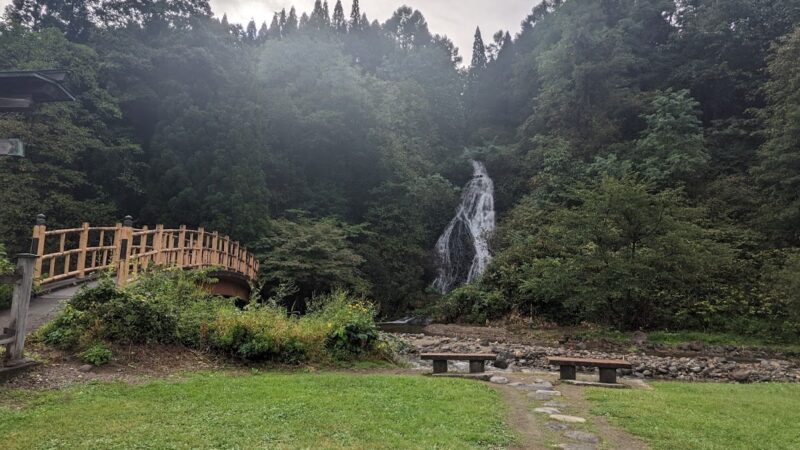
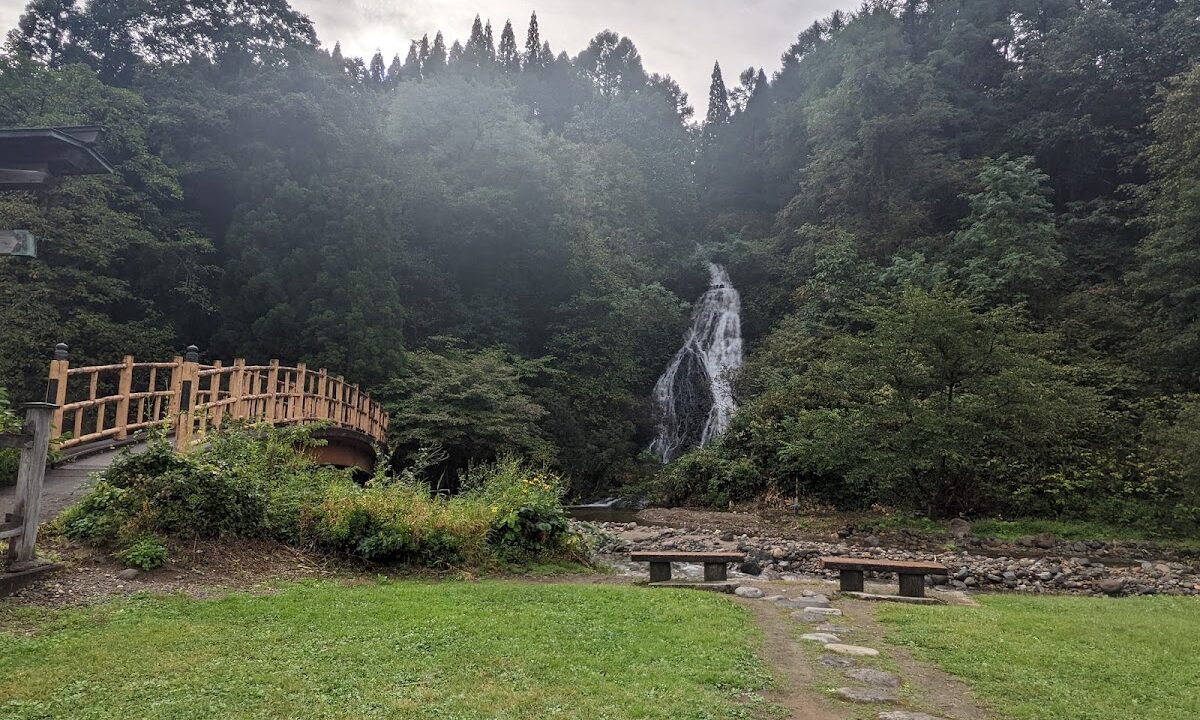
Nanataki (Seven Waterfalls) is a waterfall on the Arakawa River, which originates near the outer rim of Lake Towada. As its name suggests, it is characterized by its seven-tiered cascade. A vermilion torii gate and a curved bridge span the base of the waterfall, creating a picturesque scene along with a watermill.
Although the shrine grounds are small, the sacred atmosphere created by the roar of the waterfall and the clear flow of water deeply impresses visitors. It is especially beautiful during the seasons of fresh greenery and autumn leaves, when combined with the surrounding nature.
Location and Basic Data
- Location: 5 Kamimukai Takinoshita, Kosaka-machi, Kazuno-gun, Akita Prefecture 017-0203
- Main Deity: Oyamatsumi-no-Mikoto
- Founding: Details unknown (Has a long history of worship in the region)
- Annual Festival: Mid-July every year
- Visiting Hours: Open 24 hours (Caution: Watch your step at night)
- Admission Fee: Free
Deity and History
About the Main Deity, Oyamatsumi-no-Mikoto
The main deity of Nanataki Shrine is Oyamatsumi-no-Mikoto. Oyamatsumi-no-Mikoto is known as the god of mountains and the sea in Japanese mythology, and is a historically significant deity mentioned in the Kojiki and Nihon Shoki.
Oyamatsumi-no-Mikoto is considered a descendant of Susanoo-no-Mikoto, the brother of Amaterasu-Omikami, and has been worshipped as the god who governs mountains and forests, as well as the god of safe voyages. He is a particularly important deity for those involved in agriculture and forestry, and is enshrined throughout Japan as the guardian deity of abundant harvests and industrial prosperity.
At Nanataki Shrine, Oyamatsumi-no-Mikoto is enshrined as the guardian deity of mountains and waterfalls, and prayers for the peace and prosperity of the region have been offered. Given its location in the mountainous town of Kosaka, the enshrinement of Oyamatsumi-no-Mikoto, the god of mountains, seems like a natural progression.
Connection to Dragon God Worship
Another important pillar of worship at Nanataki Shrine is dragon god worship. Because the seven-tiered waterfall resembles a dragon descending from heaven to earth, it has long been revered as a sacred place where dragon gods reside.
The shrine’s sacred object is said to be a coiled iron snake, which is worshipped as an incarnation of the Dragon God. The Dragon God, who controls water, has long been revered by local people as a benevolent force that brings essential rain for agriculture and as a god of fortune that brings business prosperity.
The water in the waterfall basin is considered pure and miraculous, and there is a legend that bathing in this water can cure illnesses. In particular, the tradition of a person with mobility issues being cured after spending two nights at the shrine and bathing in the waterfall’s water is passed down as a testament to the Dragon God’s spiritual power.
Benefits and Divine Virtues
Nanataki Shrine, which enshrines both Oyamatsumi-no-Mikoto and the Dragon God, is believed to offer a variety of benefits.
Main Benefits
- Abundant Harvest: Through the divine power of Oyamatsumi-no-Mikoto, the god of the mountains, you can pray for a bountiful harvest.
- Business Prosperity: As the dragon god is considered a god who brings good fortune, it is believed to bring benefits for business success and prosperity.
- Safety of Livestock: It protects the health and safety of livestock essential for farming and transportation.
- Exorcism of All Illnesses: The pure water of the waterfall and the spiritual power of the dragon god are believed to bring benefits for healing illnesses.
- Healthy Legs and Lower Back: As legend says, it is believed to have miraculous powers, especially for restoring health to the legs and lower back.
- Protection from Evil and Good Fortune: The power of the dragon god is expected to ward off evil and improve luck.
- Matchmaking: It is believed to bring benefits for forming good relationships, like the flow of water.
Reasons for Particular Reverence
The reason why Nanataki Shrine attracts particular devotion is that nature itself is considered the sacred object of worship. Beyond the artificially constructed shrine buildings, the overwhelming natural power of the waterfall makes the presence of the gods feel even closer.
Water is the source of life and a symbol of purity. The water of Nanataki Falls flows from the outer rim of Lake Towada, and it has been believed that touching this water purifies the mind and body. Even in modern times, people who want to escape the hustle and bustle of the city and feel the power of nature visit this shrine.
Highlights of Nanataki Shrine
Vermilion Torii Gate and Curved Bridge
The vermilion torii gate, which marks the entrance to Nanataki Shrine, signifies the beginning of the path leading from the Jukai Line to the waterfall. Passing through the torii gate, a curved bridge leads to the waterfall basin, offering a panoramic view of the falls.
The bridge was designed to harmonize with the waterfall, and its gentle curve, rather than a straight line, blends seamlessly into the natural landscape. From the bridge, you can see the powerful sight of the seven-tiered waterfall up close, making it a popular photo spot.
The Power of the Sacred Seven Waterfalls
The greatest highlight of Nanataki Shrine is undoubtedly the sacred Seven Waterfalls themselves. This waterfall, cascading down in seven stages from a height of approximately 60 meters, is a magnificent waterfall selected as one of “Japan’s Top 100 Waterfalls.”
The way the water flows changes with each stage, crashing against the rocks and creating white spray, is truly reminiscent of a dragon descending from the heavens. The water volume changes with the seasons, and it presents a particularly powerful spectacle during the spring snowmelt and the rainy season.
The roar of the waterfall resonates throughout the area, and the refreshing spray, rich in negative ions, allows visitors to feel the grandeur of nature. The ability to approach the base of the waterfall and experience its power up close is another appealing aspect.
A Charming Watermill
Right next to the waterfall is a traditional watermill. This watermill features a waterwheel powered by the waterfall’s flow, creating a charming landscape that evokes a sense of Japan’s original scenery. The watermill is a replica for tourism purposes, but it is a valuable historical site that conveys the appearance of a watermill that was actually used in this region in the past. The sight of the watermill slowly turning is a healing scene that makes you forget the passage of time.
Shrine and Grounds
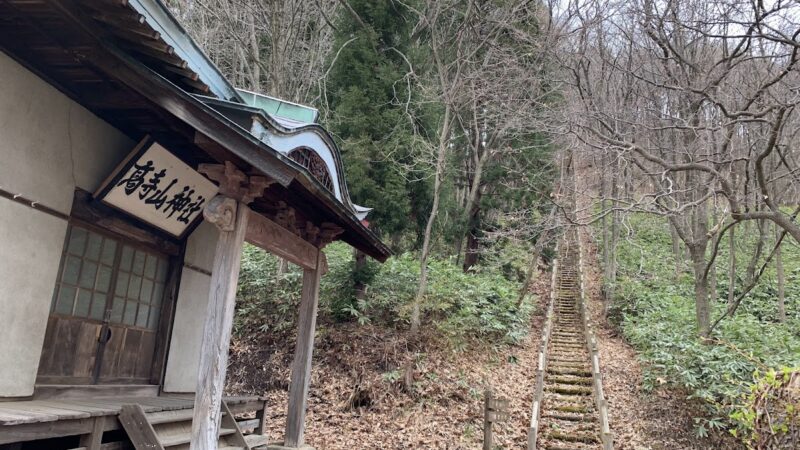
The shrine of Nanataki Shrine is modestly built at the foot of the waterfall. Although small in scale, the carefully maintained grounds are clean and filled with a sacred atmosphere.
A donation box is placed in front of the shrine, and worshippers can quietly offer their prayers while listening to the sound of the waterfall. Within the grounds, you can see decorations depicting dragon gods and a water basin with a water outlet shaped like a dragon, showing elements of dragon god worship throughout.
Legends of the Dragon God at Nanataki Shrine
Several legends about the dragon god have been passed down through generations at Nanataki Shrine.
Legend of the Waterfall’s Great Serpent
There is a legend that a great serpent once lived in Nanataki. This giant snake was considered an incarnation of the Dragon God, bringing blessings to the local people, but also sometimes being a source of fear.
According to legend, a wealthy landowner named Sonzaemon, suffering from a leg ailment, received a message from the Dragon God in a dream. Following the message, he prayed at Nanataki Falls for two nights and bathed in the waterfall’s water, and his illness was instantly cured.
Following this miracle, Sonzaemon built a small shrine at the foot of the waterfall and enshrined the Dragon God. This is considered one of the origins of Nanataki Shrine. Since then, it is said that people suffering from leg ailments and other diseases have come to worship not only from nearby areas but also from neighboring prefectures.
The Sacred Iron Snake
The sacred object of Nanataki Shrine is said to be a coiled iron snake. This iron snake is a symbol of the Dragon God residing in the waterfall and has been considered the source of the shrine’s spiritual power.
There are various theories as to why iron was chosen as the material, but since iron has been considered to have the power to ward off evil since ancient times and is also a symbol of permanence, it is believed that the iron snake was offered as a prayer for the eternal protection of the dragon god.
Strange Experiences
Many people who have visited Nanataki Shrine have reported having strange experiences. Some have said that the weather suddenly changed while they were praying in front of the waterfall, or that they saw the figure of a dragon in the spray of the waterfall.
Furthermore, there are many stories of unexpected good fortune occurring after visiting the shrine. These stories have spread by word of mouth, and Nanataki Shrine has attracted attention among people interested in spirituality as a “shrine where you can feel a mysterious power.”
Access Information
Access by Car
The most convenient way to access Nanataki Shrine is by car.
From the Tohoku Expressway
- Approximately 15 minutes from Kosaka Interchange
- Approximately 20 minutes from Towada Interchange
From Major Cities
- From Akita City: Approximately 2 hours (via National Routes 7 and 103)
- From Aomori City: Approximately 2 hours 30 minutes (via National Route 103)
- From Morioka City: Approximately 2 hours (via National Routes 282 and 103)
If you head towards Lake Towada on the Jukai Line (Akita Prefectural Road No. 2, Odate-Towada Lake Line), you will see a sign for the Kosaka Nanataki Roadside Station. You can use the roadside station’s parking lot, so there’s no need to worry about parking.
Parking Information
Kosaka Nanataki Roadside Station Parking
- Capacity: Approximately 50 regular cars, approximately 10 large vehicles
- Fee: Free
- Hours: 24 hours a day
- Facilities: Restrooms, vending machines available
The parking lot is very close to Nanataki Shrine, about a 2-minute walk away, making access excellent. The roadside station also has excellent facilities, allowing you to enjoy a break or a meal in conjunction with your visit to the shrine.
Access by Public Transportation
While public transportation access is limited, the following options are available.
Using the JR Hanawa Line
- Get off at JR Towada-Minami Station
- Approximately 20 minutes by taxi from the station (approx. 15km)
- Taxi fare: Approximately 3,000-4,000 yen
Local Bus
- Buses run from the center of Kosaka Town towards Lake Towada (infrequent service, so prior confirmation is essential)
- Get off at the “Nanataki” bus stop.
Public transportation is limited, so it is highly recommended to check the timetable before visiting. Especially during winter, some routes may be suspended, so caution is advised.
Points to Note When Visiting
Regarding Winter Visits
During winter (late November to early April), there is snowfall and the roads may freeze. Studless tires are essential. Also, the walking paths around the waterfalls can be slippery, so please wear warm clothing and shoes with good traction.
In winter, Nanataki becomes an icefall, presenting a completely different and fantastical sight compared to summer. However, temperatures will be very low, so adequate cold weather gear is necessary.
Clothing and Items to Bring
- Comfortable walking shoes (you may get wet from the spray around the waterfall)
- Rain gear (weather can change quickly in this area)
- Camera (waterproof is recommended)
- Insect repellent (summer)
Collaboration with Michi-no-Eki Kosaka Nanataki
Directly across from Nanataki Shrine is Michi-no-Eki Kosaka Nanataki, which you can visit in conjunction with your shrine visit.
Facility Overview
Michi-no-Eki Kosaka Nanataki is a complex facility comprising multiple buildings.
Takino-Chaya “Sonzaemon”
This facility features a restaurant and shop where you can enjoy local Kosaka town specialties.
- Momobuta Pork Dishes: Dishes using “Momobuta,” a brand of pork from Kosaka Town, are popular.
- Katsu Ramen: A local ramen dish beloved by the community.
- Wild Grape Soft Serve Ice Cream: Soft serve ice cream made with wild grapes, a specialty of Kosaka Town.
Gift Shop
A wide variety of local specialties and souvenirs are available.
- Wild grape products (juice, jam, wine, etc.)
- Agricultural products from Kosaka Town
- Local crafts
- Souvenirs related to Nanataki Falls
Opening Hours
- 9:00 AM – 5:00 PM (may vary depending on the season)
- Closed during the New Year holidays
Recommended Activities
- Park at the roadside station and first visit Nanataki Shrine.
- Take photos while admiring the waterfall.
- Return to the roadside station for a meal or shopping.
- Relax in the rest area.
This course will allow you to enjoy a fulfilling 2-3 hours.
Nearby Tourist Attractions
When visiting Nanataki Shrine, we recommend also visiting the nearby tourist attractions.
Lake Towada
Lake Towada, located about 30 minutes by car from Nanataki Shrine, is a caldera lake within a national park spanning Akita and Aomori prefectures. The scenery, with its crystal-clear waters and surrounding mountains, is breathtaking, offering beauty in every season.
Kosaka Mine Office
Located in the center of Kosaka town, the Kosaka Mine Office is a Western-style building constructed in 1905 (Meiji 38) and designated as a National Important Cultural Property. It is a valuable structure that tells the story of the prosperity of the Kosaka Mine, once hailed as the largest in the Orient.
Korakukan Theater
Near the Kosaka Mine Office, the Korakukan Theater, built in 1910 (Meiji 43), is the oldest active theater in Japan. Performances are still held there, allowing visitors to enjoy plays in a retro atmosphere.
Jukai Line
The Jukai Line (Akita Prefectural Road No. 2), where Nanataki Shrine is located, is itself a popular and beautiful driving route. This road runs through the forested area of the outer rim of Lake Towada, offering particularly beautiful scenery during the seasons of fresh greenery and autumn leaves.
Manners and Points for Visiting the Shrine
Basic Worship Etiquette
- Bow before the Torii Gate: The torii gate is the entrance to the sacred area. Bow before passing through the gate.
- Walk along the edge of the path: The center of the path is considered the path of the gods.
- Purify yourself at the water basin: Purify your hands and mouth before praying (Nanataki Shrine has a simple water basin).
- Two bows, two claps, one bow: Place your offering in the offering box, bow twice, clap twice, and finally bow once.
- Bow at the torii gate on your way out: Bow once again as you leave the sacred grounds, expressing your gratitude.
Regarding photography
Nanataki Shrine and the waterfall are popular photo spots, but please note the following:
- Please refrain from taking photos inside the shrine.
- Please be considerate of other visitors.
- If using a tripod, choose a location that does not obstruct passage.
- Be careful of slippery footing near the waterfall basin.
Recommended Time to Visit
Spring (April-June)
- The water volume increases with snowmelt, making the waterfall most impressive.
- The fresh greenery is beautiful, creating a refreshing atmosphere.
Summer (July-August)
- Many people visit seeking coolness.
- A healing spot full of negative ions.
- The annual festival is held (mid-July).
Autumn (September-November)
- Popular as a spot for viewing autumn leaves.
- The contrast between the waterfall and autumn leaves is spectacular.
- Best time to visit is mid-to-late October.
Winter (December-March)
- The waterfall becomes an icefall, presenting a fantastical sight.
- Fewer visitors allow for a peaceful visit.
- Warm clothing and safety precautions for footing are essential.
Reviews and Reputation of Nanataki Shrine
Visitor Feedback
“A Shrine Where You Can Feel the Power of Nature”
Many visitors cite “the power of nature” as the greatest attraction of Nanataki Shrine. The roar of the waterfall, the spray, and the sacred atmosphere created by the surrounding forest are experiences you can never have in the city.
Many visitors commented, “Standing in front of the waterfall, my everyday worries seemed small,” and “I felt like my heart was cleansed.”
“Easy Access and Convenient to Visit”
Because it is adjacent to a roadside station, many visitors say it is “easy to drop by.” It is also highly rated as a shrine that is relatively easy to visit for people with mobility issues and the elderly, as it is close to the parking lot.
“A Photogenic Spot”
Visitors of the SNS generation have praised it as “Instagrammable” and “a great place to take beautiful photos.” Photos taken during the autumn foliage season and in early spring when the water volume is high are particularly popular.
Points to Note
On the other hand, the following points have also been pointed out.
- You may get wet from the spray around the waterfall.
- Be careful of icy roads in winter.
- There are times when there are many insects (especially in summer).
- There are areas with weak cell phone reception.
Knowing these points in advance will allow you to enjoy your visit more comfortably.
Summary: Nanataki Shrine is a representative power spot of Akita Prefecture.
Nanataki Shrine in Kosaka-machi, Kazuno-gun, Akita Prefecture, is a special shrine where nature and faith are intertwined, with a famous waterfall selected as one of Japan’s Top 100 Waterfalls as its sacred object. It enshrines Oyamatsumi-no-Mikoto and the Dragon God, and is believed to offer various blessings such as abundant harvests, business prosperity, and protection from illness.
The ancient legend of the Dragon God, the powerful waterfall cascading down in seven stages, the charming watermill, and the vermilion torii gate—all of these harmonize to deeply impress visitors.
Located next to the Kosaka Nanataki Roadside Station, it is easily accessible, and you can enjoy local cuisine and specialty products along with your visit. Visiting Nanataki Shrine in conjunction with nearby tourist attractions such as Lake Towada and the historical buildings of Kosaka Town will make for a more fulfilling trip.
Nanataki Shrine displays different expressions in each of the four seasons. The abundant waterfalls in spring, the cool greenery of summer, the vibrant autumn foliage, and the frozen waterfalls in winter—no matter when you visit, you can feel the grandeur and mystery of nature.
When you visit Akita Prefecture, be sure to stop by Nanataki Shrine. The power of the dragon god and the pure energy of the waterfalls will purify your mind and body and give you renewed vitality. The time you spend quietly praying amidst nature, away from the hustle and bustle of everyday life, will surely be an invaluable experience.