Takaderayama Shrine (Kosaka-machi, Kazuno-gun, Akita Prefecture) | Complete Guide to History, Deities, and Access
Takaderayama Shrine is a Shinto shrine located in Kamimukai, Kosaka-machi, Kazuno-gun, Akita Prefecture. Situated in the mountainous area of Kosaka-machi, which is the western gateway to Lake Towada, it is known as a historical shrine that has attracted the faith of the local people. This article comprehensively introduces information useful for visiting Takaderayama Shrine, including its history, enshrined deities, the appearance of the shrine grounds, and access methods.
Basic Information on Takaderayama Shrine
Takaderayama Shrine is located in Kosaka-machi, Kazuno-gun, in the northeastern part of Akita Prefecture, near the border with Aomori Prefecture. Kosaka-machi is a naturally rich area surrounded by hills and deep mountains formed by Towada volcanic ash, with forests and wilderness covering approximately 80% of its total area.
Location and Address
Address: 42 Takadera, Uwamuki, Kosaka-machi, Kazuno-gun, Akita Prefecture 017-0201
Takadera-yama Shrine is located in the Uwamuki district of Kosaka-machi, surrounded by a rich natural environment. This area is known as a gateway to Lake Towada and for its history as a thriving area with the Kosaka Mine from the Meiji to Showa periods.
Map and Access Overview
You can find the exact location by searching “Takadera-yama Shrine, Kosaka-machi, Kazuno-gun, Akita Prefecture” on Google Maps. It is located a few minutes’ drive from the center of Kosaka-machi, surrounded by a quiet mountain environment.
History of Takadera-yama Shrine
Founding and History
While detailed records regarding the founding date of Takadera-yama Shrine are limited, it is believed to have existed as a long-standing place of worship in the region. The Kosaka-machi area was part of the Morioka Domain during the Edo period and was a key transportation hub through which the Tsugaru Highway passed.
Changes in the Meiji Era
With the arrival of the Meiji era, shrines throughout Japan were reorganized due to the influence of the Shinto-Buddhist Separation Order. It is presumed that Takadera-yama Shrine also took on its current form as a shrine during this period. From the Meiji era to the early Showa era, the region underwent significant development due to the discovery and development of the Kosaka Mine, and the shrine played an important role as a spiritual center for the local residents.
From the Showa Era to the Present
Throughout the Showa era, Takadera-yama Shrine continued to attract worshippers as the guardian deity of the region. Even after the closure of the Kosaka Mine, it remains a central presence in the local community, serving as a place to deepen the bonds among residents through festivals and annual events.
Deities and Divine Virtues
Deities
Details regarding the deities enshrined at Takadera-yama Shrine are recorded in the records of the Akita Prefectural Shrine Association. It has attracted the faith of people praying for a guardian deity of the region, as well as for abundant harvests and family safety.
Divine Virtues and Blessings
Takadera-yama Shrine is believed to offer the following divine virtues:
- Family Safety: Protection of family health and peace
- Abundant Harvest: Prayers for a bountiful harvest
- Regional Peace and Security: Peace and prosperity for the entire region
- Traffic Safety: Watching over safe journeys
Located in a mountainous area, the shrine embodies the wishes of the local people to coexist with the blessings of nature.
Shrine Grounds and Highlights
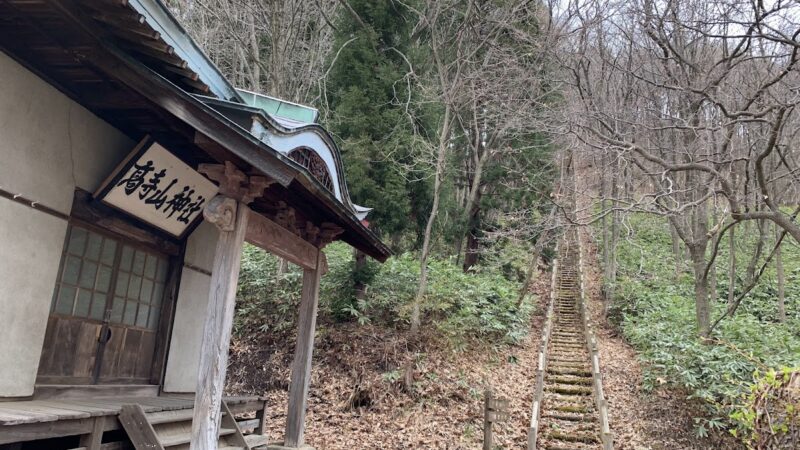
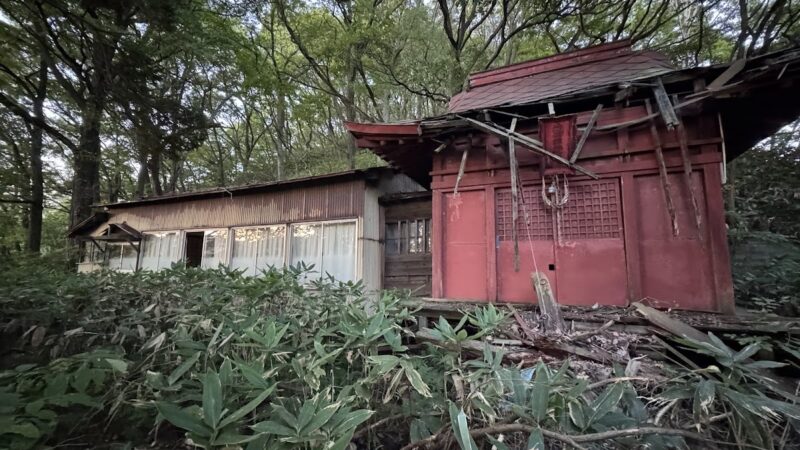
Shrine Buildings and Grounds Environment
The grounds of Takadera-yama Shrine are surrounded by a rich natural environment. In this tranquil space surrounded by trees, you can feel the changing seasons.
Spring: The fresh greenery is beautiful, and the shrine grounds are enveloped in an atmosphere full of vitality.
Summer: Surrounded by deep greenery, the cool air creates a pleasant environment for worship.
Autumn: The autumn leaves color the shrine grounds, and a beautiful landscape unique to the mountainous region of Akita unfolds.
Winter: In the silence of the snow-covered grounds, a solemn atmosphere prevails.
Points to Note When Visiting Takadera-yama Shrine
When visiting Takadera-yama Shrine, please keep the following points in mind:
- Attire: As it is located in a mountainous area, please dress appropriately for the season.
- Time of Day: Visiting during the daytime when it is bright is recommended.
- Manners: Maintain a quiet environment and worship with a reverent heart.
- Photography: Photography is often permitted on the shrine grounds, but please remember to be considerate of other worshippers.
Annual Events and Festivals
Main Festivals
Takadera-yama Shrine holds various festivals throughout the year. This important event, which preserves local traditions and strengthens the bonds among residents, has been passed down to this day.
Annual Festival
The annual festival is the most important festival for the shrine, where the enshrined deity is worshipped and prayers are offered for the peace and prosperity of the community. Local residents gather, and traditional Shinto rituals are solemnly performed.
Seasonal Events
- New Year’s Visit: The shrine is bustling with worshippers praying for happiness in the new year.
- Setsubun Festival: A ceremony to ward off evil and invite good fortune.
- Summer Purification Ceremony: A ceremony to purify oneself of the impurities accumulated over the past six months and pray for safety in the remaining half of the year.
- Autumn Annual Festival: An important festival to express gratitude for the harvest.
Access and Transportation Information
Access by Car
Access to Takaderayama Shrine is convenient by car.
From the Tohoku Expressway:
- Approximately 15 minutes from Kosaka IC
- Approximately 20 minutes from Towada IC
From Major Cities:
- From Akita City: Approximately 2 hours 30 minutes
- From Aomori City: Approximately 2 hours
- From Morioka City: Approximately 1 hour 30 minutes
Access by Public Transportation
By JR Train:
- The nearest stations are JR Hanawa Line’s “Towada-Minami Station” or “Odate Station”
- We recommend taking a taxi or rental car from the station.
By Bus:
- There are local bus routes operating within Kosaka Town, but the number of buses is limited, so it is necessary to check the timetable in advance.
Parking Information
There is parking space for visitors around the shrine. However, it may get crowded during festivals, so we recommend visiting with plenty of time to spare.
Spots to Visit Alongside Sightseeing in Kosaka Town
Lake Towada
Kosaka Town, where Takadera-yama Shrine is located, is situated at the western gateway to Lake Towada. Visiting Lake Towada before or after your visit to the shrine allows you to enjoy the spectacular scenery of the beautiful caldera lake spanning Akita and Aomori prefectures. The view from Hakko Pass is particularly magnificent, and it’s about a 20-minute drive away.
Kosaka Mine Related Facilities
Kosaka Town has a history of prosperity since the early 19th century, thanks to the discovery of the Kosaka Mine and the mining of gold, silver, copper, and zinc. Facilities that tell the story of that era still remain today, attracting attention as industrial heritage.
Kosaka Mine Office: A beautiful Western-style building from the Meiji era, designated as a National Important Cultural Property.
Korakukan: The oldest active theater built during the Meiji era.
Nature of Kosaka Town
Kosaka Town is a naturally rich area, with approximately 80% of its total area covered by forests and wilderness. Including a portion of the Towada-Hachimantai National Park, the area offers an ideal environment for trekking and nature observation.
About Kosaka Town
Regional Characteristics
Kosaka Town is located in the northeastern part of Akita Prefecture, in Kazuno District. It spans 21.1 km east-west and 14.4 km north-south, bordering Kazuno City to the southeast, Odate City to the west, and Aomori Prefecture (Hirakawa City and Towada City) to the north.
History and Culture
During the Edo period, it was a transportation hub as part of the Morioka Domain, through which the Tsugaru Highway passed. After the Meiji Restoration, it flourished as a mining town due to the development of the Kosaka Mine. After the mine closed, it became one of Japan’s leading recycling bases, utilizing its ore refining technology.
Modern Kosaka Town
Present-day Kosaka Town is a member of the “Most Beautiful Villages in Japan” association and is promoting community development that leverages its historical buildings and rich natural environment. While the population is declining, efforts are being made to preserve its unique culture and history and pass it on to the future. ## Manners and Etiquette for Visiting a Shrine
Basic Worship Etiquette
When visiting Takadera-yama Shrine, please observe the following basic etiquette:
- Bow before passing through the torii gate: This is a courtesy before entering the sacred area.
- Avoid walking in the center of the approach: The center is considered the path of the gods.
- Purify yourself at the water basin: Cleanse your hands and mouth before praying.
- Etiquette at the main hall: Two bows, two claps, and one bow are the basics.
- Bow upon leaving: Turn around and bow before leaving the torii gate.
Seasonal Precautions
Spring/Summer: Insect repellent is recommended.
Autumn: The autumn foliage is beautiful, but be careful of your footing.
Winter: Due to the possibility of snow and ice, please wear non-slip shoes.
About Goshuin (Shrine Seals)
One of the joys of visiting a shrine is receiving a goshuin. We recommend checking the information regarding the Goshuin (temple/shrine stamp) at Takadera-yama Shrine when you visit. The Goshuin is proof of your visit and serves not only as a memento but also as a tangible record of your connection with the deity.
Manners for Receiving a Goshuin (Temple/Shrine Stamp)
- Always pray before receiving a Goshuin.
- Have your Goshuincho (stamp book) ready.
- Be mindful of polite language and demeanor.
- It’s a good idea to have small change ready to avoid needing change.
Nearby Accommodations and Dining
Accommodations
There are various types of accommodations in Kosaka Town and the surrounding area:
- Hot Spring Inns: Many inns around Lake Towada offer hot springs.
- Business Hotels: Scattered throughout Kosaka Town and Odate City.
- Minshuku (Traditional Japanese Inns): Enjoy interacting with local people.
Local Cuisine
When visiting Kosaka Town, enjoy dishes made with local ingredients:
- Kiritanpo: A representative local dish of Akita Prefecture.
- Hinai Chicken: A specialty product of Akita Prefecture.
- Local Wild Vegetable Dishes: Enjoy the bounty of the season.
Other Shrines and Temples in the Kazuno Area
When you visit Takadera-yama Shrine, why not also visit other shrines and temples in the Kazuno area?
Shrines in Kazuno City
Kazuno City has many historical shrines, each conveying the history and culture of the region. In the Hanawa district, the traditional “Hanawa Bayashi” festival is held every August, with magnificent floats parading through the town.
How to Record Your Visit to Takadera-yama Shrine
Digital Recording
Nowadays, it’s common to record your visits using smartphones and cameras. By capturing the beautiful scenery of the shrine grounds and the changing seasons in photographs, you can look back on your visit later.
Using Shrine Visit Recording Apps
Apps for managing shrine and temple visit records are also available. You can record the date of your visit, weather, impressions, etc., to create your own personal record. By logging in, you can also check convenient features such as a map display of visited shrines and statistical information.
Environmental Protection and Sustainable Tourism
Protection of the Natural Environment
The area surrounding Takaderayama Shrine is blessed with a rich natural environment. By each visitor being mindful of environmental protection, we can preserve this beautiful environment for future generations.
- Always take your trash with you.
- Cherish the plants and animals.
- Be considerate and avoid making noise.
Coexistence with the Community
Shrines are central to local communities. As visitors, it is important to respect local culture and customs and maintain good relationships with local residents.
Relationship with the Akita Prefectural Association of Shrines
Takaderayama Shrine belongs to the Akita Prefectural Association of Shrines and is under the umbrella of the Association of Shinto Shrines. The Akita Prefectural Association of Shrines oversees shrines within the prefecture and supports the maintenance and management of shrines and the continuation of rituals. Detailed information can be found on the official website of the Akita Prefectural Association of Shrines.
Summary: The Charm of Takaderayama Shrine
Takaderayama Shrine is a shrine quietly situated in the mountainous area of Kosaka Town, Kazuno District, Akita Prefecture. Surrounded by a rich natural environment, the shrine grounds showcase the beauty of each season, offering peace and tranquility to visitors.
Throughout the history of Kosaka Town, from being part of the Morioka Domain during the Edo period to its prosperity as a mining town in the Meiji and Showa eras, and its modern-day recycling industry, Takadera-yama Shrine has always been a spiritual anchor for the local people.
Taking advantage of its location as a gateway to Lake Towada, a visit to the shrine combined with sightseeing allows for a deep experience of the nature, history, and culture of northern Akita Prefecture. The time spent praying in the tranquil grounds and reflecting on the region’s history will be a precious experience, far removed from the hustle and bustle of everyday life.
When visiting Kosaka Town, be sure to visit Takadera-yama Shrine and experience the sacred atmosphere unique to this region. Checking its location on a map and visiting with appropriate attire and a respectful mindset will surely make for a memorable experience.
Takadera-yama Shrine stands in the mountainous region of northeastern Akita Prefecture, near the border with Aomori Prefecture. Its tranquil environment and historic appearance teach us, who live in the modern age, a sense of reverence for nature and the importance of local traditions.